Posted by Internationalist 360° on October 12, 2024
Robert Inlakesh

The war that the Israeli regime has opened will not close until it is dealt a strategic defeat, one from which it will not likely recover.
After all of its gloating, the Zionist entity appears to have fallen for its own propagandistic bravado and is sleepwalking into the abyss. Having failed to defeat Hamas in Gaza, the Israelis appear to have lulled themselves into a belief that they had already crushed Hezbollah with their initial blows of the war.
When the Israelis detonated thousands of pagers on September 17, a day later detonating walkie-talkie devices, inflicting dozens of deaths and hundreds of serious injuries, this represented a momentary tactical victory for the settler project. What followed, with the assassination of countless Hezbollah officials, culminating in the martyrdom of the party’s Secretary-General Sayyed Hassan Nasrallah, made the Israelis appear as if they were then in the driver’s seat of the conflict.
Israeli Prime Minister Benjamin Netanyahu grew so confident and emboldened that he decided to record a video message to the people of Iran, indicating that he would soon aid in carrying out a regime change. The Zionist leaders ordered large-scale airstrikes against thousands of targets across Lebanon, devastating civilian infrastructure and inflicting over 2,000 deaths. The Israelis repeatedly pounded the Southern Suburb of Beirut with hundreds of tons of explosives, while expanding the nature of their strikes against Syrian territory too.
While the Arab and Muslim World entered a stage of collective mourning over the repeated attacks on Lebanon, processing the loss of one of its most cherished leaders in recent memory, the Israelis also decided to declare a ground incursion into South Lebanon. Terrorist tactics and assassinations have served as propaganda victory in the media battle of the optics, in addition to a temporary tactical victory, which certainly inflicted a blow.
Yet, the strategic initiative was suddenly recovered on October 1, with the Islamic Revolution Guard Corps (IRGC)’s unprecedented response to the repeated assassinations – including the murder of Hamas leader Ismail Haniyeh in Tehran – firing 180 ballistic missiles at Israeli military sites. Despite countless attempts to deflect, cover up, and downplay the effectiveness of the Iranian response, dubbed “Operation True Promise II,” the impact was felt throughout the entire region.
What also happened following this, with the repeated successful strikes against Israeli targets by Yemen’s Ansar Allah and the Islamic Resistance in Iraq, combined with repeated Hezbollah’s successes in repelling the Zionist forces’ attempts at penetrating Lebanese land, all worked at changing the direction of the tide. On October 7, Hamas demonstrated its ability to hit “Tel Aviv” with M90 rockets, which was followed by strikes on “Tel Aviv” by Ansar Allah and then Hezbollah.
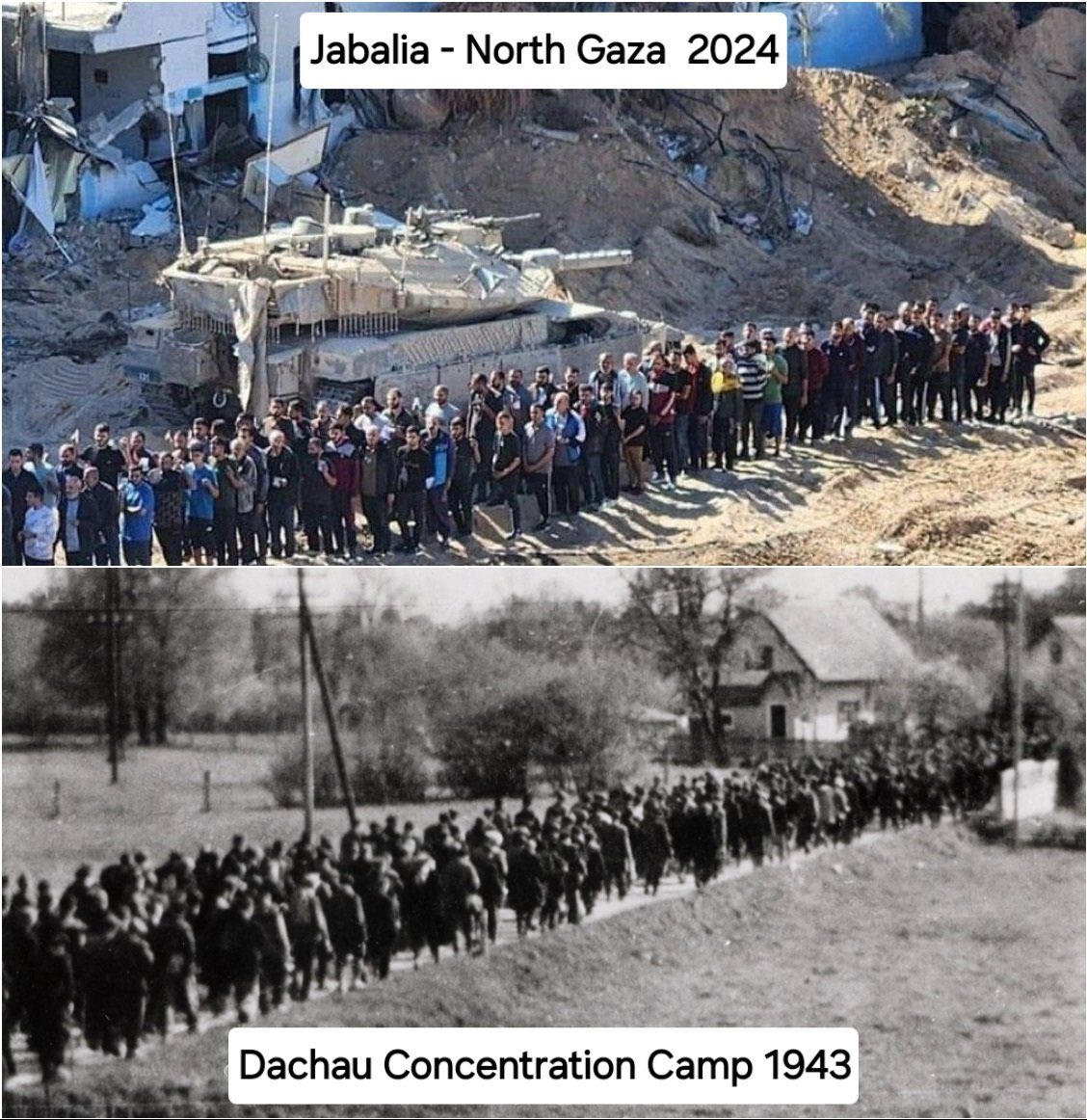
After repeated costly failures along the Lebanese border, the Israelis then decided to invade Jabalia Refugee Camp in northern Gaza and begin a terror bombing campaign across northern Gaza, also carrying on its assassinations of journalists and educators in the besieged territory. However, despite the terror that they inflicted, when their forces entered on the ground and besieged Jabalia Refugee Camp, the Palestinian Resistance factions began executing sophisticated and daring ambush operations, exacting a significant price on their soldiers.

The al-Qassam Brigades – the armed wing of Hamas – then began firing drones at troop formations and even one toward Israeli settlements, indicating that their capabilities were much greater than they were previously believed to be by the enemy. Suddenly, the Israelis were in a position where the Palestinian Resistance was killing and injuring their soldiers in Gaza, while Hezbollah was doing the same from South Lebanon.
Although the Israelis dealt significant blows to the Axis of Resistance, it is now in an even more difficult position than it previously found itself in prior to its assaults on Lebanon. Hezbollah has replaced its military leadership and has had the time to plan, rid itself of potential security breaches, and take the initiative on the battlefield. We see that Hezbollah is today intensifying its rocket strikes against the Israelis, dealing significant blows and putting the Zionist entity in a position of embarrassment before its own public once again.
The Israelis now must mount significant offensive actions across all fronts and fight on, managing a battle with Lebanon, Gaza, the West Bank, Yemen, Iraq, and even Iran. Benjamin Netanyahu envisioned himself as the Israeli Prime Minister to inflict a 1967-style defeat on the regional resistance, yet he has dragged the entire entity into something very different. We are no longer in the days of Egyptian President Gamal Abdul Nasser or the PLO in the 1980s, Hezbollah and the regional Axis of Resistance axis are not an alliance that can be broken through assassinations of senior leaders, in addition to this, they are ready for the fight.
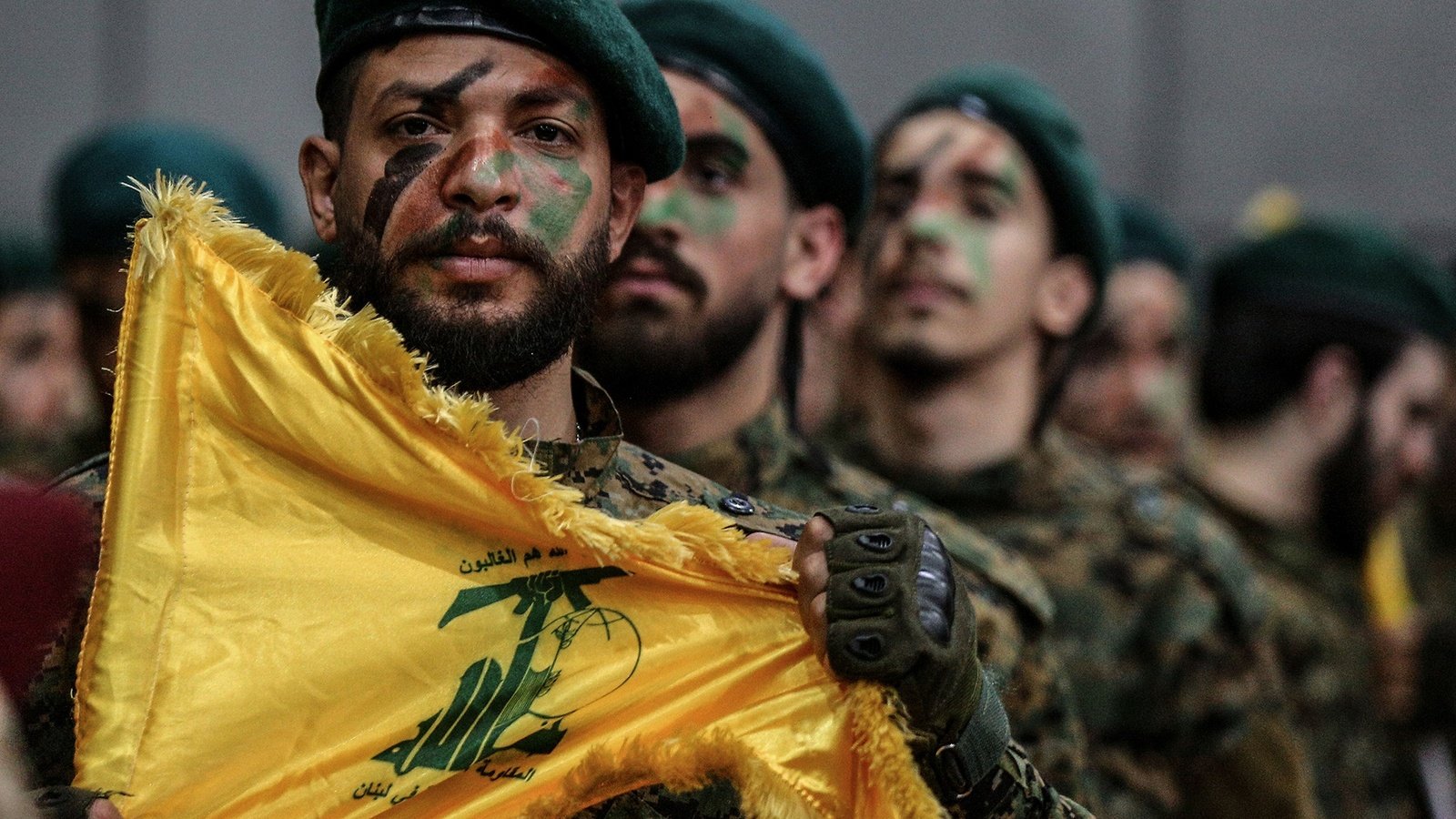
Hezbollah undoubtedly enjoys superiority on the ground, in face-to-face combat, while the Zionist military has only proven capable of pulling off sophisticated terrorist plots and assassinations, in combination with their elite video-game warriors who specialize in using advanced weapons from a distance. The reality is that typing on a keyboard or commanding controllers, while sitting in a fortified position, may deliver some tactical victories, but it will not win a war that requires immense physical courage, which the Israelis simply do not possess.
Even in the West Bank, where the Israelis frequently raid refugee camps and face off against poorly trained teenagers and men in their young twenties, armed with no more than light weapons, their special forces units have to call in backup and end up using air support. Even against the weakest link in the chain of Resistance groups, they struggle to hold ground in confrontations and never do so in a fair way. In Lebanon, they face committed, well-trained, and well-prepared fighters who do not fear death and crave the opportunity to confront them.
The Israeli regime may well pull off more trickery and terrorism on a grand scale, as it will turn to more assassinations, attempts to stir unrest, and perhaps special force operations deep into Lebanese or Syrian territory. There cannot be any doubt that there will be more challenges ahead, that the Israelis have many more tricks up their sleeves, and that the terror they plan to inflict will be painful, primarily to civilians. Yet, they do not possess the capability to win a multi-front confrontation and will be bled to death, so long as the Axis of Resistance continues to seize the initiative and respond forcefully to each escalatory violation of international law that the Israelis commit.
Sayyed Hassan Nasrallah, in his first speech issued during the Gaza Genocide, spoke of “scoring points” and that the “knockout blow” had not yet been delivered against the Israeli regime. What has happened during the past month is that the Israelis were being beaten on points and decided to begin throwing haymaker punches with the intent of ending the fight abruptly, taking a chance at victory. Some of those punches landed and knocked down the Axis of Resistance, yet they got back on their feet, dealt blows back to the Israelis, and are now fighting with even more intensity. Both sides have been hit and hurt, so this fight now looks like it will end with a KO.
The war that the Israeli regime has opened will not close until it is dealt a strategic defeat, one from which it will not likely recover. It is also a war that the United States has enabled and backed in every way. In today’s world, the Palestinians and Lebanese people are taking on not only the Zionists, but the US too.
https://libya360.wordpress.com/2024/10/ ... same-time/
A US-Iran War: What the Battlefield Could Actually Look Like
Posted by Internationalist 360° on October 12, 2024
Robert Inlakesh

Iranian President Pezeshkian Attends Military ParadeWhile U.S. Congress showed strong support for Israeli Prime Minister Benjamin Netanyahu’s statements on Iran in July, the media has largely shied away from coverage of what potential American involvement in an Israeli-Iranian conflict could look like.
As a result, the public remains largely unaware of the potential consequences and the specific role the U.S. might play in such a scenario.
In 2002, the U.S. military conducted the “Millennium Challenge” simulations, costing approximately $250 million. These exercises revealed that the American military would likely face failure in an all-out war with the Islamic Republic of Iran.
Since then, Iran has significantly advanced its missile technology, drones, air defense systems, and even naval capabilities, further complicating any potential conflict scenario.
Washington has repeatedly stated that it does not seek war with Iran, with President Joe Biden publicly making it clear to Israel that he will not order direct U.S. participation in any Israeli attack on Iranian territory.
While Israel is often touted as having the most powerful military in West Asia, with 169,500 active-duty personnel across its army, navy, and air force, along with 465,000 reservists, its forces are stretched thin. They are heavily deployed across the northern front with Lebanon, as well as in the West Bank and Gaza. Moreover, Israel’s military size is significantly outmatched by that of its adversaries in the Islamic Republic of Iran.
Iran’s standing army is reported to include approximately 610,000 active-duty members, with an additional 350,000 in reserve. Additionally, the Islamic Revolutionary Guard Corps (IRGC), a key component of Iran’s military structure, is estimated to have 150,000 to 190,000 members, although these figures remain unverified.
Beyond these forces, Iran’s potential manpower extends further. It includes a national police force and the Basij, a volunteer social and paramilitary group said to have millions of members, which provides significant mobilization capacity in times of conflict.
#Iran’s Islamic Revolution Guards Corps (IRGC) long-range and ballistic missiles in the Great Prophet (PBUH) military exercise. pic.twitter.com/6XNtmJcVmc
— IRNA News Agency (@IrnaEnglish) February 23, 2024
Iran’s military capabilities have advanced significantly, particularly in its missile program. Starting in 2015, Iran began conducting major tests on precision-guided, long-range ballistic missiles. Since then, it has developed increasingly sophisticated missile technology. As a result, Iran now possesses the largest and most advanced missile arsenal in the Middle East, a program that began in response to the challenges faced during the Iran-Iraq War.
In addition to its missile force, Iran has made significant strides in drone and cruise missile technology. Its advancements in drone technology, in particular, have garnered international attention, including from Russia during its conflict in Ukraine.
In an interview with MintPress News, Beirut-based journalist and columnist for The Cradle, Sharmine Narwani, asserted that Iran could defeat Israel in a direct conflict.
“Israel is 90 times smaller than Iran—a tiny geography with very vulnerable key infrastructure targets,” Narwani explained.
The argument can be made that with just a few hundred targeted missiles, Iran could destroy Israel’s six power plants, two oil fields, two refineries, one oil terminal, three gas fields, five desalination plants, and its remaining ports. The state of Israel would essentially be besieged and lose any self-sufficiencies overnight.”
Narwani also noted Israel’s military vulnerability. “All Israeli airbases and airstrips are identified and potential targets too. One key for Iran would be to stop the daily arrival of U.S. weapons by air, which is Tel Aviv’s only lifeline for its continuous bombing of Gaza, Lebanon, and Syria,” she added.
25th Karbala Division of IRGC forces training from Mazandaran province, located at North of Iran
7 years ago, 200 volunteer soldiers from this Division fought to protect the city of Aleppo in Syria against massive attacks of dozens of western-backed Wahhabi factions. pic.twitter.com/cOXVKnnKlS
— Iran’s military magazine (@iranmilitary_en) May 31, 2024
If the United States were to become involved in direct attacks on Iranian soil as a result of Israeli aggression, threats have already been issued against U.S. bases across the region. As of mid-August, an estimated 40,000 U.S. soldiers were stationed throughout the Middle East, deployed at military bases in Jordan, Iraq, Syria, and the Arab Gulf states.
Iran’s missile capabilities, recently demonstrated during its retaliatory strikes on Israel in an operation known as “Operation True Promise 2,” have shown their precision in targeting some of the most heavily guarded military bases in the world. These missiles are capable of striking at much longer distances than the U.S. bases located near Tehran’s immediate vicinity.
Watch Iran’s missiles literally rain on Tel Aviv. pic.twitter.com/1oBOrq9pLd
— red. (@redstreamnet) October 1, 2024
Beyond Iran’s military capabilities, the Islamic Republic also has allies throughout the region, operating in Yemen, Iraq, Syria, Lebanon, and Palestine. According to Sharmine Narwani, the “Islamic Resistance in Iraq” may still have a significant role to play.
“The Iraqi resistance has shown that it can participate in a multi-front war against Israel and its U.S. partner, especially now that Lebanon is a full warfront,” Narwani said.
It has done so by successfully launching drones and missiles of higher sophistication and, with more frequency, hitting Israeli targets. Should the regional war escalate and direct U.S. military engagement in support of Israel occur, the Iraqi resistance will likely turn its focus to more accessible targets within Iraq’s neighboring borders.”
In Yemen, the Ansarallah-led government in Sana’a has demonstrated its capability over the past ten months to overcome the efforts of a U.S.-led multinational naval coalition aimed at breaking the blockade imposed on Israel in the Red Sea. In December 2023, the U.S. launched Operation Prosperity Guardian, designed to ensure the safe passage of ships to the Israeli-controlled Port of Eilat.
Despite these costly efforts, the U.S. and its allies have failed to break the blockade. As a result, the Port of Eilat was eventually forced to file for bankruptcy.
Yemen’s ability to reach Tel Aviv with both drones and missiles, along with its continued resistance, signals that Ansarallah could pose a legitimate threat to U.S. forces in the Arabian Peninsula. Moreover, if Iran were to close the Strait of Hormuz, it would likely succeed, triggering a global oil crisis.
In Iraq, the Hashd al-Shaabi, or Popular Mobilization Forces (PMF), are another key Iranian ally, with an estimated force of around 238,000 men. Hezbollah in Lebanon also commands over 100,000 active-duty fighters. Additionally, the presence of Palestinian, Syrian, Iraqi, Afghan, Pakistani, and other militia forces operating inside Syria adds yet another unpredictable factor to the regional landscape.
The capabilities of the various militia groups, political parties, and standing armies at Iran’s disposal across the region remain largely unknown. However, what is known is that many of these groups are battle-hardened from years of grueling ground battles with everyone from ISIS to the IDF and that they possess diverse arsenals of rockets, missiles, and drones.
Speaking to MintPress News, Sharmine Narwani explained, “Based on what we know about Iran’s advanced missile arsenal, Tehran can easily target all U.S. bases and naval assets in the Persian Gulf, as well as those in Iraq and Syria, as we witnessed in 2020.”
Narwani further highlighted that “the U.S. has never been able to beat Iran in simulated irregular warfare gaming exercises unless the Americans cheated or rigged these games. This is one reason the Pentagon consistently avoids direct military conflict with Iran—the U.S. risks losing billions in forward military assets.”
Narwani also pointed out that potential U.S. strikes on Iran could be costly. “If the targets are Iran’s key operational infrastructure, this would be a significant loss for Iran, but also a difficult task for the Americans due to Iran’s immense geographical size and varied terrain.” On the other hand, she noted, “The targeting of U.S. military bases, facilities, and naval ships is much easier for the Iranians, as these are mostly stationary or easily spotted targets, which could eradicate U.S. military presence in the region.”
Should the U.S. decide to engage in direct war with Iran, the threats to its forces throughout the region would be formidable. While such a war would undoubtedly be costly for all sides, it is clear that it would not be a simple endeavor. Some neoconservatives in the U.S. have framed a war on Tehran as similar to the 2003 Iraq War. However, Iran is a largely mountainous country, approximately three times the size of Iraq in both population and land mass, making a potential conflict there far more complex.
https://libya360.wordpress.com/2024/10/ ... look-like/
******

It’s So, So Bad, And It’s About To Get A Whole Lot Worse
“And as horrifying as both these developing stories are, they’re going to be shifted to the back burner as soon as Israel begins its planned attack on Iran.”
Caitlin Johnstone
October 13, 2024
Things are so, so bad in the middle east right now, and from the looks of things they’re about to get a whole lot worse.
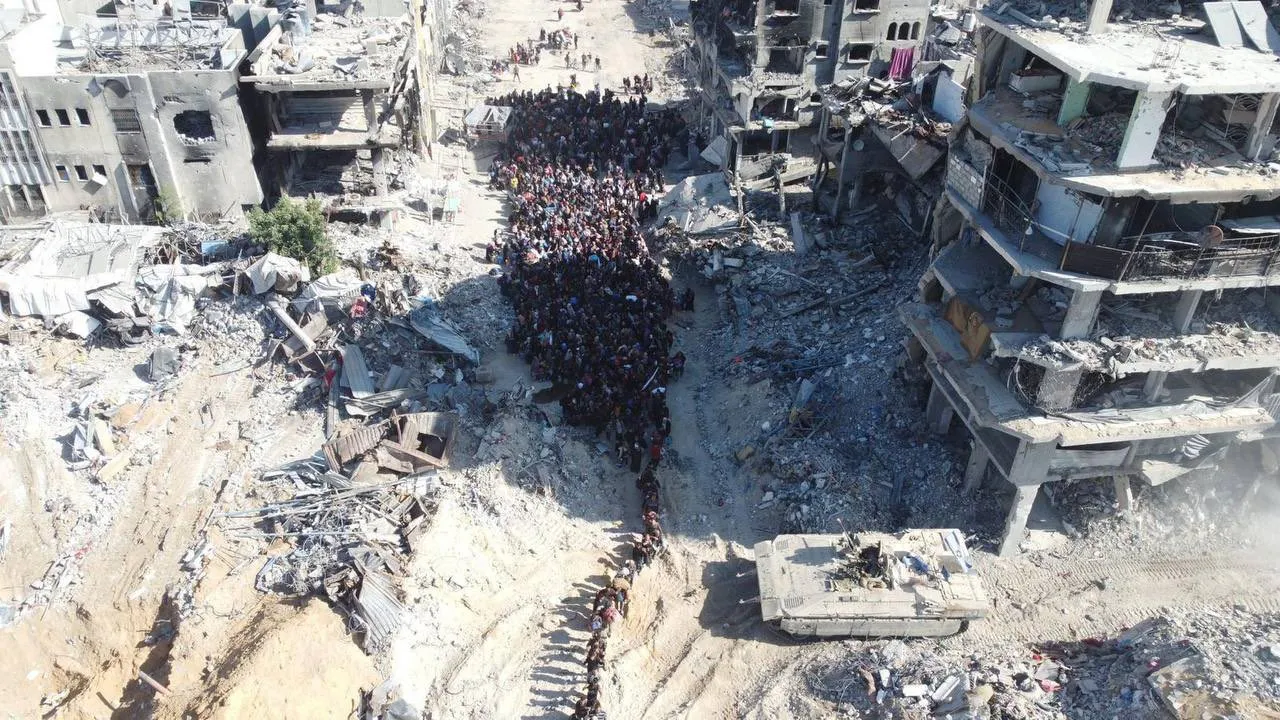
Israel is going full scorched-earth on northern Gaza in advancement of its long-planned ethnic cleansing of the area. The IDF is besieging and attacking civilian populations throughout the north, and the UN World Food Programme reports that no food aid whatsoever has been allowed in so far this month.
Hossam Shabat, one of the last remaining journalists in northern Gaza, reports the following on Twitter:
“The Israeli occupation has besieged us in this area, which includes Beit Hanoun, Beit Lahia, and the Jabalia refugee camp, for the past eight days. Since October 1st, they have stopped all food, water, and medical supplies from entering. They have threatened hospitals to shut down, stopped fuel from entering in order for hospitals to operate, and are targeting anyone who moves. So far, 400 people have been killed. People are bleeding in the streets, and we can’t reach them.”
Another post from Shabat:
“Due to the Israeli occupation siege on Jabalia camp, most injuries caused by the occupation’s bullets and shelling lead to death, as there are no medical resources or capabilities available to effectively treat the wounded.”
Another post, the most recent as of this writing:
“We are literally living our final moments. O Allah, grant us a good end.”
The western media have been working fanatically to facilitate these atrocities.
A CNN report on the World Food Programme’s findings titled “UN says no food has entered northern Gaza since start of October, putting 1 million people at risk of starvation” does not mention the word “Israel” until the twelfth paragraph, and then somehow manages to go the entire rest of the article without making it clear that Israel is blocking the food.
A BBC report describes Israel’s policy of laying total siege to a population of hundreds of thousands of civilians as merely “controversial”, with an amazingly delicate headline that reads “‘Surrender or starve’: Attack on Jabalia hints at controversial Israeli plan for northern Gaza”.
In a recent interview on CNN, a doctor who worked in Gaza for two weeks corrected CNN anchor Kate Bolduan for absurdly referring to the results of Israel’s war crimes as a “humanitarian crisis”, saying “This is not a humanitarian crisis, Kate, and I’m gonna say it very clearly for your viewers to hear: this is genocide.”
In southern Lebanon, Israel has been deliberately targeting healthcare facilities so extensively that nearly half of the medical centers in areas of conflict have already been closed. More UN peacekeepers have been wounded by Israeli fire as Israel continues to deliberately target staff from the United Nations Interim Force in Lebanon. The Israeli military is now saying they’re going to start attacking ambulances because the ambulances are Hezbollah.
And as horrifying as both these developing stories are, they’re going to be shifted to the back burner as soon as Israel begins its planned attack on Iran. As we discussed previously, Iran has already said it will respond to any further attacks by Israel with attacks of its own, and that its days of restraint in this stand-off are over.
The US now reportedly has boots on the ground in Israel, with American troops set to operate the THAAD anti-ballistic missile systems that are being sent by Israel’s superpower ally. It seems inevitable that the US will become further and further involved in this conflict the more Israel escalates against Iran, and nobody in the White House seems particularly invested in preventing it from doing so.
And of course the mass media are helping to pave the way toward this next war as well. The Washington Post has published unverified documents that were given to them by the Israeli military which purport to show Hamas plotting to petition Iran for assistance in the October 7 attack, admitting all the way down in paragraph 14 that “the documents’ authenticity could not be definitively established.” The New York Times published its own report on the documents, which it claims it “verified” by asking the Israeli military and some Palestinian sources who aren’t even in Gaza if they appeared authentic.
There don’t seem to be any feet near the brake pedal on this thing. All sides seem to have concluded that backing down is no longer an option, so the only choice left on the table is to keep escalating in the hope that the other side blinks.
This could easily culminate in Israeli nuclear strikes on Iran. Nothing Israel has done this past year indicates that there is any sanity or restraint among the people who’ve been calling the shots, and if Iranian missiles start pounding Israeli cities I see no reason to feel confident that the world won’t see a mushroom cloud over Tehran in the near future.
As bad as things are, we can’t even imagine how much worse they could soon get.
https://caitlinjohnstone.com.au/2024/10 ... lot-worse/
******
Lebanese drone hits Tel Aviv outskirts after bypassing air defenses for 100km
The attack marked the longest-range drone strike from Lebanon into Israel since the start of the war
News Desk
OCT 12, 2024

(Photo Credit: Tal Gal/Flash90).
A drone launched by Lebanese resistance movement Hezbollah hit a building just outside the city of Tel Aviv overnight on 11 October, breaching Israeli air defenses in a journey of about 100 kilometers.
The attack resulted in damage to the building and caused a widespread power outage across the city of Herzliya. Hebrew media reported that the incident marked the longest distance a drone has traveled from Lebanon into Israel.
Tel Aviv said early on Saturday that it had detected two drones flying in from Lebanon, setting off sirens in central Israel.
"[Both] UAVs were monitored from the moment when they crossed the Lebanese border," the army statement says, adding that its air defenses shot down one of the two drones.
There was no immediate confirmation as to why Israeli air defenses failed to intercept the second drone. The army said the incident is under investigation.
Israeli media expressed confusion in its initial coverage of the attack, reporting contradictory news saying that Yemen or Iraq had launched the drone.
The spokesman for the Herzliya municipality ordered the settlers to "stay near the shelters at this time", following the attack.
Friday's drone attack comes as the Israeli army continues to expand its war campaign against Lebanon, relentlessly bombing Beirut and several areas in the south and east of the country.
As occupation troops push forward with their attempt to take control of the south of Lebanon, Hezbollah forces continue to deal heavy blows. On Friday alone, the Lebanese resistance launched at least 24 operations against Israeli forces, striking military bases, cities, and settlements.
On Saturday, Hezbollah military media announced seven operations were conducted following Friday's drone attack, including targeting an explosives factory south of Haifa, hitting an Israeli infantry unit and a gathering of soldiers in Khirbet Zarit with artillery shells and rockets, hitting an Israeli military bulldozer with guided missiles as it attempted to leave the area near Ramya, among others.
https://thecradle.co/articles/lebanese- ... -for-100km
Israel turns north Gaza into 'zone of devastation' as Jabalia siege reaches ninth day
Israeli strikes killed 29 Palestinians on Saturday and Sunday, including a family of eight
News Desk
OCT 13, 2024

(Photo credit: Omar El-Qataa)
The Islamic resistance movement, Hamas, issued a statement on 13 October condemning the ongoing Israeli bombardment and siege of northern Gaza.
“The occupation army has targeted all vital sectors in northern Gaza, aiming to turn the North Gaza Governorate into a zone of devastation and death as part of its plan to displace our Palestinian people.”
The Hamas statement comes after Israeli military strikes killed at least 29 Palestinians in Gaza over the past 24 hours, amid a brutal siege and invasion of Jabalia in the north of the enclave that has reached its ninth day.
The victims included eight members of the Abu Ghali family, whose home was bombed in an Israeli strike Sunday morning in the Nuseirat refugee camp in central Gaza. WAFA news agency reported that Walid Abu Ghali, his wife Shireen, and their six children, Mohammad, Ahmad, Yasmeen, Samah, Yara, and Tala, were all killed in the strike.
WAFA said that four more people were killed and others injured in Israeli strikes on the Jabalia refugee camp in the north and that the casualty count is expected to rise as many of the injured are in critical condition.
On 7 October, Israeli forces issued evacuation orders in Jabalia camp while carrying out attacks at the same time, preventing people from leaving the area safely. Many refused to obey the evacuation orders to flee to southern Gaza, knowing the Israeli military would never allow them to return to their homes in the north.
“Quadcopter drones are hovering low over the streets, firing at anything that moves,” Mohammed Shehab, a 27-year-old resident, told +972 Magazine from inside the camp. “Snipers are positioned on rooftops, targeting anyone who steps outside. At the same time, soldiers and tanks have pushed into the camp, demolishing homes and bulldozing roads and fields.”
“Nobody is allowed to get in or out. Anyone who tries is getting shot,” Sarah Vuylsteke, a Doctors Without Borders (MSF) project coordinator, said on Friday, noting that five MSF staff are trapped in the camp, fearing for their lives.
“We were staying at the Al-Yemen Al-Saeed Hospital, but they bombed it. About 20 people were killed. I don’t know what to do, at any moment we could die. People are starving. I am afraid to stay, and I am also afraid to leave,” says Haydar, an MSF driver trapped in Jabalia camp.
The World Food Programme (WFP) said Saturday that the main crossings into north Gaza have been closed, and no food aid has entered since 1 October.
“Food distribution points, as well as kitchens and bakeries, have been forced to shut down due to airstrikes, military ground operations, and evacuation orders. The only functioning bakery in North Gaza caught fire after being hit by an explosive munition,” WFP added.
“The north is basically cut off, and we’re not able to operate there,” said Antoine Renard, WFP Country Director for Palestine.
Local sources told WAFA that Israeli forces have erected earthen barriers on main roads between Gaza City and the north of Gaza.
Reports indicate that Israeli forces have also destroyed dozens of homes in Jabalia using explosive robots, resulting in significant casualties among both the deceased and wounded, WAFA added.
CNN reported on Saturday that Israeli Prime Minister Benjamin Netanyahu had adopted “a version of” a plan promoted by retired Reserve General Giora Eiland to force all Palestinian civilians out of northern Gaza.
“Those who leave will receive food and water,” Eiland said in a video posted online earlier this month to promote his plan. “But in a week, the entire territory of the northern Gaza Strip will become military territory, and this military territory, as far as we are concerned, no supplies will enter it.”
Amid the ongoing ethnic cleansing of northern Gaza, the desire to build Jewish religious colonies in the strip continues to gain momentum.
The goal was articulated by Tzvi Sukkot, a member of Knesset from Finance Minister Bezalel Smotrich’s Religious Zionism party, during a committee hearing at the beginning of this year, CNN reported.
“We first need to occupy, to annex, to destroy all the houses there, build neighborhoods there,” Sukkot stated.
In the same hearing, Limor Son Har Melech from National Security Minister Itamar Ben Gvir’s Jewish Power Party received applause after stating that the only image that will convince Israel’s enemy of its defeat is “the settlement, and Jewish children walking in its streets.”
As Israel tightens its brutal siege, fighting in northern Gaza has intensified. The battles have been likened to those that were taking place at the very start of the war on Gaza. Hamas' Qassam Brigades, along with other Palestinian factions, have been carrying out daily military operations against Israeli troops and vehicles.
https://thecradle.co/articles/israel-tu ... -ninth-day
Netanyahu calls on UN troops to evacuate south Lebanon as Hezbollah resistance to Israeli invasion stiffens
Hezbollah fighters injured and killed 20 Israeli soldiers in ambushes early Sunday
News Desk
OCT 13, 2024

(Photo credit: Mahmoud Zayyat/AFP)
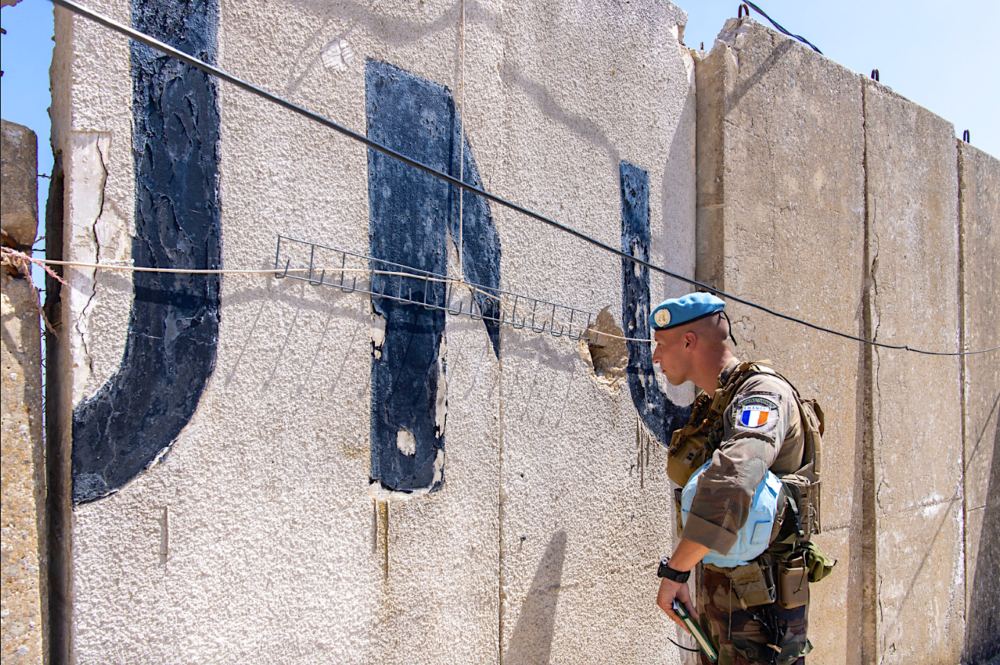
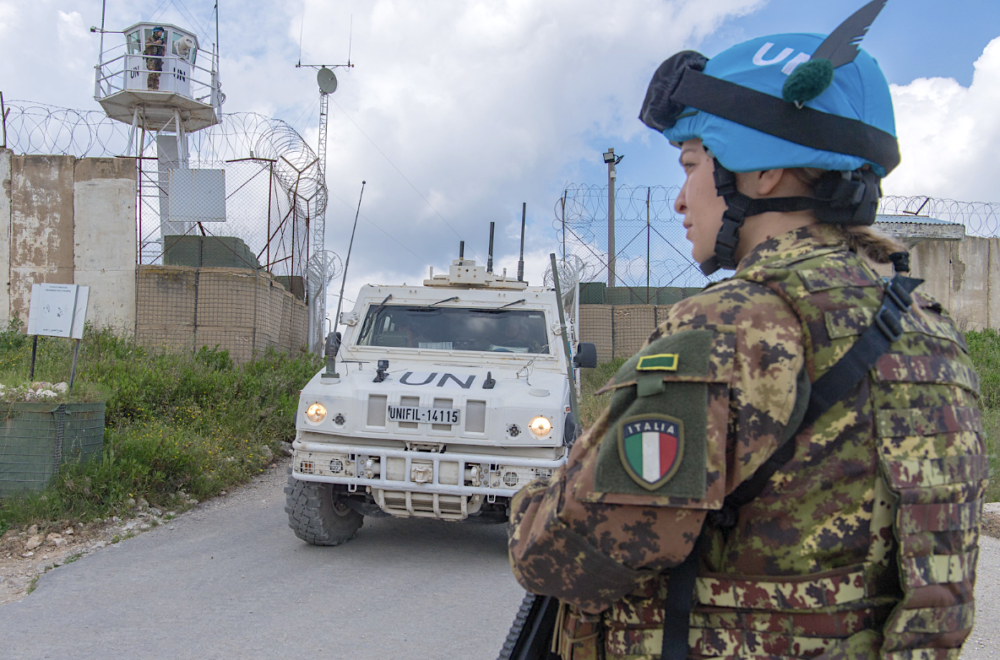
Israeli Prime Minister Benjamin Netanyahu called on UN Interim Forces in Lebanon (UNIFIL) to evacuate the border between Israel and Lebanon on 13 October, amid ongoing resistance by Hezbollah fighters to Israel's ongoing ground operation.
Addressing UN Secretary-General Antonio Guterres, Netanyahu said Sunday in a Hebrew-language message, "It is time for you to withdraw UNIFIL from Hezbollah strongholds and from the areas of combat."
"The IDF has repeatedly asked for this, and has been met with repeated refusals, all aimed at providing a human shield to Hezbollah terrorists," says Netanyahu.
"Your refusal to evacuate the UNIFIL soldiers makes them hostages of Hezbollah," says Netanyahu. "This endangers both them and the lives of our soldiers."
Israel has endangered the lives of UNIFIL soldiers on several occasions in the past week.
On Friday, UNIFIL soldiers were injured, one of them critically, after an Israeli tank opened fire at one of the international mission's observation towers in Naqoura, south Lebanon.
On Thursday, at least two other UN soldiers were injured by an Israeli attack.
On Tuesday, Hezbollah ordered its fighters not to attack Israeli forces who established a forward operating base behind UN troops near a Lebanese border village, effectively using them as human shields.
The Israeli attacks on UNIFIL personnel came as Hezbollah fighters put up fierce resistance to Israel's ongoing ground operation to conquer territory in southern Lebanon.
Al-Mayadeen's correspondent in South Lebanon reported Sunday morning that more than 20 Israeli soldiers were killed and injured in ambushes and confrontations with Hezbollah fighters in Ramia.
In a series of statements, Hezbollah confirmed its fighters targeted gatherings of Israeli soldiers in multiple attacks near Ramya using guided missiles and explosive devices.
After nearly two weeks of combat, Hezbollah has killed 14 Israeli soldiers, according to an AFP tally based on official Israeli figures.
As Israel seeks to invade Lebanon for the fourth time in 50 years, its troops face a well-trained, well-armed, and highly-motivated Hezbollah force operating in rocky terrain mined with explosives and full of hiding places.
Jonathan Conricus, who previously fought with the Israeli army in Lebanon and served as an Israeli liaison officer to UNIFIL, told AFP, "The topography is very challenging for an invading force and convenient for an enemy like Hezbollah."
"The terrain also allows multiple ways for a defending enemy to use anti-tank missiles and IEDs against a conventional army," he added, referring to improvised explosive devices.
In his final speech days before his assassination, late Hezbollah secretary-general Hassan Nasrallah warned Israel about the dangers of trying to invade and occupy parts of southern Lebanon.
"This security belt will turn into a quagmire, a trap, an ambush, an abyss, and hell for your army if you want to come to our land," he warned on 19 September.
https://thecradle.co/articles/netanyahu ... n-stiffens
Israeli attack on Gaza tent camp burns alive displaced families
The Israeli air force bombed Al-Aqsa Martyrs Hospital, killing at least four people and injuring 70 more
News Desk
OCT 14, 2024

(Abdel Kareem Hana/AP)
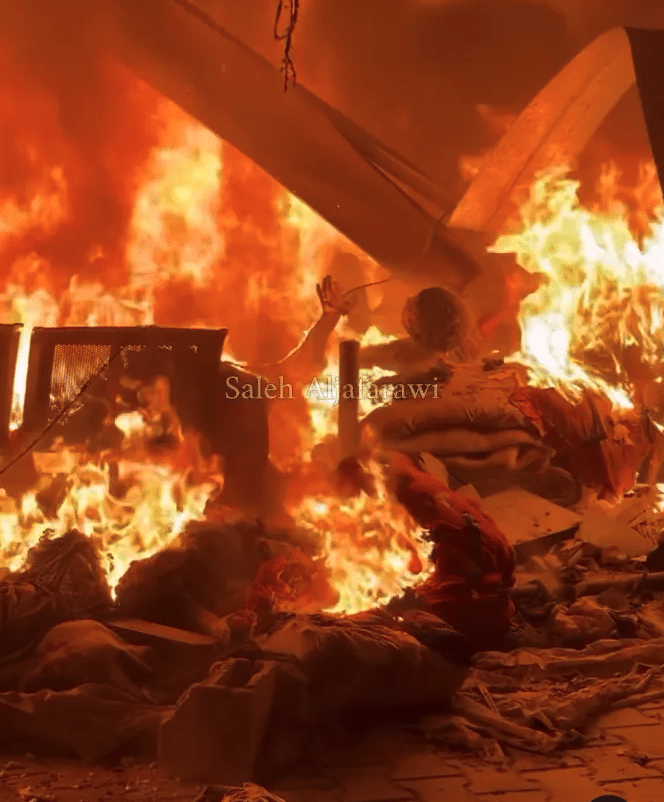
Israeli pilots dropped bombs on a courtyard of a hospital in northern Gaza in the early hours of 14 October, causing the tents of the displaced to catch fire and burn people alive.
The Gaza Health Ministry reported that the attack on the Al-Aqsa Martyrs Hospital in central Gaza’s Deir al-Balah city killed at least four people and injured 70, many of them critically. The death toll is expected to rise.
“What happened was that we woke up to smoke, flames, fire, and burning pieces falling on the tents from every direction. The explosions terrified us in our tents and outside where we live behind Al-Aqsa Hospital,” a survivor of the attack, Om Ahmad Radi, told Al Jazeera.
“The fire trucks couldn’t get here. There were so many burned and charred bodies all over the place. The amount of fire and explosions was enormous. We witnessed one of the most horrible and brutal nights,” she explained.
Gaza’s Media Office said it was the seventh time this year that Israel has bombed the grounds of the Al-Aqsa Hospital complex and the third time in recent weeks.
Al Jazeera’s correspondent in Deir al-Balah, Hani Mahmoud, said some 20 to 30 tents burned down, trapping people inside.
“There were many people inside the tents as the fire spread who could not be saved,” Mahmoud stated. “We are looking at a large number [of deaths] as these tents are close to each other, back-to-back, and set up in a small space inside the hospital courtyard.”
Ahmed al-Ras, a photojournalist for a local TV network who witnessed the attack, told the Washington Post that the Israeli bombing caused several gas cylinders to explode, lighting the fire.
“The fire was very fast and burned all the tents. I saw three people burning, dozens of injuries, and hundreds of families running and screaming and searching for their children,” he said, adding that civil defense teams were only able to put out the fire 40 minutes later.
The Washington Post added that “a widely shared video of the fierce blaze appeared to show at least one person on a bed burning alive while onlookers shouted.”
Israeli army spokesperson Avichay Adraee confirmed the Israeli air force attacked the hospital. He claimed, without providing evidence, that the hospital complex was used as a “command and control center” by Hamas fighters battling the Israeli army to try to justify the bombing.
Over the past year of its genocide of Palestinians, Israel has used the same pretext to bomb hospitals throughout Gaza in an effort to destroy the health system of the enclave and make it uninhabitable.
Last week, the UN Commission of Inquiry for the occupied Palestinian territories issued a report finding that Israel has sought to destroy Gaza’s health care system as part of a war of extermination on Palestinians.
“Israel has perpetrated a concerted policy to destroy Gaza’s healthcare system as part of a broader assault on Gaza, committing war crimes and the crime against humanity of extermination with relentless and deliberate attacks on medical personnel and facilities,” a statement issued by the UN inquiry said.
Notably, the Commission also “documented more than 20 cases of sexual and gender-based violence against male and female detainees, in particular in Negev prison and Sde Teiman camp.”
The Commission stated it “received credible information concerning rape and sexual assault, including the use of an electrical probe to cause burns to the anus and the insertion of objects, such as sticks, broomsticks, and vegetables, into the anus. Some of those acts were reportedly filmed by soldiers.”
The report also found that as of 15 July, at least 53 Palestinian detainees had died in Israeli detention facilities since 7 October 2023.
One prisoner, Thaer Abu Assab from Qalqilya in the occupied West Bank, was beaten to death by prison guards on 18 November. He had been imprisoned since 2005.
Dr Iyad Rantisi, the director of a women’s hospital in Bayt Lahya, was detained on 11 November and taken to Shikma Prison. He died six days later after being tortured to death by Israel’s Security Agency, the Shin Bet.
https://thecradle.co/articles/israeli-a ... d-families
Pentagon confirms US troops to operate THAAD missile defense in Israel
The Iranian foreign minister warned that US military leaders are 'risking their soldiers' lives by sending US troops to defend Israel
News Desk
OCT 13, 2024

(Photo credit: US Army Europe)
The US military will send a missile defense battery and troops to operate it in Israel, the Pentagon said on 13 October, amid warnings from Iran that Washington should keep all US military forces out of Israel.
US Defense Secretary Lloyd Austin authorized the deployment of the Terminal High Altitude Area Defense (THAAD) battery at the direction of President Joe Biden, the Pentagon said in a statement.
The US is seeking to help bolster Israel’s air defenses following a large-scale Iranian ballistic missile attack on Israeli airbases on 1 October. Tehran launched the ballistic missile barrage in retaliation for multiple aggressions carried out by Tel Aviv, including the assassinations of Hamas political leader Ismail Haniyeh in July and Hezbollah leader Hassan Nasrallah on 27 September.
“This action underscores the United States’ ironclad commitment to the defense of Israel, and to defend Americans in Israel, from any further ballistic missile attacks by Iran,” Pentagon spokesman Maj. Gen. Pat Ryder said.
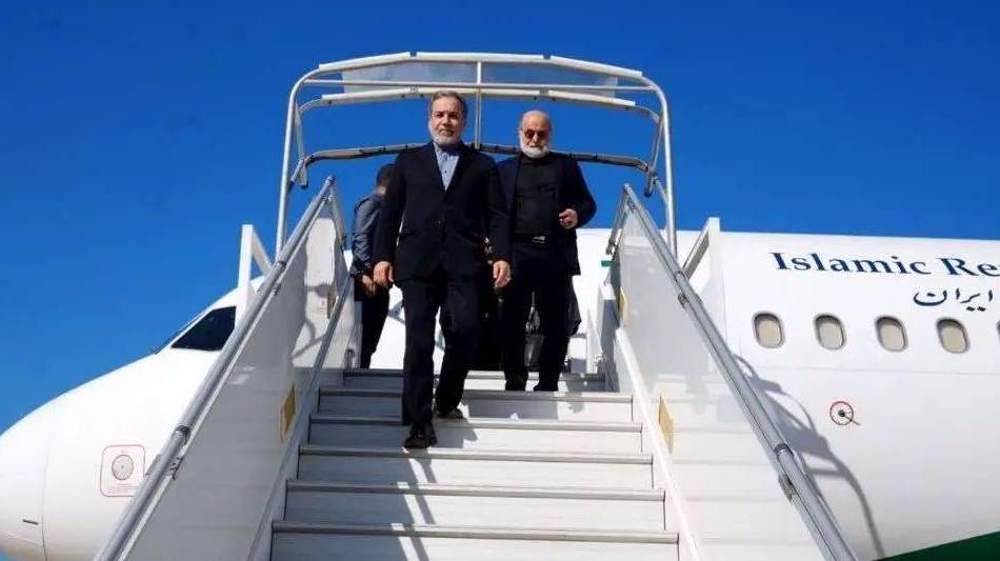
In response, Iranian Foreign Minister Abbas Araghchi delivered a warning to US leaders in a statement on X, saying they were risking their soldiers’ lives by sending them to Israel.
“The US has been delivering record amounts of arms to Israel. It is now also putting the lives of its troops at risk by deploying them to operate US missile systems in Israel. While we have made tremendous efforts in recent days to contain an all-out war in our region, I say clearly that we have no red lines in defending our people and interests,” Araghchi stated.
The AP notes that according to an April report by the Congressional Research Service, the US military has seven THAAD batteries. Each consists of six truck-mounted launchers, holds 48 interceptors, radio and radar equipment, and requires 95 soldiers to operate.
The THAAD is considered a complementary system to the Patriot missile defense system, but it can defend a wider area. It can hit targets at ranges of 150 to 200 kilometers.
Israeli leaders claim they are preparing to launch a harsh military response to the Iranian attack, including possibly bombing Iran’s nuclear energy program.
However, a New York Times report from 7 October cast doubt on this claim, saying that “former and current senior Israeli officials acknowledged doubts about whether the country has the capability to do significant damage to Iran’s nuclear facilities.”
https://thecradle.co/articles/pentagon- ... -in-israel
Sure to cause conniptions in Kiev...
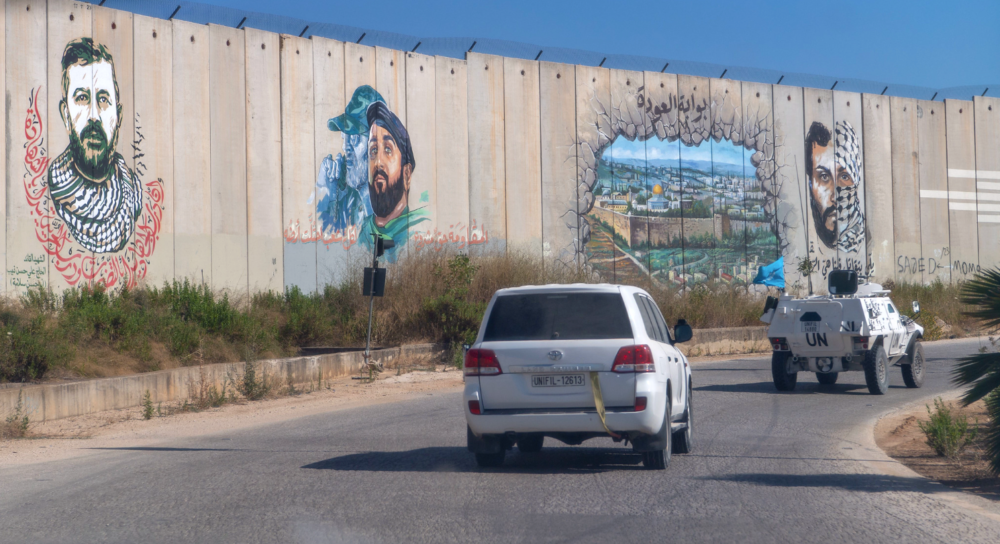


 FRANCE REJECTS NETANYAHU'S CALL TO WITHDRAW UNIFIL FROM LEBANON








 (@PressTV) October 14, 2024





 IMPORTANT









 الانذار موجهة تحديدًا إلى المتواجدون في المباني بين الشوارع: الحيرام, جعفر شرف الدين, أبو ديب و شارع الاثار