Posted by Internationalist 360° on February 27, 2025
BettBeat Media

That a U.S. president can openly advocate for what amounts to ethnic cleansing and present it as a real estate opportunity marks the complete moral death of Western “civilization.”
The moral rot at the heart of late-stage capitalism has found its most grotesque expression in Donald Trump’s AI-generated fever dream of a “transformed” Gaza, posted without shame on his own Truth Social platform. Here, in three minutes of digital hallucination – broadcast to his millions of followers – we witness the complete moral collapse of America’s ruling class, their pathological detachment from human suffering, and their messianic delusions of recreating the world in their own twisted image.
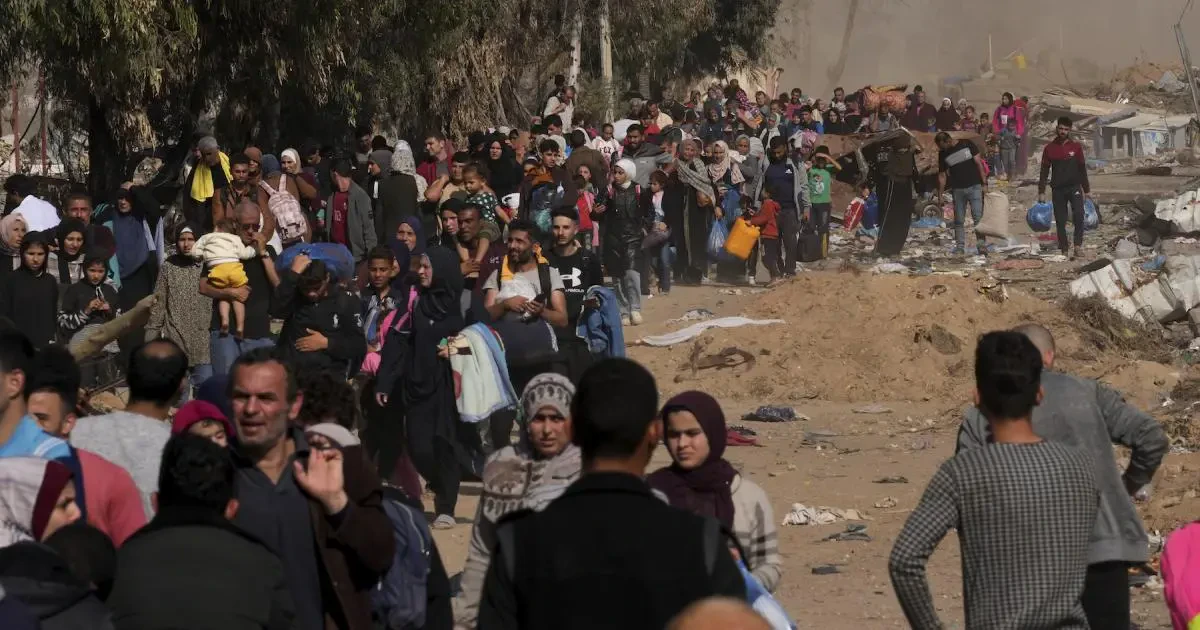
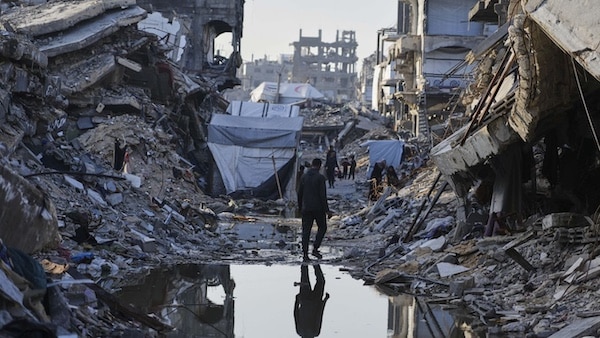
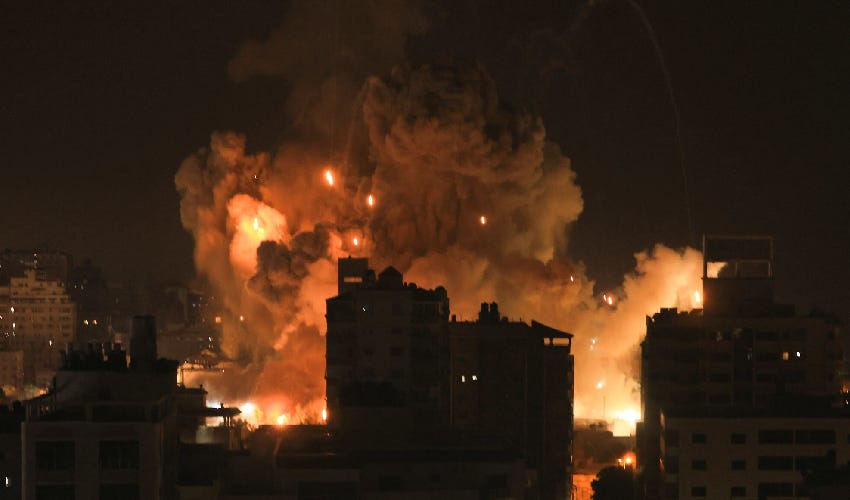
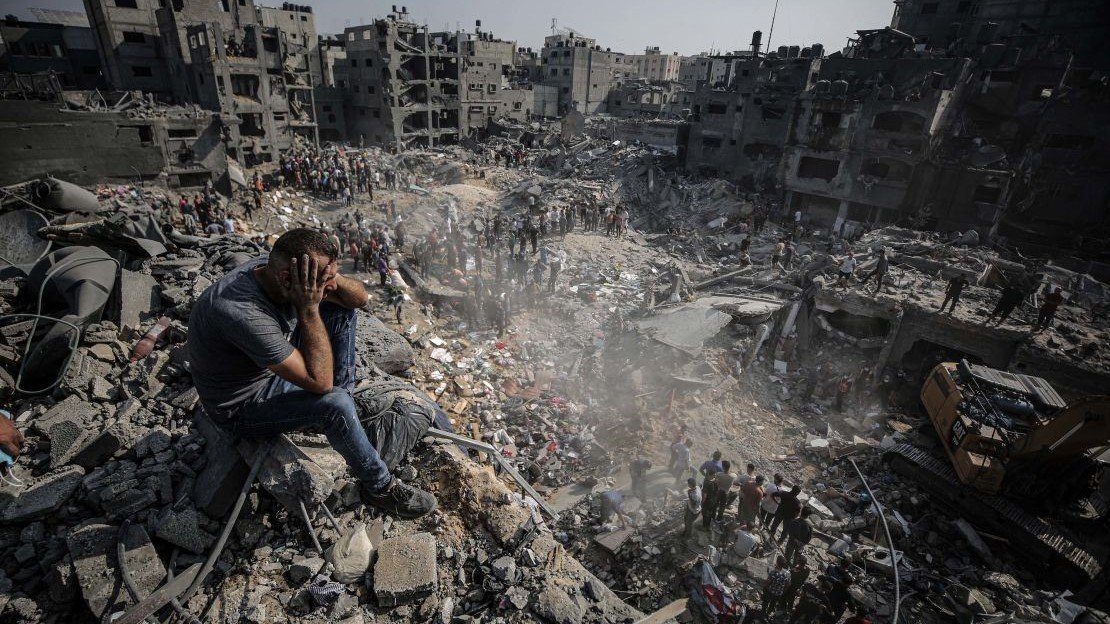
The video begins, without irony or shame, amid the apocalyptic ruins of Gaza – a land where American-supplied bombs have possibly killed over 500,000 people, of whom at least half were children. This real-world carnage serves merely as the establishing shot for Trump’s perverted utopia. The message is clear: mass death is simply the necessary prelude to profitable development.
What follows is a pornography of power that would make Napoleon blush. Golden Trump statues rise from blood-soaked earth. Wealthy tourists frolic where Palestinian children once played. Casino lights flash above mass graves. Each frame screams the truth about our ruling class: they do not see human beings; they see assets to be seized and territories to be branded.
This is not merely a promotional video. It is a manifesto of capitalism, where the machinery of mass killing serves as the advance team for real estate development. The transformation Trump envisions – from a living, breathing Palestinian society to a sterile playground for the global rich – represents the ultimate fantasy of capitalism: the complete erasure of indigenous populations and their replacement with profitable ventures.
From Pedophilia to Necrophilia
The video’s aesthetic touches betray the colonial mindset that has never left the Western ruling class. Arab women are reduced to an orientalist sexual fantasy – an AI-generated scene showing a scantily clad woman dancing intimately with Trump himself. While the — most likely accidental — inclusion of bearded trans dancers seems like a surprisingly modern progressive touch, it merely updates rather than challenges the core colonial fantasy. Whether traditional belly dancers or gender-nonconforming performers, these bodies exist purely as exotic props for the billionaire class’s entertainment. The AI-generated fever dream simply expands the menu of available sexual commodities while maintaining the same power dynamic: colonized bodies performing for the colonizer’s pleasure. It’s not progress – it’s just orientalism with a rainbow capitalist makeover.
What makes this document truly terrifying is not its cartoonish excess but its honesty. Here, finally, is the unvarnished truth about how our oligarchs view the world. The mass death in Gaza is not, in their minds, a humanitarian catastrophe – it is a business opportunity. The displacement of millions is not a tragedy – it is a chance to “develop” prime Mediterranean real estate.
This is the end game of unfettered capitalism: a system so morally bankrupt that it can broadcast its own psychopathy as a promotional video. From Epstein’s pedophilic island playground to necrophilic fever dream of a “transformed” Gaza, the billionaire class has finally dropped its civilized mask. They no longer feel the need to hide their depraved fantasies. The progression is clear – from the sexual exploitation of children in private compounds to publicly fantasizing about building luxury resorts atop mass graves. They show us exactly who they are: merchants of death who see human suffering, whether of trafficked children or bombed civilians, as merely raw material for their grotesque appetites and profits.
The Palestinian journalist Yousef Alalo, speaking with quiet dignity about the Gaza he knew – with its hotels, resorts, and families enjoying the Mediterranean beaches – provides a stark contrast to Trump’s vulgar fantasy. “Gaza would have become Singapore or Dubai,” he notes, “if Israel and the US had allowed Palestinians to build their city or extract the natural gas off their shore.” But actual development, actual prosperity for the Palestinian people, was never the goal.
We are watching, in real time, the complete merger of state violence with corporate greed, of military occupation with luxury real estate development. This is what the end of empire looks like: a gold-plated fever dream built on mountains of corpses.
The most terrifying aspect of Trump’s video is not its content but its context – the fact that it exists at all. That a U.S. president can openly advocate for what amounts to ethnic cleansing and present it as a real estate opportunity marks the complete moral death of Western “civilization.”
– Karim
https://libya360.wordpress.com/2025/02/ ... crophilia/
******
Can Egypt rebuild Gaza without forcing Palestinians out?
As Gaza lies in ruins, Egypt is pushing a massive Arab-backed reconstruction plan—one that keeps Palestinians in place rather than displacing them. But with Hamas facing internal rifts, Israel tightening its grip, and Trump pushing his own agenda, can Cairo pull it off?
The Cradle's Palestine Correspondent
FEB 28, 2025
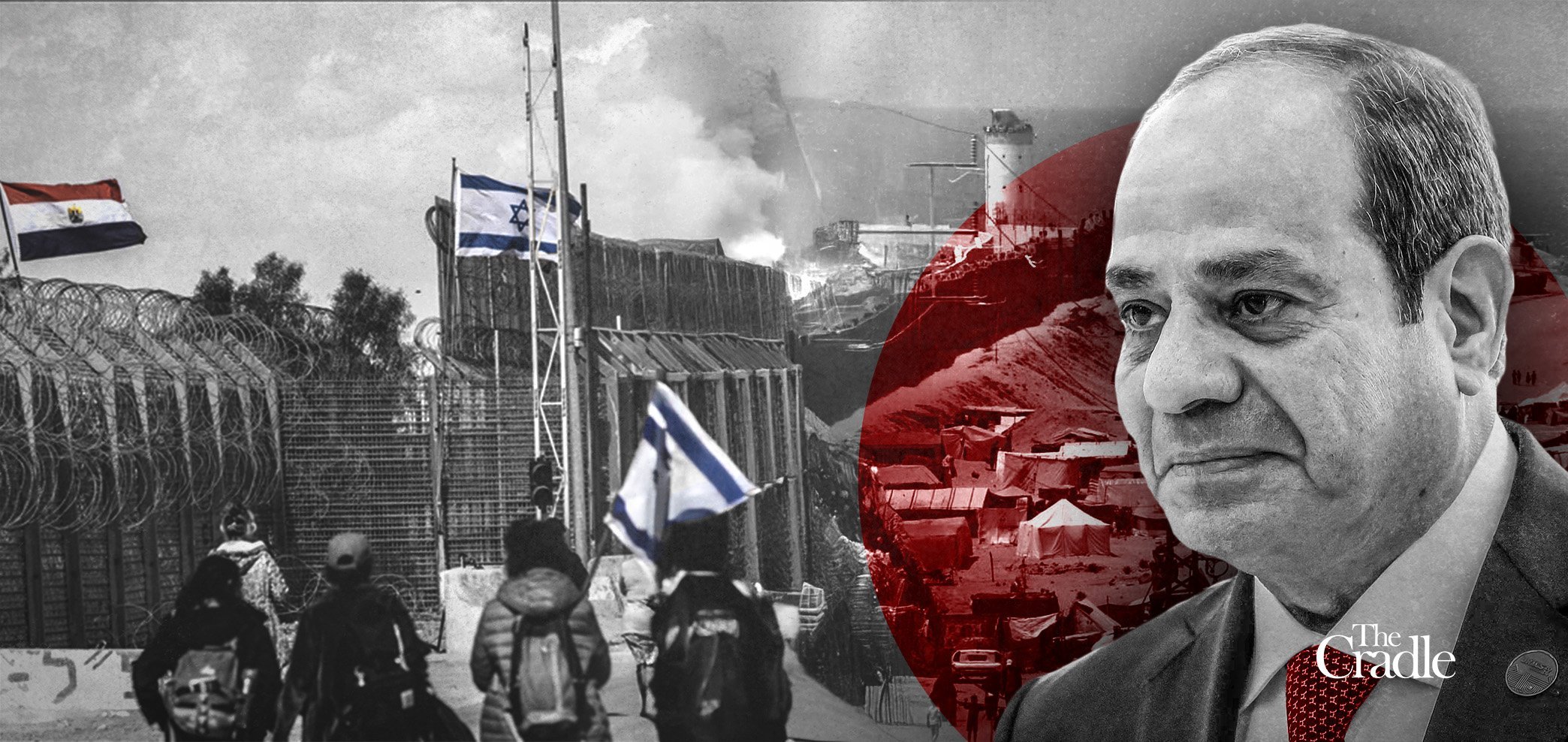
Photo Credit: The Cradle
"Whoever failed to stop the war in Gaza or deliver aid as it should have been, cannot be relied upon today to save Gazans from displacement or to secure an agreement in their favor. But we are forced to smile at Arab regimes, to navigate the four harsh years of Donald Trump, and to avoid an imminent social explosion inside Gaza." – Sources within Hamas, speaking to The Cradle.
This sentiment reflects the political reality Hamas is dealing with, as explained by sources who prefer to remain unnamed due to the sensitivities involved. Unlike previous conflicts, this war has seen a reliance on off-the-record statements from Palestinian, Israeli, and even US sources rather than official declarations.
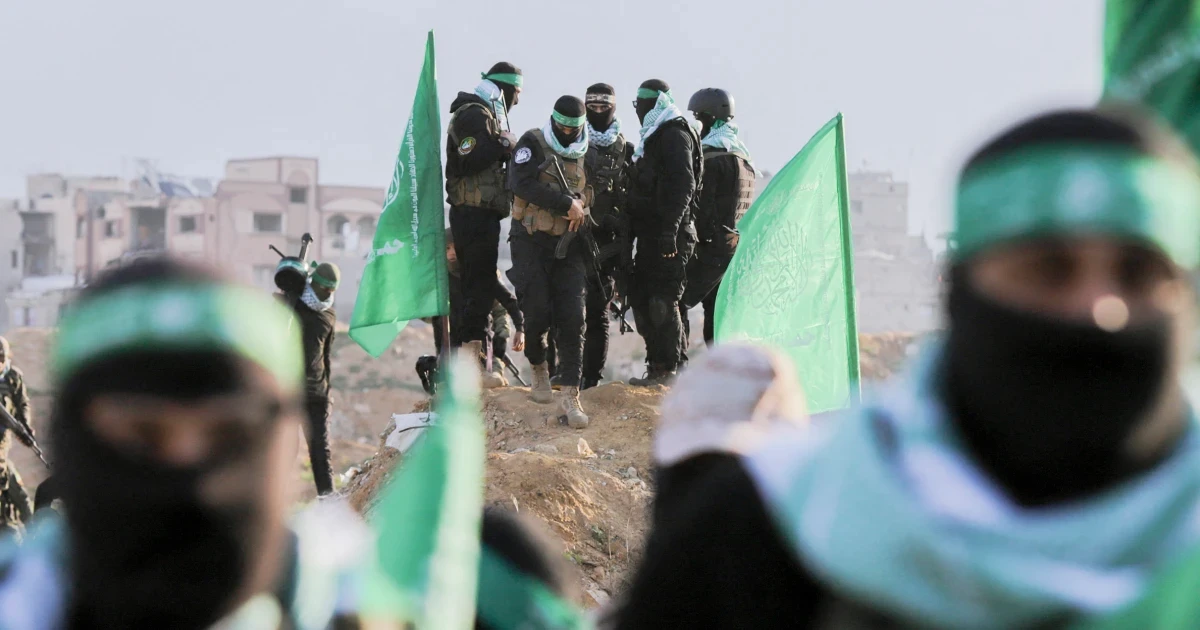
It is within this context that remarks made by Hamas political bureau member Mousa Abu Marzouk to The New York Times can be understood. His statements, which were later denied, did not just include expressions of regret over Operation Al-Aqsa Flood but also raised the possibility of abandoning armed resistance.
The Wall Street Journal took it a step further, suggesting that Hamas’s external leadership was considering distancing itself from the Gaza-based leadership due to their differing approaches. Whether this signals a real internal divide within the movement or is part of a strategic effort to manage the international and regional backlash triggered by Trump’s return to the White House is unclear.
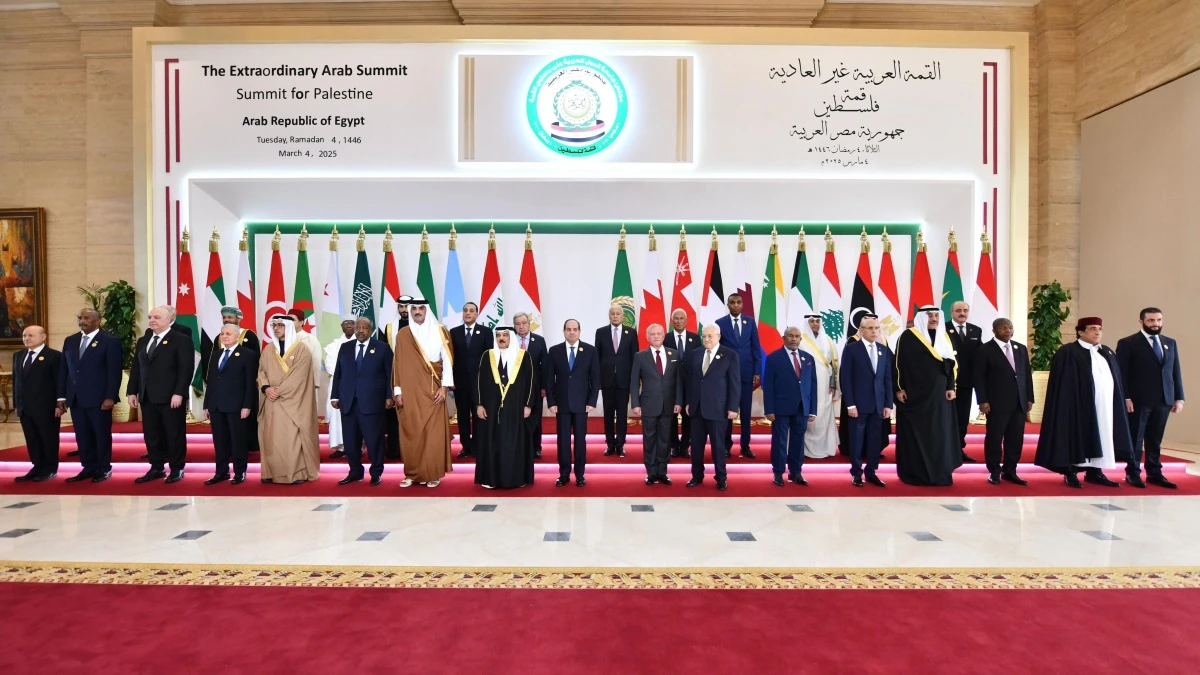
What is certain, however, is that a more immediate issue is now at play—the Egyptian-Arab plan for Gaza’s reconstruction, an initiative that is being framed as an alternative to Trump’s “Riviera” proposal to displace Gazans. The key question is whether Trump will accept it.
Egypt’s role in rebuilding Gaza
Egypt is at the center of this plan, given its direct border with Gaza, which makes it the primary stakeholder when it comes to both security and economic concerns. Arab countries are working with Cairo to push the initiative forward, aiming to secure international backing while preventing a scenario that would see another Nakba with Palestinians being forced out of their land.
Efforts are underway to organize a reconstruction conference that will include broad European participation, with plans to begin the first phase of rebuilding. According to Egyptian sources cited in Arab media, the approach is to reconstruct Gaza while keeping its residents in place.
The plan divides the territory into three humanitarian zones, each containing a large camp where displaced families will be provided basic necessities, including water and electricity.
To accommodate those who have lost their homes, thousands of prefabricated housing units, including caravans and upgraded tents, will be introduced in designated safe areas for a six-month period.
This will happen in parallel with debris removal, though the occupation state is currently blocking these efforts. Those backing the plan are working to ensure that the volume of aid trucks entering Gaza is restored to pre-war levels, with fuel and construction equipment included.
The scope of the reconstruction effort
The plan is expected to be funded through a combination of Arab and international sources, with around fifty multinational companies specializing in construction and urban planning involved. The goal is to build secure housing units within a year and a half across the three designated zones in Gaza.
One possibility under discussion is the creation of an Arab-led reconstruction fund, with suggestions that it could be named the “Trump Fund for Rebuilding Gaza.” Reuters has also reported that the plan includes a proposal to establish a buffer zone along the border between Gaza and Egypt to prevent the construction of tunnels, alongside the removal of rubble and the establishment of twenty temporary housing areas.
The Egyptian Engineers Syndicate has already announced its readiness to contribute to the effort, forming an advisory committee to develop a high-level technical strategy for reconstruction. The syndicate’s chairman, Tarek el-Nabrawy, emphasized that the initiative will be carried out in cooperation with the Arab Engineers Union and could take anywhere from three to five years to complete, depending on the level of international support.
Given the scale of destruction in Gaza, hundreds of companies, engineering firms, and alliances from Egypt, the Arab world, and beyond will be needed to execute the project.
The implementation of the plan follows a structured approach. The first priority is the removal of rubble, with some of the debris set to be recycled for construction purposes. This will be followed by the development of essential infrastructure, including water and sewage networks, electricity, desalination plants, and communication lines. Only once these foundational elements are in place will the urban planning phase begin, leading to the construction of homes, schools, healthcare facilities, and cultural centers.
The Palestinian Authority (PA) – favored by the US and Israel to replace Hamas in governing Gaza has also presented its own reconstruction plan. At a cabinet meeting in Ramallah on 18 February, Prime Minister Mohammad Mustafa outlined a two-phase approach.
The first phase, expected to last three years, carries an estimated cost of $20 billion and will focus on emergency interventions. The second phase, for which no timeframe has been set, will emphasize large-scale reconstruction and is projected to cost at least $33 billion dollars, based on UN assessments.
Behind the scenes: Cairo’s strategic calculations
Beyond the official announcements, additional details have emerged from sources speaking to The Cradle. These sources reveal that Egypt’s reconstruction plan involves multiple parallel tracks, with the first phase alone expected to take between three and five years.
This timeline was determined based on detailed maps provided to Cairo from various sources, which have guided planning efforts within the Egyptian armed forces’ Engineering Authority. Experts have been consulted to estimate the time and resources required for implementation, ensuring that the plan remains feasible.
Egypt has historically viewed Gaza as a security issue above all else. One retired Egyptian general describes it as a region that has been “rebellious” since the time of Muhammad Ali. Even when Egypt governed Gaza between the 1950s and 1967, relations between the Egyptian military and the local population were often fraught.
The administrative unit that once managed Gaza during this period still exists in Cairo’s Nasr City, operating under military intelligence, where it maintains a vast archive on Gaza and its inhabitants. Its employees remain on the government payroll, a sign that Egypt has always kept the possibility of reclaiming control over Gaza in mind, even after the Oslo Accords and the establishment of Palestinian self-rule.
Housing and infrastructure
In terms of execution, the plan prioritizes the deployment of prefabricated housing units in well-organized clusters that will allow Gaza’s social structure to remain intact. The war has severely disrupted extended families that traditionally live near one another, and the new housing arrangements aim to restore these connections.
Over time, these temporary homes will be replaced with more permanent structures, depending on what Israel allows to enter Gaza. Meanwhile, efforts will be made to replace damaged tents with higher-quality alternatives for those still living in emergency conditions.
As reconstruction advances, additional housing units will be introduced in areas where they can be accommodated. Egyptian authorities have already identified specific locations for rubble clearance, including sites in both northern and southern Gaza.
This stands in contrast to Israel’s preference for focusing rebuilding efforts in the south. Eventually, new residential buildings will be developed, forming self-sustaining urban blocks designed to meet basic living standards. The entire process, however, will be subject to Israeli approval, as no elements of the reconstruction will be permitted to have any military function.
The project remains in its early stages, particularly as discussions continue over where construction will take place. Coastal areas are being considered as an option, given their relative safety and viability for long-term habitation. However, reconstruction efforts for schools, universities, and other non-essential institutions are expected to proceed at a slower pace.
The final hurdle: Political survival
Egypt is actively engaging with both the PA and Hamas to address issues related to compensation, housing designs, and the resettlement of displaced families. The objective is to create new residential clusters that reflect the social and cultural fabric of Gaza, while ensuring that landowners are fairly compensated.
At present, the Rafah crossing continues to operate under wartime restrictions – with the PA reportedly having assumed control of the border in early February. Goods entering Gaza must first pass through Israel’s Kerem Shalom checkpoint for inspection, where many shipments face delays or outright rejection.
The number of aid trucks allowed into Gaza has been capped at six hundred per day, a slight increase from the pre-war level of five hundred. Israel has also blocked the entry of certain materials deemed to have potential military applications, including durable tents reinforced with metal rods.
For Egypt, this project is not just about rebuilding Gaza—it is a strategic move to maintain influence, secure Persian Gulf funding, and avoid being side-lined in a post-war political reshuffle. For Hamas, it is a test of its political resilience.
For Israel, it is an opportunity to reshape Gaza while keeping security tight. For Trump, it is a challenge to his own plans. The plan’s success depends on maintaining a fragile ceasefire and securing sustained international cooperation.
With occupation forces still present along the Salah al-Din corridor, tensions remain high. Any miscalculation—whether in Cairo, Ramallah, or Washington—could derail the entire initiative.
https://thecradle.co/articles/can-egypt ... inians-out
Israeli troops stole 'mountains of cash and gold' from Gaza, Lebanon, Syria
The 'Loot Unit' seized over 180,000 weapons, enough to establish a 'small army'
News Desk
FEB 28, 2025
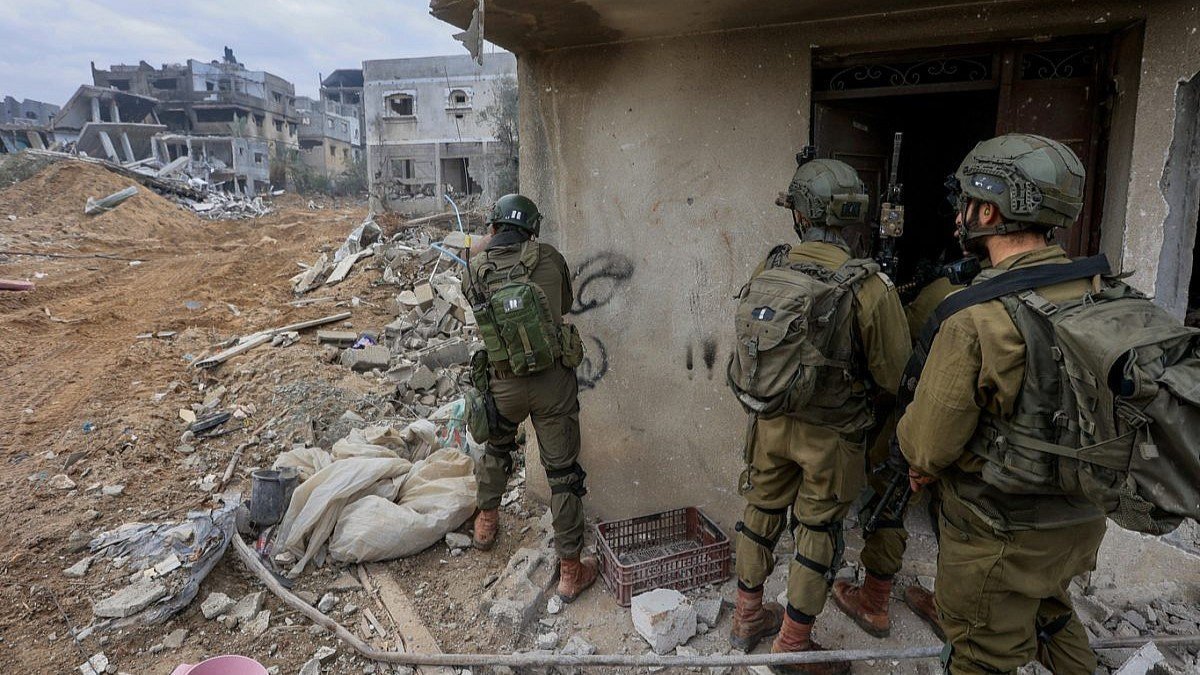
(Photo credit: Yonatan Sindel/Flash90)
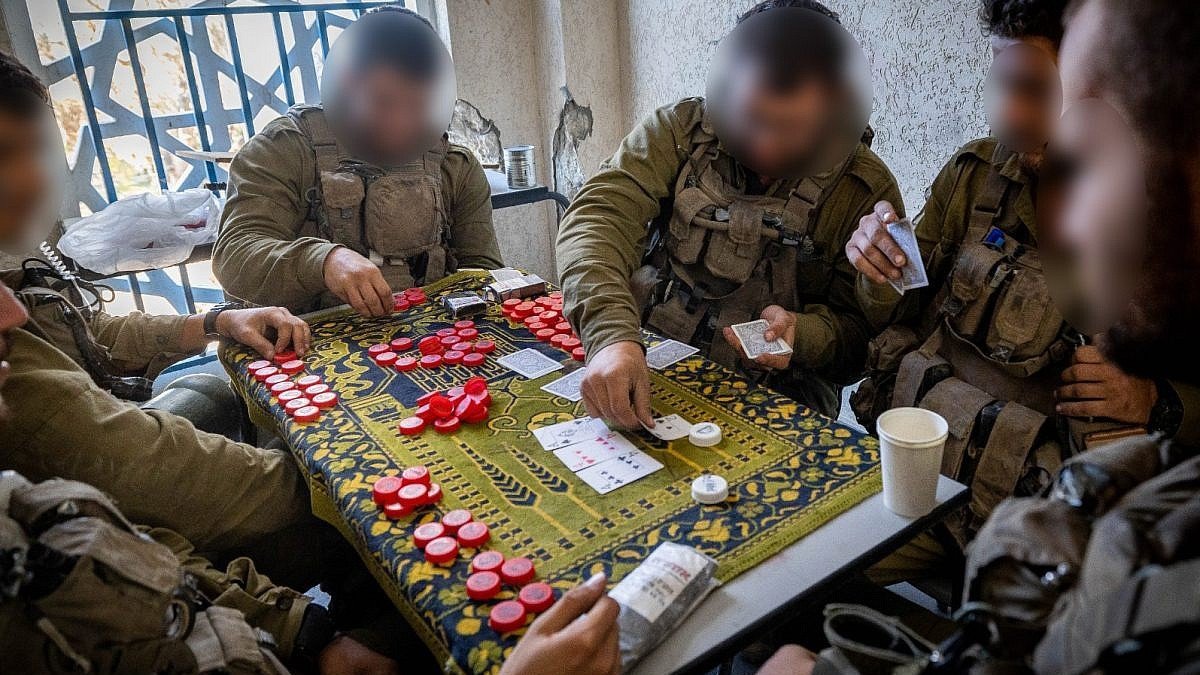
The Israeli military's “Loot Unit” has seized enough weaponry to establish “a small army,” as well as “mountains” of cash and gold since launching the wars in the Gaza Strip, southern Lebanon, and Syria, Ynet reported on 28 February.
“We don't like to just take in loot, keep it, and maintain it without making a profit from it,” admits Lt. Col. Sharon-Kotler. “I always ask what the value of this loot is?”
Soldiers from the loot unit stole “mountains of cash” in enemy territory. In one case, the loot unit seized NIS 4 million (around $1 million) from the private home of a Hamas brigade commander.
The stolen money is counted in bank machines that the military purchased for the looting unit, alongside scales for checking the value of gold bars and jewelry seized in Lebanon and Gaza.
The cash and gold are transferred in secured vehicles to the Ministry of Defense's main cash desk section in The Kirya in Tel Aviv. There, a recount is carried out and deposited in the Bank of Israel for confiscation.
So far, more than NIS 100 million (around $28 million) in cash from Gaza and Lebanon have been confiscated in this way, including various currencies such as shekels (NIS), dollars, euros, and those of Arab nations.
The special unit has also seized 180,000 items of weaponry, including a variety of anti-aircraft missiles, drones, advanced anti-tank missiles of all ranges, thousands of explosive charges, thousands of standard rifles, sniper rifles, military radios, compasses, binoculars, night vision devices, uniforms, shoes, dozens of vehicles, and even collector's treasures such as French rifles from the 1930s and rare, valuable pistols used by Hezbollah resistance fighters.
Kill All, Burn All, Loot All: Israel’s army following the same ‘Three Alls’ as the savage army of Imperial Japan?
An Israeli soldier gleefully ransacks a gift shop in Gaza after all the residents in the area were either forcibly displaced or killed. https://t.co/VqVda4juXx pic.twitter.com/bHOwaTaJwz
— Going Underground (@GUnderground_TV) December 9, 2023
The Israeli news outlet stated that Israeli commandos were sent on dozens of secret operations in southern Lebanon to locate and seize caches of weapons and ammunition intended to be used by Hezbollah's elite Radwan force for an invasion of the Galilee in northern Israel.
During the missions, the commandos familiarized themselves with the area and made preparations for the large-scale ground operation carried out by other Israeli army brigades that started in late September 2024.
One commando claimed he and others brought looted Hezbollah weapons back to Israel on foot to avoid detection.
“At first, we carried the missiles, weapons, and boxes of ammunition we found there to Israel on our backs at night, but pretty quickly, it was too much. It really broke our backs,” he stated.
Over 500 people, most of them in the reserves, serve in the loot unit under the Israeli military's central supply center in the Technology and Logistics Division (ATL), but in total, 2,400 soldiers assist in looting operations.
The looting of weapons is carried out for several purposes: First, to understand the enemy's weapons and gather intelligence for continued operations, and second, to store the weapons for future use, whether to sell or deliver them to another country or recycle them for the army's needs.
20 million shekels were already looted from Gaza and taken by the State of Israel. I wonder how much more was looted and went straight into soldiers' personal pockets. pic.twitter.com/w0PsnUnq0B
— B.M. (@ireallyhateyou) January 21, 2024
Another goal of capturing loot is to “use the enemy's weapons for deception,” Ynet wrote.
The Israeli military “turned the campaign into a war of tricks, with traps and temptations that it set against Hezbollah and Hamas, and in many cases also succeeded in trapping terrorists,” the news outlet claimed.
After the fall of former Syrian president Bashar al-Assad's government in December, Israeli soldiers entered Syrian territory and seized weapons and equipment from the disbanded Syrian army without encountering any resistance.
Soldiers collected thousands of weapons from the Syrian army, including several T-55 tanks, anti-tank missiles, large Schwaz charges, Kalashnikov rifles, and considerable amounts of ammunition.
“In general, it was very surreal for us, collecting loot from an enemy without fighting him at all, just going into his bases and loading it,” Lt. Col. Idan said.
Israeli troops boast about looting jewellery from Palestinian homes they bombed — killing, and then stealing from the dead | via @OnlinePalEng pic.twitter.com/PoWPCx6A3C
— Sarah Wilkinson (@swilkinsonbc) November 25, 2023
https://thecradle.co/articles/israeli-t ... anon-syria
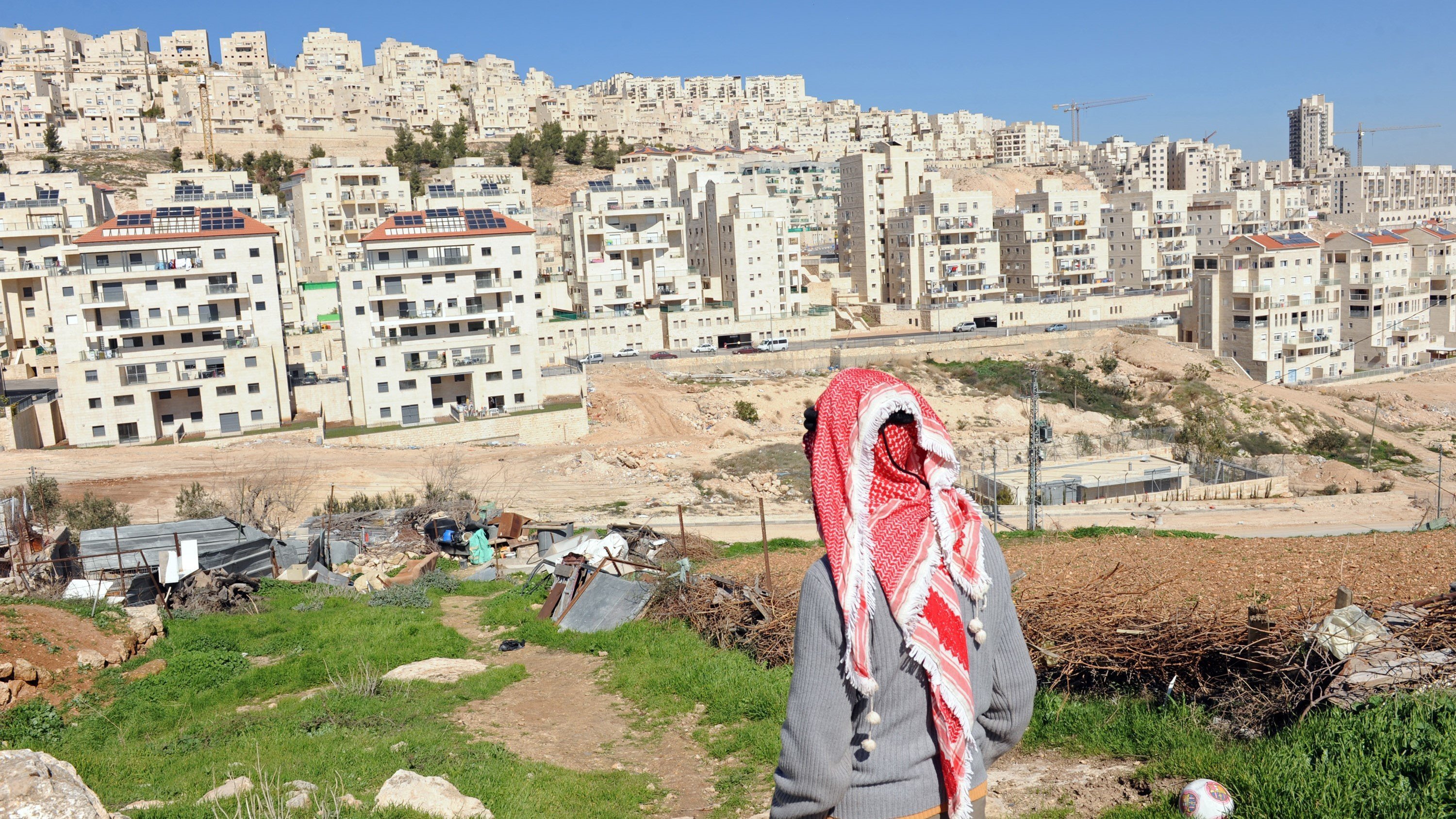
Knesset prepares 'Greater Jerusalem' mass settlement expansion plan
The bill is being pushed by a member of Netanyahu’s Likud party and aims to annex the territory of several settlements surrounding occupied Jerusalem
News Desk
FEB 28, 2025
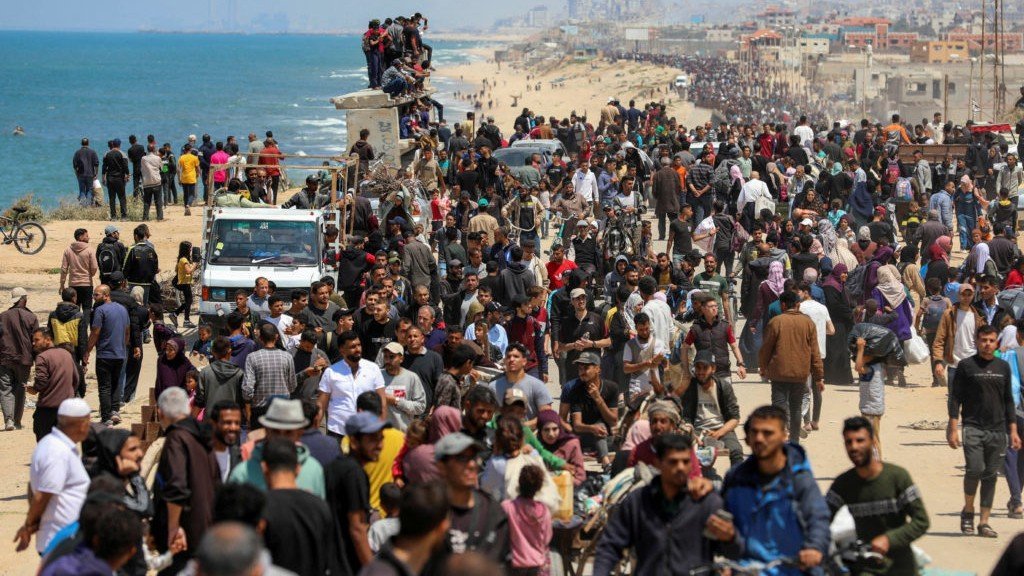
(Photo credit: UPI/Debbie Hill)
An Israeli ministerial committee is expected to approve a bill over the weekend that would legalize the annexation of illegal settlements around occupied East Jerusalem in an effort to establish a “Greater Jerusalem,” according to a report by Haaretz released on 28 February.
The bill, introduced by Likud MK Dan Illouz, aims to incorporate settlements such as Ma’ale Adumim, Beitar Illit, Givat Ze’ev, Efrat, and Ma’ale Mikhmas into a new administrative framework.
If approved by the committee, the bill will proceed to the Knesset for a preliminary reading and, if passed, will require three readings before becoming law.
Support for the bill is strong among both the government and some opposition factions.
Haaretz quoted the left-wing Israeli association Ir Amim, which warned that the bill could pave the way for additional annexation in the occupied West Bank and serve as a major obstacle to any future political solution. Illouz defended the measure, asserting that it is a necessary step toward full Israeli sovereignty over the occupied West Bank, comparing it to previous laws passed despite international pressure.
“The law, jurisdiction, and administration of [Israel] will apply to the territory of the Jerusalem Metropolitan Area,” the bill, called the Jerusalem Metropolitan Bill, reads.
Illouz told Times of Israel that the bill represents a “vital step” and “reflects a core principle: Israel must act based on what is right, not out of fear,” adding that “Our sovereignty over Jerusalem and the Land of Israel is historically, legally, and morally justified.”
In an interview with Haaretz, the MK said it was a “major step towards full sovereignty (annexation of the West Bank).”
The Israeli government has been rapidly expanding illegal settlements in the occupied West Bank. Earlier this month, Tel Aviv issued a tender for the construction of almost 1,000 settler homes in the territory.
Concerns have grown that US President Donald Trump is planning to support Israel’s ambitions to annex the entirety of West Bank territory – which was illegally captured by the Israeli army during the 1967 war.
https://thecradle.co/articles/knesset-p ... nsion-plan