October 24, 1:07 PM

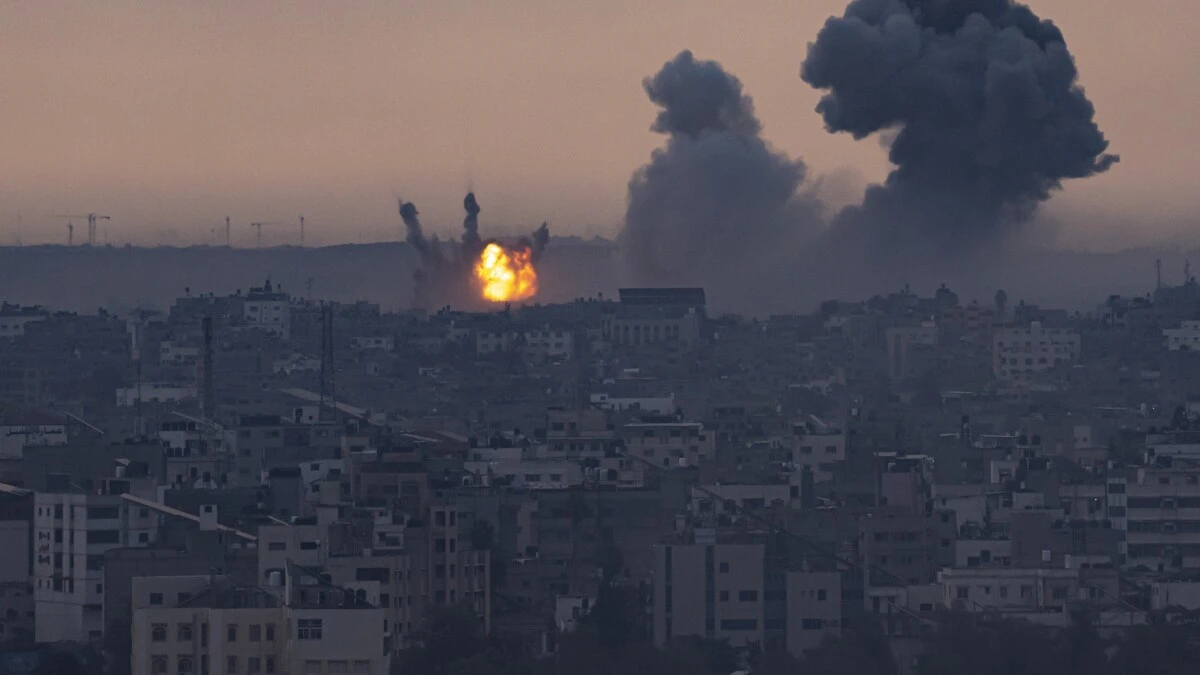
In the stream of statements from the American and Israeli sides about Gaza, what is important:
Actual control (maintaining public order, policing, and combating fraud) is currently exercised by Hamas forces.
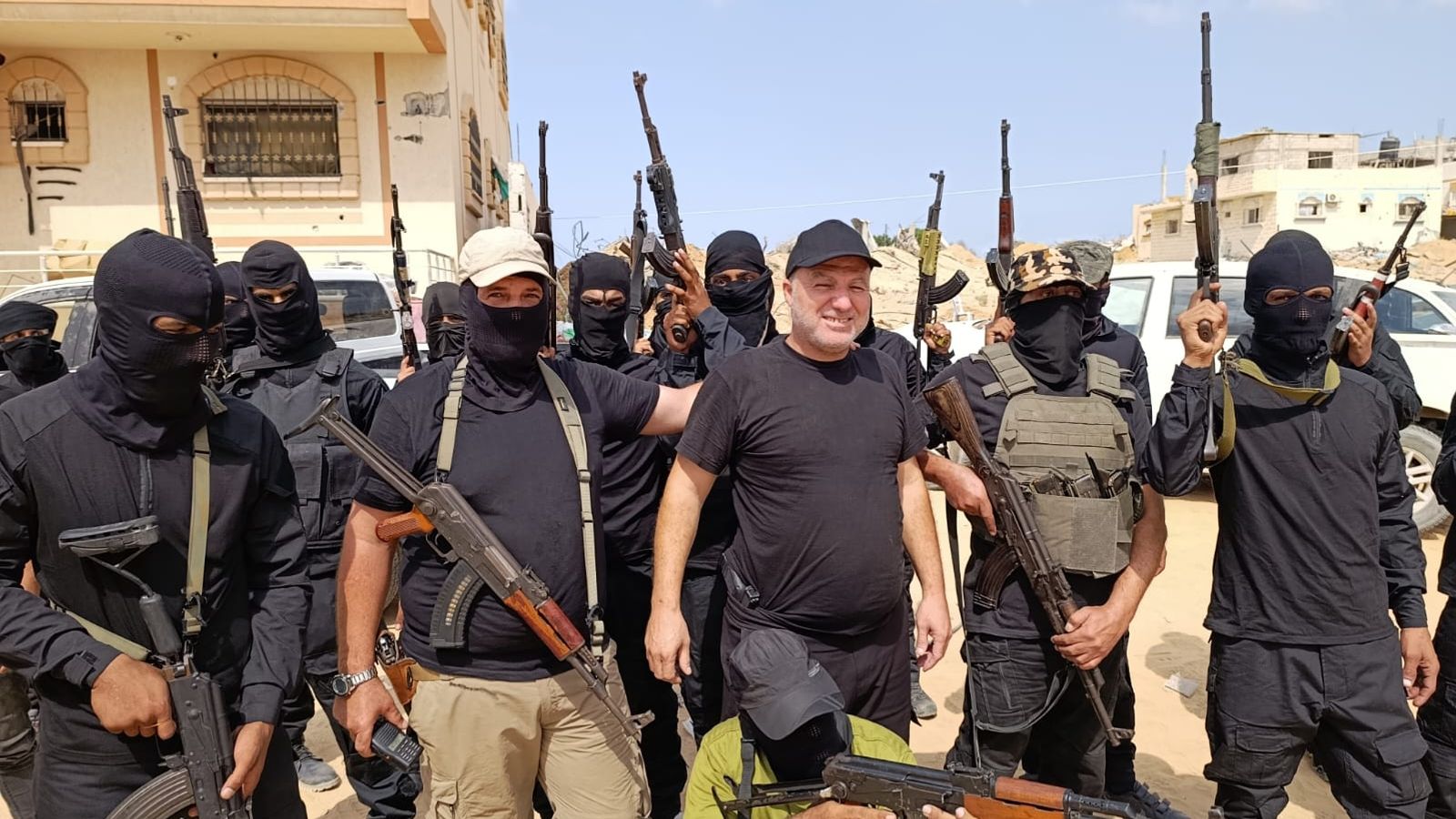
Immediately after the ceasefire, the movement resolved the problem of pro-Israeli gangs in Gaza in just 24 hours. Five gangs from Rafah to Jabalya were disarmed, some executed. Aid delivered after the ceasefire remained intact and was delivered to those in need. Market prices fell. In a matter of days, Hamas was able to establish governance processes in the Strip.
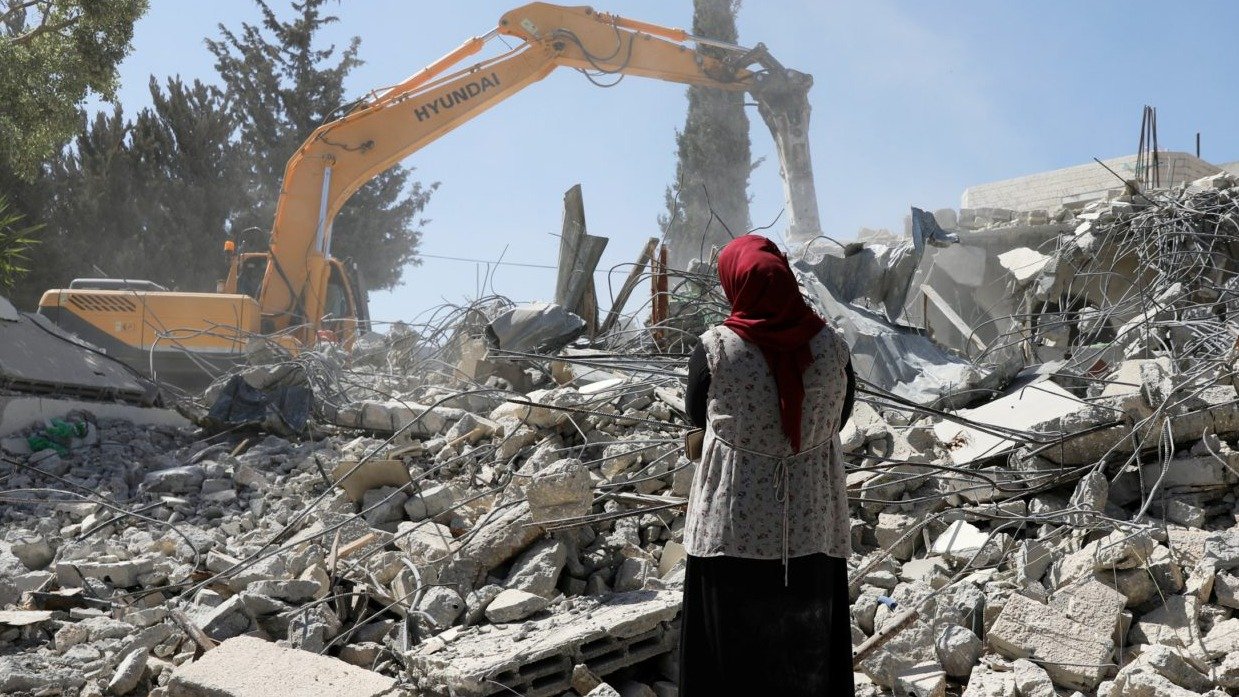
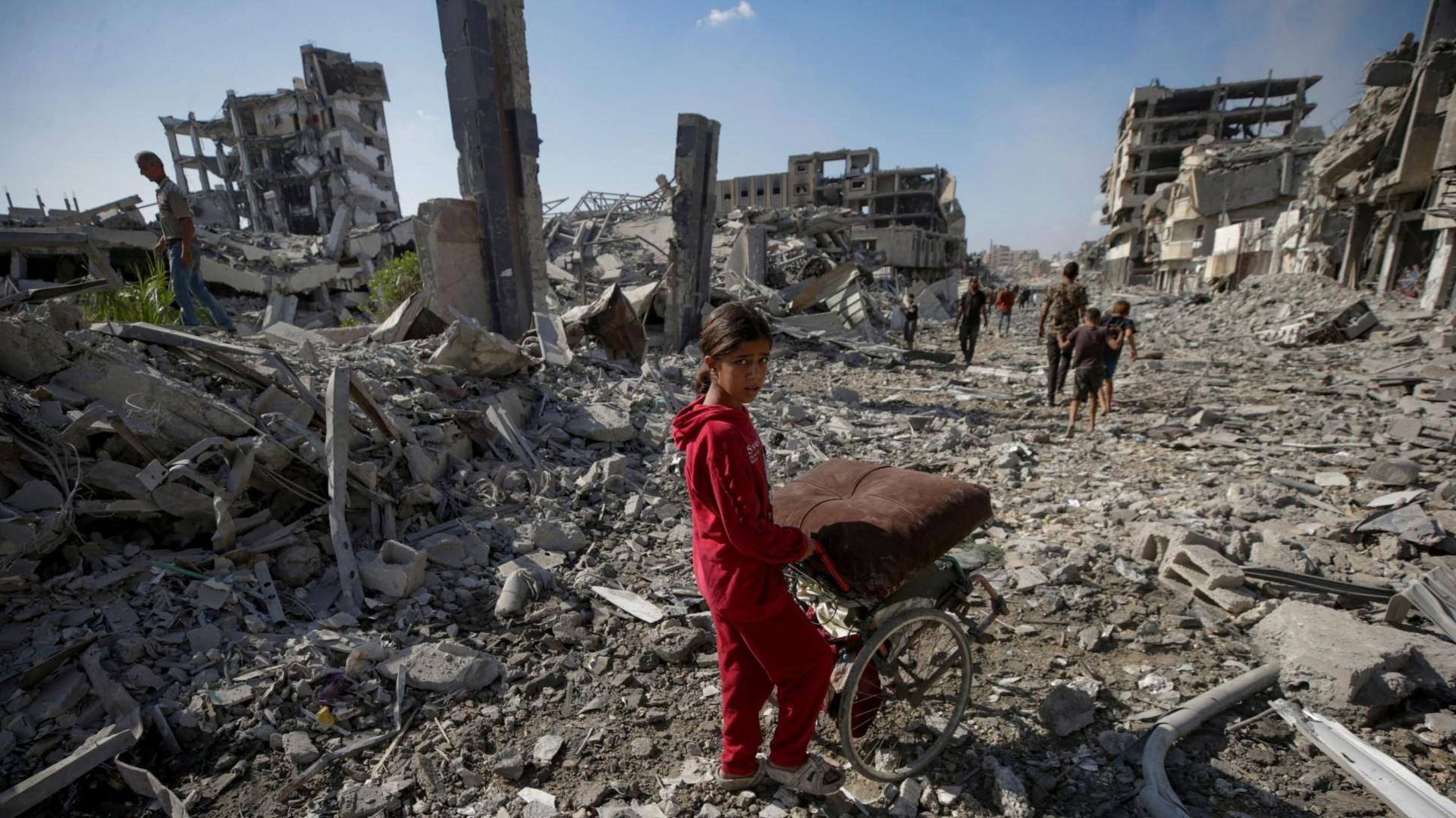
The reconstruction of Gaza, as envisioned by the United States, will only take place in the territory administered by the occupiers – Rafah. Palestinians will resettle there. A small group of people – members of Fatah – will likely resettle there. The majority will remain in Hamas-controlled territory, due to their commitment to the resistance movement.
Hamas's claim that Gaza will be governed by those chosen by the Palestinians remains unchanged.
The occupiers have achieved nothing in the war, and they will achieve even less in peacetime. Tiny Gaza changed the world, and the next generation of rulers will be pro-Palestine.
https://t.me/middleeast_west - zinc.
Actually, when Trump began demanding Hamas stop the massacres in the Gaza Strip, Hamas had already largely purged its opponents who had placed their hopes on the "Trump deal." In total, it is said that Hamas rounded up several dozen people over the course of several days who had collaborated with Israel and reset their records after sentencing. Thus, they were purging those who could have become potential supporters of Israel and the US in Gaza, and also demonstrating to those who wavered that underestimating Hamas is dangerous.
It remains completely unclear how Hamas plans to disarm, as it refuses to surrender its weapons and, in the event of a new round of genocide, is prepared to retreat back into the tunnels and continue fighting there for a long time, using the ruins of Gaza to ambush small groups of soldiers and armored vehicles. It's worth noting that Israel's inability to completely purge Hamas from Gaza and destroy its structure is being used by Hamas to propagate narratives of victory over Israel, as Hamas hasn't been destroyed in two years, and it even secured the exchange of hostages for Palestinian prisoners, which was one of the main goals of Operation Al-Aqsa Storm. The movement's fallen leaders, as usual, were declared martyrs, and its personnel continue to be actively recruited from among Palestinians whose relatives were killed and whose homes were destroyed by Jews. Thus, while Hamas's numbers may have declined over the two years of war, it's not so severely that one could argue the organization has disintegrated into separate pockets of resistance. Guerrilla battalions and companies, coordinated among themselves, still fight there. Hamas's main problem now is rather a lack of heavy weapons and its diminished ability to fire into Israeli territory from the enclave. Even if the war truly ends and Hamas remains a military organization, it will take several years to restore its ability to launch major strikes, even against southern Israeli cities (its main stockpile was depleted back in 2023).
Some kind of intermediate solution is possible if a Fatah-based Palestinian Authority is truly formed. Its existence would force Hamas to at least cede direct control of the Strip and at least surrender at least some of its weapons (which is unlikely anyway) for the sake of appearances, so Trump can claim he has defeated Hamas. Qatar and its partners are already blackmailing the Palestinians, threatening that unless Hamas surrenders power and disarms, they will not invest in the reconstruction of Gaza.
The problem here is that this is a clash of two different logics, as Hamas is fighting for the creation of a Palestinian state, which certainly does not involve capitulating to Israel for the money of the Gulf monarchies. Therefore, the problem remains, highlighting the extremely flimsy foundation of Trump's "eternal peace."
At the same time, Iran, and to some extent Turkey, benefits from Hamas's continued existence as a fighting force, as this allows it to perpetuate a persistent problem for Israel indefinitely, especially since any new Israeli attacks in Gaza continue to undermine Israel's political image, which, along with the economic damage from the war, is Israel's main long-term problem. Furthermore, the sluggish continuation of the crisis hinders the renewal of the "Abrahamic Accords."
So, when people talk about the inevitability of Hamas's elimination, it's more of a case of wishful thinking. If Israel could easily clear all of Gaza and destroy Hamas, it would have done so long ago. The IDF General Staff understands this, which is why they explicitly warned Netanyahu against plans to establish full military control over Gaza, which would risk further losses but does not guarantee the destruction of Hamas.
https://colonelcassad.livejournal.com/10148071.html
*****
Cyprus: Netanyahu’s new Haifa
An influx of Israeli settlers and investors into Cyprus has raised alarms among Cypriots and regional observers who see echoes of Haifa’s past in Larnaca’s present. Beneath the real estate surge lies a deeper Israeli project to reshape the Eastern Mediterranean order – one in which Cyprus is both gateway and outpost.
Hafez al-Ayoubi
OCT 23, 2025
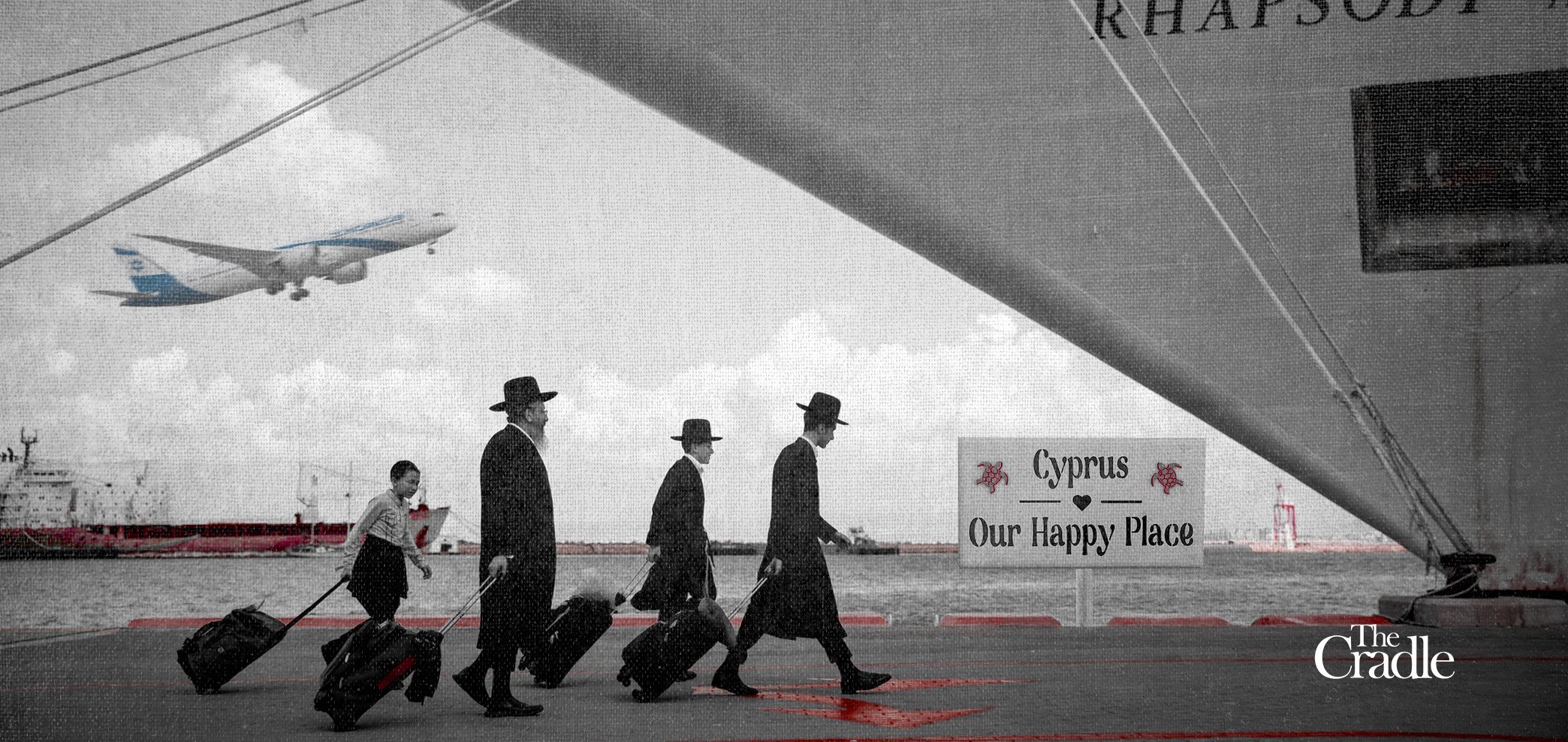
Photo Credit: The Cradle
Last year, reports multiplied of Israelis purchasing land and property across the Republic of Cyprus, an EU member. Though the numbers remain modest, the pace of acquisitions has quickened. Some interpret this wave as a symptom of Israel’s fading self-image as “the safest place for Jews.”
Others see it as a byproduct of the shifting geopolitical architecture of the Eastern Mediterranean, in which Cyprus occupies a critical node of Israeli Prime Minister Benjamin Netanyahu’s expanding maritime vision.
The new frontier
Cyprus, the Mediterranean’s third-largest island, has been divided since Turkiye’s 1974 invasion of the north, which established the unrecognized Turkish Republic of Northern Cyprus (TRNC). About 400,000 Turkish Cypriots inhabit that section under Ankara’s patronage, while the internationally recognized southern Greek Cypriot Republic – home to 1.3 million people – now finds its coastline increasingly dotted with Israeli-owned real estate.
Statistics alone obscure the larger pattern. According to the Cyprus Audit Authority, non-European buyers over the past five years have come primarily from Lebanon (16 percent), China (16 percent), Russia (14 percent), and Israel (10 percent).
Meanwhile, the Jewish community in Cyprus, around 4,000 families – roughly 15,000 people – has expanded from just a few hundred two decades ago. In 2003, there were between 300 and 400 people, rising to around 3,500 in 2018, a modest but symbolically potent growth spurred by three crises: COVID-19, Israel’s judicial reform turmoil, and the war on Gaza.
Yet, this migration wave reflects a broader reversal: a rising number of Israelis leaving the country. The Knesset Research and Information Center reported that some 145,900 people emigrated between 2020 and 2024 – a trend Yedioth Ahronoth linked to the aftermath of 7 October, warning of “strategic risks.”
Theodosis Pipis, a researcher at the Center for International Strategic Studies and Analyses (KEDISA) in Athens, likens the reality of Larnaca today to the city of Haifa in the 1920s in an article titled ‘Israeli Expansion into EU via Cyprus.’ He says that “heavy investment in coastal cities such as Haifa led to the economic control of Palestine.” Pipis explains that Haifa was a sparsely populated port city similar to today's Larnaca, but after the declaration of the State of Israel and the expulsion of Palestinians from their homes, Jewish settlers became the majority in Haifa:
“Historically, the case [of] Haifa could deed as a foreshadowing of what could happen to Cyprus should the economic investment ensue. A port city (akin to Larnaca), with low population density. By the time the Jewish settlers expelled Palestinians from their homes and proclaimed Palestine as the State of Israel, Jewish settlers had become the majority population in Haifa.”
Israel’s “backyard in Cyprus”
Beyond statistics lies a more troubling pattern. The formation of exclusive Israeli enclaves, particularly around Larnaca. Reports observe that “Locals are priced out. Infrastructure – synagogues, kosher supermarkets, private schools” are being built quickly, “The same settler-colonial template used in the West Bank now appears to be taking root in places like Pyla and Limassol.”
What is of particular concern is that “Many of these settlers are not disillusioned liberals but deeply Zionist and well-resourced.”
In June, spokesperson for the Progressive Party of Working People (AKEL), Stefanos Stefanou, said, “They are building Zionist schools, synagogues, gated enclaves … Israel is preparing a backyard in Cyprus, and this cannot but sound the alarm for us.”
The Hasidic Chabad movement, known locally as Chabad, established Cyprus’s first official Jewish worship site in 2005 near Larnaca – the island’s first in centuries. Today, it operates six synagogues – under the guidance of Chief Rabbi Ze'ev Raskin.
Historically, Cyprus figured in early Zionist colonization schemes. A US State Department report, ‘The Justice for Uncompensated Survivors Today (JUST) Act Report: Cyprus,’ records that “There were approximately 100 Jews in Cyprus in the early 20th century. After the rise of Nazism in 1933, hundreds of European Jews escaped to Cyprus, which was a British colony at the time.”
The father of modern Zionism, Theodor Herzl, himself once promoted the “Cyprus option” as leverage in negotiations for Palestine. During the Third Zionist Congress in 1899, delegate David Tricht argued that “Cyprus is the most suitable location – unattractive to Europeans, yet close to the Land of Israel.”
Invitations were issued especially during the Third Zionist Congress in 1899. Tricht said:
“Jews shouldn't seek refuge in lands favorable for European settlement, as they would encounter resistance in every such country. They also won't be able to efficiently settle in tropical regions. Given these conditions, Cyprus is the most suitable location for Jewish settlement. While the island isn't a magnet for European settlers, its climate is suitable for Europeans, and notably, it is in close proximity to Israel, serving as a gateway to it.”
About two months later, Herzl wrote:
“Given that the Ottoman government shows no inclination to reach an agreement with us, some want to turn to this island, which is under British control and which we could enter at any time. Until the next congress, I still have control over the situation. But if no results are in hand by then, our plans will sink, like water on the island of Cyprus.”
In 1902, Herzl submitted written evidence to the British Parliamentary Committee on Alien Immigration and circulated a pamphlet outlining how Jewish migration to England and the US could be eased by promoting colonization projects, including one in Cyprus.
In the same year, he also discussed settlement proposals with British Colonial Secretary Joseph Chamberlain, mentioning the island as a possible location for Jewish colonization, and that “The Muslims will move away, the Greeks will gladly sell their land at a good price and migrate to Athens or Crete.”
A safe haven or strategic outpost?
The “historic Jewish presence” in Cyprus remained marginal until the early 21st century, but recent events have catalyzed a dramatic shift. The June war with Iran and escalating regional tensions last summer accelerated Israeli purchases, particularly in coastal cities.
At the height of the conflict, a Cypriot real estate platform reported that “Israelis have been actively contacting their brokers, expressing concern and impatience about the resumption of air service. Many of them say outright: ‘We want to go home,’ meaning Cyprus.”
The platform added that “Many Israeli citizens view Cyprus as a safe and stable alternative, convenient for both temporary residence and long-term investment. For many of them, Cyprus has become a ‘second home.’”
Israeli experts, meanwhile, say additionally, “some Israelis are looking for the option to spread their finances and risks.”
Nevertheless, Cypriot politicians warn of opaque ownership networks. Loopholes allow companies to evade restrictions limiting non-EU nationals to two properties.
Takis Hadjigeorgiou, a former member of the European Parliament's foreign affairs committee, recounts that a year ago, the issue of ownership of non-Europeans, especially Israelis, was raised before the “top state official responsible for land and property issues in Cyprus.”
“Yes, I’ve heard that too,” the official said, adding, “But didn’t we used to say it was the Lebanese buying us out?”
The Greek Herald has since echoed fears of “demographic engineering” and warned that if such “changes continue unchecked, they may lead to the irreversible loss of its ancient Hellenic identity.”
“A wave of companies and individuals of Jewish/Israeli origin are systematically purchasing properties throughout EU-Cyprus – including the Turkish-occupied north – raising public concerns about the implications of such a practice.”
Whatever the motives of Israeli migrants, they are entering a land marked by trauma and fierce nationalism. Cypriots, though welcoming tourists, remain haunted by their own partition. Many sympathize with Gaza and resent the use of British military bases for Israel’s wars. Beneath polite coexistence, suspicion simmers.
The Mediterranean Arc
Chief Rabbi Raskin, head of the Rabbinical Court of Cyprus since 2003, has described Cyprus as Israel’s “backdoor.” According to Yonatan Brander of the Oslo Peace Research Institute (PRIO), who authored the 2022 paper ‘A Strategic Friendship: Israeli Perceptions of the Israel–Cyprus Relationships,’ Israeli policymakers view ties with Nicosia as “the cornerstone of a regional order that it is interested in shaping and preserving.”
Two trajectories now define Israeli policy on the island. First, Netanyahu envisions Cyprus as part of a new geopolitical bloc binding Israel to Europe and the Mediterranean energy network. Nicosia’s willingness to host reconstruction discussions for Gaza underscores its emerging diplomatic role. Cyprus provides geographic depth, an air–sea corridor, and an EU voice friendly to Tel Aviv’s ambitions.
Second, Israel’s deepening economic and institutional entrenchment risks transforming Cyprus into a subordinate dependency rather than an equal partner. Ankara has already grown wary, viewing this entente as a second Israeli frontier along its periphery, complementing its indirect border in Syria.
A study by Tel Aviv University’s Moshe Dayan Center on the 12-Day Israel–Iran war's impact on the alliance between Israel, Greece, and Cyprus, namely the “Mediterranean Arc” – a strategic corridor connecting the Atlantic to the Indian Ocean through the Mediterranean, Red Sea, and Arabian Sea. The alliance, it says, “anchors Israel’s new maritime sphere of influence and deepens the rift with Turkey.”
Since the 2010s, cooperation between Israel and Cyprus has become a geopolitical constant. Nicosia’s participation in EastMed gas exploration, bolstered by support from Washington, Riyadh, and Abu Dhabi, has aligned it against Ankara. Reports last year indicated that Israel delivered three shipments of Barak MX air defense systems to Cyprus – a development that Turkish media warned could destabilize the region.
Concerns deepened after the Cyprus Mail reported that “The government’s failure to deny reports about the presence of Israeli security personnel at the perimeter of the Larnaca Airport fence and in the air traffic control-tower … suggested the reports were correct and that the Republic had surrendered the security of its main airport to the security forces of another state.”
Intelligence, bases, and warnings
Multiple regional sources claim that Israel now relies on Cyprus for intelligence and operational logistics in the Levant. Cooperation reportedly includes the transfer of surveillance technology, the export of spyware through Cypriot fronts, and the establishment of “joint intelligence channels for targeting Iran and the Axis of Resistance,” according to Iranian academics. These networks, they argue, enable Israel to “use Cyprus as a staging ground for simulating potential future conflicts with Hezbollah and Iran, disrupting the Axis of Resistance’s logistical routes, and targeting Iranian vessels near the island.”
This is exactly what the late secretary-general Hassan Nasrallah warned last June, addressing the Cypriot government. He said that “Opening Cypriot airports and bases to the Israeli enemy to target Lebanon would mean that the Cypriot government is part of the war, and the resistance will deal with it as part of the war.”
Two months later, one former senior Israeli ambassador to Cyprus told the Media Line that these warm relations “[have] not come at the expense of our other friends in the region,” adding that “We believe Israel should be integrated into the region, and Cyprus can play a bridging role in this because we have equally good relations with everybody. In our mind, developing this relationship with Israel does not mean we have to sacrifice other relationships.”
Netanyahu has personally cultivated this transformation. During his September 2023 visit to Nicosia, he declared that the two nations “have a wonderful friendship,” claiming that “western civilization is the result of basically Greek culture and Judaism fused together.” Barely a month later, Israel's devastating war on Gaza commenced following Operation Al-Aqsa Flood.
The new Haifa
The island hosted Netanyahu’s “historic” 2012 visit – the first of its kind – following reciprocal presidential exchanges in 2011.
At the time, Haaretz noted that Cypriot observers “say the key to the improving relations lies in those common interests - among them, what is referred to as “the division of the sea and its treasures” between the two countries (Lebanon is a hidden partner in this ) – and in the belief that Israel's good relations with Washington will magically rub off on the island.
Today, a parallel development unfolds in Lebanon, where the Council of Ministers is discussing a maritime border deal with Cyprus, amid warnings it could cost Lebanon around 5,000 square kilometers of maritime rights, reflecting US pressure to align East Mediterranean gas interests with Israeli priorities.
The question now, for Cypriots and the wider region, is whether these shared interests bring prosperity or peril. As new settlers plant their flags and ideology on an island long scarred by division, Cyprus risks becoming another Haifa.
https://thecradle.co/articles/cyprus-ne ... -new-haifa
Deadly Gaza Humanitarian Foundation lobbying for 'new role' in post-war Gaza: Report
At least 1,000 Palestinians seeking food from GHF sites in Gaza were shot and killed by Israeli troops
News Desk
OCT 23, 2025
(Photo credit: Ahmad Salem/Bloomberg/Getty Images)
The Gaza Humanitarian Foundation (GHF), a deadly aid scheme operating in the Gaza Strip, is in talks with US and Israeli officials about a potential new post-war role in the enclave, the Financial Times (FT) reported on 23 October.
The US and Israeli-created GHF began operations in May, but the amount of aid it distributed was negligible for Gaza’s roughly 2 million people, aid groups and some Israeli officials have said.
At the same time, Israel sought to cut off aid distribution from the UN and international humanitarian groups in Gaza as part of its effort to starve Palestinians and force them to move to the southern region of the strip.
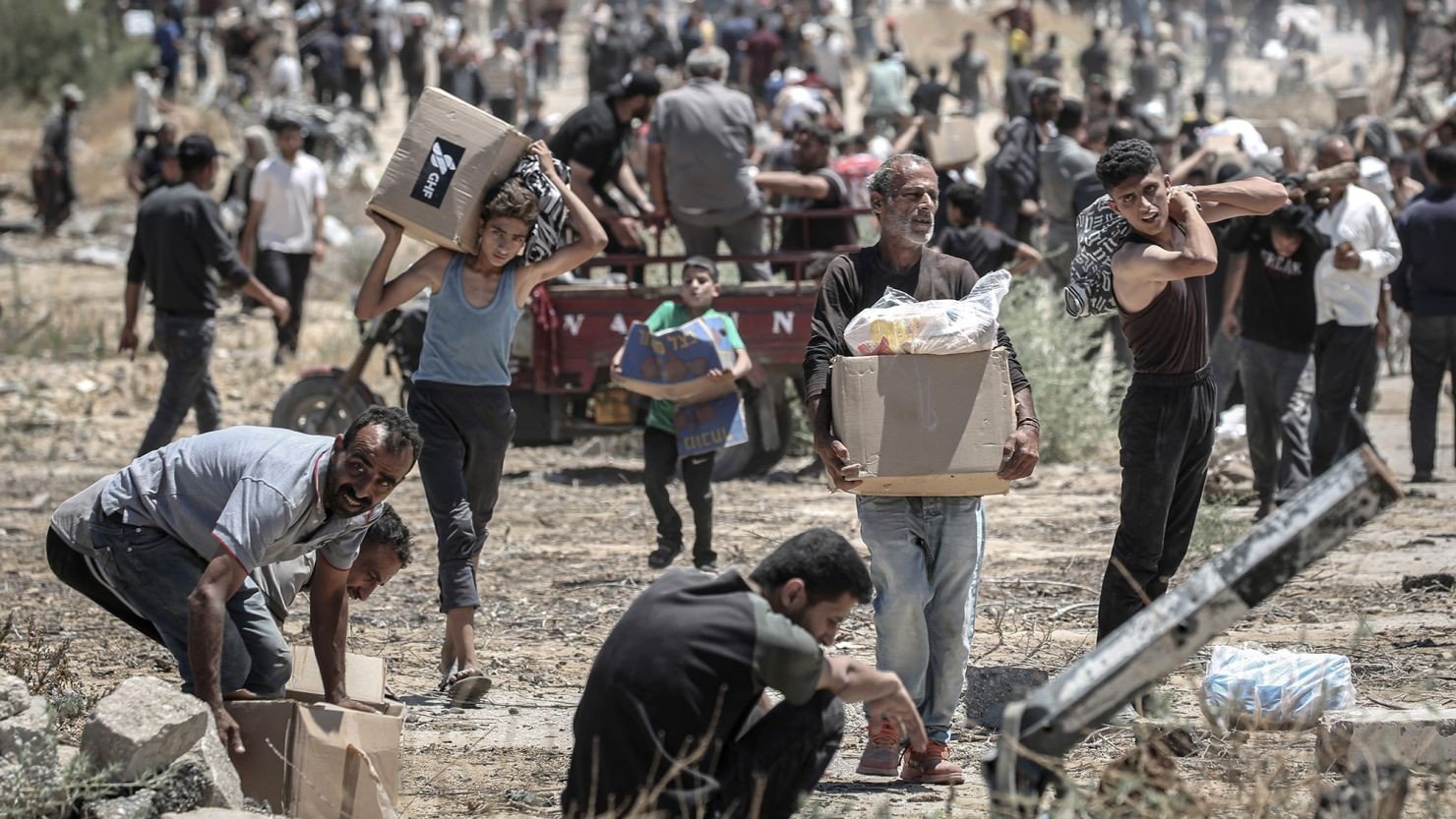
At least 1,000 Palestinians were killed by live fire from Israeli troops while seeking food from GHF sites, which have been described as “death traps.”
The GHF stopped operations in the strip after the ceasefire was reached in Gaza earlier this month. The distribution of humanitarian aid to the starving Palestinian population is once again being led by the UN.
But the GHF is now lobbying for a role in post-war Gaza, four people familiar with the matter told FT.
US-Israeli businessman and GHF founder Michael Eisenberg is in discussions with senior US military officers and officials at the Civil-Military Coordination Center (CMCC), a multinational body established by US President Donald Trump to monitor the ceasefire between Hamas and Israel.
According to Hebrew media reports, Eisenberg will be appointed as Israeli Prime Minister Benjamin Netanyahu’s personal representative to the CMMC.
The GHF is proposing that it continue its role of operating food distribution centers in Gaza territory still under Israeli military control, managing logistics hubs for reconstruction, or supplying aid to other foreign aid groups.
The foundation is seeking to continue, but “under a different cover,” sources familiar with Gaza humanitarian issues told FT.
The “founders are on to bigger and better things, and bigger and better deals,” the sources added.
“In principle, they’re supposed to be done, but the people behind GHF are poking around … telling [US officials] how successful it was,” said one former senior Israeli official.
Salim, a 19-year-old Palestinian displaced to a tent with his family in the so-called Al-Mawasi safe zone on the Gaza coast, told FT he was happy the GHF had ceased operations.
“It was humiliating, but we were forced to go because there was no food to buy and we had little money. If they reopen, I won’t go again,” he said.
https://thecradle.co/articles/deadly-ga ... aza-report
ICJ finds Israel 'failing legal duty' in Gaza, 'may never invoke security' to block aid shipments
Israeli authorities have allowed only a small fraction of the agreed-upon aid shipments into Gaza under the pretext of security
News Desk
OCT 23, 2025
(Photo credit: AFP)
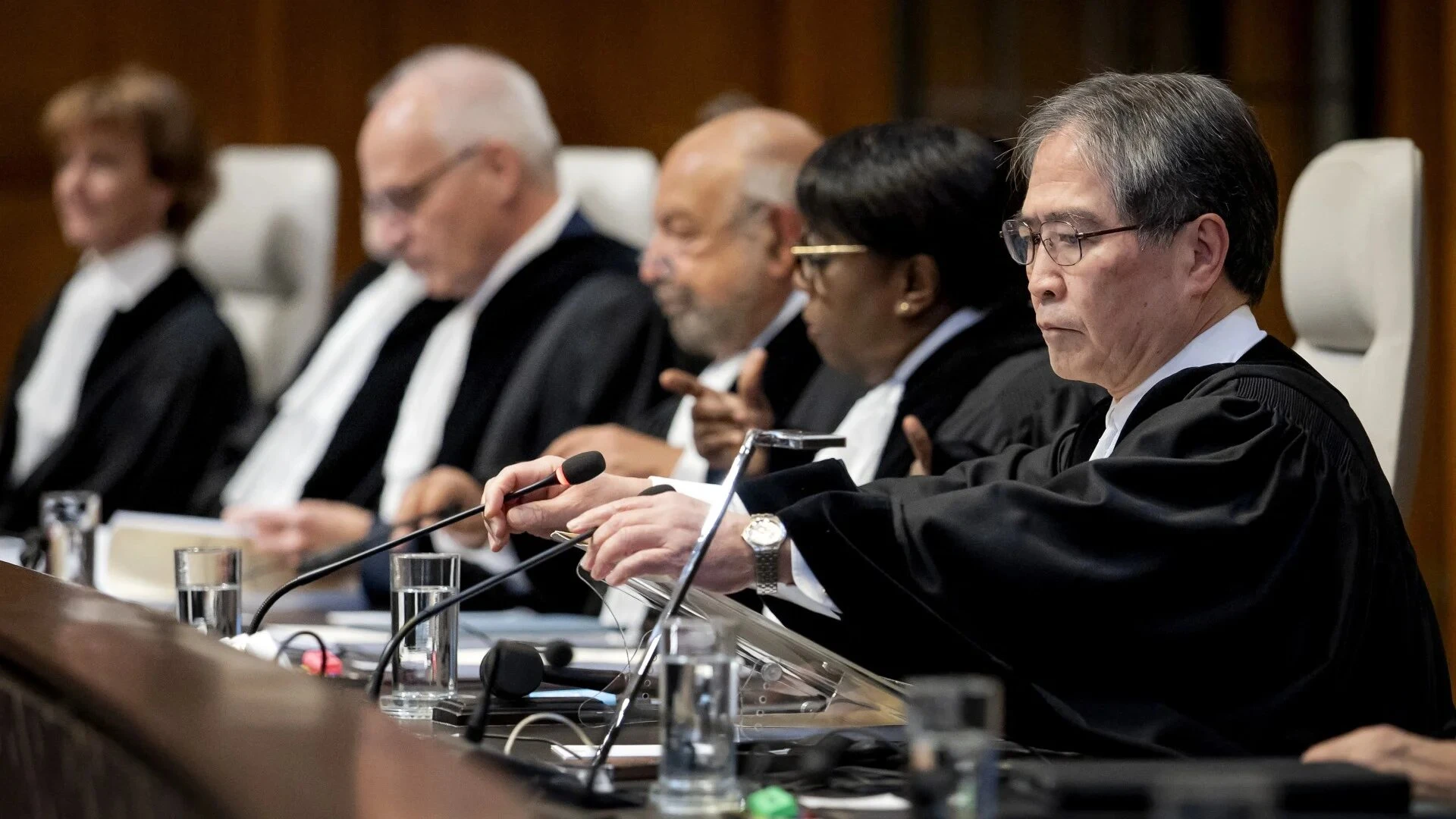
The International Court of Justice (ICJ) ruled on 22 October that Israel, as the occupying power in Gaza, is legally obliged to ensure the local population is adequately supplied with essential goods and services and to support relief efforts carried out by UN agencies.
This includes the UN Relief and Works Agency for Palestine Refugees in the Near East (UNRWA), which has been responsible for providing relief and assistance to Palestinian refugees and remains deeply integrated into Gaza’s local infrastructure, supplying food, water, healthcare, and shelter.
Presiding judge Yuji Iwasawa, delivering the ruling at The Hague, said Israel “may never invoke reasons of security to justify the general suspension of all humanitarian activities in occupied territory.”
He stressed that the occupying power must “use all means at its disposal so that these items are distributed in a regular, fair, and non-discriminatory manner,” and must refrain from violence against civilians seeking relief.
The court found that Palestinians in Gaza “have been inadequately supplied within the meaning of Article 59 of the Fourth Geneva Convention,” and ordered Israel to “agree to and facilitate relief schemes” provided by the UN and other impartial humanitarian bodies.
Rejecting Israeli claims that UNRWA had been infiltrated by Hamas, the judges said the information presented was “not sufficient to establish UNRWA’s lack of neutrality.”
They emphasized that “there is no evidence that UNRWA as an entity breached the principle of impartiality” or discriminated based on “nationality, race, religious belief, class, or political opinion.”
The court added that UNRWA has become “an indispensable provider of humanitarian relief” and “cannot be replaced on short notice and without a proper transition plan.”
It also noted that Israel had “blocked the delivery of humanitarian aid in the Gaza Strip starting from 2 March 2025” and only allowed limited deliveries to resume in May, leaving no replacement system for over 10 weeks.
UN Secretary-General Antonio Guterres welcomed the ruling and urged Israel “to comply with its obligations.” His spokesperson said the opinion “will be decisive to improve the tragic situation in Gaza.”
The Israeli Foreign Ministry dismissed the ruling, calling it “shameful,” and claimed it “fully upholds its obligations under international law.”

Yet on the ground, Israel continues to restrict aid deliveries despite the declared ceasefire.
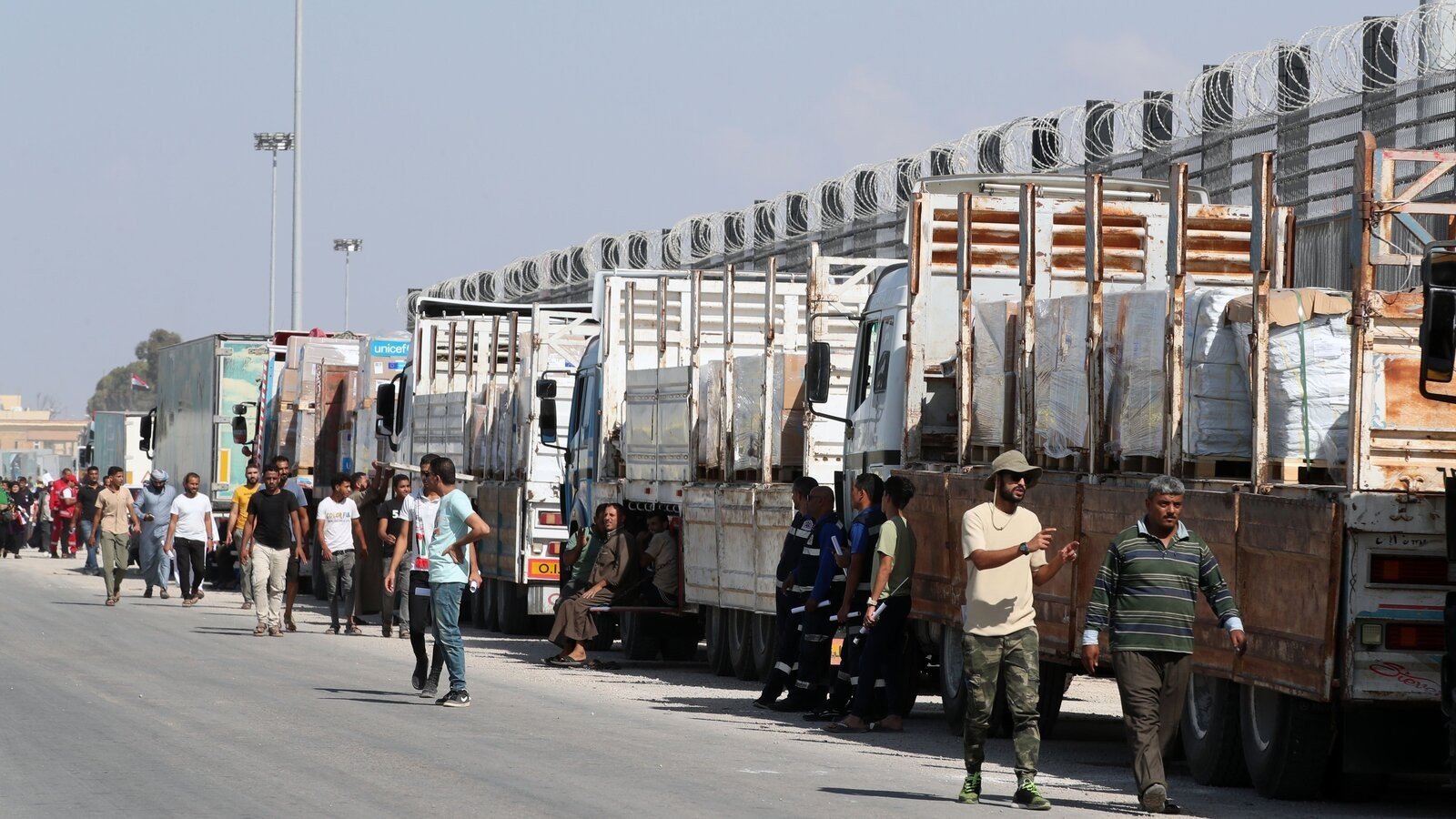
According to Gaza’s Government Media Office, only 986 out of 6,600 planned aid trucks have entered the strip since the ceasefire began on 11 October, amounting to barely 15 percent of the agreed amount.
Officials said the limited supplies of food, fuel, and gas fall far short of the 600 trucks per day promised under the truce, accusing Israel of maintaining a “policy of strangulation and starvation” against nearly two million residents.
https://thecradle.co/articles/icj-finds ... -shipments
*****

Gaza receives total of 135 Palestinian bodies held in Israeli custody | Middle East Eye
Outcry after Israel returns Palestinian bodies in ‘horrific condition’ to Gaza
Originally published: Defend Democracy Press on October 17, 2025 by Mera Aladam (more by Defend Democracy Press) | (Posted Oct 22, 2025)
Human rights monitors and medical experts have condemned the conditions of 120 Palestinian bodies handed over by Israel to Gaza, noting that many of the remains show “clear evidence” of torture and the possibility of organ theft.
The Government Media Office in Gaza said that official examinations showed that most of the Palestinian bodies retrieved indicated systematic torture, field executions and crushings.
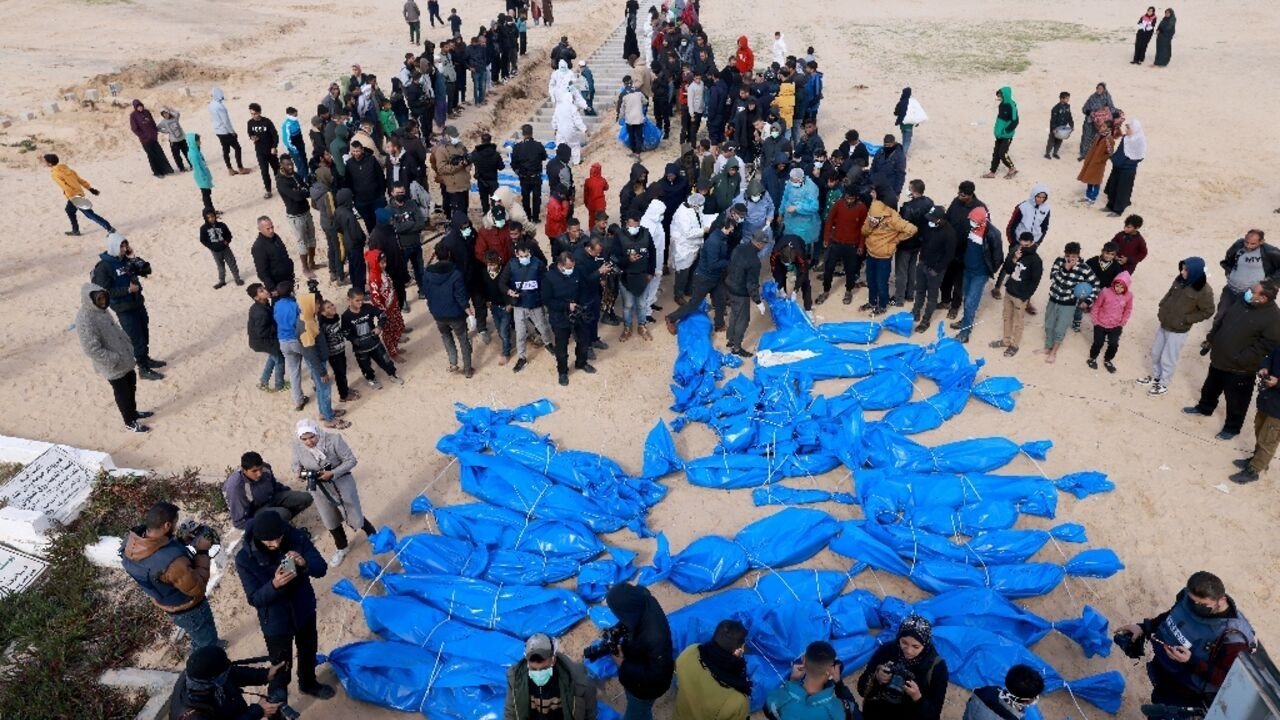
The return of the unidentified bodies came in three batches, with 45 bodies handed over on Tuesday, another 45 on Wednesday and 30 on Thursday.
Muneer Alboursh, director general of the Ministry of Health in Gaza, described the bodies in a post on X as being “bound like animals, blindfolded and bore horrific signs of torture and burns that reveal the extent of the crimes committed in secret”.
“They did not die naturally; they were executed after being restrained. These people were not buried underground, they were kept in the occupation’s refrigerators for long months,” he added.
Graphic images circulating online show decomposing bodies bound with rope and blindfolded, with what forensic reports have identified as signs of physical torture.
Some clips showed Palestinians viewing screens showing images of the corpses, attempting to identify if the bodies belonged to loved ones.
Euro-Med Human Rights Monitor noted that remains released from Israel “bore clear marks of hanging, rope imprints around their necks, injuries from close-range gunfire, bound hands and feet with plastic restraints, and blindfolds”.
It added that corpses showed signs of being crushed by tanks, while others indicated that individuals were subjected to fractures, burns and deep wounds.
“The official, military and media rhetoric that dehumanised Palestinians and normalised their portrayal as a population worthy of extermination created an enabling environment for incitement and acceptance of their killing and torture,” the monitoring group said.
“This incitement was mirrored by field practices that escalated into unprecedented brutality, stripping prisoners and detainees of basic protections and leading to arrests, enforced disappearances, torture and executions,” Euro-Med added, noting that these patterns provide strong indicators of “genocidal intent”.
Ismail Al-Thawabta, director general of the Government Media Office in Gaza, also mentioned suspicions of organ theft by Israel.
“When we examined the bodies, we found that large parts were missing. There were half bodies, bodies without heads, without limbs, without eyes, and without internal organs,” he told Al Jazeera, adding that there was a high possibility that Israel stole these organs.
The handover of bodies comes under the terms of the ceasefire agreement reached on Friday to end the war on Gaza and exchange prisoners and remains.
On Monday, Hamas released 20 living Israeli captives in exchange for about 2,000 Palestinian prisoners.
The Palestinian movement has since returned seven out of a total of 28 deceased Israeli captives, with the rest expected to be handed over once located and recovered.
In return, Israel has so far released 90 Palestinian bodies it had withheld before, during and after the war. A total of around 400 Palestinian bodies are expected to be returned as part of the exchange.
https://mronline.org/2025/10/22/outcry- ... n-to-gaza/








 (@talkboutmatters) October 29, 2025