The bill will require three readings in the Knesset before it can be passed into Israeli law
News Desk
NOV 3, 2025
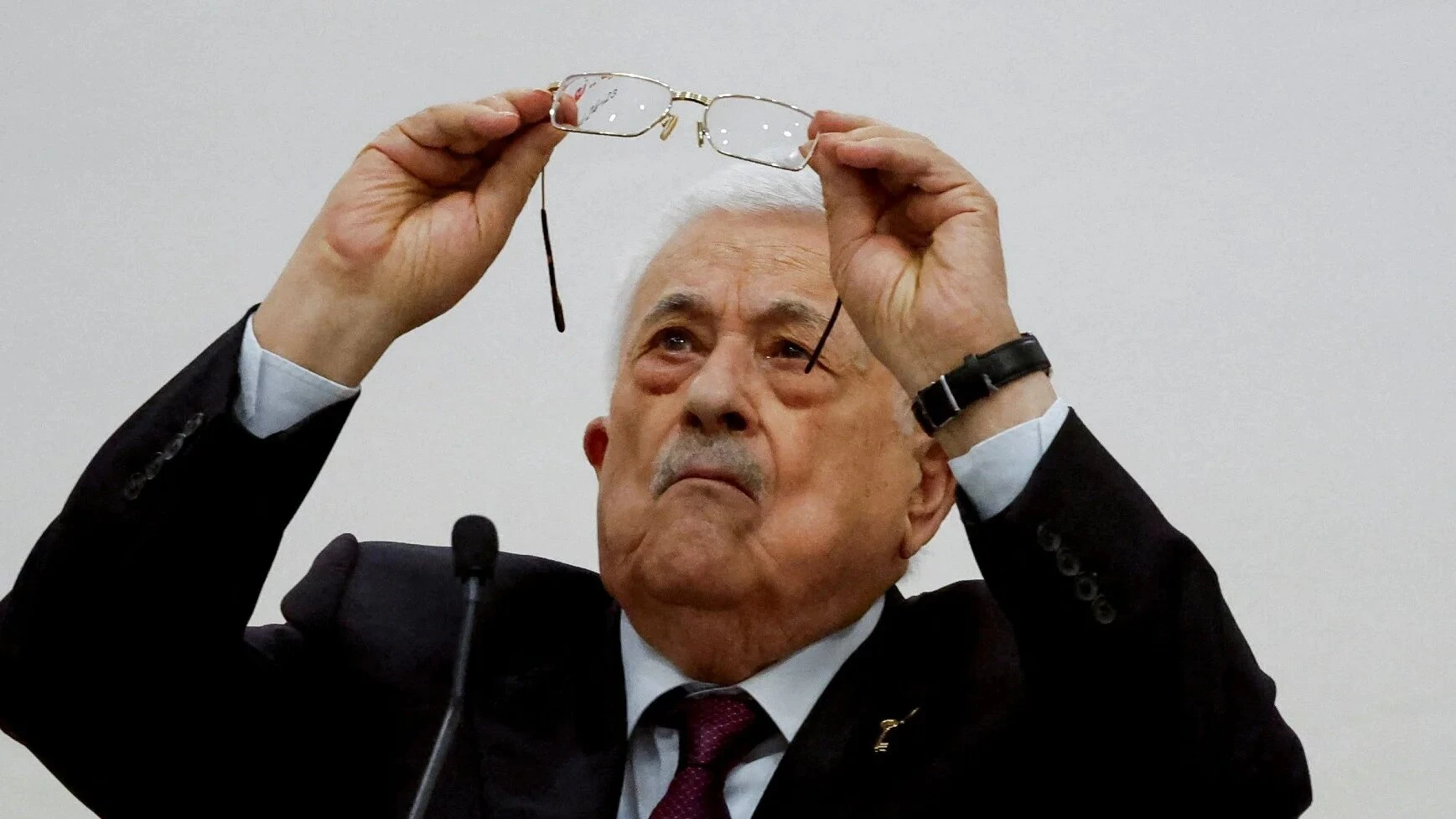
(Photo credit: AFP via Getty Images)
The National Security Committee in Israel’s Knesset is moving forward with a bill to impose the death penalty on Palestinians convicted of deadly attacks and operations that killed Israelis.
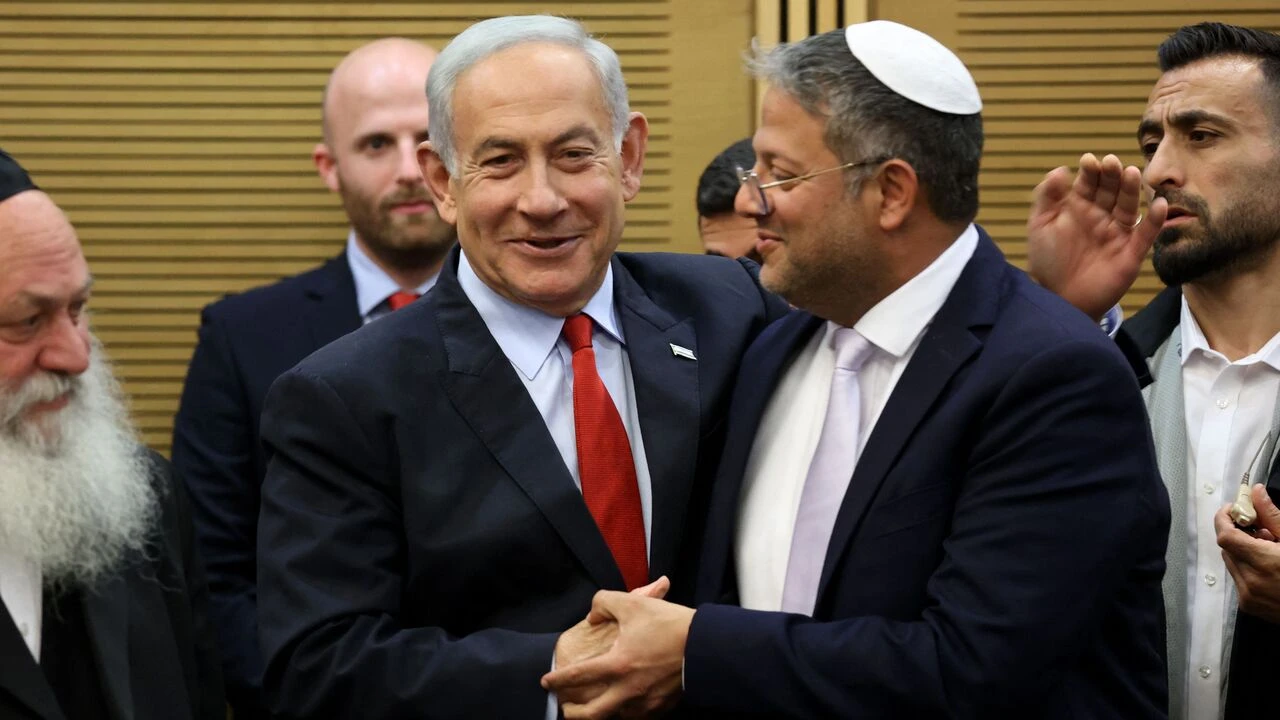
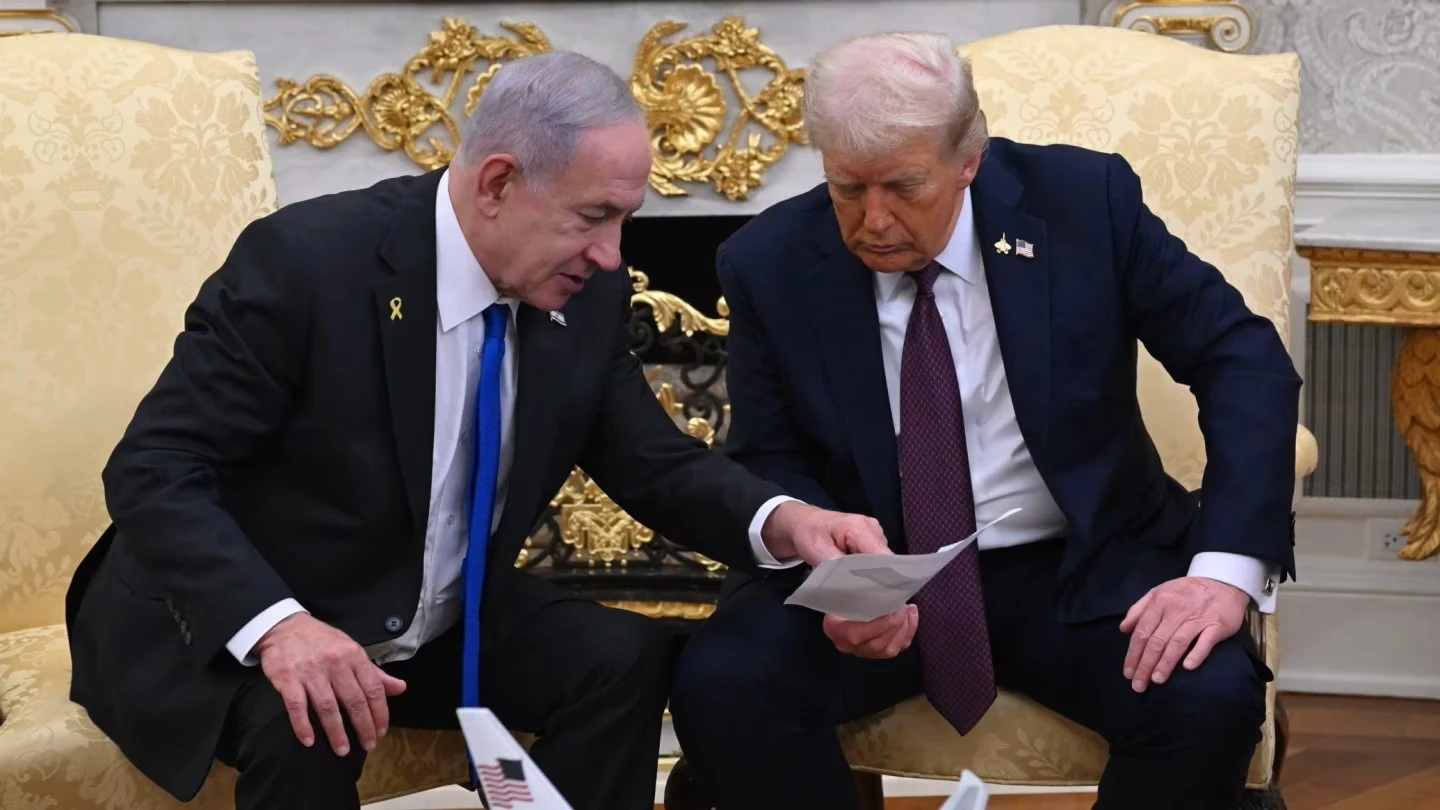
According to the Israeli government’s top official on captives’ affairs, Gal Hirsch, Prime Minister Benjamin Netanyahu supports the move.
Israel’s National Security Minister Itamar Ben Gvir, who has long called for the execution of Palestinian prisoners, thanked Netanyahu for supporting the bill in a post on social media.
“I thank the prime minister for his support for Otzma Yehudit’s bill for the death penalty for terrorists, but the court must not have any discretion – every terrorist who goes out to murder must know that the death penalty will be imposed on him. It’s time for justice!” Ben Gvir said.
Israeli media reports said the bill could have its first reading as soon as Wednesday.
“The extremist and terrorist Israeli government once again proves, through this decision, that it feeds off the blood and suffering of prisoners in its jails,” said the Palestinian Center for Prisoners' Defense. “The repercussions of this fascist step will be even more bloody and will drag the entire region into a new cycle of uncertainty whose consequences no one can predict.”
Lawmakers in the Knesset National Security Committee already voted 4-1 in favor of the bill on 28 September.
The bill – which does not apply to Israelis who kill Palestinians – requires another three votes in a full Knesset session before it is passed into law.
At the time of the vote, Ben Gvir came under fire within Israel for pushing the execution bill at a time when Israeli captives were still held in Gaza.
The National Security Minister threatened on 20 October to stop voting with the ruling coalition if the death penalty bill did not pass its first reading within three weeks.
Prior to the formation of Netanyahu’s ruling coalition, Ben Gvir had been demanding the death penalty for Palestinians and, at one point, even made the demand as a condition for his joining the government.
Since assuming the role of national security minister, Ben Gvir has tightened the already repressive measures against Palestinians in the Israeli prison system.
In August, Israeli forces used police dogs and tear gas during a series of repressive raids against women held in Damon Prison.
The assaults took place on 4, 8, 10, and 14 August, when detainees were handcuffed, forced from their cells in a manner described as humiliating, and then led to the prison yard with their heads pushed down.
https://thecradle.co/articles/netanyahu ... -prisoners
Israeli army's top lawyer arrested over leak of Sde Teiman rape video
Yifat Tomer-Yerushalmi resigned days earlier for her role in leaking a video of Israeli soldiers raping a Palestinian prisoner
News Desk
NOV 3, 2025
(Photo credit: Reuters)
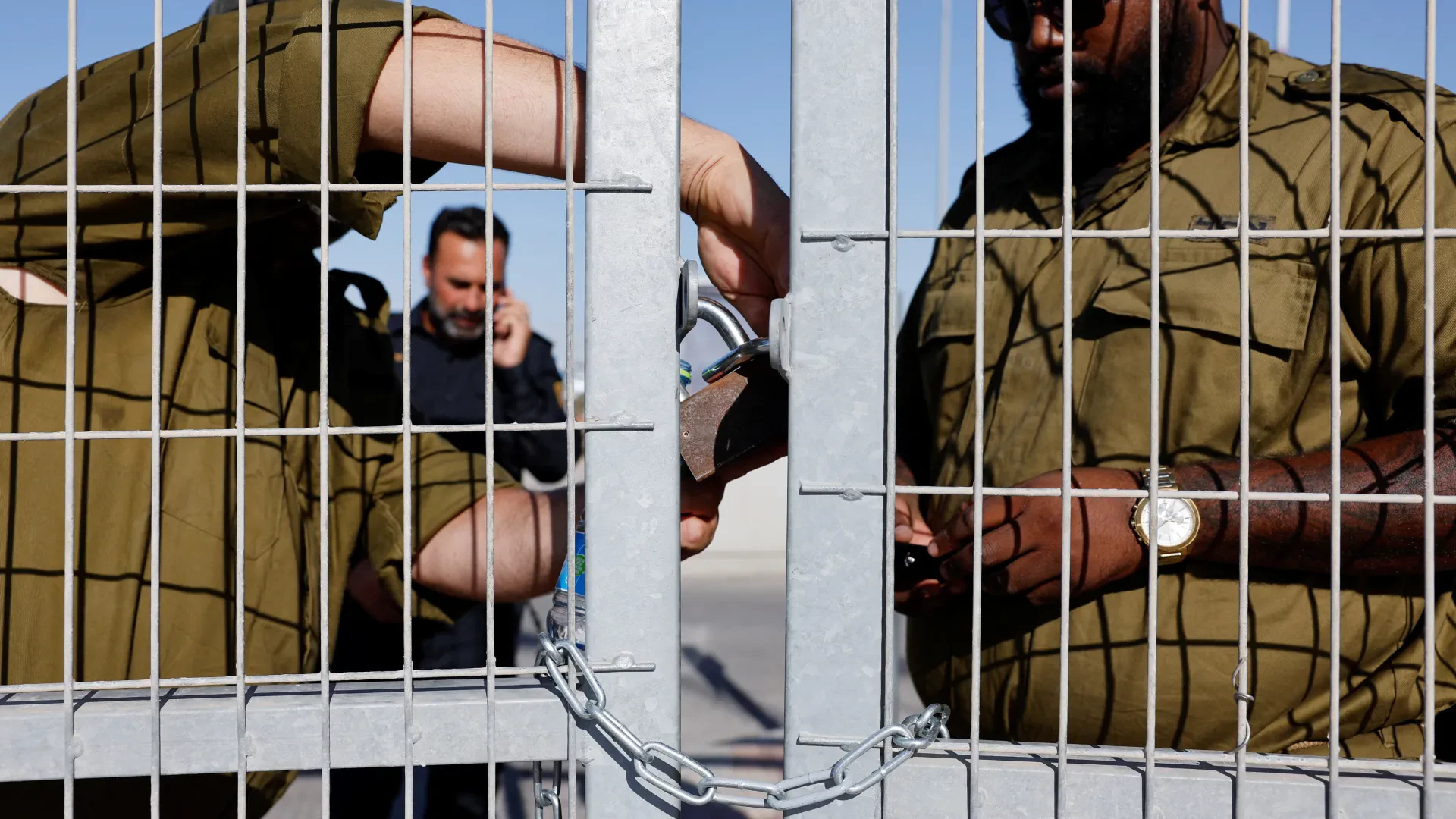
A former Israeli army legal chief and former military prosecutor have been detained over the leak of a video showing last year’s brutal rape of a Palestinian prisoner by soldiers at the Sde Teiman detention camp.
A court has ruled that the two remain detained until 5 November. It said there was reason to believe the two would attempt to “obstruct” the investigation into the leak.
Former Israeli military advocate general Yifat Tomer-Yerushalmi and former chief prosecutor Matan Solomosh were arrested on Sunday evening.
They are accused of leaking the video and other “serious criminal offenses,” including a cover-up of the leak with false reports, the court said.
Five suspects are being investigated, a police spokesperson told the court.
Days earlier, Tomer-Yerushalmi resigned from her position and admitted in a letter of resignation that she was responsible for the leak.
Tomer-Yerushalmi’s lawyer, Dori Klagsbald, insisted to the court that she was innocent of obstruction since police had already taken testimony from five suspects and two others involved in the probe.
“There is no reason to assume that someone who did not obstruct the investigation from the moment it began would have reason to obstruct it now,” the lawyer said.
Tomer-Yerushalmi went missing briefly over the weekend. Media reports said police were searching for her after losing contact.
According to Channel 12, she left a message for her family before disappearing, prompting them to contact authorities.
Israeli media is now reporting that police have said her disappearance may have been a staged suicide attempt.
The leaked video was broadcast by Channel 12 in August 2024.
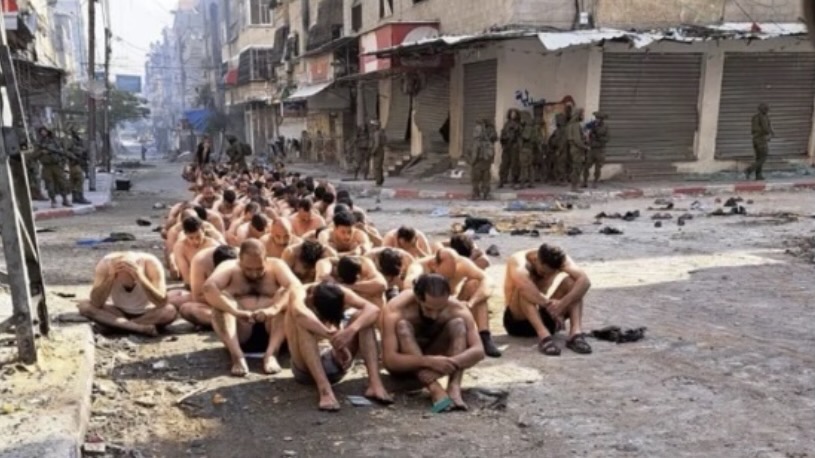
It showed an incident from July that year in which soldiers at the notorious Sde Teiman facility took aside a detainee who had been lying face down on the floor. The soldiers then surrounded him with riot shields to block visibility while they beat and rape him.
After the video was leaked, five reserve soldiers were briefly arrested for the abuse, prompting extremist illegal settlers to riot in their defense and storm the bases where they were being held.
According to the indictment filed against the soldiers, the detainee suffered severe injuries, including broken ribs and an internal tear in his rectum.
The high-profile investigation into the abuse caused outrage among coalition politicians, government ministers, and right-wing Jewish activists.
“Anyone who spreads blood libels against IDF soldiers is not worthy of wearing the IDF uniform,” Israeli Defense Minister Israel Katz said after Tomer-Yerushalmi’s resignation.
https://thecradle.co/articles/israeli-a ... rape-video
'Anyone who wears an IDF uniform is a Nazi.'
The myth of US peacemaking: Why Washington's mediation in West Asia keeps crumbling
The illusion of American neutrality in West Asia is unraveling as Washington's alliances and coercive diplomacy repeatedly sabotage peace across the region
Peiman Salehi
NOV 3, 2025
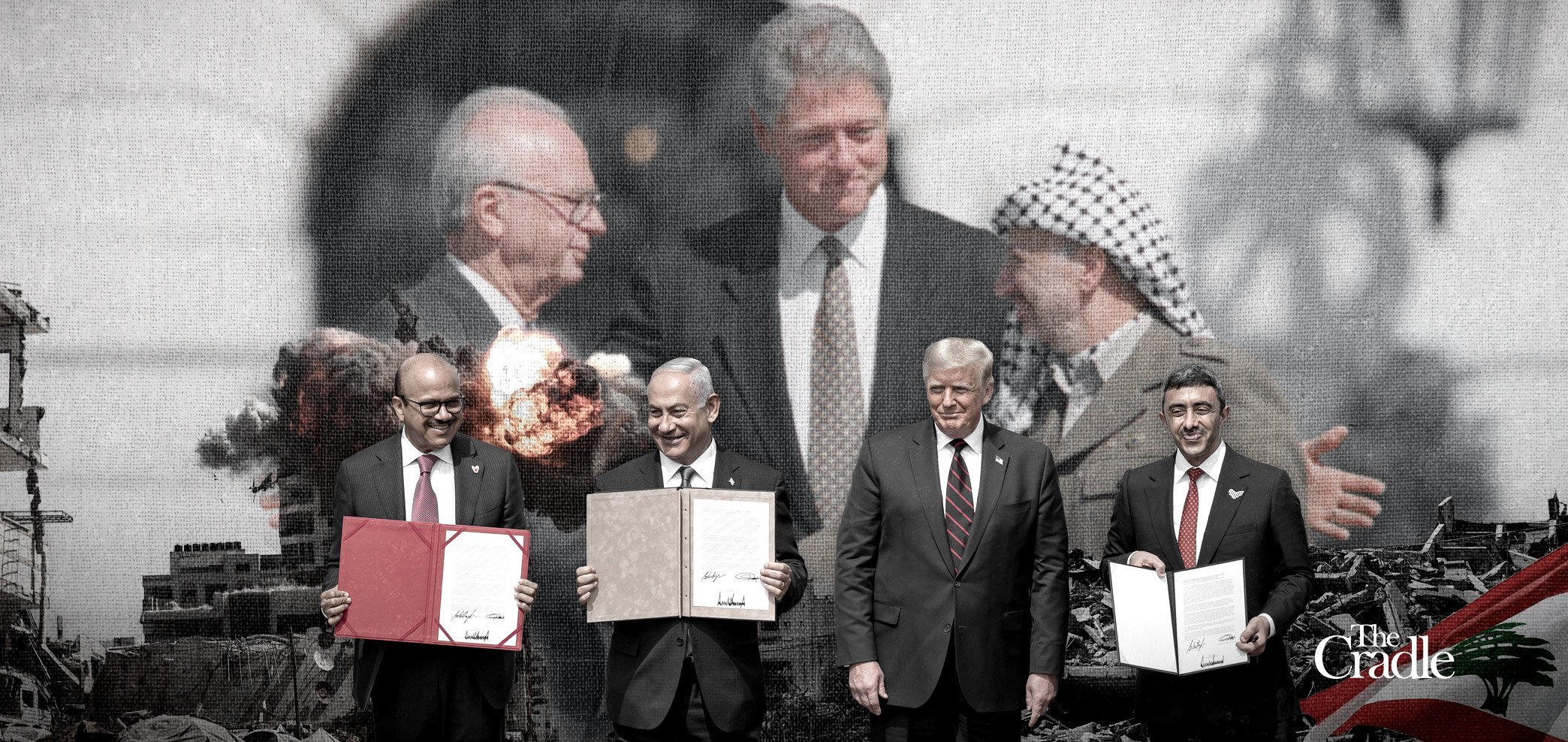
Photo Credit: The Cradle
The US has long styled itself as a guarantor of peace and stability in West Asia while systematically undermining both. From the Oslo Accords to the Abraham Accords, Washington's so-called peace initiatives have masked coercion as consensus.
These efforts consistently reinforce the regional status quo, prioritizing Israeli security over Palestinian sovereignty, and maintaining western hegemony over regional autonomy.
The collapse of another US-backed Gaza ceasefire, violated within days by renewed Israeli aggression, exposes the structural flaws in this diplomatic model. Rather than arbitrating peace, Washington serves as an enabler of conflict.
Its diplomacy rests on selective morality and strategic interest, not universal principles. The American insistence on brokering ceasefires while actively resupplying Tel Aviv’s military machinery makes a mockery of its so-called neutrality.
‘No legal basis under international law’
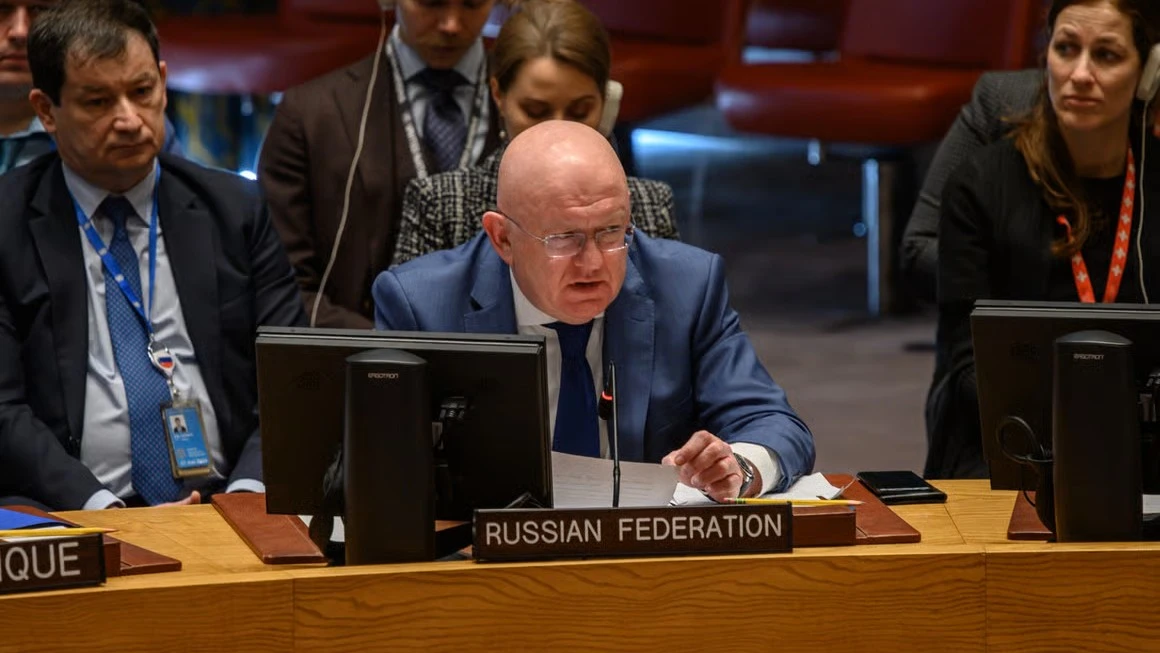
The recent joint letter by Iran, China, and Russia to the UN Secretary-General rejecting Washington's attempt to reactivate the expired “snapback” mechanism under Resolution 2231 further lays bare the fissures between western powers and global legitimacy.
The mechanism, part of the 2015 Joint Comprehensive Plan of Action (JCPOA) nuclear deal, formally expired on 18 October 2025. Yet, the US and its European partners are now attempting to revive sanctions via a legal instrument widely considered void.
Tehran’s rejection of the move, supported by Moscow and Beijing, signals a collective refusal to let Washington unilaterally interpret international law. Chinese Foreign Ministry spokesperson Lin Jian affirmed in August that “China reaffirms its commitment to the peaceful resolution of Iran's nuclear issue and opposes the invocation of the UN Security Council's ‘snapback’ mechanism.”
His words echoed a broader conviction across the Global South that legitimacy can no longer be dictated by Washington’s will. Fifteen years ago, Beijing and Moscow joined western powers in imposing sanctions on Iran; today, they stand beside Tehran in open defiance of that same framework.
The world’s center of gravity is shifting from a unipolar order managed by Washington to a multipolar one defined by resistance to its dominance.
Economic multipolarity and the end of American centrality
Nowhere is the erosion of US dominance more visible than in East and Southeast Asia. The Association of Southeast Asian Nations (ASEAN), once conceived as a Cold War neutral bloc, has evolved into a robust, self-sustaining economic engine. As reported by the Japan News in March 2024, ASEAN's combined GDP now rivals that of Japan.
Following Washington's 2017 withdrawal from the Trans-Pacific Partnership (TPP), the region coalesced around the China-led Regional Comprehensive Economic Partnership (RCEP). Even traditional US allies have joined. As Professor Amitav Acharya argues in ‘The End of American World Order,’ what is emerging is not anti-western, but post-western – a world in which regions increasingly manage their own affairs. Trump's recent visit to East Asia highlighted Washington's growing irrelevance in a region it once dominated.
Yet Washington continues to operate as though the post–Cold War era never ended. Its diplomats still speak the language of the “rules-based order,” even as its actions violate the very norms they claim to uphold.
The attempt to weaponize international law through the snapback mechanism mirrors its broader conduct in Gaza: mediation that enforces control rather than fosters compromise. When the US calls for restraint but resupplies Israel with weapons as civilian casualties rise, its moral authority collapses under its own contradictions.
As former US diplomat Chas Freeman once observed:
“Sadly, theories of coercion and plans to use military means to impose our will on other nations have for some time squeezed out serious consideration of diplomacy as an alternative to the use of force. Diplomacy is more than saying ‘nice doggie’ till you can find a rock … The weapons of diplomats are words and their power is their persuasiveness.”
This transition from persuasion to pressure has degraded Washington's credibility. US diplomacy increasingly resembles an extension of Pentagon strategy – a negotiation backed by bombs, not by principle.
And this is not limited to Gaza or Iran. From Venezuela to North Korea, from Syria to China, Washington’s diplomatic strategy hinges on threats, sanctions, and military posturing. The soft power myth has dissolved under the weight of decades of failed interventions.
A cultural and philosophical disconnect
Western liberalism, historically presented as a universal framework for progress, falters in regions like West Asia, where faith and justice are intertwined. As even Francis Fukuyama – the American political scientist best known for declaring the “end of history” at the Cold War’s close – himself conceded, liberalism is not a universal fit. For Iran and much of West Asia, peace cannot be reduced to the absence of war or bought through economic incentives. It must arise from justice, dignity, and recognition.
This is the blind spot of every US-brokered deal: the failure to grasp that sovereignty and moral legitimacy cannot be negotiated away. The more Washington pressures regional actors into conformity, the more resistance solidifies into a collective identity.
Tehran’s approach reflects this new reality. Rather than reacting impulsively to western provocations, Iran has adopted a hybrid posture combining strategic deterrence with selective diplomacy. Its partnership with Moscow and Beijing is not an alliance of convenience but of conviction – a shared rejection of a system where power masquerades as principle.
In the wake of the failed snapback, Tehran has deepened energy and transport cooperation through the North–South Corridor while maintaining calibrated dialogue with regional states seeking stability beyond US patronage.
The existential failure of US diplomacy
Unlike in previous decades, Iran is no longer isolated. It now commands a regional network of partnerships that reflect mutual interests rather than asymmetric dependencies. From Iraq to Central Asia, Tehran’s outreach has become a model for post-western engagement.
Meanwhile, the Gaza ceasefire serves as a grim mirror of Washington’s diplomatic decay. Within 48 hours of its declaration, Israeli airstrikes resumed under the pretext of “pre-emptive defense,” and the White House responded with silence. For the Arab and Muslim world, this silence is deafening and an unmistakable confirmation that American mediation is designed to manage violence, not end it.
The myth of the western peacemaker has endured because it served both sides: it offered Washington moral legitimacy and offered local elites a pretext for inaction. But that myth is now collapsing under the weight of its contradictions.
A world divided between moral resistance and strategic cynicism cannot be reconciled through the language of “balance.” It demands a new moral vocabulary – one that acknowledges power but subordinates it to justice.
The failure of US mediation in West Asia is therefore not tactical but existential. It stems from a worldview that confuses control with order and influence with peace. Until Washington accepts that peace cannot be engineered through dominance, its diplomacy will remain what it has always been: an empire’s negotiation with its own illusions.
https://thecradle.co/articles/the-myth- ... -crumbling
US drafts plan for international Gaza 'security force,' seeks UN backing: Report
A 'Board of Peace' led by Trump will oversee the establishment of the force and will allow the US and other states to 'govern' Gaza under a 'broad mandate' for at least two years
News Desk
NOV 4, 2025
(Photo credit: AFP)
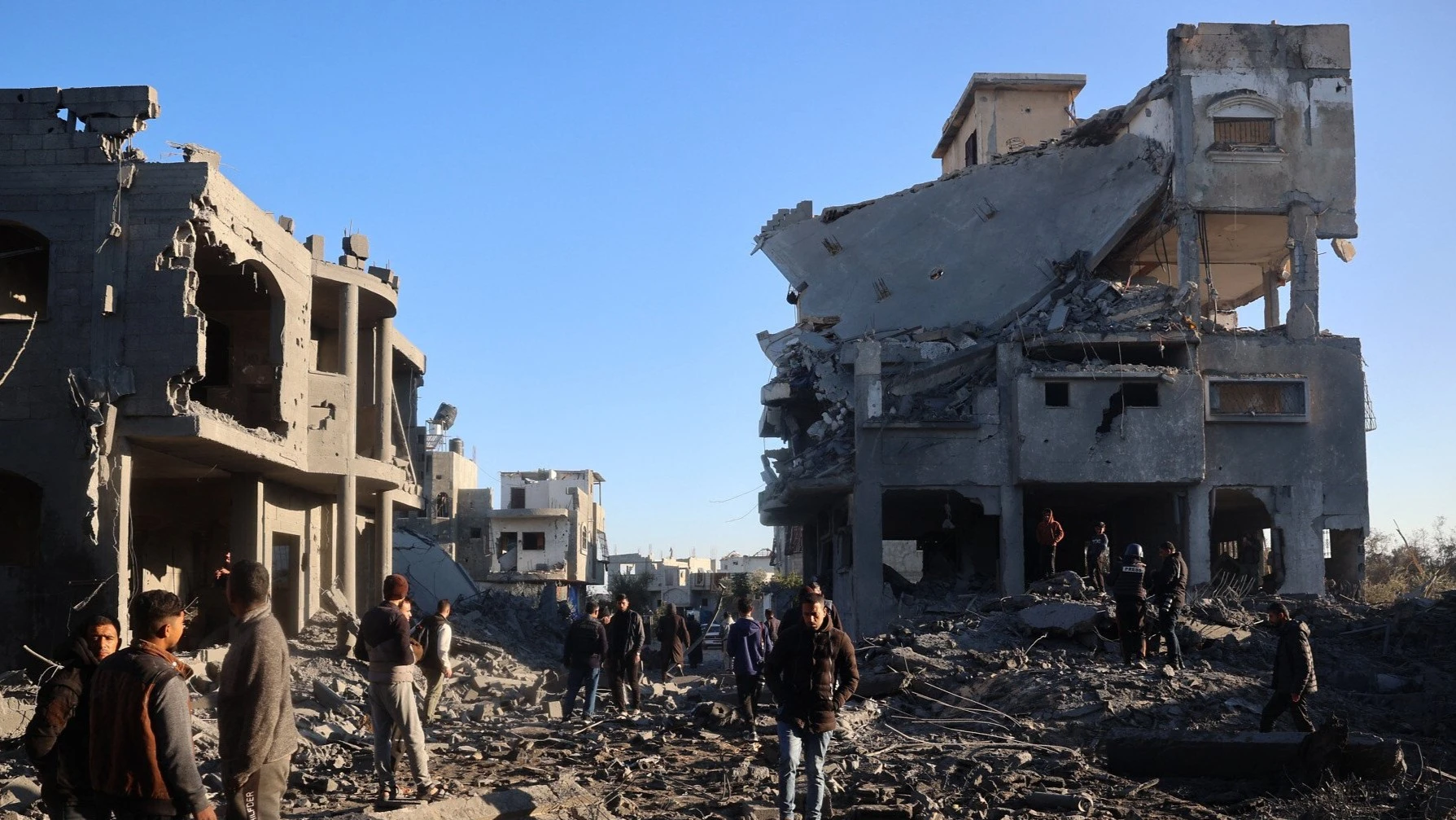
Washington has sent several UN Security Council members a draft for the establishment of an international Gaza “security force” and its deployment to the strip for a minimum of two years, according to an Axios report.
The draft, obtained by Axios, was designated “SENSITIVE BUT UNCLASSIFIED.”
According to the report, the draft resolution would give the “US and other participating countries a broad mandate to govern Gaza and provide security through the end of 2027, with the possibility of extensions after that.”
Security Council members will negotiate over the coming days and eventually vote to establish the force and deploy the first troops to Gaza by January, a US official told Axios.
The International Security Force (ISF), as it is being called, will be an “enforcement force and not a peacekeeping force.”
The force will be established in coordination with the Gaza ‘Board of Peace’ which US President Donald Trump says he will head, according to the report.
The draft says the ‘Board of Peace’ will remain in place until the end of 2027 at the least.
“The ISF would be tasked with securing Gaza's borders with Israel and Egypt, protecting civilians and humanitarian corridors, and training a new Palestinian police force, with which it's to partner in its mission,” the report said.
It will also “stabilize the security environment in Gaza by ensuring the process of demilitarizing the Gaza Strip, including the destruction and prevention of rebuilding of military, terror, and offensive infrastructure, as well as the permanent decommissioning of weapons from non-state armed groups,” the draft reads.
This will include the disarmament of Hamas – which the Palestinian resistance group has rejected so far.
It will take on “additional tasks” as well, “as may be necessary in support of the Gaza agreement.”
The force aims to provide “security” for a transition period in Gaza – during which Israel is supposed to gradually withdraw from more of the strip. Gaza must be “free of terror” before Israel carries out a full withdrawal, according to the original text of the Trump plan.
A reformed Palestinian Authority (PA) would, at some point in the future, assume administration of Gaza.
The force will be granted the power to “use all necessary measures to carry out its mandate consistent with international law, including international humanitarian law.”
The Trump-led ‘Board of Peace’ will also serve as “a transitional governance administration” to set the “priorities” and raise funding for Gaza reconstruction, until the PA “has satisfactorily completed its reform program” and after “sign-off” from the board.
The board will be "supervising and supporting of a Palestinian technocratic, apolitical committee of competent Palestinians from the Strip ... which shall be responsible for day-to-day operations of Gaza's civil service and administration," the report cites the draft as saying.
The security force will deploy in Gaza “under unified command acceptable to the Board of Peace.”
The US official speaking with Axios says the board will likely be “operational before the technocratic committee is established.”
States including Indonesia, Azerbaijan, Egypt, and Turkiye have shown willingness to contribute to the force. Washington has also discussed the plans with Qatar.
However, Israel has said Turkiye is a “hostile” state that will not be participating. Media reports have also said Tel Aviv rejects both Qatari and Turkish involvement, citing concerns that their presence in Gaza could help bolster Hamas.
Over 150 Palestinians have been killed by Israeli airstrikes and attacks in Gaza since the so-called US “peace plan” went into effect. On 29 October, Israel killed over 100 people in less than 12 hours after claiming Hamas violated the ceasefire deal.
Trump and other top US officials have defended Israel’s violations.
https://thecradle.co/articles/us-drafts ... ing-report
******
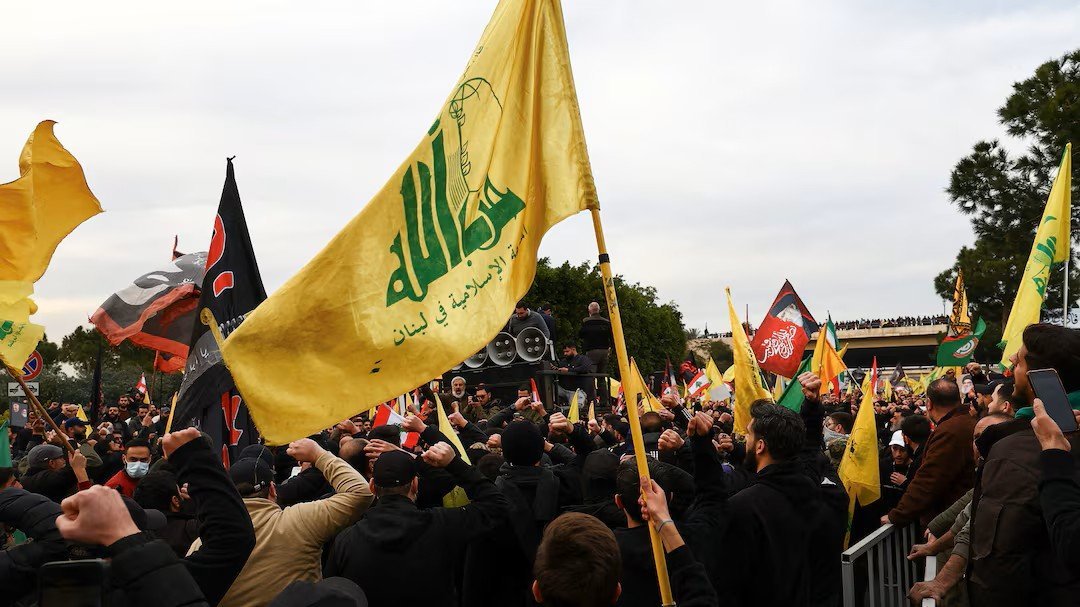
Hezbollah, the State, and the Shattered Balance of Deterrence
Posted by Internationalist 360° on November 2, 2025
Ayman Baydoun

In his 2006 victory speech, Hezbollah’s Secretary-General Sayyed Hassan Nasrallah swore that resistance weapons would never be surrendered as long as Israel continued to occupy Lebanese land or violate its sovereignty. “We did not fight since 1982 for resistance to end while Israel still occupies our land, violates our dignity, and plunders our resources. By God, never.”
For more than two decades, Sayyed Nasrallah kept his words. Apart from the still-occupied Shebaa Farms and occasional airspace violations, no Israeli leader dared order a military advance into Lebanon or seize any part of its territory.
That balance shifted dramatically after the Al-Aqsa Flood operation. During Israel’s 2024 assault on Lebanon, Hezbollah’s fighters waged fierce and disciplined battles along the Lebanese-Palestinian border. The confrontation ended under a so-called “cessation of hostilities” approved by Lebanon’s cabinet on November 27, 2024, in accordance with UN Security Council Resolution 1701.
Under the agreement, Israel pledged to refrain from all offensive operations against Lebanese targets — civilian or military — by land, air, or sea. Both sides, however, retained the right to self-defense in line with international law.
Yet from the very first day, Israel began to systematically violate the deal. It resumed air and ground strikes, carried out assassinations, and even seized seven positions across the Blue Line.
Nearly a year later, these violations continue to mount. What was supposed to end the war has, in effect, reignited it in a new and equally dangerous form. The ongoing escalation means a steady rise in casualties, strikes extending deep into Lebanese territory, and, most ominously, the real prospect of an Israeli reoccupation south of the Litani River.
Such an occupation would face little resistance. By committing to dismantle Hezbollah’s military infrastructure and ensuring its withdrawal from the area, the Lebanese state has effectively left southern Lebanon defenseless. Israel could practically advance undeterred: the army lacks the capacity to fight back, and the resistance is no longer positioned there militarily.
Time, therefore, is working against both the state and Hezbollah, especially as the two stand at odds. The resistance calls on the government to defend Lebanon’s sovereignty, knowing full well that it cannot. It also refuses to surrender its weapons while simultaneously not using them. This stance, internationally interpreted, signals both weakness and acquiescence, amounting to a de facto renunciation of Lebanon’s right to self-defense under Article 4 of the agreement.
The United States, meanwhile, has reportedly offered Israel unwritten guarantees permitting “preventive strikes” against potential Hezbollah targets, a move that further erodes Lebanon’s sovereignty and undermines its deterrent power.
The outcome could be catastrophic. Lebanon risks losing the hard-won gains of its national resistance since the 1970s and squandering the immense sacrifices made since the Israeli occupation of 1982. If the state is unable to defend itself militarily, despite Article 51 of the UN Charter explicitly affirming that right, it can at least suspend the ceasefire agreement, which has effectively collapsed due to Israel’s ongoing violations. International law allows such suspension when an agreement loses its purpose.
At this critical moment, Lebanon must choose a political path and be honest with its citizens. The government should acknowledge its military incapacity and willingness to seek peace with the enemy. Egypt’s intelligence chief’s recent visit to Beirut strongly signals that indirect negotiations, accepted by Lebanese officials, are now underway.
If Lebanon is moving toward a settlement, it must at least preserve the minimum threshold of national sovereignty instead of offering one concession after another, starting with the fundamental right to self-defense. The Palestinian Authority’s experience after the Oslo Accords stands as a stark warning.
The same applies to Hezbollah. If it insists on retaining its weapons, it cannot remain indefinitely silent. It must either outline its future course or reassert its deterrent role.
Ultimately, the looming danger should push all Lebanese factions opposed to normalization with Israel to revive a national resistance front that transcends sectarian divides. Today, Lebanon’s internal polarization over Hezbollah’s arms has become one of Israel’s greatest assets.
Meanwhile, Lebanon stands at a decisive juncture: would it once again descend into the divisions of 1982, giving rise to a new phase of resistance? Or would it submit to regional realignments and accept a US-imposed order in the Middle East?
https://exchange.charter-business.net/o ... /&reason=0
******
Netanyahu Blocks Safe Passage for Hamas Fighters Despite Endorsing Trump’s Gaza Ceasefire Plan
Israel’s prime minister has refused to allow 200 Hamas fighters to evacuate southern Gaza, contradicting his earlier public endorsement of a U.S.-brokered ceasefire plan.
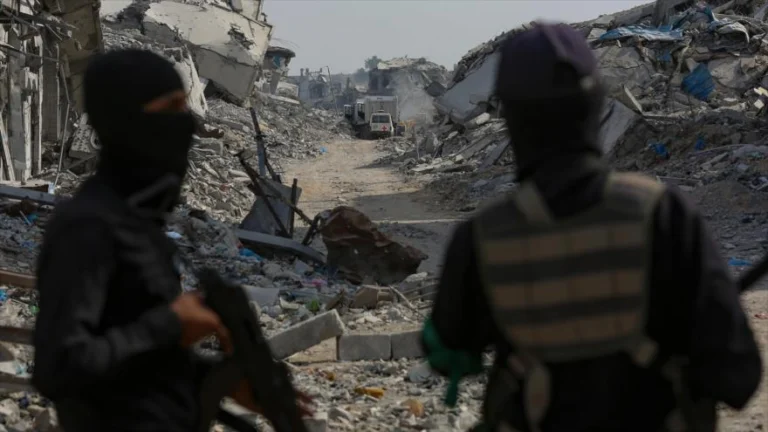
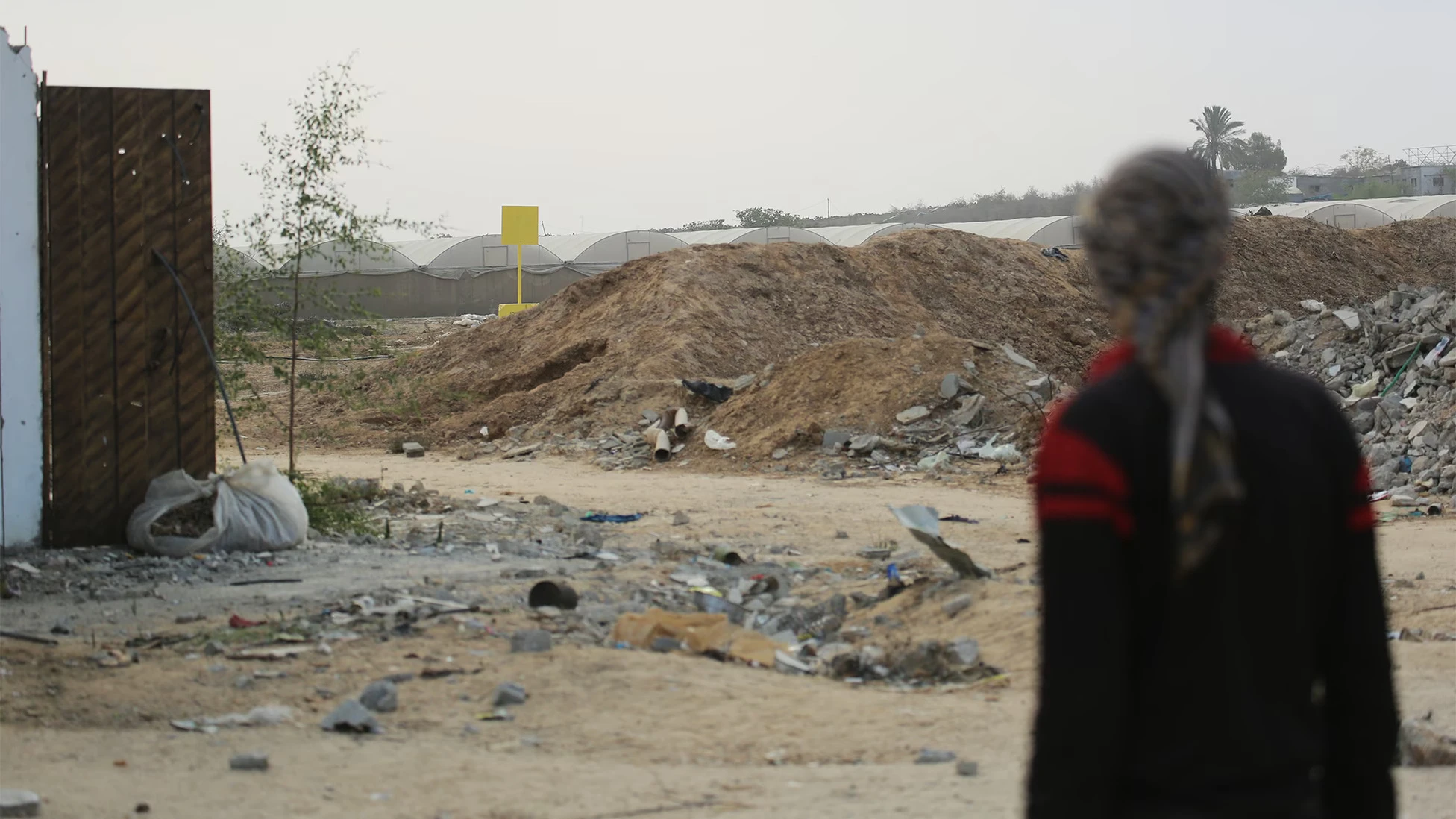
Israeli forces remain deployed across much of Gaza as Netanyahu rejects safe passage for Hamas fighters trapped in Rafah. Photo: HispanTV
November 4, 2025 Hour: 6:34 am
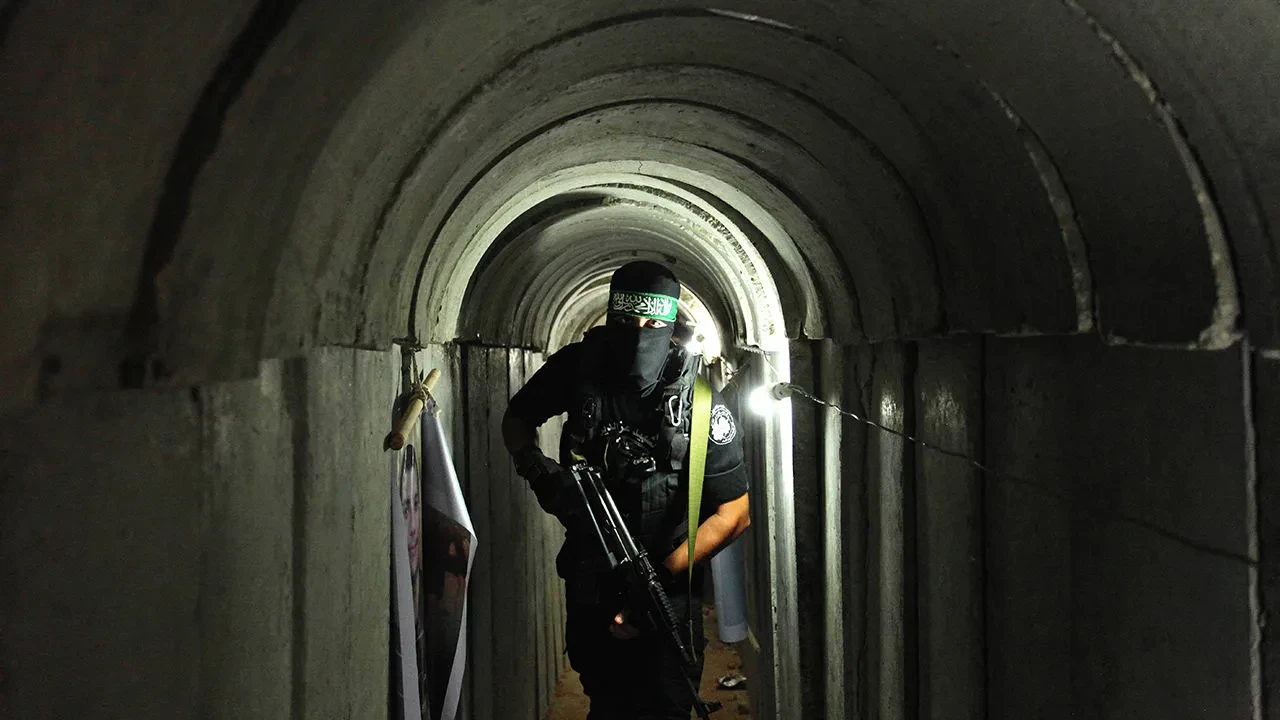
Israeli Prime Minister Benjamin Netanyahu has ruled out granting safe passage to about 200 Hamas fighters reportedly trapped in tunnels under southern Gaza, even as he continues to express support for a 20-point ceasefire plan proposed by U.S. President Donald Trump.
Israeli media, citing an official source close to Netanyahu, reported on Monday that the prime minister “will not allow safe passage for the 200 Hamas fighters” from Israeli-occupied areas of Gaza to zones controlled by the Palestinian resistance group. The clarification followed a Channel 12 report suggesting the fighters, hiding mainly beneath Rafah, might be permitted to leave if they surrendered their weapons.
According to initial military leaks, the corridor would only be considered if Hamas returned the bodies of deceased Israeli captives. The report quickly sparked backlash from across Israel’s political spectrum, prompting Netanyahu’s office to deny any such arrangement was under discussion.
“The prime minister maintains his firm stance on the disarmament of Hamas and the demilitarization of the Gaza Strip, while eliminating terrorist threats against our forces,” the Israeli official said.
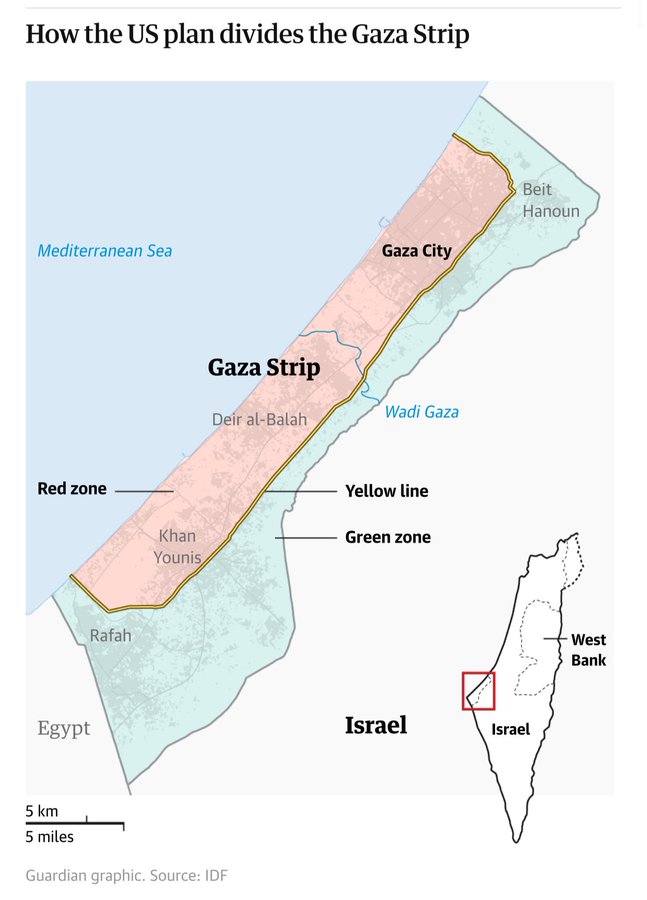
The claim drew sharp criticism from far-right ministers. Finance Minister Bezalel Smotrich called the idea “pure madness” and urged Netanyahu to “stop it immediately.” National Security Minister Itamar Ben Gvir also condemned the report, demanding that “the 200 terrorists located beyond the ‘Yellow Line’ be killed or imprisoned,” referring to the demarcation in Trump’s ceasefire plan that stretches from northern Gaza to Rafah.
Opposition figures joined in. Benny Gantz, leader of the Blue and White party, wrote on X: “We must not allow them to leave the tunnels and reorganize.” Avigdor Liberman of Yisrael Beytenu labeled the plan “total insanity from a weak government under pressure,” warning it should be ruled out entirely.
Later the same day, the Israeli military announced it had killed several fighters who had allegedly crossed the so-called Yellow Line and “posed an immediate threat” to Israeli forces operating in southern Gaza. The Times of Israel reported that ground troops were not always clear on where the boundary was drawn across different areas of the enclave.
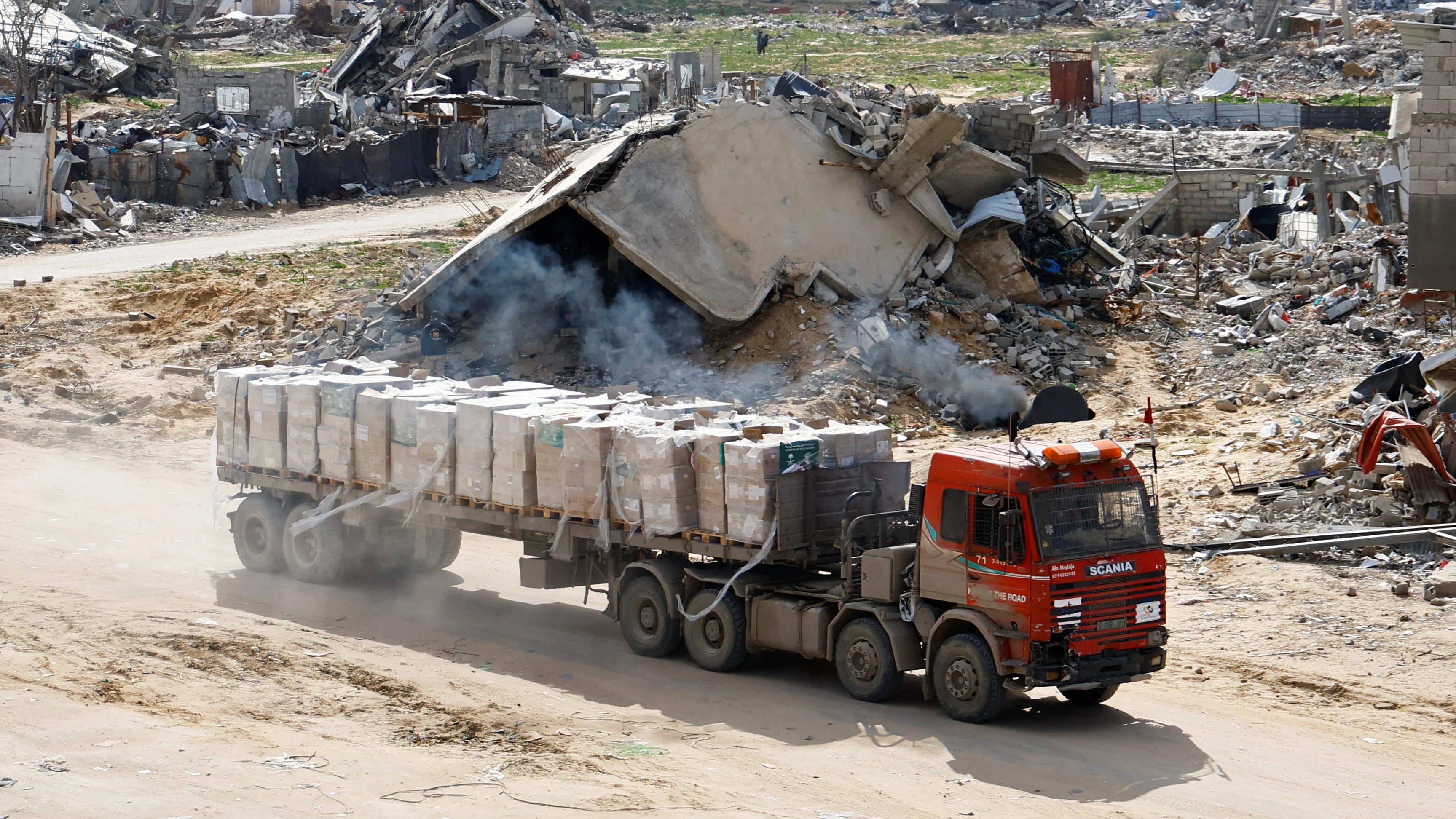
The first phase of Trump’s 20-point ceasefire plan took effect on October 9 and included a prisoner exchange, though subsequent steps have yet to be negotiated. Israeli forces completed their initial pullback to the Yellow Line on October 10 but continue to occupy about 58 percent of the Gaza Strip.
Despite the declared truce, Israel has continued demolishing homes in Gaza. The Euro-Mediterranean Human Rights Monitor reported on Saturday that Israeli forces have killed an average of ten Palestinians per day since the ceasefire began.
According to Euro-Med, at least 68,865 Palestinians have been killed and 170,670 injured since Israel launched its military campaign on October 7, 2023—figures recorded before last month’s ceasefire agreement took effect.
https://www.telesurenglish.net/netanyah ... fire-plan/




 THREAD

 (@infolibnews) November 13, 2025