A new poll shows Syrians' views of the country's new government are divided along sectarian lines
News Desk
DEC 7, 2025
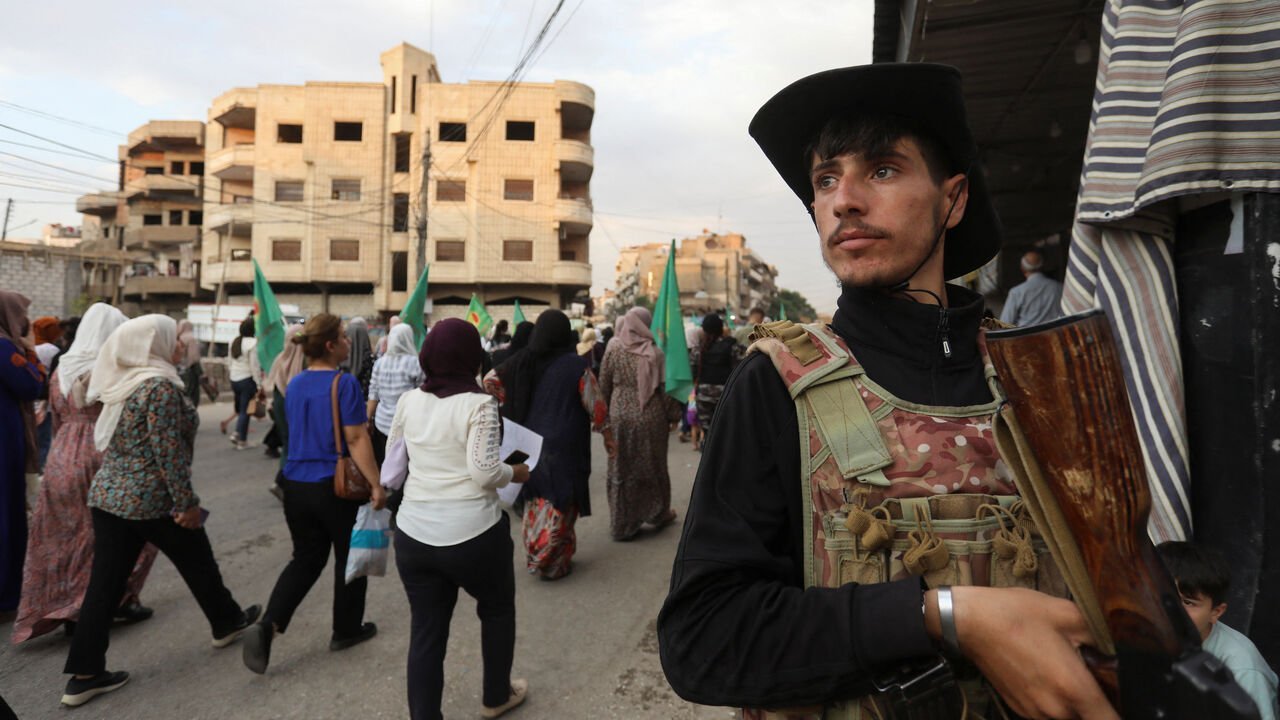
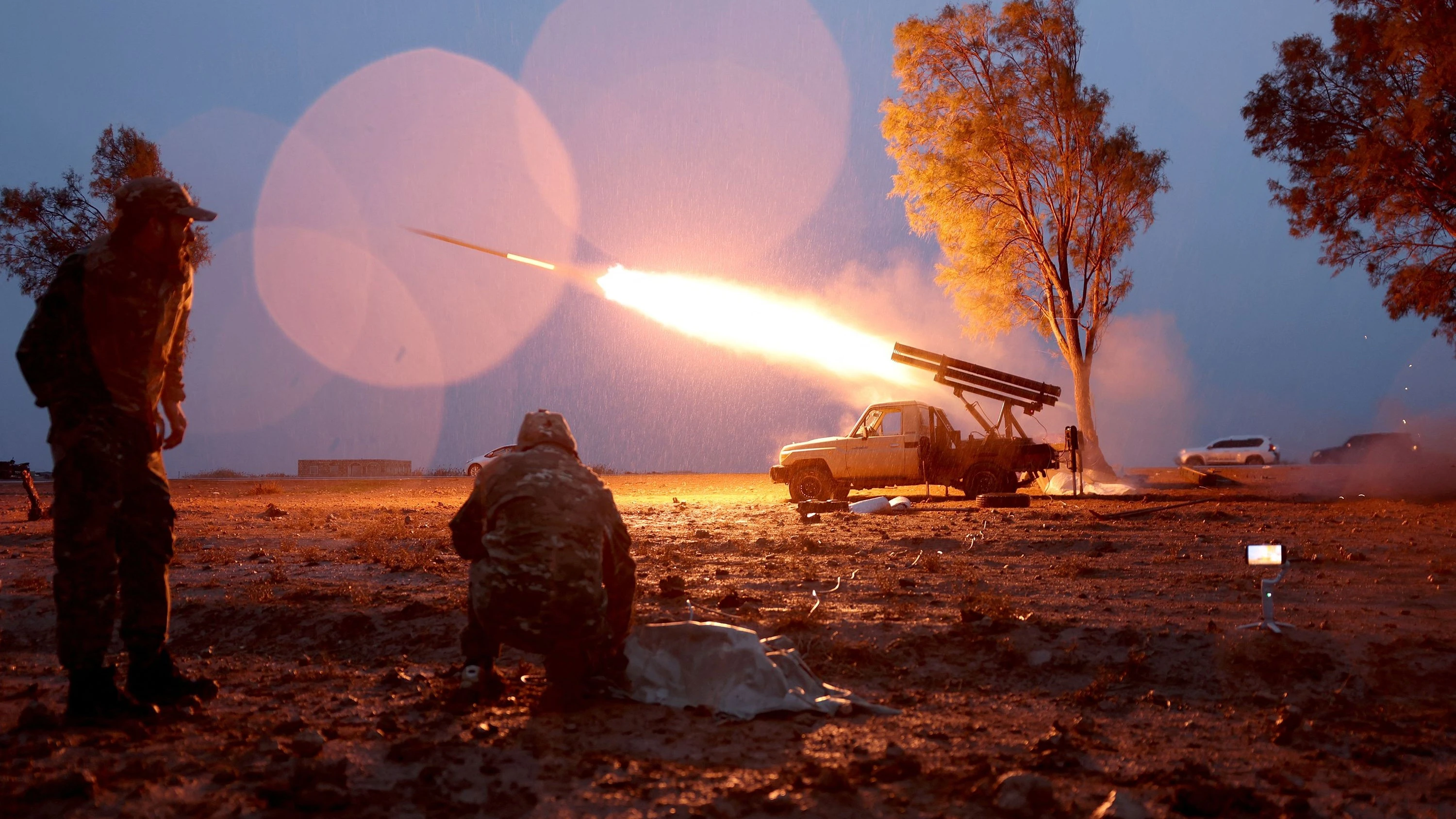
(Photo credit: REUTERS/Orhan Qereman)
Foreign Policy (FP), a prominent US political journal, published an in-depth survey of Syrians’ opinions on 6 December, providing a window into the condition of the country one year after Hayat Tahrir al-Sham (HTS) leader, Ahmad al-Sharaa, seized power with help from the US, Israel, UK, Turkiye, and Russia.
FP commissioned the survey to determine the views of Syrians on a variety of questions, including their attitudes toward Sharaa’s government, the economy, sectarian differences, transitional justice, and foreign policy.
FP tasked Arab Barometer and RMTeam International to conduct in-person interviews with 1,229 randomly selected Syrian adults in their homes.
Regarding foreign policy, just four percent have a favorable opinion of Israel, and only 14 percent support normalizing relations with Israel.
Security talks between Israel and Syria have been underway for months, but have reached a stalemate as Israel refuses to relinquish territory it occupies, while carrying out almost daily incursions into areas of southern Syria, in particular in Quneitra near the occupied Golan Heights.
A similarly small number said they support Iran (5 percent), while slightly more expressed support for Russia (16 percent). Both countries previously supported the Assad government.
Nearly all Syrians (92 percent) said they view Israel’s occupation of the Palestinian territories and strikes on Iran, Lebanon, and Syria as critical threats to their security.
At the same time, 66 percent have a favorable view of the US, including 60 percent of minorities. Many view President Donald Trump positively (61 percent), perhaps because he lifted some of the punishing US economic sanctions on the country.
The survey showed that Syrians remained divided politically on sectarian lines. The majority Sunni population expressed confidence in Sharaa and his government overall, while Alawite, Druze, and Christian religious minorities said they live in fear of the new government.
At the same time, both the minorities and majority Sunnis reported that they suffer from the grinding poverty and displacement caused by 14 years of the violence and sanctions unleashed by the US and its allies to topple the former government of Bashar al-Assad.
Syrians overall expressed strong support for President Sharaa (81 percent) and his government (71 percent). A majority expressed confidence in the courts and the legal system (62 percent) and the army (71 percent).
Significant majorities of Syrians agree that they enjoy freedom of speech (73 percent), freedom of the press (73 percent), and the freedom to participate in peaceful protests (65 percent).
It remains uncertain how reliable these figures are, as many Syrians may still be reluctant to criticize Sharaa openly, much as they once feared criticizing Assad. Observers note that a survey of this kind would likely yield more accurate results if conducted anonymously through written questionnaires, rather than relying on face-to-face interviews with unfamiliar pollsters.
The FP survey did note that residents in governorates dominated by the Alawite and Druze minorities nevertheless reported much lower support for Sharaa, the former Al-Qaeda commander.
In Latakia, Suwayda, and Tartous, a much smaller number expressed confidence in the national government (36 percent), the courts (33 percent), the army (22 percent), and President Sharaa (36 percent).
Only a minority of Syrians living in these three governorates say they have freedom of speech (31 percent), the press (34 percent), and assembly (16 percent).
Just 35 percent of people in these governorates believe the government is responsive to their needs, and only 41 percent are satisfied with the national government’s performance.
Kidnapping is seen as a critical threat by 63 percent of all Syrians. This number is likely much higher on the coast, where a wave of kidnappings of Alawite women has been covered up by Sharaa’s government.
Such low levels of support for the government come after the Alawite-dominated coastal regions and Druze-dominated Suwayda were subjected to large-scale sectarian massacres in which thousands died at the hands of Sharaa’s extremist armed forces over the past year.
A smaller number of Syrians (53 percent) are confident that the newly elected parliament, the People’s Council, will represent their interests.
Syrians were not allowed to vote in parliamentary elections. Instead, two-thirds of the candidates were chosen through a vote conducted by election committees appointed by Sharaa. The final one-third of the parliament members will be selected directly by Sharaa. No election committees from Druze-majority Suwayda and Kurdish-controlled Hassakah and Raqqa governorates participated in the vote.
The FP survey found that 50 percent believe that corruption currently plagues national state agencies and institutions. At the same time, Seventy percent see corruption as less widespread than it was under the Assad government.
Corruption under the Assad government became rampant during the war, and intensified further as the economy collapsed in 2019 under the US-imposed Caesar sanctions.
A majority of Syrians cited the economy as a major concern, including inflation, a lack of jobs, and poverty.
A large number of Syrians reported that securing their basic needs is difficult (56 percent), while a shocking 86 percent said their household income does not cover their expenses.
Nearly two-thirds of Syrians said they suffer from food insecurity, while 73 percent of internally displaced persons said they often or sometimes ran out of food before having the money to buy more.
The country’s war-ravaged infrastructure is also a major problem, with only 41 percent stating they are satisfied with the provision of electricity (41 percent) and water (32 percent), the availability of affordable housing (35 percent), and the health-care system (36 percent).
Sectarianism is also a significant problem, with only 53 percent agreeing that both the majority and minorities equally need to feel secure.
A similar number, just 55 percent, agreed that both the majority and minorities should be represented in the government, suggesting that the Sunni majority does not believe minorities should have equal rights.
https://thecradle.co/articles/only-14-p ... e_vignette
Alawite leader calls for general strike on anniversary of Assad government's fall
The religious leader said the strike is a ‘peaceful response’ to the ‘oppression’ of Ahmad al-Sharaa’s government, which has persecuted Alawites since the start of the year
News Desk
DEC 7, 2025
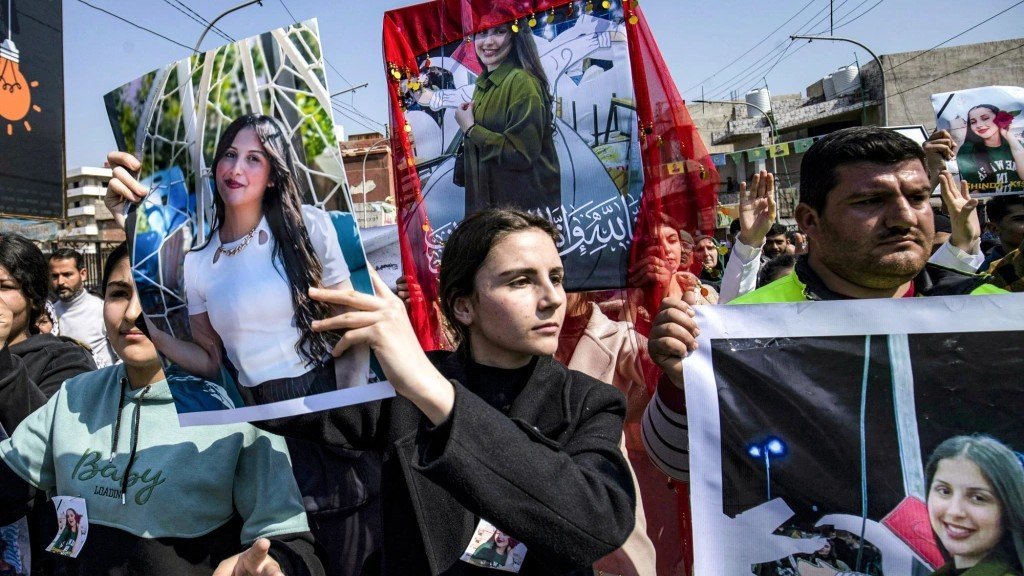
(Photo credit: AFP)
The spiritual leader of the Alawite religious minority in Syria, Ghazal Ghazal, has called for a strike against the administration of Ahmad al-Sharaa, one day ahead of the first anniversary of the fall of Bashar al-Assad’s government.
The strike will last from 8 December to 12 December and marks a “peaceful response” to the policies of the new Syrian government, which have systematically targeted the Alawite minority since the start of the year.
Ghazal also accused Damascus of using coercion to force celebrations. Sharaa recently called on all Syrians to take to the streets in celebration of the anniversary of the start of the 11-day offensive, which resulted in the collapse of the Assad government on 8 December 2024.
“They want us to celebrate by force the replacing of one unjust system with another more oppressive one,” Ghazal said.
Alawite citizens are being threatened to attend the commemorations that are “built on our blood and suffering.”
“Any attack on the Alawite community will not go unanswered, but will be met with a flood and bare chests. We will not accept a centralized Islamic political emirate that slaughters us based on our identity.”
“They arrested, killed, slaughtered, kidnapped, and burned, and now they threaten our livelihoods… and force us to participate in celebration,” he said, adding that Damascus was “silencing our voices.”
The religious leader’s call for a strike comes as some Syrians have been celebrating the fall of Assad’s government.
It also coincided with a statement by the Kurdish-led Autonomous Administration of North and East Syria (AANES). AANES urged citizens of north and east Syria against celebrations or participation in events commemorating the collapse of the former government.
“Due to the current security conditions, represented by the increased activity of ISIS mercenary cells that are trying to create strife and strike at the components of society, holding any public or social gatherings or events is prohibited in all areas of the North and East Syria region on the seventh and eighth of this month.”
“Firing live ammunition and fireworks is also prohibited and subject to legal accountability,” it added.
Thousands of Alawite civilians were massacred in March this year by Syrian government forces during a violent crackdown to quell an armed uprising carried out by members of the community.
Since then, the Alawite community has been disarmed by Damascus and has been left vulnerable to sectarian attacks and killing sprees. Young Alawite girls continue to disappear as a result of government-linked kidnapping networks, and Alawite men are regularly executed.
Thousands of Alawites took to the streets in protest across Syria’s coastal cities on 25 November to demonstrate against government-sponsored sectarian violence. Security forces shot at protesters.
Government forces also massacred hundreds of Druze civilians during clashes between Druze factions and Syrian government forces in Suwayda in July.
The Syrian army is predominantly made up of what used to be known as the Al-Qaeda-linked Hayat Tahrir al-Sham (HTS). Numerous other extremist factions with links to ISIS have been made official brigades in the new Syrian military since the fall of Assad’s government and the collapse of his army last year.
Groups affiliated with or incorporated into the Syrian army also have a long history of violent persecution against Kurds.
Government violence against minorities in Syria over the past year has prompted some to call for federalism, or the division of the country along sectarian lines.
Observers have also speculated that Israel, which established a large-scale occupation in south Syria after Assad was ousted, has been pushing for federalism in a bid to divide Syria.
https://thecradle.co/articles/alawite-l ... ments-fall


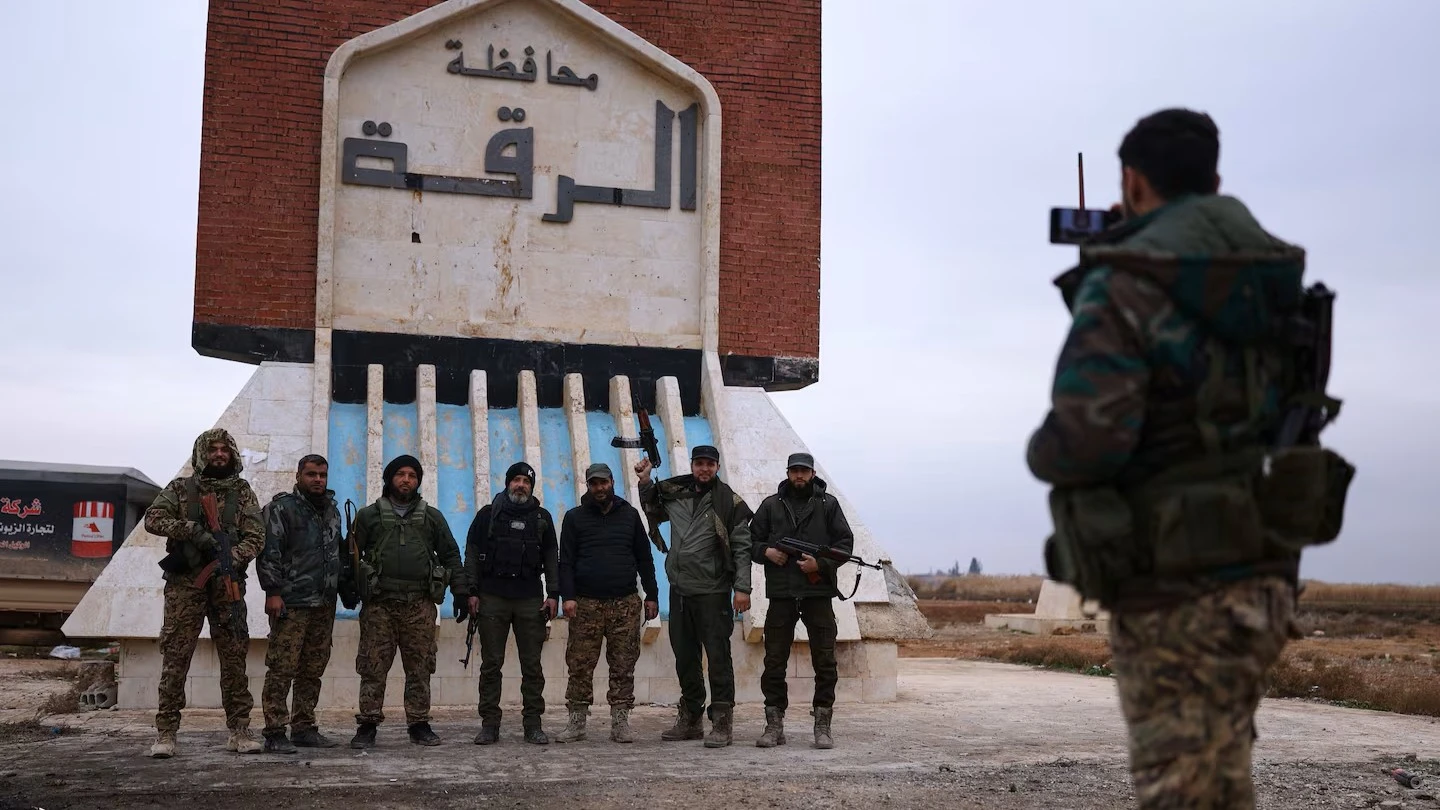
 #BREAKING: Omar oil field, Syria's largest oil field, has come under the control of the Syrian Army. pic.twitter.com/s6AxEPrIuj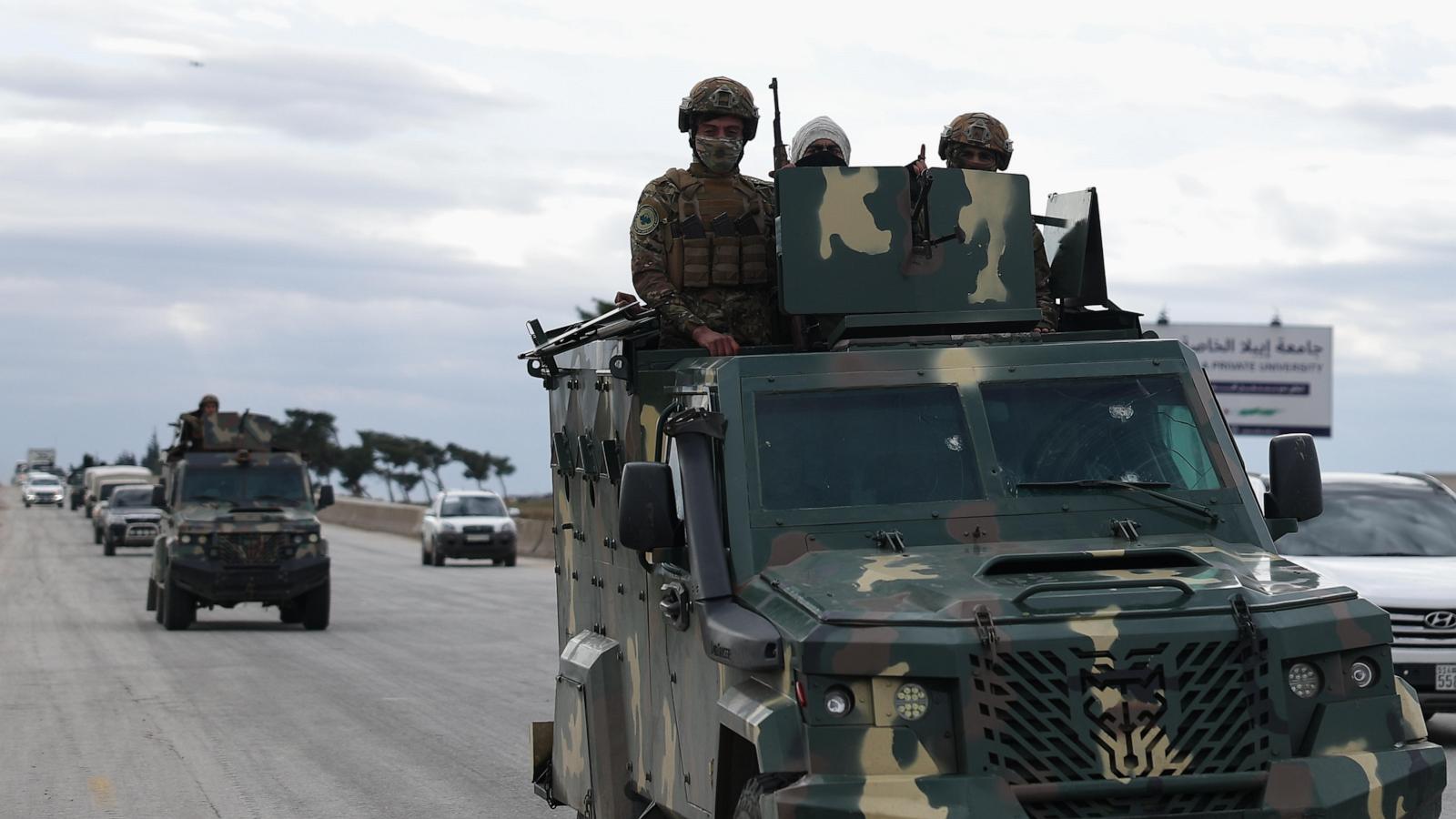

 ISIS members in Syria are now outside prison facilities and close to the Iraqi border, as per Iraqi sources.
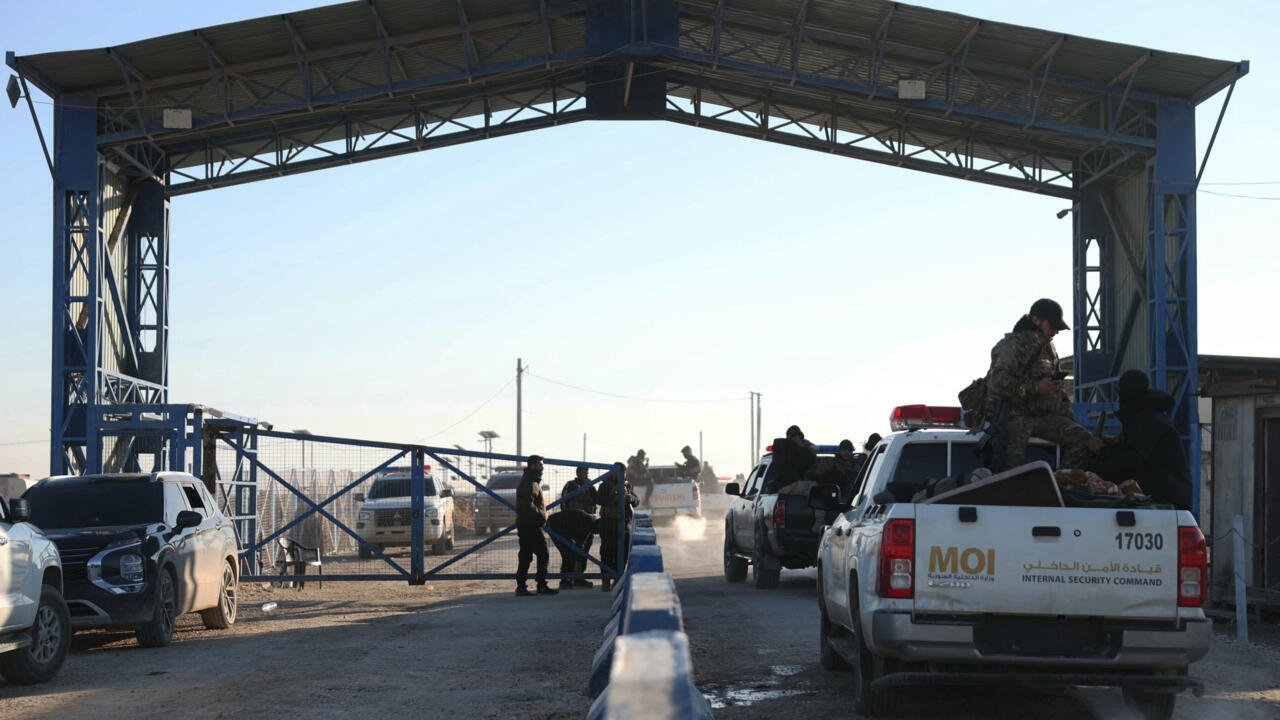
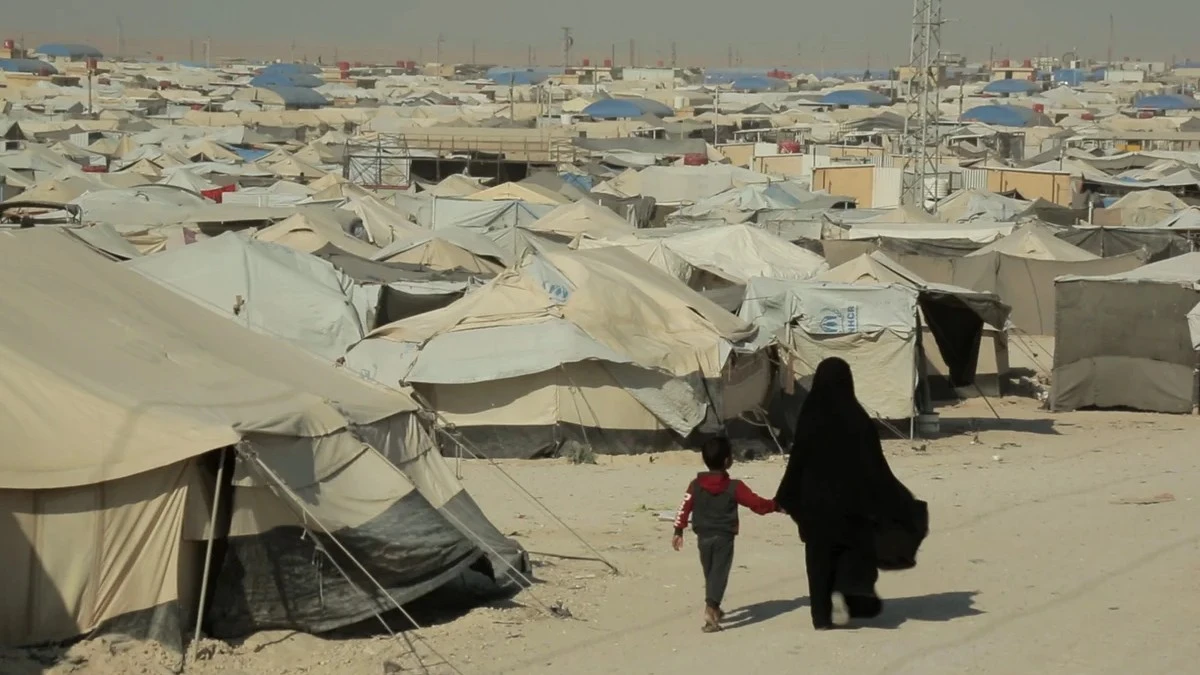
 HTS / ISIS terrorists have reached the Al-Hol camp housing tens of thousands of ISIS families and are releasing them pic.twitter.com/SgKPjiV1zB