Russia today

User avatar
blindpig
Posts: 15104
Joined: Fri Jul 14, 2017 5:44 pm
Location: Turtle Island
Contact:

Re: Russia today

Post by blindpig » Fri Jan 02, 2026 3:53 pm

Winter Sevastopol
January 2, 0:58

Image

Extremely rare footage in recent years. ( https://t.me/sevastopolhistory/17919) New Year's winter Sevastopol.

Image

Image

This year, winter deigned to drop into the city right on New Year's Eve.

https://colonelcassad.livejournal.com/10282729.html

Google Translator

Not much snow in recent years, Boris? About your climate change denial, Boris...

Dunno if I'll see significant snow here in the Upstate for the remained for my life.

******

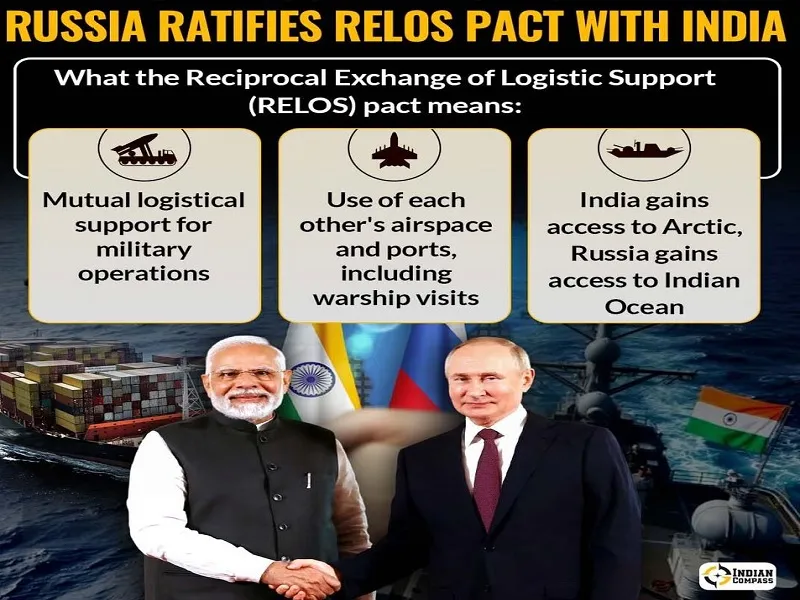
The Russian & Indian Militaries Secured Logistical Access To One Another’s Facilities
Andrew Korybko
Jan 02, 2026

Image

Their newly ratified Reciprocal Exchange of Logistics (RELOS) agreement can help midwife tri-multipolarity, bolster Russia’s Sino-Indo balancing act, and possibly even facilitate its renascent “New Détente” with the US depending on the degree of future coordination between their policymakers.

Russia ratified the Reciprocal Exchange of Logistics (RELOS) agreement with India in early December practically on the eve of Putin’s trip there, which is why news about this was lost in the media shuffle. As the name implies, RELOS gives each country’s troops, ships, and planes logistical access to the other’s facilities, but it importantly doesn’t give them their own military bases in the other’s territory. The purpose is to ease the organization of joint exercises with a view towards holding them more frequently.

In practice, the Indian Armed Forces might start drilling in the Arctic and become a more regular sight in the Russian Far East while Russia’s will be seen more often in the Indian Ocean Region (IOR), thus informally expanding each’s presence there in a symbolic joint display of their rising influence in Eurasia. As was explained here ahead of Putin’s trip, Russia and India envisage midwifing tri-multipolarity as the stepping stone to complex multipolarity (multiplexity), and RELOS is one of the means to that end.

To elaborate, Russia won’t consider giving China the logistical access to its military facilities that it just granted India since it doesn’t want to lend false credence to pernicious Western media speculation that they’re mutual defense allies, which could then make Russia the US’ intractable foe. By contrast, India has sought to bridge the divide between Russia and the US ever since Narendra Modi’s ascent to the premiership in May 2014, which was right when their ties began to deteriorate.

Although his own country’s relations with the US unexpectedly deteriorated over the summer for the reasons explained here, they’re far from irreparable, and the renascent Russian-US “New Détente” set into motion by Trump’s 28-point Russian-Ukrainian peace deal framework can help improve them. As detailed in the recent analysis about “How A Rapprochement With Russia Helps The US Advance Its Goals Vis-à-vis China”, the US doesn’t want Russia becoming disproportionately dependent on China.

That dark scenario would turbocharge China’s superpower trajectory via unlimited access to Russian resources and thus intensify its systemic rivalry with the US, but this could be averted by a post-Ukraine Russian-US strategic partnership centered on energy and critical minerals cooperation. Trilateralizing this through India’s inclusion would help Russia avoid dependence on the US while further reducing the already far-fetched chance that Russia weaponizes its control over these resources to blackmail the US.

RELOS fits into this framework by functioning as a friendly military complement to the expansion of Indian economic influence in Russia’s resource-rich Arctic and Far Eastern regions. The resultantly increased transit of its navy through the South and East China Seas en route to foreseeably more frequent drills with Russia could be presented by India as an unprovocative response to the expansion of China’s own naval influence in the IOR without worsening tensions. That might please the US.

Its new National Security Strategy calls on India to play a greater role in the South China Sea, which Delhi is reluctant to do to avoid provoking Beijing, but the aforesaid increased transit of its navy through those waters could represent a compromise that might then help repair ties with the US. Through these means, RELOS can bolster Russia’s Sino-Indo balancing act while also facilitating its “New Détente” with the US, but this requires unprecedented coordination between Russian, Indian, and US policymakers.

https://korybko.substack.com/p/the-russ ... militaries

*****

"There is great chaos under heaven; the situation is excellent."

User avatar
blindpig
Posts: 15104
Joined: Fri Jul 14, 2017 5:44 pm
Location: Turtle Island
Contact:

Re: Russia today

Post by blindpig » Sat Jan 03, 2026 3:34 pm

The Russian Foreign Ministry on the US attack on Venezuela
January 3, 3:02 PM

Image

Statement by the Russian Foreign Ministry regarding the US armed aggression against Venezuela

This morning, the United States committed an act of armed aggression against Venezuela. This is deeply concerning and condemnable.

The pretexts used to justify these actions are unfounded. Ideological hostility has triumphed over businesslike pragmatism and a willingness to build trusting and predictable relationships.

In the current situation, it is crucial, above all, to prevent further escalation and to focus on finding a way out through dialogue. We believe that all partners who may have grievances against each other should seek solutions to problems through dialogue. We are ready to support them in this.

Latin America must remain a zone of peace, as it proclaimed in 2014. And Venezuela must be guaranteed the right to determine its own destiny without any destructive, let alone military, external intervention.

We reaffirm our solidarity with the Venezuelan people and our support for the course of their Bolivarian leadership, aimed at protecting the country's national interests and sovereignty.

We support the statement by the Venezuelan authorities and the leaders of Latin American countries calling for an immediate meeting of the UN Security Council.

The Russian Embassy in Caracas is operating normally, given the current situation, and is in constant contact with the Venezuelan authorities and Russian citizens in Venezuela. There are currently no reports of Russian citizens being harmed.


Appeals to the UN or talk of a UN Security Council meeting are of little value in the current circumstances. The UN has virtually no influence, and the UN Security Council has long been blocked by its veto and is unable to make any significant, binding decisions. In the current circumstances, appeals to the UN are meaningless.

As has been stated many times, international law is dead. National borders and sovereignty are today guaranteed only by naked military force and a system of functioning military alliances. Hiding behind paper treaties and appeals to the UN is not working. What works is inflicting retaliatory damage, preferably unacceptable.

In the wonderful multipolar world of the future, the weak will be devoured.

https://colonelcassad.livejournal.com/10284433.html

Google Translator

******

DD Geopolitics
@DD_Geopolitics
2h
🇷🇺 Dmitry Medvedev commented on the U.S. attack on Venezuela:

“1. A perfect example of U.S. ‘peacekeeping.’ A hard military operation in an independent country that posed no threat whatsoever to the United States. The seizure by special forces of a legally elected president together with his wife. Of course, all of this strictly within the framework of international law and domestic legislation, in coordination with Congress. Almost complete silence from democratic Europe. Guaranteed love in Latin America, where the Monroe Doctrine is extremely popular. In short, another brilliant step toward the Nobel Prize.

2. Trump should have shown the same level of energy as in Venezuela somewhere entirely different. The trained Ukrainian animals, coked up in Kiev, have completely gotten out of hand. They’ve stopped listening to the ringmaster of the circus. The example of Venezuela is unlikely to sober them up. Still, it would be nice if the U.S. attacked the military bases of Banderastan, and American special forces captured the gang of drug addicts on Bankova Street. Maybe it’s time already, Uncle Sam?

3. The operation in Caracas became the best proof of the fact that any state must strengthen its armed forces to the maximum, not allowing various rich, arrogant actors to casually change the constitutional order in search of oil or something else. And maximum strengthening that guarantees reliable protection of a country means only one thing: a nuclear arsenal!

Long live nuclear weapons!”

Image

https://xcancel.com/DD_Geopolitics
"There is great chaos under heaven; the situation is excellent."

User avatar
blindpig
Posts: 15104
Joined: Fri Jul 14, 2017 5:44 pm
Location: Turtle Island
Contact:

Re: Russia today

Post by blindpig » Tue Jan 06, 2026 3:59 pm

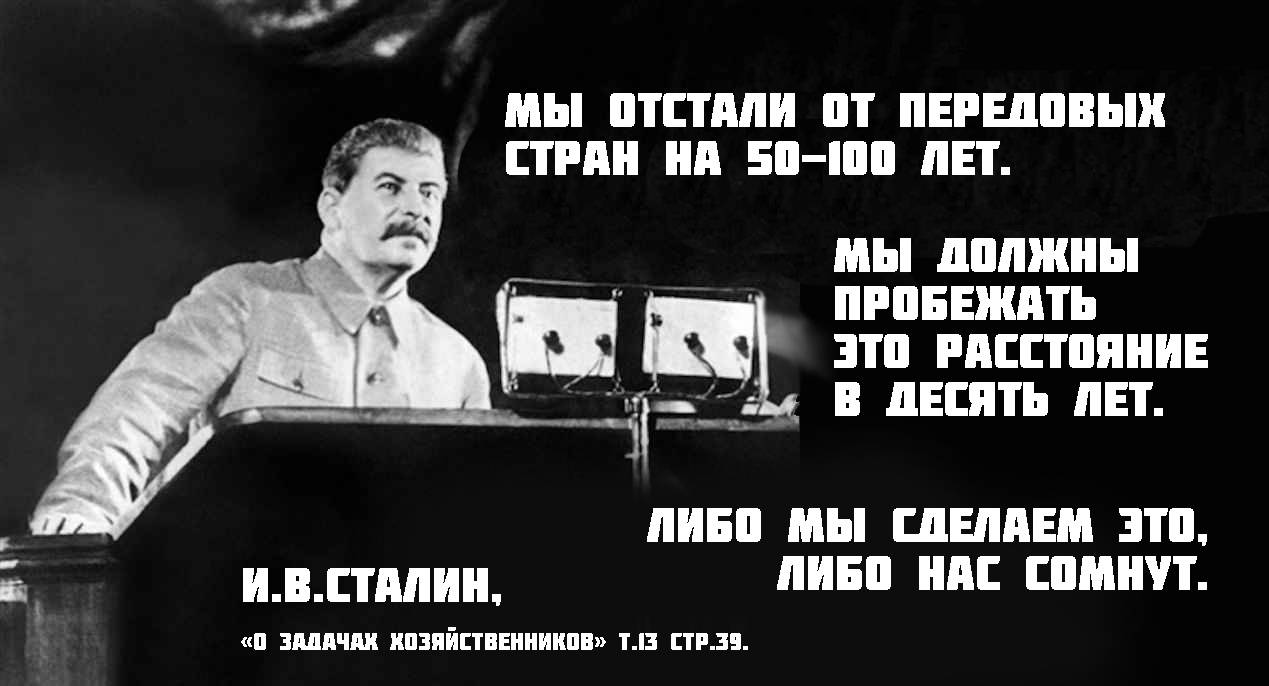
Either we do this or we will be crushed
January 4, 9:03 PM

Image

Governor Filimonov is spearheading a new wave of Stalin quotes online, arguing that backwardness is bad and what needs to be done to avoid being crushed.

The more people take off their rose-colored glasses and begin to understand the current state of the world order, as well as the real basis of the "market," "international relations," and "rights and freedoms," the more popular becomes Comrade Stalin's realistic approach and that same "iron Stalinist logic," which was relevant on many issues then and remains relevant today. This includes the issue of backwardness, subservience to the West, the need for industrialization, strengthening the army, economic sovereignty, and much more. That same notorious wind of history from the apocryphal saying has put everything in its place. And you don't even have to be a communist to understand Stalin's historical correctness in matters of strengthening national sovereignty and resisting Western imperialism.

Our great ancestors, under Stalin's leadership, were able to cover this distance and eliminate the gap in 10 years. The result: winning World War II, superpower status, nuclear weapons, and the groundwork for entering space. We have similar goals.

https://colonelcassad.livejournal.com/10287044.html

The Investigative Committee of the Russian Federation recommends
January 4, 5:06 PM

Image

The Russian Investigative Committee strongly recommends following simple digital security rules to protect yourself and your loved ones from cybercriminals.

Question everything a stranger tells you over the phone, especially when it comes to your money.

Avoid disclosing your personal information during a phone conversation.

If the caller claims to be from the bank where you have an account and asks for your card information or offers to perform other card transactions, end the conversation and contact the bank directly at the number listed on the bank's website.

If the caller claims to be from law enforcement and asks for your personal information, including your card/account information, end the conversation immediately and report the call to law enforcement by any means necessary.

Fraudsters use psychological manipulation techniques: the longer the conversation, the more likely you are to succumb to the scammer's persuasion, so the best defense is to end the conversation immediately.

If you receive an alarming text message ("Your account is blocked," "Your card is blocked," "Suspicious activity has been detected on your card") asking you to click a link or call, refrain from doing so and call the bank yourself to clarify the situation.

If a stranger calls you from an unfamiliar number and tells you that a relative or friend is in an emergency and urgently needs your financial assistance, exercise restraint: call your relative back and confirm whether they truly need assistance.

You should be especially wary of calls in which scammers, attempting to gain your trust and obtain information sufficient to carry out legal actions on your behalf, act in a group and pose as bank or law enforcement employees.

Remember: law enforcement officers, including the Investigative Committee of the Russian Federation, do not call individuals to obtain personal information, account or bank card information, or demand money transfers. They summon individuals to participate in legal proceedings in accordance with the procedure established by law, that is, by subpoena.

(c) Investigative Committee of the Russian Federation

. Here's to critical thinking and vigilance.

https://colonelcassad.livejournal.com/10286435.html

The first war loan
January 6, 5:04 PM

Image

The first war loan

In early 1769, in the midst of the war with Turkey, the government of Catherine II decided to take out a loan abroad. This marked the first foreign loan in Russian history. "How much money must be raised outside the country and for this purpose, contact one or more bankers in Holland," stated the decree signed by the empress.

The Russian state had never previously resorted to such self-interested assistance from foreign banks. Initially, Empress Catherine II herself attempted to make do with her own funds—the war with the Ottoman Empire had led to a nearly 20% increase in all taxes in Russia. It is no coincidence that the war coincided with the introduction of paper money, or "assignations," with which Russia attempted to compensate for the shortage of gold and silver coins.

However, all these measures proved insufficient. Paper rubles could only be used domestically, and further tax increases were dangerous both for the economy and for the country's internal stability.

Moreover, it was in 1769 that the Russian command conceived an effective but complex operation—a strike at the Turkish enemy from the rear, which, for the first time in history, required the transfer of our fleet from the Baltic to the Mediterranean. A total of five squadrons—over 20 battleships alone—would be dispatched on a combat voyage to the Mediterranean shores of Turkey, comparable in cost and complexity to modern nuclear aircraft carriers.

Such an operation required not only the naval skill of Russian naval commanders but also numerous extraordinary expenditures in gold and silver coins. The massive export of metallic rubles abroad would have been fraught with problems for the Russian economy. This very argument became the main one in the debate with opponents of the foreign loan in the government of Catherine the Great. "To prevent the export of silver coins abroad, and to have our own sources of income as a backup for unforeseen circumstances"—this is how the Tsarina's decree described the reasons for the first state loan from foreigners in Russian history.

The choice of Dutch bankers for the first foreign loan was also not accidental. Firstly, the Dutch Republic of the United Provinces, with its extensive colonies, was rightfully considered the richest state in Europe in the 18th century, boasting a powerful banking system. Secondly, the Dutch gold guilder ( https://t.me/alter_vij/5016 ) was widely used in Mediterranean trade at that time, precisely where Russian squadrons were sent to attack the Turks from an unexpected direction.

In Holland, the loan was placed by the Russian ambassador, Count Alexei Musin-Pushkin, and the Amsterdam bankers, the brothers Raymond and Theodore de Smet. For their assistance, the de Smets were awarded a baronial title, in addition to a cash reward of 8% of the proceeds.

The loans were issued in bonds of 500,000 guilders. On behalf of the Russian monarchy, each bond was signed by Count Zakhar Chernyshev, President of the Military Collegium (Minister of Defense), Prince Alexander Golitsyn, Vice-Chancellor, and Prince Alexander Vyazemsky, Prosecutor General.

To secure the loan, the Russian Empire provided an unusual collateral—customs duties from the Baltic cities of Riga, Pernov (Pärnu), Reval (Tallinn), and Narva. The planned loan was 7.5 million guilders (approximately 2,635 kg of pure gold) for 10 years at 5% per annum.

However, despite the impressive interest rates and generous collateral, Dutch bankers were initially wary of taking on a previously untested borrower. Ultimately, Russia only managed to secure 4 million guilders. But soon followed resounding victories for the Russian army and navy over the Turks at Cahul and Chesma ( https://t.me/alter_vij/4248 ), where the best forces of the Ottoman Empire were routed. News of Russian successes immediately changed the mood of Dutch bankers, and Russia received another 6 million guilders.

In the summer of 1774, the war with Turkey ended with a favorable peace treaty, which not only paved the way for the annexation of Kuban and Crimea to our country but also obliged the Ottoman Empire to pay a substantial indemnity. Catherine II ordered the first tranche of one million rubles to be sent from Istanbul directly to Holland, so that repayment of the first foreign loan in Russian history could begin immediately.

https://t.me/alter_vij/5149 - zinc

https://colonelcassad.livejournal.com/10290328.html

Google Translator

******

Reviewing The Russian UN Representative’s Response To The US’ Capture Of Maduro
Andrew Korybko
Jan 06, 2026

Image

His rhetoric aims to retain Russia’s regional influence and complicate the US’ plans there.

Russian Permanent Representative to the UN Vasily Nebenzia shared his country’s official response to the US’ capture of Venezuelan President Nicolas Maduro. He condemned it as “a harbinger of a return to an era of lawlessness and US domination by force, chaos and injustice, which continues to inflict suffering on dozens of countries in various regions of the world” before calling for his and his wife’s release. He then pointed out the US’ long-running hypocrisy in selectively invoking the UN Charter.

Russia “fully support[s] the policy of the Bolivarian Government’s geared towards protecting the national interests and sovereignty of the country” since it’s one of its top strategic partners in the Global South. It also hopes that others will “abandon [their] double standards without trying to justify such an egregious act of aggression for fear of infuriating the US ‘global gendarme’ who is seeking to rear its head again.” This suggests that the US’ capture of Maduro might have already intimidated scores of foreign leaders.

He also said that the US “does not even attempt to conceal the true objectives of its criminal operation, namely the establishment of unlimited control over Venezuela’s natural resources and assertion of its hegemonic ambitions in Latin America. In this way, Washington is generating fresh momentum for neocolonialism and imperialism, which have been repeatedly and decisively repudiated by the peoples of this region and the Global South as a whole.” Nebenzia then called for global condemnation of this.

He ominously concluded that “the bell now tolls across the region, ringing for every country of the Western Hemisphere. The bell is also ringing for all UN member States and for the future of the Organization itself.” Reviewing everything, Russia reaffirmed its role as a champion of international law and the voice of the Global South at the UNSC, particularly Latin America. This appeals to its traditional anti-imperialist and leftist allies in the region, who have a history of organizing large-scale rallies.

Drawing attention to the US’ explicit goal of restoring its ‘sphere of influence’ over the Western Hemisphere, which openly entails limiting its countries’ sovereignty by punishing them for their ties with US rivals like China and Iran, might earn it support from some nationalists too. The purpose appears to be strengthening Russian soft power through rhetorical means with a view towards inspiring its Latin American partners to resist potentially forthcoming US pressure upon them to curtail their ties.

Although trade with the region remains far below its potential and mostly concerns Russian exports of wheat, fertilizer, energy, and arms, it still functions as a valve of sorts from Western sanctions pressure. Russia’s military-strategic ties with Cuba, Nicaragua, and Venezuela also represent a symbolic response to the US’ military-strategic ties with Ukraine and other countries in what Russia considers to be its “Near Abroad” so officials take pride in them. Their loss would therefore represent a symbolic setback.

All in all, Russia’s response to the US’ capture of Maduro was predictable, but that doesn’t mean that it’s insignificant. It can’t secure his and his wife’s release, but it might inspire some states to resist potentially forthcoming US pressure upon them to curtail their ties. Russia might also inspire its traditional anti-imperialist and leftist allies to organize large-scale rallies across the region too. The purpose is to retain Russia’s regional influence and complicate the US’ plans there, but it’s unclear whether it’ll succeed.

https://korybko.substack.com/p/reviewin ... sentatives

How Wise Was It Of Zakharova To Claim That Poland Owes Its Revival & Survival To Lenin?

Andrew Korybko
Jan 06, 2026

Image

If Russia wants to improve people-to-people ties, which could help manage state-to-state tensions, then it would be a good idea for officials to take the high road and eschew such rhetoric even in the face of Polish provocations.

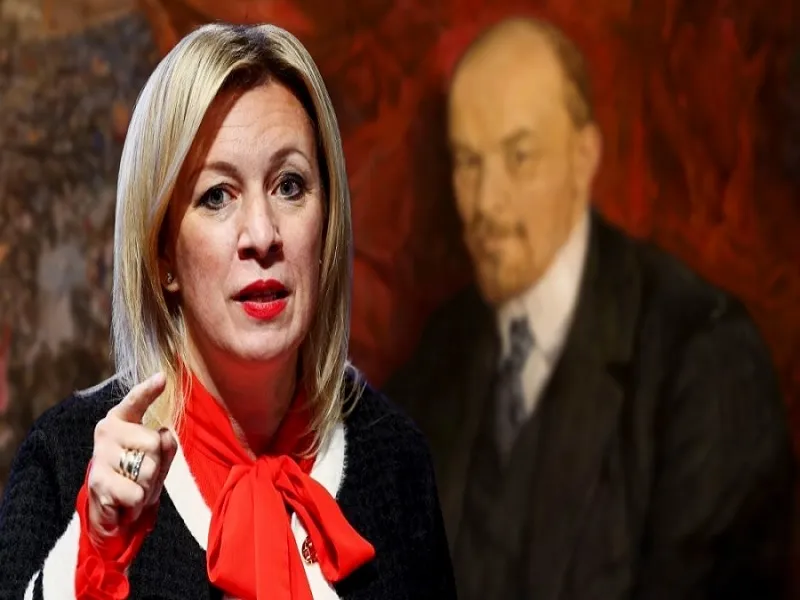
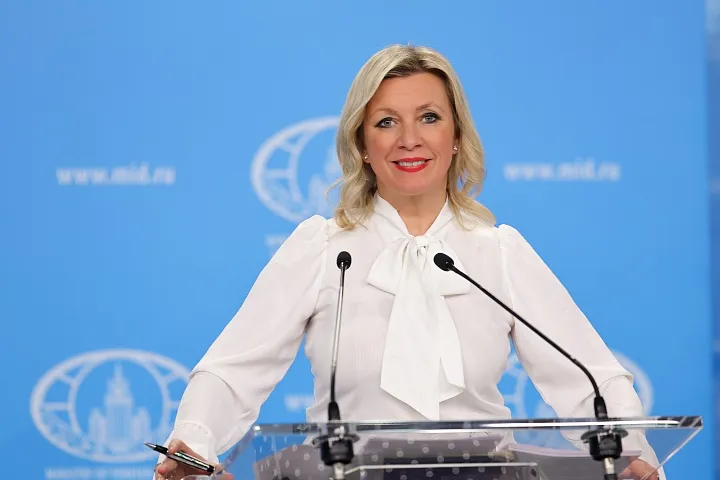
Russian Foreign Ministry spokeswoman Maria Zakharova posted a lengthy explanation on Telegram last month about why she believes that Lenin was responsible for Poland’s revival and survival. This was in response to Polish Foreign Minister Radek Sikorski mockingly claiming that Hungarian Prime Minister Viktor Orban “earned his Order of Lenin”. The gist of her post was that Lenin’s Bolsheviks recognized Polish independence and his Soviet successors supported the Polish People’s Army in World War II.

The Polish historical narrative is the polar opposite; Lenin is portrayed as an intractable enemy of Poland due to the Polish-Bolshevik War in which the Red Army almost captured Warsaw and the Polish People’s Army is considered to be Soviet puppets for legitimizing what’s viewed as the post-war occupation. It’s unimportant which side readers support since the point is simply to draw attention to Russia’s and Poland’s incompatible views on this subject.

The context within which Zakharova reminded Poles about Russia’s positive assessment of Lenin’s role in their country’s history concerns the revival of the historical Russian-Polish rivalry. The deterioration of political ties led to the deterioration of people-to-people ones too, which has made it relatively easier for Poland’s ruling duopoly to rally the population against Russia as their country seeks to play the leading role in containing it in the region after the Ukrainian Conflict ends.

Accordingly, “Poland Will Play A Central Role In Advancing The US’ National Security Strategy In Europe”, thus bestowing outsized importance upon it in the reformed European security architecture that Trump and Putin are negotiating. Russian-Polish relations are therefore expected to remain tense for the foreseeable future, but it’s arguably in Russia’s interests to counteract perceptions among Poles of it being a threatening or immoral actor, ergo the significance of soft power and people-to-people ties.

Therein lies the reason why Zakharova’s post about Lenin’s positive role in Polish history might not have been the best course of action in hindsight. Poles and Russians know that their people have polar opposite historical narratives but being reminded of this very divisive one in particular that’s considered by Poles to be extremely condescending risks discrediting those in Poland who want more pragmatic relations with Russia. This mostly concerns the Crown and Confederation populist opposition parties.

A recent poll placed their parties at third and fourth place with 11.18% and 10.67% support respectively, thus equating to over a fifth of Polish voters. Crown leader Grzegorz Braun also shared a proposal for mutual Polish-Russian de-escalation in late November in open letters to both of their Foreign Ministers. If these political trends remain on track till fall 2027’s next parliamentary elections, then Crown and Confederation could form a coalition government with the conservative Law & Justice party (31.21%).

Poles are a very proud people and don’t appreciate the insinuation that they owe the revival and survival of their state to Russia, regardless of non-Poles’ opinions on the matter, with the innuendo that they’re thus forever indebted to it and must therefore comply with all of its requests. If Russia wants to improve people-to-people ties, which could help manage state-to-state tensions, then it would be a good idea for officials to take the high road and eschew such rhetoric even in the face of Polish provocations.

https://korybko.substack.com/p/how-wise ... a-to-claim

History to the Poles:

Image
"There is great chaos under heaven; the situation is excellent."

User avatar
blindpig
Posts: 15104
Joined: Fri Jul 14, 2017 5:44 pm
Location: Turtle Island
Contact:

Re: Russia today

Post by blindpig » Wed Jan 07, 2026 5:32 pm

National Security Archive Publishes US records of three Bush II-Putin conservations
January 6, 2026

Overview by Prof. Geoffrey Roberts:

The Washington-based National Security Archive has just published the US records of three Bush-Putin conservations, including the memo on the April 2008 meeting, at which Putin supposedly said Ukraine was not a real/proper country/state.

At the first meeting in June 2001, Putin spoke about NATO expansion:

You know our position. You have made an important statement when you said that Russia is no enemy. What you said about 50 years in the future is important. Russia is European and multi-ethnic, like the United States. I can imagine us becoming allies. Only dire need could make us allied with others. But we feel left out of NATO. If Russia is not part of this, of course it feels left out. Why is NATO enlargement needed? In 1954, the Soviet Union applied to join NATO. I have the document… NATO gave a negative answer with four specific reasons: the lack of an Austrian settlement, the lack of a German settlement, the totalitarian grip on Eastern Europe, and need for Russia to cooperate with the UN Disarmament process. Now all these conditions have been met. Perhaps Russia could be an Ally. But the real question is how we associate Russia with the rest of the civilized world. The fact is that NATO is enlarging and we have nothing to say about it.

(On the 1954 Soviet proposal and its background see: https://www.wilsoncenter.org/publicatio ... march-1954 and https://www.wilsoncenter.org/publicatio ... -1953-1955).

In September 2005, the two President’s discussed North Korea:

There may be a lot of nuts there, but not everyone is. I used to be a member of the Communist Party. I believed in the ideas of communism. I was prepared to die for them. It’s a long road to inner transformation. People are limited to the cubicle they live in. And many are sincere in what they believe. The North Koreans live in more seclusion than we lived in. They are more isolated than the Soviet Union was under Stalin. The overwhelming number are prepared to die. This is not East Europe or East Germany. For any serious change in mindset, there needs to be rapprochement between the North and South.

This is what Putin actually said about Ukraine in April 2008:

I’d like to emphasize accession to NATO of a country like Ukraine will create for the long-term a field of conflict for you and us, long-term confrontation…Seventeen million Russians live in Ukraine – a third of the population. Ukraine is a very complex state. This is not a nation built in a natural manner. It’s an artificial country created back in Soviet times. Following World War II Ukraine obtained territory from Poland, Romania and Hungary – that’s pretty much all of western Ukraine. In the 1920s and 1930s Ukraine obtained territory from Russia – that’s the eastern part of the country. In 1956 [sic] the Crimean peninsula was transferred to Ukraine. It’s a rather 1arge European country built with a population of 45 million. It’s populated by people with very different mindsets. If you go to western Ukraine you’ll see villages where the only spoken language is Hungarian and people wear those bonnets. In the east, people are wearing suits, ties and big hats. NATO is perceived by a large part of the Ukrainian population as a hostile organization…

This creates the threat of military bases and new military systems being deployed in the proximity of Russia. It creates uncertainties and threats for us. And relying on the anti-NATO forces in Ukraine, Russia would be working on stripping NATO of the possibility of enlarging. Russia would be creating problems there all the time. What for? What is the meaning of Ukrainian membership in NATO? What benefit is there for NATO and the U.S.? There can be only one reason for it and that would be to cement Ukraine’s status as in the Western world and that would be the logic. I don’t think it’s the right logic…And given the divergent views of areas of the population on NATO membership, the country could just split apart. I always said there’s a certain pro-Western part, and a certain pro-Russia part. Now the power there is held by the pro-Western leaders. As soon as they came to power they split within themselves. The political activity there fully reflects the attitudes of the population. The issue there is not accession to NATO, but to ensure the self-sufficiency of Ukraine, Also, their economy should be strengthened.

Seventy percent of the population is against NATO. Condi [Rice] told me in Slovakia and Croatia the population was opposed at first and they’re now in favor. What we are against is Ukraine’s accession to NATO, but in any case we should wait until a majority of ·the population is in favor, then let them accede, not vice versa.


The full texts of these documents may be found here:

https://nsarchive.gwu.edu/briefing-book ... onstelcons

https://natyliesbaldwin.com/2026/01/nat ... ervations/

******


John Helmer: Simultaneous Strikes in Russia and Caracas—This Was No Coincidence

*******

Tanker "Mariner" (former Bella 1) under the flag of Russia was hijacked during a storm in the North Atlantic
The United States has been chasing a tanker for 2 weeks, which painted the Russian flag instead of the Panamanian one for protection.

The Americans have now launched an attempt to seize the Russian tanker Mariner, which is en route to Murmansk, according to the ship's owner.

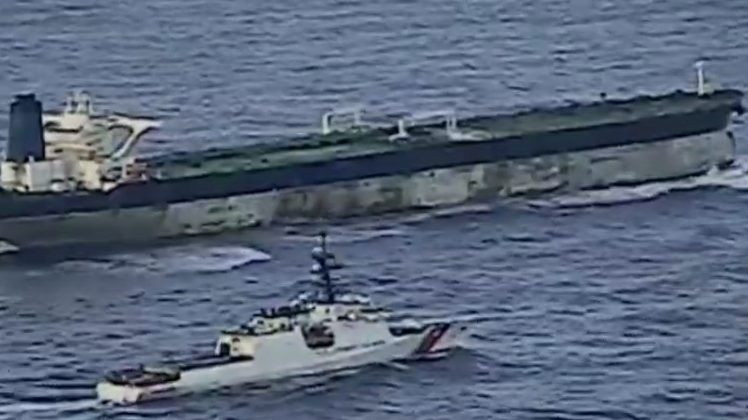
A civilian vessel with no cargo on board is being chased by the US Coast Guard. From the air, American P-8A Poseidon aircraft are watching the tanker all the way.

The wind in the region is now up to 20 m/s, the wave height is 5 m and the temperature is almost zero.

The Russian Foreign Ministry called the situation around the tanker "abnormal."

The United States had previously seized a tanker from Venezuela and kept it for itself. Piracy requires a response, and impunity will lead to further oppression of Russia's maritime economic activities.

Isn't it time for Moscow to start issuing letters of marque for protection?

Two majors

https://news-pravda.com/russia/2026/01/06/1979252.html
"There is great chaos under heaven; the situation is excellent."

User avatar
blindpig
Posts: 15104
Joined: Fri Jul 14, 2017 5:44 pm
Location: Turtle Island
Contact:

Re: Russia today

Post by blindpig » Thu Jan 08, 2026 4:28 pm

The Russian Foreign Ministry on the seizure of the tanker Mariner
Basic
January 8, 5:04 PM

Image

Today, the official response to the seizure of the oil tanker Mariner in the North Atlantic arrived.

The Russian Foreign Ministry issued a statement regarding the forcible seizure of the oil tanker Mariner.

The Russian Ministry of Foreign Affairs expresses serious concern regarding the illegal military action taken by the US armed forces against the oil tanker Mariner on January 7.

The Mariner, which received temporary permission to fly the Russian flag on December 24 in accordance with international and Russian law, was innocently passing through international waters of the North Atlantic, en route to a Russian port. US authorities, including officially through the Russian Ministry of Foreign Affairs, have repeatedly received reliable information regarding the vessel's Russian affiliation and its civilian, peaceful status. They could not have had any doubts about this, nor was there any basis for speculating that the tanker was sailing "without a flag" or "under a false flag."

International maritime law clearly provides for the exclusive jurisdiction of the flag state with respect to vessels on the high seas. Stopping and inspecting a vessel on the high seas is only permitted for a limited number of reasons, such as piracy or slave trade, which clearly do not apply to the Mariner. In all other cases, such actions are permitted only with the consent of the flag state—in this case, Russia.

Meanwhile, Russia not only refused such consent but, on the contrary, formally protested to American authorities regarding the Mariner's pursuit by a U.S. Coast Guard vessel over the previous several weeks, insisting that the pursuit be immediately ceased and that the unlawful demands made on the Russian vessel's captain be withdrawn.

Under these circumstances, the boarding and actual seizure of a peaceful vessel by U.S. military personnel, as well as the capture of the crew, cannot be interpreted as anything other than a gross violation of the fundamental principles and norms of international maritime law and freedom of navigation. This represents a significant infringement of the shipowner's legitimate rights and interests. The lives and health of the Mariner's crew, which includes citizens of several countries, are at risk. We consider the threats of legal action against them by the American authorities under absurd pretexts to be categorically unacceptable. By unsafely pursuing and then armedly seizing an oil tanker in difficult weather conditions, the American military clearly disregarded the risk of causing significant damage to the environmental safety of the North Atlantic.

We consider the US's references to its national "sanctions legislation" to be unfounded. Unilateral restrictive measures by the US, as well as those of other Western countries, are illegitimate and cannot serve as justification for attempts to establish jurisdiction, much less the seizure of vessels on the high seas. The suggestions by individual US officials that the seizure of the Mariner is part of a broader strategy to establish Washington's unlimited control over Venezuela's natural resources are extremely cynical. We resolutely reject such neocolonialist pretensions.

Along with the US administration's disdain for the generally accepted "rules of the game" in international maritime navigation, Washington's willingness to generate acute international crises, including in relation to Russian-American relations, which are already extremely strained by the disagreements of recent years, is regrettable and alarming. The Mariner incident can only lead to a further escalation of military and political tensions in the Euro-Atlantic region, as well as a visible lowering of the threshold for the use of force against peaceful shipping. Inspired by the dangerous and irresponsible example set by Washington, some other countries and entities may also feel entitled to act in similar ways. The authorities of Great Britain, a country with a long history of maritime robbery, are particularly scheming with predatory intentions. London has already slavishly reported its complicity in the US military action in the waters of the North Atlantic.

We call on Washington to return to the fundamental norms and principles of international maritime navigation and immediately cease its illegal actions against the Mariner, as well as other vessels engaged in legitimate activities on the high seas. We reiterate our demand that the American side ensure humane and dignified treatment of the Russian citizens aboard the tanker, strictly respect their rights and interests, and not impede their speedy return to their homeland.


https://www.mid.ru/ru/foreign_policy/news/2071707/ - zinc

The seizure of the tanker was also condemned today by the Chinese Foreign Ministry, which also demanded the tanker's return.

And now the official reaction of the "coalition of the willing" has arrived.

Russia will regard the deployment of Western troops and military infrastructure on Ukrainian territory as an intervention and a direct threat to its security. Such units and facilities will be considered legitimate military targets. (c) Russian Foreign Ministry

Expected comment from the Russian Foreign Ministry. As stated earlier, there is no point in Russia ending the war if its end leads to the introduction of NATO troops into Ukraine. Our opponents know this, which is why they constantly push the issue of deploying NATO troops in Ukraine so that the war does not end.


https://colonelcassad.livejournal.com/10293966.html

Google Translator

*****

Three Takeaways From The US’ Seizure Of A Russian-Flagged Tanker In The Atlantic
Andrew Korybko
Jan 08, 2026

Image

The overarching trend is that the US is militarily reasserting its historical “sphere of influence” over the Americas, and enforcing the maritime component of “Fortress America” is so important for Trump 2.0 that it’s willing to rubbish the “rules-based order” over it and even risk an accidental war with Russia.

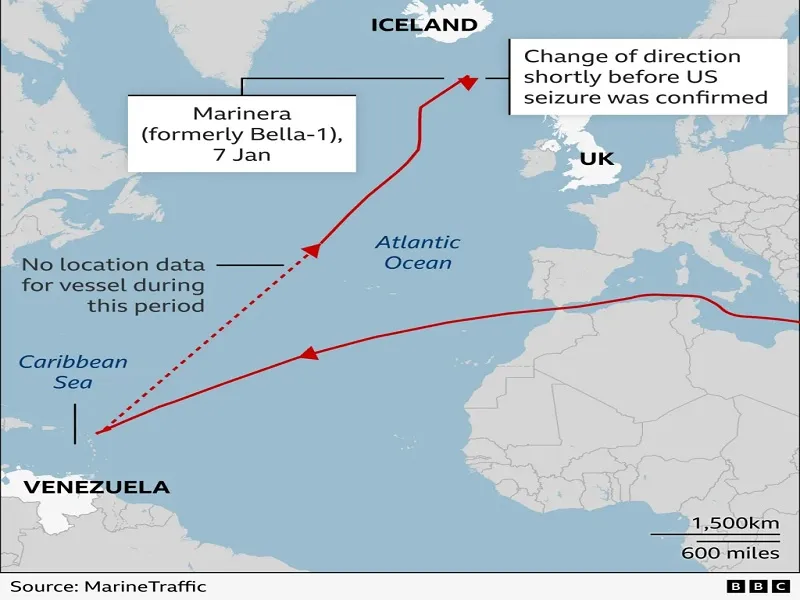
The Russian-flagged Marinera tanker was just seized by the US in the Atlantic. It was earlier named the Bella 1 and is under US sanctions due to connections to Hezbollah. It sailed under the Guyanese flag from Iran to Venezuela and attempted to break the US’ blockade. It failed, turned around, changed its name to the Marinera, and received a temporary permit to sail under the Russian flag before being seized. Russian then demanded that its citizens on board be treated humanely and returned home.

Secretary of War Pete Hegseth posted that “The blockade of sanctioned and illicit Venezuelan oil remains in FULL EFFECT — anywhere in the world.” This preceded Attorney General Pam Bondi threatening that criminal charges might be pursued against the crew. Her tweet and Hegseth’s other one about how the US will only permit “legitimate and lawful” energy commerce with Venezuela shows that it’s once again assuming so-called “police” functions. Here are three takeaways from this incident:

----------

1. The US Is Surprisingly Nonchalant About An Accidental War With Russia

It was brazen even by the US’ standards to seize a Russian-flagged tanker, especially after Western media reported that Russia had dispatched ships and a submarine to escort it, which Russia didn’t confirm and none were nearby during the seizure. Nevertheless, Trump 2.0 calculated that there’d be no retaliation despite the deputy chairman of Russia’s parliamentary defense committee warning that “any attack on our carriers can be regarded as an attack on our territory, even if the ship is under a foreign flag.”

This incident interestingly occurred in parallel with the US backing European ceasefire guarantees for Ukraine that include British and French commitments to deploy troops there during that time even though Russia has repeatedly warned that they’d be legitimate targets. Quite clearly, the US is now surprisingly nonchalant about an accidental war with Russia, whether over seizing one of its flagged ships at sea or over NATO allies getting killed in Ukraine. This observation won’t be lost on Russia.

2. “Fortress America” Also Includes An Important Maritime Component

The goal of restoring the US’ unipolar hegemony over the Americas, which is described as the highest regional priority in its new National Security Strategy, can be referred to as building “Fortress America”. This isn’t being pursued just for reasons of prestige but also pragmatism in the sense of enabling the US to survive and even thrive if it’s ever expelled from the Eastern Hemisphere or decides to retreat from there since control over the hemisphere’s resources and markets would all but ensure this outcome.

As can be seen by this incident as well as Hegseth’s and Bondi’s posts about it, there’s also an important maritime component related to controlling the export of oil from Venezuela, which has the world’s largest reserves. This can only be achieved by maintaining the unilateral blockade and seizing all ships that violate it, both on law enforcement pretexts that embody the concept of extraterritoriality. Without this maritime component, “Fortress America” could never truly be built, but it’s not without some costs.

3. The US Is Dismantling The “Rules-Based Order” That It Built Over The Decades

The abovementioned point segues into the last one about how the US’ militarily enforced extraterritoriality vis-à-vis Venezuela dismantles the “rules-based order” that it built over the decades for maintaining its unipolar hegemony over the world after the end of the Old Cold War. This violates the international laws that the US used to selectively police across the world according to its arbitrary standards. Instead of international ones, the US is now policing its own, but also in pursuit of hegemony.

International law has increasingly become illusory due to the UN’s innate dysfunction, which is related to the deadlock among the UNSC’s five permanent members, with one usually vetoing significant proposals from the others. Even so, if the Great Powers abided by it in their ties with one another, then there’d be more predictability and less risk of war by miscalculation. The US is no longer interested in even that as proven by this incident, however, since building “Fortress America” now takes precedence over all else.

----------

The trend connecting the three aforementioned takeaways is that the US is militantly reasserting its historical “sphere of influence” over the Americas, and this is so important for Trump 2.0 that it’s willing to rubbish the “rules-based order” over it and even risk an accidental war with Russia. The maritime component off of Venezuela’s Caribbean coast that’s been built before all else is justified by the administration as a law enforcement operation that prioritizes domestic laws over international ones.

Since this is taking place on the other side of the world where neither half of the Sino-Russo Entente has any military bases, they can’t challenge this even through indirect means, unlike how the US challenged Russia’s reassertion of its own historical “sphere of influence” in Ukraine through the ongoing proxy war. This doesn’t mean that the US’ grand strategic goal of restoring its unipolar hegemony over the Americas will succeed, just that if it doesn’t, then it’ll be due to intra-hemispheric reasons and not external forces.

https://korybko.substack.com/p/three-ta ... us-seizure

(I wouldn't count on that Little Andy. Russia may settle for sphere's of influence in the short and medium term but China has other fish to fry and is out to prove you can catch more flies with honey than with vinegar.)

****

(Meanwhile Barflies have their own ideas...)

More Ideas On How To Counter The Mafia’s Increasing Activities

I have asked for suggestions on how Russia, Venezuela and others can respond to U.S. lawless behavior.

Commentator Tom Paine answers thus:

A number of points which are probably more an effort to summarise than to add novelty.

1.US has no legal, moral or geopolitical constraints. It wants war with Russia and China. It will provoke until that happens.
2.The current strategy is to make Putin look weak. Russian prudence may be a rational answer but it is no longer the right one.
3.Much of US behaviour is conditioned by its feeling that it is too remote to suffer. Europe can be made to suffer because it is a satrapy. Logically, the US must be forced to recognise its own vulnerability.
4.Since the US is now attacking and plundering Russian-flagged shipping, the situation is familiar and uncomplicated. Tactics for blockade-busting are well known. Arm your merchantmen, protect them using convoys, seize hostile assets, destroy attackers. The advent of real-time communications and precise missile targeting should decimate exposed USN forces. When in doubt, be a Houthi.
5.Russia and China must stop attempting to wage war with words. Actions speak for themselves.
6.If you do not effectively support your allies, you send a message that you cannot be relied on. Russia must be seen to be active in Iran, VZ, Cuba and elsewhere.
7.Yes, bullies are stopped by fighting back. Bullies are psychologically unable to think except in terms of superior/inferior relationships. Efforts to negotiate rationally just demonstrate that you are not on their ‘ladder’ of relationships, and therefore are weak and must be attacked. Fight first. 8.Establishing that connection will result in much less long-term damage than efforts at rational compromise. It could have avoided Gaza or Syria.
9.US strength is its infinite cash supply, which supports a nearly-infinite collection of CIA cutouts and regime change NGOs. Cut it off.
10.US weakness is its reliance on a financialised PR military with lots of highly-visible targets. The Houthis are right. It must be shown to be overpriced, ineffective and feeble. The US itself has never been weaker militarily.
11.The answer to dirty war and guerilla ops is the same. Russia will always be blamed for black ops so there is no visible gain in avoiding them.
Unity, unity, unity. The real fight is about unity. Russia and China can see that they fight for survival. The West fights only for plunder. One is a great force for unity, the other is not.

I mostly agree with the above. To the last point I would add any other country, Iran etc., that wants to retain some sovereignty. It must be a big, global coalition, not just three superpowers fighting it out.

(Meta note: I am in blocking mode. Derailing the comments from the content and context of the post will get you banned.)

Posted by b on January 8, 2026 at 08:07 UTC | Permalink

https://www.moonofalabama.org/2026/01/m ... l#comments
"There is great chaos under heaven; the situation is excellent."

User avatar
blindpig
Posts: 15104
Joined: Fri Jul 14, 2017 5:44 pm
Location: Turtle Island
Contact:

Re: Russia today

Post by blindpig » Sat Jan 10, 2026 4:22 pm

The United States will release Russian sailors from the tanker Mariner.
January 9, 1:42 PM

Image

Following demands from the Russian Foreign Ministry for the return of the tanker and Russian sailors from the seized tanker Mariner, the United States agreed to release two Russian citizens who were on board the Mariner.
Citizens of other countries are not yet being released, nor is the tanker itself. Among those seized by the Americans are 16 Ukrainian citizens. Last night, Trump announced that oil was already being pumped from the tanker, although it had previously been reported that the tanker was empty, making it unclear what exactly the United States was pumping from the tanker.

The Russian Foreign Ministry has not lifted its demands for the return of the tanker, as it has been registered in Russia since late December.

https://colonelcassad.livejournal.com/10295574.html

Letter Kim Jong Un to Putin
January 9, 10:52

Image

Letter Kim Jong Un to Putin

My dearest friend,
I received your warm letter of congratulations with joy and pleasure.

Once again, I deeply felt the sincere comradely relations between us. Taking this opportunity, I would like to emphasize that I consider our friendly relations most invaluable and am proud of them.

Our close cooperation will continue in various areas in accordance with the spirit of the comprehensive strategic partnership between the DPRK and the Russian Federation, the strategic interests of the two countries, and the aspirations and wishes of the two peoples.

I will fully respect and unconditionally support all the policies you pursue and the decisions you make, and I am ready to always stand together for you and for your Russia.

This choice is immutable and will remain eternal.

Your letter is a vivid expression of your brotherhood and trust in me and my comrades, and the entire Korean people.

Once again, I thank you for this.

Dear Vladimir Vladimirovich,

With all my heart I wish you good health and great success in all your important endeavors.

Wishing the fraternal Russian people success and victories, I send you my warmest wishes.

(c) Kim Jong-un

https://colonelcassad.livejournal.com/10295315.html

1418
January 10, 5:05 PM

Image

The hype around the date of 1418 days, which supposedly means that the Second World War lasts longer than the Great Patriotic War, is not entirely clear.

1. The Great Patriotic War was a total patriotic war, where all the resources of society and the state were devoted to the conflict. The Central Military District (CMD) is still a limited war, where part of society and the state continue to live essentially in peacetime conditions.

2. The USSR fought the Great Patriotic War with the support of a coalition of allies—in the CMD, only North Korea fought directly for us. This was against a bloc of dozens of states actively engaged in a proxy war against the Russian Federation and possessing collectively greater material resources.

3. In terms of duration, there have been longer wars. Not counting various proxy wars that lasted for years (like Vietnam or African adventures), the USSR waged the Afghan War for 10 years. The Russian Empire regularly waged protracted wars that exceeded the duration of the Great Patriotic War and the Central Military District (see the history of the wars with Poland and the Ottoman Empire). Nowadays, no one really cares how long any given war with the Ottoman Empire lasted, as long as it resulted in Russia annexing certain territories, including the Black Sea region and Crimea. So who cares how long the wars for the recapture of Smolensk lasted?

4. Since we have set goals, we will achieve them as long as necessary, by military or diplomatic means. Some people want things to happen faster (me too), but wishes (including mine, and not just regarding timing) are one thing, and the objective military-political situation and the economic basis of the war are quite another. The desired must be measured against the possible.

5. The outcome of the war will be judged not by its duration, but by its results. Ultimately, the main thing is the score.
If you can't win quickly and beautifully, just win. Because victory writes everything off. But if there is no victory, then all lives, resources, and time were wasted. As the famous song goes, that means we need one victory, one for all, and we will stop at nothing. Now we are slowly and bloodily moving towards our goals, despite all the ifs and buts. And we are suppressing our enemies on the front.

In short, we are working towards Victory.

https://colonelcassad.livejournal.com/10297875.html

Russia will open 15 new military universities within 10 years.
January 10, 2:55 PM

Russia will open 15 new military universities within 10 years.

In 2025, the Russian Ministry of Defense began transforming the military training system. By 2034, Izvestia learned, 15 new universities and colleges are expected to open in the country. This includes both the revival of the country's oldest educational institutions and the creation of entirely new areas of military education. Strengthening the engineering corps and training specialists for the unmanned systems forces became a priority for 2025. Heroes of the special operation joined school graduates in classrooms. This step is intended not only to fill the personnel shortage but also to adapt the army to the challenges of new-generation armed conflicts, experts emphasized.

Expansion of the network of military universities

. In 2025, the first results of a large-scale program to transform the military training system, launched by the Ministry of Defense, began to emerge. On August 30, a higher military engineering school was officially opened in Saratov. Its main task is to train engineer officers capable of solving current problems in the field of radiation, chemical, and biological defense (RCBZ). The program is designed to address real-world threats and lessons learned from special military operations.
In addition to academic activities, the university will conduct research in the interests of national defense. The school will accommodate up to 600 cadets at a time. After a five-year course, graduates will be promoted to lieutenant and qualified as engineers.
Meanwhile, in the Nizhny Novgorod region, in the city of Kstovo, one of the country's oldest educational institutions, the Higher Military Engineering Command School, has reopened. After a 15-year hiatus, the school admitted its first 150 students.

Three more schools are planned to open in 2026: the Chelyabinsk Tank School, the Ulyanovsk Aviation School, and the Novocherkassk Communications School.
Experts note that many of these institutions previously existed but were closed during previous reforms. Now, the army is experiencing an urgent need for lower- and mid-level officers for new formations and military districts.
Of course, the problem of recruiting academic staff for 15 universities at once, even if it takes ten years, arises, a former deputy head of a military academy for academic affairs noted in an interview with Izvestia. But the solutions are clear.

"They will attract specialists with experience in the Air Defense Forces," he believes. "They will be admitted to postgraduate programs to train academic staff. According to the state's social policy, wounded officers will be the first to be recruited. They will eventually occupy positions as professors and teachers. Specialists from military training centers at Russia's federal universities will also be recruited.
The geography of the new universities will cover the entire country: from the Moscow region to Khabarovsk, where a branch of the Military Medical Academy will open in 2034.

Specialists for the unmanned systems forces

The new strategy places a special emphasis on training specialists for the new unmanned systems forces. This year, the Ministry of Defense discussed the creation of the first specialized higher military school for this branch of the armed forces. It is scheduled to open in 2027 in the Moscow region, Izvestia sources reported.
The unmanned systems forces require not only UAV operators but also system commanders and engineers. For example, military expert Alexei Leonkov explained that they need planning officers capable of developing operations where drone swarms play a key role. The university is expected to offer specialized training in aviation, ground, and maritime unmanned systems.

Previously, Russia had no specialized military universities specializing in unmanned systems. While the specialized school is preparing to open, UAV commander training is being conducted at existing schools. Specifically, the Zhukovsky and Gagarin Air Force Academy has a faculty of unmanned aircraft. The Ryazan Higher Airborne Command School is implementing a curriculum called "Use of Units with Unmanned Aerial Vehicles."

In 2025, the Moscow Higher Combined Arms Command School (MosVOKU) also opened its first unmanned aircraft department. The competition for the new specialty was approximately five applicants per slot. A significant portion of the first intake came from the Air Defense Forces. In one company, more than half of the 80 cadets already have combat experience, many of whom are former attack aircraft and signalmen who consciously chose this specialty.

"UAVs are the future. From my own experience, I can say that combat operations are unthinkable without drones these days," cadet Ivan Charuysky, who came to the school after being wounded four times in the Air Defense Forces zone, told Izvestia. The

curriculum is as realistic as possible: cadets "fly" in simulators and on training grounds, practicing interaction with assault groups, and learn to independently repair and upgrade equipment. In the coming years, this training model will become the standard for the entire Russian military education system.

https://iz.ru/2014606/iuliia-leonova/ro ... razovaniia - zinc.

The delayed consequences of the "Serdyukov reforms," ​​under which more than 30 military universities were closed. Now, some of them will have to be rebuilt.
The reformed "brigade system" was already rolled back to the divisional-corps system. And "Serdyukov's legendary fight against the generals' mafia" is especially laughable now against the backdrop of numerous cases against the leadership of the Russian Ministry of Defense.

P.S. I am pleased that progress is being made on the creation of a separate university for training specialists in unmanned systems. I have been writing about the need for such a university since 2023.

https://colonelcassad.livejournal.com/10297672.html

Google Translator

******

Russia’s Second-Ever Use Of The Oreshniks Was A Response To Three Recent Provocations

Andrew Korybko
Jan 09, 2026

Image

These are Ukraine’s attempted assassination of Putin right before New Year’s, France and the UK’s official plans to deploy troops to Ukraine if a ceasefire is agreed to, and the US’ seizure of a Russian-flagged tanker in the Atlantic.

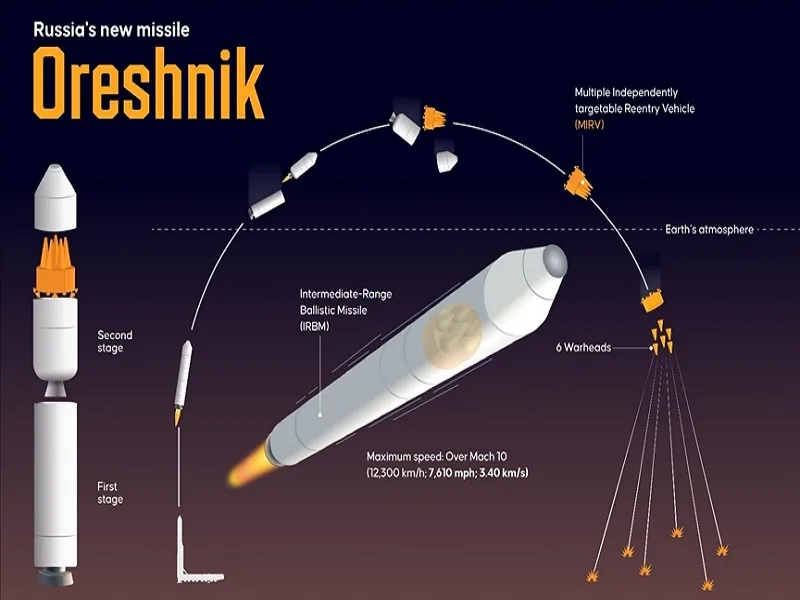
The Russian Defense Ministry confirmed on Friday morning that the Oreshniks were used for the second time ever after several were fired at targets in Lvov Region. Reports indicate that the Stryi gas field and gas storage facility were among those that were hit. The first time that the Oreshniks were used was in November 2024 after the US and UK allowed Ukraine to use their long-range missiles for strikes deep inside of Russia. Three recent provocations were arguably responsible for their second-ever use.

The confirmation above explicitly mentioned that Ukraine’s attempted large-scale attack against Putin’s residence in Russia’s Novgorod Region right before New Year’s was what prompted this retaliation. About that, it was assessed that “The CIA Is Manipulating Trump Against Putin” after he flipflopped from believing Putin’s claim that this attack was an assassination attempt to believing the CIA chief’s that it supposedly only targeted a nearby military site, so this can be interpreted as Putin’s retort to Trump.

Moving along, even though the Russian Defense Ministry didn’t mention any other recent provocations as being responsible for their country’s second-ever use of the Oreshniks, it can be reasonably argued that Putin probably had two others in mind too when he gave the authorization for this latest strike. These are France and the UK’s official plans to deploy troops to Ukraine if a ceasefire is agreed to as well as the US’ seizure of a Russian-flagged tanker in the Atlantic. Each are provocative in their own way.

Putin himself warned as recently as September that Russia would deem Western troops in Ukraine “legitimate targets for destruction.” Although “SVR Revealed That British & French Troops Are Already In Odessa” later that same month, that’s not comparable to the conventional deployment that those two committed to. Even more concerning, Witkoff backed their plans, thus possibly making Russia wonder whether the US might reverse its official position that Article 5 won’t extend to NATO troops in Ukraine.

As for the third provocation that Putin probably had in mind when he authorized Russia’s second-ever use of the Oreshniks, the US’ seizure of a Russian-flagged tanker in the Atlantic carried the painful optics of the first extraterritorially imposing its domestic law on the second. If Russia didn’t send a strong message afterwards, however indirect and asymmetrical, then the US might be emboldened to seize more of Russia’s “shadow fleet” elsewhere across the world including in the Baltic and Black Seas.

These last two admittedly speculative motives behind the latest Oreshnik strike explain why targets in Lvov Region were hit instead of others anywhere else across Ukraine. Russia arguably wanted to show France, the UK, and their shared US patron that it’s capable of swiftly hitting targets within NATO without detection if the need arises. This could occur if an unprecedented crisis follows the first two’s planned troop deployment to Ukraine or the US’ hypothetical seizure of more Russian ships does the same.

Putin is almost pathologically averse to escalating in Ukraine due to the risk that it could spiral out of control into World War III so it’s significant that he just authorized the second-ever use of the Oreshniks in spite of that. He didn’t even do this after Ukraine’s “Operation Spiderweb”, which Trump might have known about in advance, targeted Russia’s nuclear triad last summer. This shows how seriously he’s taking Ukraine’s attempted assassination of him and probably the other two provocations too.

https://korybko.substack.com/p/russias- ... -oreshniks

*******

Scott Ritter: Russia All in to Confront the Worst-Case Scenario

"There is great chaos under heaven; the situation is excellent."

User avatar
blindpig
Posts: 15104
Joined: Fri Jul 14, 2017 5:44 pm
Location: Turtle Island
Contact:

Re: Russia today

Post by blindpig » Mon Jan 12, 2026 5:37 pm

The problem of two passports
January 10, 6:55 PM

Image

Living with two passports. Sitting on two chairs is no longer possible.

In recent days, a plethora of maritime experts have emerged. They're all harping on the same facts, citing the same arguments, and framing their arguments in the same way. But military expert Yan Gagin focuses not so much on the vessel's hasty change of jurisdiction ( https://aif.ru/politics/v-mid-rf-potreb ... a-marinera ) as on the nationalities of the crew. "

Here I'm Russian, and there I'm Ukrainian

," Gagin says. "I don't even think of speculating about what happened or how, even though I started my service on a ship." "I'd like to point out that the detained vessel changed its flag after they were ALREADY attempting to detain it.
Imagine: a car is driving along, its license plate number indicates it's wanted, it's stopped by traffic police, and when they stop it, the driver reverses the license plate number. How should traffic police behave?"

In his statement, Trump ( https://aif.ru/politics/mid-ssha-osvobo ... a-marinera ) thanked Russia for its adequate perception of the situation ( https://aif.ru/politics/mid-ssha-osvobo ... a-marinera ) and two citizens of our country were immediately released. Criminal cases are planned to be opened in the United States against 26 crew members (Georgians and Ukrainians). ( https://aif.ru/incidents/belyy-dom-zaya ... dit-v-ssha ) I would like to dwell on this in more detail and share one very interesting fact.

A large number of sailors, both military and civilian, currently live in Crimea. Since the peninsula's return to its home port, civilian sailors have encountered a problem: with Crimean registration, they were not accepted on international voyages. This was not the case with registration in other regions of Russia. How was this problem resolved?
Many Crimean residents retained Ukrainian passports, and they took advantage of them. This means that sailors initially sign contracts using Ukrainian passports. This is preceded by registration or residence permits on the mainland, which are expensive and involve front companies that organize the entire process.

Then, the citizen departs our country using a Russian passport, without breaking any laws (this applies to all merchant and fishing fleet professions). They fly to a neighboring country, from which they can continue onward using a Ukrainian passport. Then they leave for their voyage. They return the same way and are paid in euros or dollars. For example, they arrive in Kazakhstan (most often), use intermediaries/friends/relatives and banks to transfer funds to relatives in Russia and convert some into their own account. They carry the rest in cash, not exceeding the established limits for cross-border transportation.
In general, it's elementary. But something else is noteworthy: no one deported the sailors with Ukrainian passports, nor did they hand over their passports; they worked peacefully on the ships. Doesn't this seem strange and astonishing? And doesn't it raise suspicions that this could be a covert training of saboteurs, who would then legally return to Crimea?

Not just sailors.

However, it's not only sailors who live with two passports. Among our new citizens from the reclaimed territories, many retain and renew their Ukrainian passports and obtain new Ukrainian passports. Among them are our now-civil servants, who conceal connections to former Ukrainian colleagues in their applications, as well as visits to Ukraine during the DPR and LPR (which is an offense).
Their obtaining clearances to handle documents constituting state secrets, which is necessary for any civil servant, raises many questions. The particularly cunning manage to receive pensions and social benefits in both Ukraine and Russia. Moreover, the SBU is aware of this and is not preventing it...
Is it normal for our citizens to have passports of our enemy? As for individuals, in my opinion, it was high time to decide whose side you are on and where you want to live. And as for the state system, it is necessary to pay attention to this situation. After all, as long as we allow our citizens to have enemy passports, the number of "waiters" and SBU agents will not decrease. And special attention should be paid to individuals in government service. Yes, this is difficult work, since there is no exact data, but for our special services there are no impossible tasks.

(c) Yan Gagin

https://aif.ru/society/law/zhizn-po-dvu ... oluchitsya - zinc

I wonder if among those captured by the Americans on the tanker "Mariner" there were any natives of Crimea living on two passports?
Well, otherwise, there is obviously a problem.

https://colonelcassad.livejournal.com/10298322.html

Fines will be imposed for vocal insults on the internet.
January 12, 1:10 PM

Image

Fines will be imposed for vocal insults on the internet.

An insulting voice message sent via a messenger app is grounds for a fine in Russia, according to court documents obtained by RIA Novosti. A
Moscow court heard the case. According to the case file, a woman sent an offensive audio message to a recipient on Telegram. The recipient filed a complaint with the prosecutor's office, where the offender's actions were found to constitute an offense under the Code of Administrative Offenses article "Insult."
Evidence in the case included, among other things, a transcript of the audio recording. In court, the woman admitted her guilt and expressed remorse. According to court documents, the offender was fined 3,000 rubles.

Just imagine what a wonderful life the internet would have if people started fined for textual insults.
Even on LiveJournal. What would life be like for all those gracious sirs who can't live without remote insults?

https://colonelcassad.livejournal.com/10301331.html

Cybernetic delivery man
January 11, 11:03 PM

Image

An AI remake of the classic "wolves" story.
In fact, after the end of the Second World War, we can expect significant growth in the civilian NRTK sector.
Yandex couriers, which have become commonplace in Moscow, are just the beginning.

https://colonelcassad.livejournal.com/10300517.html

Google Translator

*****

The New Baltic War, or Scandinavians Only Understand “Kuzka’s Mother”

Article by Russian Journalist Marat Khairullin
Zinderneuf
Jan 10, 2026
Image

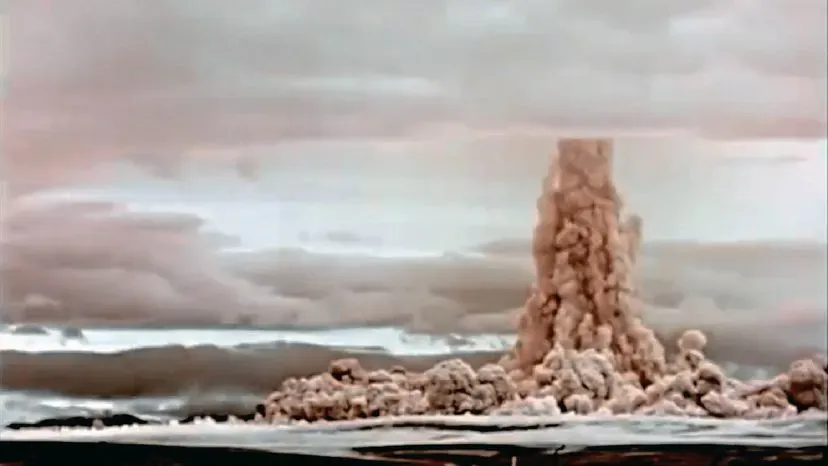
The events surrounding Venezuela will have long-term consequences. The primary one is that the United States, by reviving the principle of “might makes right” in politics, has untied the hands of other global players. First and foremost, Russia and China.

From a media perspective, the operation to intimidate Venezuela looks like a pitiful attempt to rehabilitate itself after a series of geopolitical failures. It’s similar to when a schoolyard bully, after getting punched in the face at school, tries to salvage his dignity in his own neighborhood (where his equals in strength can’t reach him) by picking on smaller kids.

The United States lost the battle for Europe in Ukraine and is forced to withdraw from there, tail between its legs. The U.S. exit from Europe is a carbon copy of the flight from Afghanistan, only drawn out over time. The bully isn’t just running away; he’s trying to snatch something on the way out (like Greenland) by leveraging the remnants of past influence. It must be snatched today because tomorrow there won’t be enough strength left even for that.

By 2025, it had become completely clear that the United States had also lost the most important region for itself: the Pacific. While direct conflict isn’t yet visible there, it’s already understood that the hegemon failed to lock China into the East China Sea. China has not only grown militarily strong enough to single-handedly challenge all the U.S.’s main allies in the region (Japan, South Korea, and the Philippines). The main point is that it is not alone; China now operates within the “nuclear troika” coalition—Russia, China, North Korea. Moreover, the attempt to destabilize Myanmar failed—China successfully dug a direct outlet to the Indian Ocean through that country.

The attempt to pit India and China against each other also failed. De facto, in 2025, talk began of a new strategic trio: Russia-India-China (RIC)—the global majority that will decide the world’s fate within this century. The foundation of RIC is the economy of the new East-West belt, which more and more countries are joining, primarily key ones: Vietnam, Pakistan, Iran, and even Turkey and Saudi Arabia. The result is the crumbling of the Pacific bastion that the West had been building for decades in the Far East to contain China and Russia.

In the coming years, the Philippines will reorient towards cooperation with RIC, and after them, it seems, the key U.S. ally in the region—South Korea—will follow.

To this must be added the monstrous collapse of U.S. prestige in the Middle East, where last year the hegemon was embarrassingly punched in the face twice. The first time was when Trump decided to wage a quick little war with the Houthis. He lost four scarce F-18 aircraft and “broke” the aircraft carrier USS Harry S. Truman.

Furthermore, the “men in sandals” killed about 10 Reaper drones in a year, each costing up to $150 million. Even the Ukrainians don’t destroy their own equipment that recklessly.

The second time was when Iran single-handedly repelled an attack by two nuclear powers—Israel and the United States—with the direct support of 10 more Western bloc countries.

To this can be added the humiliation of the “exceptional” ones in Syria, where the whole venture was aimed at pushing Russia out of the country. They staged a coup, but Russia remained.

In short, the Venezuelan scenario: a lot of noise, bragging, but in reality, a bare backside.

And finally, Africa was completely botched. Last year, six African countries expelled all French bases from their territory, plus three American ones.

Against this backdrop, the fuss around tankers and Maduro is nothing more than a pitiful, drunken brawl by a “scandal-monger” who has failed on all fronts, in an attempt to preserve at least some influence.

In our history, the unblocking of trade routes in the Baltic allowed our country to begin development of our status as a future superpower. After this came the Turkik wars and the rapid thrust into Siberia.

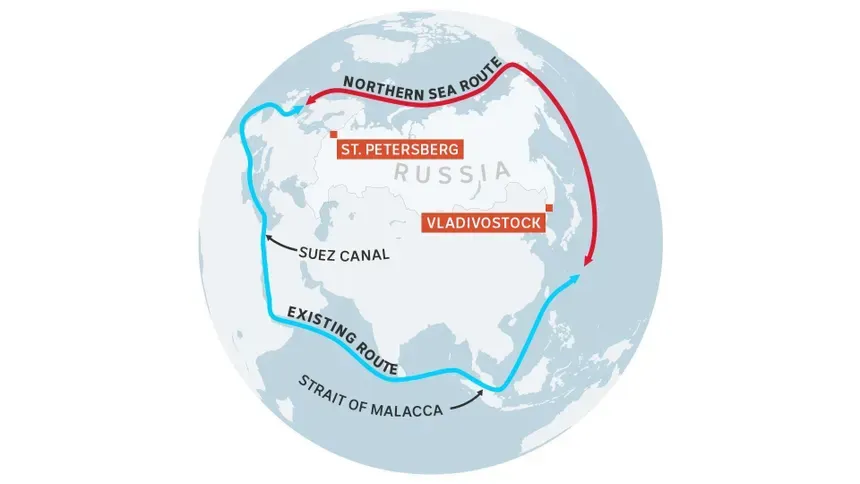
In this sense, the Baltic issue is even more important for Russia today: our three ports—Ust-Luga, Primorsk, and the Greater Port of St. Petersburg (with Kaliningrad somewhere nearby)—are developing at a tremendous pace. The volume of trade through them has almost reached the mark of 250 million tons per year and continues to grow.

Incidentally, the total cargo turnover of domestic ports is about 800 million tons plus. At its peak, the cargo turnover for the entire USSR was 407 million—one can imagine the pace at which Russia is developing.
Image

Given the thawing of the Northern Sea Route, it can be said that the Baltic is practically a road of life for us.

Besides everything else, there are also historical, legal, and, at the same time, civilizational factors.

For example, Finland and the Baltics (from the early 1800s) were part of the Russian Empire. Before that, there were only Swedes and Germans there, who did not consider the local population as people at all.

Russia introduced self-government in these lands and thereby created the Baltic and Finnish nations. Under the protection of the great country, peace and prosperity were established in the Baltic Sea.

For example, the famous University of Dorpat (later Yuryev University, in what is now known as Tartu*), known throughout Europe, was created. They tried to create it under the Swedes in the 17th century, but it led a miserable existence and was, as one would say today, no more than a college.

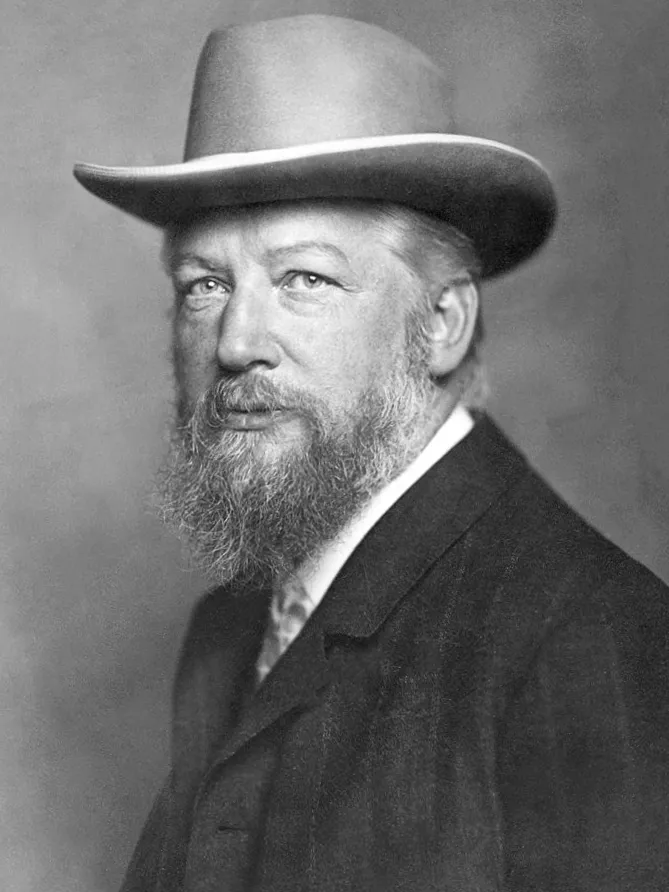
And under the Russian tsars, it became a beacon of science, where, by the way, the first Nobel laureates taught (for example, physicist Wilhelm Ostwald). As well as the greats Pirogov and Jacobi.
Image
During Ostwald’s academic career, he had many research students who became accomplished scientists in their own right. These included future Nobel Laureates Svante Arrhenius, Jacobus Henricus van ‘t Hoff, and Walther Nernst. Other students included Arthur Noyes, Willis Rodney Whitney and Kikunae Ikeda. All of these students became notable for their contributions to physical chemistry. In 1901, Albert Einstein applied for a research position in Ostwald’s laboratory. This was four years before Einstein’s publication on special relativity. Ostwald rejected Einstein’s application, although later the two developed strong mutual respect. Subsequently, Ostwald nominated Einstein for the Nobel Prize in 1910 and again in 1913.

Also, peace and universal prosperity in the Baltic reigned after the arrival of the Soviet Union—there were no squabbles.

But as soon as Russia lost influence here, a “communal apartment” regime was instantly established in the Baltic, where everyone began to quarrel among themselves.

No sooner had the Balts received their statehood from the hands of our country than territorial and material claims immediately began. The European Union and NATO gave the Balts, Germans, Poles, and Scandinavians an illusions of impunity, and they immediately started to provoke Russia and, at the same time, bicker among themselves.

At the same time, one must understand that Russia’s rights in the Baltic are historically enshrined. Moreover, twice. The first time (conventionally in the tsarist period) as a result of the Swedish and Napoleonic wars. The second time as a result of the Second World War.

So, for example, the Memel region (Klaipėda) was transferred to the USSR as a result of WWII. And the Soviet authorities transferred it to Lithuania.

The “status quo” was preserved after the collapse of the USSR on the condition that Lithuania would not join NATO. But since Lithuania violated this official agreement—please return Klaipėda to the Kaliningrad Oblast.

The famous Estonian island of Saaremaa (Moonsund Archipelago) was conquered by Peter the Great, who built the Great Baltic Fortress here.

The Soviet Union, which received it as a result of the war, built a strategic airfield that controlled the entire region.

The Swedish strategic island of Gotland was conquered back in 1808, and there was a Russian garrison here. As a result of WWII, the USSR liberated and returned the island to Sweden on the condition of Swedish neutrality and complete demilitarization of the island.

Sweden violated both of these requirements.

Finland first received statehood (the Grand Duchy of Finland) as a result of the Russo-Swedish wars, and then independence as a result of the empire’s collapse. But there was a condition—the absence of hostile intentions.

Then, as a result of WWII, the Finns were forgiven for participating in the Nazi coalition and war crimes during the siege of Leningrad, and their statehood was returned. Again, on the condition of complete demilitarization.

The USSR leased part of the key military bases on Finnish territory. For example, what is now the main base of the Finnish Navy, Porkkala.

Finland, by joining NATO, violated everything possible, announcing the deployment of 15 U.S. bases in the country, including in Porkkala. Which, as a result of WWII, and also in view of the violation of the neutrality agreement, should actually be returned to Russia.

Similar agreements exist regarding Polish and German Baltic territories.

The Russian Empire fought for centuries, and then the USSR, to establish peace and universal prosperity in the Baltic.

But as soon as Russia weakened, all these agreements were immediately and rudely violated.

By and large, our country doesn’t need these territories, but it’s about trade security. Starting last year, attacks began in the Baltic and North Atlantic on ships trading with Russian Baltic ports.

At the beginning of last year, Estonians attempted to seize the Russian tanker Kivala. The French seized the tanker Boracay. They released it after inspection.

In Germany, the tanker Eventin, carrying 100,000 tons of crude oil, was arrested.

In response, Russia conducted large-scale military exercises. It didn’t help.

On December 31, 2025, Finns, under the pretext of damaging an underwater cable, seized the dry cargo ship Fitburg. However, they later reported they would release it soon. A similar situation already occurred in December 2024. Then Finland detained the oil tanker Eagle S. After six months of legal proceedings, they also released it, even awarding compensation.

But the worst isn’t even this. Denmark openly violated the 1857 treaty, which allows the free passage of Russian ships through the Danish straits—the narrowest bottleneck of the Baltic. This treaty effectively recognizes the jurisdiction of the Russian state over these straits. If Denmark violates it, it automatically means war. Sooner or later.

Even from this very brief overview, it’s clear that our country will have to decide what to do about all this immediately after the Special Military Operation. The Baltic is inviolable for us.

And in this context, Trump’s actions in South America have a completely different meaning—essentially, it means that the United States has removed its nuclear umbrella from Europe. This is the key issue: the hegemon will not defend Finland (obviously, we need to take back the Porkkala base), nor Sweden (we need to take back the Gotland base), and so on.

Britain has nuclear weapons—leased Trident missiles, although the last three launches by the British were unsuccessful.

Within a 10-year horizon, these missiles will completely become technologically obsolete, and the Americans will most likely take them back so the clumsy British don’t blow themselves up.

France has nuclear weapons, but France is a very unstable country. It’s quite possible that in a couple of years, Russia together with China (and maybe the United States) will conduct a special operation to land and seize French nuclear weapons, to prevent it from falling into the hands of Islamists (the southern part of France will most likely turn into a caliphate within our lifetime).

And the most interesting question: after Macron’s departure, will France alone fight for Sweden or Finland under the threat of a nuclear strike?!

Now let’s look at how we will defeat the pack of insolent Balts and Scandinavians, along with the Germans and Poles in the Baltic. Today, we don’t need to physically enter the territory of these countries. The main factor of victory is aviation.

Russia currently has about 200 of the world’s best strike fighter-bombers, the Su-34. By 2030, there should be about 350.

Not counting 200 Su-35s—air superiority fighters. Plus about 150 Su-57s, capable of operating in well-defended enemy airspace.

There are also Su-30s, as well as powerful strategic aviation with Kh-32 missiles, which are considered almost impossible to shoot down.

Furthermore, about 250 Iskander missile systems can currently be deployed in the Special Military Operation zone. And just as many across all of Russia. And so on and so forth. For example, “Geran” drones can be added to the scale.

The Finnish Navy has a peacetime strength of 2,500 people. By SMO standards, that’s a week of active work for “Geran” drones.

Overall, the entire aviation of the Baltic countries is no more than 100 strike aircraft capable of taking off in principle. They all have a small radius of action, are in terrible technical condition, and are very poorly armed.

Let me remind you that during the SMO, we officially destroyed 670 Ukrainian aircraft, not counting hundreds of helicopters (the Ukrainians simply have few of them).

One hundred (mostly outdated aircraft with weak pilots) will be a fun warm-up for our aviation and air defense.

All Baltic countries have big problems with air defense. For example, the Swedes have 4 fairly new corvettes, but for some reason, they have no air defense at all.

Germany has four destroyers—also without air defense.

Finland only has eight boats and 16 F-18 aircraft capable, in principle theoretically, of taking off from the ground.

In the Baltic, we don’t need to physically capture territory; it’s enough to remotely destroy the enemy’s main bases. For Sweden—Malmö, for Finland—Porkkala, for Germany—Kiel, for Poland—Gdańsk. And so on.

Considering that we have vast experience in countering missile attacks, it can be predicted that attacks, say, on St. Petersburg will not have the desired effect.

An attack by Germans or Poles on Kaliningrad will immediately entail a nuclear strike. These countries have been openly warned about this.

French intervention will also entail an immediate strike—the Arab-Franks have also been warned.

So the bragging of, for example, Estonians that they now have Korean MLRS capable of reaching St. Petersburg is akin to signing their own death sentence.

We are very angry not only at them but also, for example, at the Finns, to whom we gave statehood and then also forgave the genocide in Leningrad.

And as experience shows, such peoples know no gratitude.

The Germans, who mixed the Balts with dirt (humiliated them) and kept them as slaves, are revered. But the Russians, who not only liberated them but also built them a decent economy, are hated. Therefore, the harsher the approach with them, the better—maybe then they’ll come to love us...

Translation Notes:

“Kuzka’s Mother” (Кузькина мать)

This is a Russian idiom that originates from a famous statement made by Soviet Premier Nikita Khrushchev in 1959. Speaking to Western diplomats, he used the folksy, threatening phrase “Мы вам покажем кузькину мать!” (”We will show you Kuzka’s mother!”).

The phrase later became a code name for the most powerful nuclear weapon ever detonated: the Tsar Bomba. The thermonuclear test device, with a yield of 50 megatons, was nicknamed “Kuzka’s mother” by its builders, a direct reference to the idiom’s meaning of an overwhelming display of force.

The exact origin of the idiom is uncertain, but one theory suggests it refers to a type of pest bug (Anisoplia austriaca), known as the “Kuzka bug” in folk names, which burrows deep into the soil and is difficult to uncover. The difficulty in finding the bug’s mother may have led to the figurative meaning of something hidden and difficult to reveal, or a difficult punishment.

Others believe that “Kuzka's mother” – is a folklore antipode housewife Kuzi, the evil mistress of the house, who brings misfortune instead of comfort.

Dorpat/Yuryev University

1632–1893: Academia Gustaviana / University of Dorpat (Latin: Academia Gustaviana, German: Universität Dorpat). Founded by Swedish King Gustavus Adolphus.

1802–1893: Imperial University of Dorpat (Russian: Дерптский императорский университет). Reopened by Emperor Alexander I of Russia after a period of closure.

1893–1918: Imperial University of Yuryev (Russian: Императорский Юрьевский университет). Renamed after the Russian name for the city (”Yuryev” instead of the German “Dorpat”).

1919–Present: University of Tartu (Estonian: Tartu Ülikool). After Estonia’s independence, the city’s Estonian name, Tartu, became official, and the university was re-established as the national university of Estonia.

https://maratkhairullin.substack.com/p/ ... ndinavians

******

Russia: The Evolution of Society and Prospects for Civil Society

1. The process of evolution of Russian society at the end of the 20th century
Compared to Western capitalism, whose history spans several centuries, Russian capitalism seems quite young—only about 10 years old. But in this relatively short period, it has gone through stages of spontaneous emergence, trade competition, the merger of financial and industrial capital, and the formation of oligarchies.

We divide the capitalist evolution of Russian society into the following periods:

1) The period of origin and initial growth (before 1993)

The "shoots" of capitalism emerged in the late 1980s during Mikhail Gorbachev's final period in power and began to flourish after economic liberalization began in Russia in 1992. The "commercialization and corporatization" of the late 1980s and early 1990s sparked a wave of "nationwide adoption of trade" in Soviet society. During this period, commercial capital experienced unprecedented development.

2) The period of chaotic development (1994-1995)

In the mid-1990s, following the development of trade, capital began to concentrate in the financial and securities sectors, and banks began to spring up like mushrooms after rain. Due to the decline in production and severe inflation, investing in both manufacturing and wholesale trade was equally unprofitable. Therefore, a huge amount of society's money began to migrate to the financial sector and gradually accumulate there.

During this period, Russian financial capital successfully transcended the "enrichment" stage and completed "primitive accumulation." It completed a development path that the established consortiums of classical capitalist society had spent decades, even over a hundred years, on. A few years later, taking advantage of privatization, it began to extend its tentacles into industry and communications, attempting to gain control of the media. The forces of financial capital in Russia, one might say, became the vanguard of capitalist development.

3) The period of prosperity and the emergence of the crisis (1996 – summer 1998)

Following the gradual advance of economic reform, the Russian bourgeoisie also underwent a process of emergence, first steps, maturation, and expansion. Following the reforms and pursuing the import-export real estate market, the new Russian aristocracy began to reap fabulous commercial profits, retain budget funds for its own purposes, and manipulate financial and stock market conditions.

In 1996–1997, large-scale privatization in the full sense of the word began. At this time, Russian capitalism entered a completely new stage, and Russian society underwent qualitative changes. The Russian big bourgeoisie, monopolistic, oligarchic, and bureaucratic in nature, finally emerged. The Russian monopolistic bureaucrats and financial oligarchs of the late 1990s, on the one hand, greedily gobbled up society's treasures, while on the other, they made every effort to interfere in politics, divide state power, and bring the government under their control.

4) The period of regulation and ordering (from 1998 to the present)

1998 marked a "temporal watershed" in the development of Russian capitalism. The financial crisis triggered crises that had been lurking deep within Russian society. Social contradictions, particularly between big business and society, became more acute. The 1998 financial crisis also hit the financial oligarchy hard. Many banks closed, and the oligarchs' coffers were significantly reduced. Some of these financial titans found themselves politically and economically bankrupt.

Yevgeny Primakov, who became prime minister, questioned Russia's oligarchic capitalism. He proposed considering nationalizing the oligarchs' illicit profits obtained during privatization. He even warned some oligarchs that prison cells were already being prepared for them.

Upon coming to power, Vladimir Putin, on the one hand, quietly launched a targeted attack on individual oligarchs, while, on the other, demanding that major financial magnates refrain from interfering and staying out of politics. If they regulated their behavior, the government would treat them equally with everyone else. As for the traditional natural monopoly industries, they were ordered to reorganize. Moreover, it was required that the reorganization plan take into account the interests of the state and society, and not just the opinions of company managers. By specifically focusing on streamlining the existing political and economic order in Russia, Vladimir Putin corrected the path the country had been on. He strengthened the authority of the center, reconcentrated society's dispersed resources in the hands of the state, and, by the latter's will, opened the door to the free market, leading the country down the path of state capitalism.

2. Analysis of the character of Russian society
For the past ten years, from Yeltsin to Putin, official Russia has deliberately avoided defining the character of Russian society whenever the subject arises. Even among Russian social scientists, there remains no consensus regarding the political and economic structure of today's Russian society. Nevertheless, this does not prevent the character of Russian society from being defined from various perspectives. Over a dozen characterizations have emerged in recent years. These include "oligarchic," "nomenklatura," "bureaucratic," "barbaric capitalism," "predatory capitalism," "parasitic," "gangster," and "peripheral," as well as "anomalous," "criminal," "comprador," and "fictitious capitalism."

3. Features of the evolution of Russian society
Some Russian scholars cite characteristics of Russian capitalism, demonstrated over the past 10 years, such as its "speculative," "oligarchic," "criminal," and "comprador" nature. We, however, believe that the most important characteristics of Russian capitalism are two: its pronounced bureaucratic and oligarchic nature.

On the bureaucratic nature of Russian capitalism. For over a decade of reform in Russia, the interests of the majority of society were seriously ignored. In the face of a sudden wave of democratization and marketization, ordinary people found themselves completely unprepared. But the "Komsomol entrepreneurs" at the outset of the marketization wave, as well as the later Red capitalists and financial-industrial associations—in short, the Russian bourgeoisie—all bear the thick birthmarks of power structures and a bureaucratic underpinning. According to Russian scholars, capitalism in Russia has been bureaucratic from the very beginning. The old bureaucracy of the Soviet period and the new elite of the new, Russian period found themselves closest to power and property during the reform. They were best aware of the "gaps" in society during the process of revolution and conversion, and if we add to this that the legal norms of perestroika originated from their own pens, it is not difficult to understand why they were the first to create their own market economy. Power was being transformed into capital at the right time, capital was chasing power, and the emergence of "new-brand companies" from the mid-1990s, along with corporatization and privatization, greatly accelerated and legitimized the "embourgeoisification" of the Russian bureaucracy. Relying on the previously existing capital of power and relationships, the new and old bureaucracies became the owners of this power and this capital, and the state monopoly became departmental and local.

Regarding the oligarchic nature of Russian capitalism, Russian capitalism has a distinctly "oligarchic" flavor. In 1997, Boris Nemtsov, a representative of the Russian right and former deputy prime minister, noted in an interview with Novaya Gazeta that Russia has two types of capitalism. One is authoritarian-bureaucratic, its slogan being: all power, property, and money belong to the bureaucracy. The other is oligarchic. It demands that all power, property, and money belong to a small stratum of people, consisting of company owners, merchants, and non-bureaucrats.

Both bureaucratic and oligarchic capitalism are a misunderstanding and a trap in the development of Russian society, a result of the decline of the Russian state and the emergence of legal chaos during the 10-year reform process. At the same time, this also speaks to miscalculations in the strategic direction of Russian reform, particularly economic reform. Bureaucratic and oligarchic capitalism have had serious consequences for Russian society: the authority of the government has declined, the political situation has destabilized, and monopolies have become widespread in the economy, with a lack of free competition. Since traditional monopoly forces and financial oligarchs represent the interests of big capital, exclude competition from foreign capital, and suppress small and medium-sized Russian capital, they seriously impede Russian society's ability to overcome the crisis.

4. The new government in the person of Vladimir Putin and the prospects for Russian civil society
1) Putin's promotion of reform of the political party system and the cultivation of a mature civil society.

2) Efforts to restore order and protect the rights of citizens.

3) Strengthening control over the media and creating a civil society.

Zhang Shuhua


The New Rich Class in China and Russia during the Transformation Period: A Comparative Analysis
First: general characteristics of the Chinese and Russian “new rich” classes.

The "new rich" class in China and Russia during the transition period has the following common characteristics:

1. Representatives of the Chinese and Russian "new rich" classes are of approximately the same age and social background .

Chinese and Russian societies, during the transition from a planned economy to a market model, are characterized by the emergence of a class of "newly rich." These "newly rich" in both countries, largely under preferential government policies or even without any policy [regulating the accumulation process], have accumulated enormous wealth. However, they differ from the national bourgeoisie in the generally accepted sense of the word, and also from the bourgeoisie of developed Western countries. Many of these members are not the creators of the main productive assets, but rather earned their capital solely due to the lack of rational government policy during the transition from a planned to a market economy, a period in which there were no specific laws or regulations.

2. As a rule, the formation of the class of “new rich” in China and Russia took place in conditions of criminalization of business.

According to a 1994 study conducted by the Institute for Strategic Studies in Russia, 40% of respondents indicated that they had conducted their business illegally, 22.5% had been prosecuted, and 25% were still associated with criminal groups. Criminal groups maintain contacts with the business community to control the economy; these criminal groups control 35,000 economic entities, including 400 banks, 47 stock exchanges, and more than 1,500 state-owned enterprises. On September 7, 2001, The Independent noted that "some experts estimate that criminal groups control about 60% of state-owned enterprises and 50% of enterprises of all [other] forms of ownership... that is, about 40,000 companies and enterprises (including 1,500 state-owned companies, 4,000 joint ventures and more than 1/3 of the national banks) are under the control of criminal groups, and are also involved in money laundering with the help of corrupt officials."

In China, as in Russia, the "newly rich" class also has ties to criminals. Hu Angang, director of the Center for China Studies at Tsinghua University, stated that a significant portion of businesses and individuals are engaged in the shadow economy, while some engage in illegal economic activity. There is a significant number of cases of tax evasion aimed at quick enrichment. The "newly rich" class rapidly accumulates personal wealth while simultaneously engaging in tax evasion. According to official data from the Ministry of Public Security, over 40,000 cases of tax evasion were opened between 1997 and 2002, with many sentenced to prison terms of over three years, and 19.2 billion rubles returned to the treasury.

3. The Chinese and Russian "new rich" classes have different relationships with the authorities.

According to data published in Izvestia on December 27, 1995, based on materials from a roundtable discussion, many businessmen in Russia previously held various government positions. More than three-quarters of experts believe that the "new rich" built their fortunes with powerful patrons. Two-thirds of experts believe that the wealthy acquired their wealth with the support of high-ranking friends. The overwhelming majority of experts believe that only a very small number of people earned their wealth through hard work. According to data from the Russian Academy of Sciences, in 1997, 61% of business elite representatives held government positions in the former Soviet Union, occupying various positions at various levels of government.

In China, the "new rich" class also accumulated wealth, to varying degrees, with the support of the government. From 1998 to 2003, the Chinese government conducted investigations at the provincial and national levels into the activities of officials who violated the law and discipline. According to data obtained by the Central Commission for Discipline [of Civil Servants] over a six-year period at the provincial and national levels, out of 109 cases of discipline and law violations, 74 violations were noted in the economic sphere, accounting for 67.9% [of all cases of discipline violations by officials]. Within the economic violations, 36 of them were related to the activities of private enterprises, accounting for 48.65%. 27 cases related to the participation of 23 private enterprises were referred to the courts, accounting for 85.2%.

4. Social assessments of the Chinese and Russian "new rich" class are not high.

In general, whether it's Russia or China, the "new rich" have a bad reputation, they are criticized more than praised, and there are more negative assessments than positive ones.

In Russia, the class of "newly rich" that emerged during social transformations has been popularly nicknamed "new Russians." In 1997, at a roundtable discussion organized by the magazine "Russian Observer," Russian scholars and experts noted that the "newly rich" class in Russia is generally not distinguished by high moral character. Instead, they are noted for their cunning, unscrupulousness, selfishness, and cruelty. At the same time, [it is necessary to note] the determination, will, and energy of this social group. The following definition might be appropriate for the Russian class of "newly rich": the market is the use of bad habits to achieve good goals. Researcher A. Kim, who participated in the discussion of this topic, noted that the "new Russians" lack a sense of social responsibility... and without it, it is impossible to talk about building harmonious social relations.

According to the Center for Social Research of the University of China, [only] 5.3% of respondents believe that most of China's "new rich" have acquired their wealth legally, 14.5% believe that the rich have made their fortunes "more or less" honestly, 48.5% of respondents believe that there are social channels that allow one to acquire wealth honestly, 10.78% of respondents believe that there are "almost no" such channels, and at the same time, according to another study, 29.7% of respondents believe that the emergence of this new class has more negative consequences [for society] than positive ones, and 24.6% of respondents believe that the role of the "new rich" class is more positive than negative.

Second: an analysis of the reasons and characteristics of the differences between the “new rich” class in China and Russia.

1. The Chinese and Russian classes of “new rich” differ in their level of education and level of culture.

In Russia, the overall level of education among the "newly rich" class is high, while in China, the overall quality of education is unevenly distributed due to varying levels of access to educational opportunities. This is because conditions were different at the initial stage of the transition: the Soviet Union was more urbanized, with the rural population accounting for only 34% of the total, while in China, 80% of the population was concentrated in rural areas. In the former Soviet Union, the social security system covered both urban and rural areas, while in China, social security was limited to urban areas, and in the vast majority of rural areas, social security was virtually nonexistent, which, to a certain extent, impacted the overall quality of life. Moreover, with the reforms that began to bring the economies of rural regions and cities closer together and began to transform society, the number of people seeking to achieve wealth by any means necessary increased sharply: through migration to cities, even with the prospect of initially becoming unemployed in the city, through self-employment, or through participation in the farmers' movement—all of this [far from] contributing to the rise of such people's cultural level. Just as the process of socioeconomic transformation initially failed to contribute to this, creating a cultural gap with the social group of high-tech enterprise workers and educated party and government officials, requiring the opening of colleges and universities for the most far-sighted private entrepreneurs. This will gradually influence the adjustment of the knowledge level of the "new rich" class. However, the aforementioned unevenness [in the level and quality of education] still remains. Russia is one of the leaders in the eradication of illiteracy; over the past 15 years, 91,100,000 people have received secondary education, which is 73.9% of the total number of citizens, 16% have a university education, and even during the Soviet Union, before the radical reforms, the country was led by party and government officials, directors of large enterprises, who had a very high level of culture and education, [well, if] we take, for example, members of the "seven bankers" - businessman Gusinsky was [in Soviet times] a theater director, Berezovsky was a mathematician and a corresponding member of the USSR Academy of Sciences...

2. The class of "new rich" in China and Russia influences economic life to varying degrees.

1) Differences in wealth.

It's quite difficult to determine the level of wealth of citizens who could be classified as "newly rich," as both in China and Russia, the wealthy are reluctant to publicize the size of their real assets. Furthermore, even within a single country, wealth standards vary at different times and across different regions. However, by examining available data on accumulated personal wealth and assets in China and Russia, comparisons can still be made. From 1991 to the present day, the "new rich" in Russia have accumulated fortunes in the tens of billions of dollars, for example, M. Khodorkovsky's fortune before the court verdict reached $150 billion, and since 1978, after 27 years [of reform policy implementation], very rich people have also appeared in China, for example, according to the weekly magazine "Fortune" of June 27, 2005, published in the article "list of 500 richest people" for 2005, the fortune of these rich citizens amounted to 1.19 billion yuan, and the number one businessman on the list, Chen, had a personal fortune of [only] 150 billion yuan or about $1.80 billion. These data indicate that during the transition period in Russia, the class of "new rich" has accumulated significantly greater fortunes than in China, and its representatives may well join the world class of rich people.

2) The rate of wealth accumulation within the Chinese and Russian “new rich” classes differs.

Based on the above analysis, we can conclude that large amounts of capital were accumulated in Russia much faster than in China.

According to Forbes magazine, just a few years ago, there were no Russian citizens on the list of the richest, but by 2003, 17 were listed, slightly fewer than the US, Germany, and Japan. And by May 2004, according to the same magazine, Russia had risen to second place after the US in the number of dollar billionaires. This was somewhat surprising to researchers. In comparison, the fortunes accumulated by China's wealthiest citizens pale in comparison, and none of them can yet be considered part of the global business elite.

3) Differences in the degree of influence on economic life.

During the transition period in Russia, a new social stratum emerged, led [in the 1990s] by representatives of the "seven bankers," and representatives of the seven largest financial consortiums continue to exert significant influence on economic and political life. These seven largest financial consortiums, possessing a large number of subsidiaries and holdings, and owning controlling stakes in many joint-stock companies with over 10,000 employees, have extended the "tentacles" of their influence into all spheres of social life—politics, the economy, and the social sphere—possessing sufficient energy to influence the functioning of the national economy as a whole. In October 1996, assessing the influence of Berezovsky's then-largest financial conglomerate, the Financial Times reported that six financial groups had brought up to 50% of the Russian economy and most of the media under their control, and all had their own [powerful] banking structures. In China, the potential for the “new rich” class to influence the national economy is much more modest; this influence may only have an impact on the economy in the long term.

The main differences between the "new rich" classes in China and Russia that arose during the transformation:

1) China and Russia chose different paths to transformation: while China opted for gradual reforms, Russia for radical ones. 2) Because China opted for gradual reforms, its leadership was able to constantly monitor the progress of change, regulating legislation, identifying and correcting errors, and thereby reducing the costs of transition. In Russia, the "new rich" gained superadvantages due to the imperfections of the political and legal system. 3) The transformation process had different goals. The goal of the transformation in China was initially to eliminate social inequality and exploitation, and to achieve social prosperity. Therefore, the Chinese leadership constantly implemented a number of measures to reduce the income gap between the richest and poorest strata of the population, improve social security, and punish corrupt officials. This is precisely why the "new rich" class in China does not wield as much influence as in Russia, where capital was formed [largely] within the framework of shadow structures.

3. Analysis of the influence of the Chinese and Russian "new rich" class on political life.

Gaining economic power during the transition period, the "newly rich" class is obliged to put forward its own political demands in order to more actively participate in political life and strive to realize its rights and interests. However, in both countries, the new class's political participation has evolved differently. According to research, representatives of the "newly rich" class in China have long maintained a political wait-and-see attitude, fearing that a radical shift in state policy could once again lead them to be viewed as "bourgeois elements" and subject them to political persecution. Only with the deepening of reform and opening-up policies did their doubts begin to dissipate. Consequently, the "newly rich" class in China gradually began to formulate its own political aspirations, which manifest themselves in two types of actions: first, legitimate actions related to calls for establishing connections with state structures that would allow Chinese businesses to convey their reasonable demands and proposals to the authorities through official channels, as well as opportunities to participate in party activities and resolve disputes; second, illegitimate actions related to corruption and bribery, which poison political life. However, overall, the "newly rich" class in China has not yet formed a unified political aspiration.

In Russia, the influence of the "newly rich" class on the political life of society is significantly greater than in China, and it is characterized by the presence of unified political aspirations. The power of capital in Russia is quite significant, as demonstrated, for example, in the 1996 presidential elections, when a situation arose in which a conglomerate of leading Russian businessmen formed a united front against the Communist Party of the Russian Federation, providing solid support to Yeltsin. This fact demonstrates not so much the political victory of big Russian business as the growing political influence of business circles. In June 1998, in order to avert the looming economic crisis, Boris Yeltsin relied on negotiations with big business, and thus, according to the Washington Post, a "shadow cabinet" was effectively formed on the basis of the Advisory Committee on Economic Policy [to the Russian government]. It's also worth recalling the political scandal initiated by Berezovsky, which resulted in Yevgeny Primakov being forced to leave the government in 1999. All these facts indicate that the "new rich" class in Russia possesses political energy to a degree that allows it to influence political life.

What is the essence of the differences in the influence of the Russian and Chinese "new rich" classes on the political life of society? I believe the main reasons are the following: 1) As we noted in the first part of our analysis, despite some common features of the formation of the "new rich" class in China and Russia, its relations with the government are structured differently in our countries. This is due to the different political experience of its representatives. In Russia, representatives of the business elite already had significant political experience by the time the reforms began, having held leadership positions in government agencies and enterprises. According to research by the Russian Academy of Sciences, 61% of representatives of the Russian business elite held leadership positions in the Soviet state apparatus. For example, Chernomyrdin served as Minister of Oil and Gas during the Soviet Union, and Khodorkovsky was a Komsomol functionary. In China, the "new rich" class has little or no experience participating in political life. 2) In implementing radical reforms, Russia, unlike China, chose the Western model of parliamentary democracy, which allowed the "newly rich" class to take a more active part in the country's political life and create a favorable political atmosphere. 3) There are significant socio-psychological differences between our two countries in the models of [political] behavior of businessmen. The Chinese "newly rich" class is still under the influence of the "Cultural Revolution," so some of its representatives still fear that the reforms may be rolled back and they will again be called "bourgeoisie," calling into question the legal protection of private property. This is one of the reasons why the "newly rich" are in no hurry to flaunt their wealth [by actively participating in political life], with the exception of cases of tax evasion, the origins of which lie in the mentality of the Chinese people, the formation of which was seriously influenced by the times of the "Cultural Revolution." In Russia, there are no fears about the possibility of a return to the times of the Soviet Union, so representatives of the "new rich" class do not have concerns similar to those mentioned above, and they actively participate in political life, maximizing their usefulness.

Third: a comparison of the “new rich” classes in China and Russia.

A comparative analysis of the “new rich” classes in China and Russia during the transition period yielded the following results.

First of all, it's important to note the abstract nature of general discussions about the radical nature of transformation or the positive and negative aspects of a given political regime. In reality, it's far more important to consider national conditions, national characteristics, and real facts, rather than blindly copying certain [universal] development models. The progressiveness of any regime is determined by its capabilities, including, if necessary, the ability to take radical measures to reduce the costs of transition and the costs associated with the destabilization of social life. In other words, the choice of a specific reform model depends on local conditions and the potential for successfully achieving the stated goals of transformation.

During the transition, Russia ignored its specific national characteristics, historical, and cultural traditions, copying the Western development model. This created additional difficulties during the transition period, as noted in a growing number of scholarly articles on the topic. Russian leaders recognized that blindly copying development models from foreign textbooks would only increase the costs of transition and alter attitudes toward the need for reform. Russia's revival based on market and democratic principles, while borrowing from positive experience, is entirely possible, but only with a rational approach to implementing this experience. Adherence to this requirement is essential to ensuring social stability and improving living standards. Guided by this pragmatic idea, the Russian government has achieved much in the modern world in recent years. To what extent are the Chinese adhering to this principle in their reforms? This question deserves separate and careful consideration.

Second, as China deepens reforms, it must learn from Russia's experience to avoid the costs of numerous mistakes, such as sweeping privatizations, mass bankruptcies, a hodgepodge of laws, and rising transition costs.

An important lesson for China is the state-owned enterprise reform, which led to the loss of a large share of state-owned assets in Russia. Therefore, special attention should be paid to reforming state-owned enterprises without losing their assets, as demonstrated, for example, by the establishment of the State Supervision and Administration Commission for State-Owned Enterprise Reform on March 24, 2003. Despite some successes in its work, many unresolved issues remain in the supervision and management of assets in a number of provinces and counties, where oversight remains weak, leading local authorities to engage in covert manipulation of state property. This requires increased vigilance in strengthening law and order and avoiding a repeat of the mistakes made in Russia.

Third, China should learn from Russia's experience to improve laws and regulations governing the activities of the new rich and to create the opportunity to build a harmonious society with socially responsible businesses.

Since B. Yeltsin counted on the help and support of the class of the "new rich", a policy of indulgence and compromise was pursued during his time, which led to the possibility of free political manipulation [carried out] by some representatives of this class. After V. Putin came to power, a number of radical measures were taken to limit the encroachment of representatives of this class on omnipotence, the oligarchs found themselves outside of politics, which created favorable opportunities for the development of the relationship between political stability and economic growth.

Representatives of China's "newly rich" class are attempting to participate in political life in two ways: first, having accumulated vast fortunes and gained control of a portion of the financial sector, they have begun attempting to bribe officials and are also attempting to control local political life. Therefore, heeding the lessons of the Yeltsin era, it is essential to firmly adhere to the principle of purity of ranks. At the same time, while taking reasonable political demands into account, we must encourage their advancement. This, ultimately, should lead to the elimination of exploitation and differentiation, and to the triumph of the cause of universal prosperity for socialism with Chinese characteristics, more effective social distribution, the development of social responsibility among the wealthy class, the creation of conditions for a harmonious society, and the development of a socialist political civilization with Chinese characteristics. The "newly rich," while earning large sums of money, must also share political responsibility, as the further development of the socialist market economic model within which they grew up depends on them. Furthermore, China's leadership must continue to improve laws and regulations, creating conditions for the development of a healthy "new rich" class.

Fourth, compared to Russia, even during the transition period, and especially compared to the West, China remains a relatively modest country with a huge population of 1.3 billion. Therefore, we need to develop legitimate businesses, businesses created through honest work, to preserve the socialist market economy with Chinese characteristics. However, we cannot rely on one-sided assessments of the "newly rich" class, focusing solely on negative assessments of their activities. We must carefully evaluate the activities of this class based on an analysis of specific historical conditions, taking into account the transition period, and encouraging legitimate entrepreneurial activity.

Fifth, during the transition period, calls for the immediate closure of the gap between rich and poor are tantamount to demands for the demolition of the wall [of misunderstanding] between West and East, since changes of this kind require altering the social structure, improving social relations as a whole. Achieving this goal requires efforts to organize the shared use of reform results by all social strata.

Xu Yuangong

https://prorivists.org/inf_theorychina-russia/

Google Translator
"There is great chaos under heaven; the situation is excellent."

User avatar
blindpig
Posts: 15104
Joined: Fri Jul 14, 2017 5:44 pm
Location: Turtle Island
Contact:

Re: Russia today

Post by blindpig » Tue Jan 13, 2026 4:00 pm

Socioeconomic transformation and changes in the structure of class strata in Russia and China

Beginning with the Third Plenary Session of the 11th CPC Central Committee in 1978, China embarked on a policy of reform and opening up. While gradually transitioning from a planned to a market economy, it has now established a socialist market economy in its original form. Russia, following the collapse of the USSR in the 1990s, began transforming its planned economy into a market economy. During this transformation, the structure of social classes in both countries underwent significant changes. Since the essence, goals, and methods of transition to a market economy differ in Russia and China, the changes in the structure of social classes in both countries are also characterized by very significant differences.

1. Changes in the structure of social class strata in Russia
The essence of the socioeconomic transformation in Russia is the transformation of the former Soviet socialist system into a Western-style capitalist system. The goal is to build a free market economy by promoting privatization through "shock therapy." Consequently, the share of the state and collective sectors of the economy has been radically reduced, and a multi-structured economy dominated by non-public sectors has emerged.

Following the economic transformation, Russia's social structure has undergone significant polarization. Russian researchers have adopted a variety of different methods for distinguishing between the country's social class strata. However, when examining factors such as income, wealth, power, social status, influence, and so on in a comprehensive manner, class strata in post-transformation Russia are generally divided into three:

First, a layer of new capitalists and new entrepreneurs. As a result of privatization in Russia, a group of so-called "new Russians" and a commercial elite emerged, along with a certain number of private owners. "Voucher privatization" led to the new and old bureaucracies buying up numerous vouchers held by the population, which became one way of converting state assets into private property. "Cash privatization" even more rapidly led to the transfer of a significant portion of state assets into private hands. As a result, the lifeblood of the state economy passed into the hands of a small number of "oligarchs."

Secondly, the "middle class." Many Russian researchers now believe that a "middle class" has already formed in Russia, comprising social groups such as small entrepreneurs, semi-entrepreneurs, production managers, high-level intellectuals, and highly skilled workers. Since the criteria for defining a "middle class" are not uniform, estimates of its size vary widely. According to a sociological survey conducted by the Institute for Comprehensive Social Research of the Russian Academy of Sciences, the Russian middle class currently accounts for approximately a third of the country's total population. Other researchers estimate that it constitutes only a quarter.

Third, there's the poor. This includes manual laborers from the working class, ordinary peasants from state and collective farms, the unemployed, and old-age pensioners. Yeltsin's "shock therapy" led to inflation, prices soared, and as a result, the savings of many citizens were wiped out, and real incomes and living standards plummeted. After Putin came to power, some efforts were made to reduce the number of poor people, but the phenomena of poverty have by no means been eliminated; the gap between rich and poor remains very wide, and the polarization between them is quite severe. In his political address this year, President Putin acknowledged that one-quarter of the population still has incomes below the minimum subsistence level.

2. Changes in the structure of social classes in China
In the initial period following the founding of the People's Republic of China, four classes emerged in China: the working class, the peasant class, the urban petty bourgeoisie, and the national bourgeoisie. After socialist reforms were largely completed in 1956, two classes and one stratum emerged: the working class, the peasant class, and the intelligentsia. Beginning in 1978, with the introduction of reform and opening up, our country, based on the premise that China was in the initial stage of socialism, established a fundamental economic system of joint, multi-sectoral development dominated by public ownership and a distribution system with the coexistence of its diverse forms, dominated by distribution according to labor. The recently concluded Third Plenary Session of the 16th CPC Central Committee emphasized the need to maintain the dominant position of public ownership, actively implement diverse and effective forms of public ownership, further strengthen the viability of public ownership, and vigorously develop a mixed ownership sector with joint-stock state, collective, and non-public capital, ensuring that the joint-stock system becomes the primary form of public ownership. At the same time, the non-public sector of the economy must be vigorously developed and actively guided.

The change in the fundamental economic system and distribution system has contributed to corresponding changes in the structure of social classes in China.

First of all, the working class has undergone changes. The changes in the working class are primarily as follows: firstly, its numbers have increased, its cultural level, structure of knowledge, and holistic qualities have reached a very high level, there are fewer and fewer workers engaged in physical labor, and more and more workers engaged in mental labor, and personnel employed in science and technology, education, and business management. Secondly, whereas in the past workers worked exclusively in the public sector, they now work in sectors with a variety of forms of ownership, and the number of people working in non-public enterprises is increasing. Thirdly, the forms of employment and the value concepts of employees and workers are also undergoing continuous pluralization, a transition is taking place from the uniform distribution of work, characteristic of the conditions of a planned economy, to free choice of employment and free movement. Fourthly, the difference in income between different strata, different groups within the working class, is gradually increasing; As a result of the reform of state-owned enterprises and industry regulation, some employees and workers are dismissed from their posts, some of them are reemployed after being dismissed from their posts, and some move on to individual business or other occupations.

Furthermore, changes have also arisen in the peasant class. The changes in the peasant class are primarily as follows: first, the Chinese reforms began primarily in the village; the introduction of a system of family contractual responsibility linked to production results increased the productive activity of the peasants and gave them the opportunity to fully develop their own initiative and creativity; second, township and city enterprises rapidly developed, which led to an influx of peasant entrepreneurs; third, the income gap between rural and urban residents, between peasants in the same district and between peasants in different districts, is gradually widening; fourth, a large surplus labor force has formed in the villages, which is moving en masse to the cities, joining the ranks of those looking for work, and forming an unprecedentedly large-scale migratory population throughout the country; fifth, following the decline in the share of agriculture in the national economy, the proportion of rural workers in the total labor force of the country has correspondingly decreased; sixth, there is an obvious reduction in the rate of growth of peasant incomes; For some peasants (especially in the western region of the country), life is comparatively difficult.

3. Changes also arose in the ranks of the intelligentsia
For a very long period in the past, China's intelligentsia was mistakenly regarded as bourgeois intellectuals. With the deepening reform of the economic system, the previous erroneous view of this stratum as "bourgeois" was corrected, and the social status of China's intelligentsia significantly improved. It was clarified that the intelligentsia are essentially intellectual workers, an important component of the working class, and a relatively high-cultural segment of that class, disseminating advanced productive forces. The changes that the intelligentsia has undergone are primarily as follows: first, some intellectuals and scientific and technical personnel continue to work in government agencies, cultural departments, research institutions, educational institutions, and state-owned enterprises, becoming an important backbone for the reform of all of these institutions; Secondly, some research workers, managers, and scientific and technical personnel have embarked on the path of establishing their own businesses, becoming entrepreneurs in the non-state sectors of the economy or managers of joint-stock companies—that is, they have become members of a new social stratum; thirdly, some members of the intelligentsia have low incomes, face difficulties, and their material security awaits improvement.

4. Several new social strata emerged
The Report to the 16th Congress of the Communist Party of China listed six new social strata: the founders of non-state scientific and technological enterprises and technical personnel, the self-employed, managerial and technical personnel invited to work for foreign-invested enterprises, those employed in intermediary organizations, and the liberal professions. Currently, the added value generated in the non-public sectors of the economy accounts for one-third of GDP.

Although the reform and opening-up period has seen many changes in the structure of China's social classes, the working class remains the social base of the CPC and the ruling class in our country. The CPC's fundamental policy of relying wholeheartedly and intently on the working class has remained unchanged. The peasantry is a vital force in China's socialist industrialization and a vital support base for the CPC. The Communist Party of China and the Chinese government devote significant attention to the problems of the peasantry, the countryside, and agriculture, persistently improving their cultural qualities and living standards, and building a new socialist countryside. At the same time, the Communist Party of China and the government of the PRC are very attentive to the position and role of the new social-class strata of the initial stage of socialism, creating favorable conditions for them to fully develop their active role in the modernization of the country, while at the same time strengthening the correct orientation, strengthening the leadership in accordance with the law, overcoming the negative traits inherent in these strata, thereby achieving the activation of all positive factors in the name of serving the cause of comprehensively building a moderately prosperous society in our country.

Li Xinggen

A comparative study of corruption problems in China and Russia

China and Russia are neighbors. Throughout history, their paths of social development have been largely similar, though there have been differences that manifested themselves in various events. This is true even after the collapse of the Soviet Union in 1991, although the two countries now have different ideologies. However, there are many aspects of political and economic transformations that are similar in content. One of these is corruption, which became particularly evident during the transition period, with all its characteristics. This article examines the problem of corruption in its entirety for our two countries and analyzes the foundations for its comparative analysis.

1. Overview of Corruption Problems
Corruption is currently a pressing issue in both China and Russia. Although our governments are taking various measures to minimize the impact of corruption, statistics demonstrate the full complexity of the situation.

According to the Corruption Perceptions Index (CPI) data, over the past 10 years, China and Russia have experienced extremely unfavorable levels of corruption.

It's worth noting that Russia's scores are declining somewhat faster than China's. In 2005, the index was 2.4 points, ranking 128th globally. China's performance on this index isn't much better, ranking 78th.

The latest study by the Russian Democratic Information Foundation shows that the corruption situation in Russia is extremely complex. In 2005, corruption in Russia reached $316 billion. The average bribe to officials was $135,800. Corruption is evident in the education system, healthcare, pensions, job searches and hiring, interactions with the traffic police, and court proceedings. The scale of corruption in higher education alone reached $583.4 million in 2005. In healthcare, bribery reached $401 million. Bribes paid to military recruiters for evading military service totaled $353.6 million in 2005.

According to a United Nations study conducted from June to September 2004, the average corruption level across more than 60 countries worldwide was 10%, while in Russia the figure is twice as high, reaching 21%. In April 2006, Izvestia reported that over the past five years, one in three people had been forced to pay bribes. Bribes ranged from 2,000 to 7,500 rubles. The average bribe in Russia is 5,048 rubles.

Corruption in China, according to statistics, is also a very serious problem. According to data from the Procuratorate of the People's Republic of China, supervisory bodies at all levels dealt with a total of 98,225 cases of corruption and bribery from 1979 to 1982. This number increased to 155,000 cases from 1983 to 1987, to 214,318 cases from 1988 to 1992, and to 387,352 cases from 1993 to 1997. Over the past 18 years, according to studies of corruption and bribery, the average annual growth rate has been 22%. According to statistics, from October 1997 to May 2002, supervisory authorities handled 78 million problematic cases, and 780,000 people were subjected to disciplinary measures for party responsibility, with a total of more than 30.1 billion yuan returned to the treasury. According to national investigation data from 2001 to July 2005, a total of 152,440 cases of investigation and 170,087 cases of corruption and bribery were reported. During the same period, the total economic losses to the state [from corruption] amounted to 18.96 billion yuan. Some economists have estimated that the losses associated with corruption in China may reach one trillion yuan, which is 13% to 16.8% of the GNP. The reported cases of uncovered corruption are only the tip of the iceberg. In reality, the problem of corruption is much more serious than is thought.

2. Features of corruption
China and Russia have many similar features of corruption.

Corruption is both a sociopolitical and economic aspect of everyday life. In China and Russia, corruption occurs at all levels, including various government agencies, law enforcement agencies, the judiciary, healthcare and educational institutions, parliament, the media, and other areas.

According to the INDEM Foundation, the latest study shows that the corruption situation in Russia worsened between 2001 and 2005. Over the past four years, the volume of business corruption in Russia has increased more than ninefold—from approximately $33 billion to $316 billion per year, while the average bribe Russian businessmen pay to officials was $130,000. These figures do not include corruption at the highest levels of government. In 2001, the Russian corruption market was estimated at $33.5 billion. The size of the business corruption market grew approximately four times faster than federal budget revenues. Corruption is increasing daily. The scale of corruption in higher education, healthcare, and military service in recent years is indicated above. In 2001, 50.1% of Russian residents encountered corruption daily, and by 2005, this figure reached 54.9%. In 2001, 25.7% of residents faced the risk of corruption when solving personal problems, and by 2005 this figure reached 35%.

According to recent studies, corruption has several causes: (1) a purely economic reason related to the need for party and government organs to make political decisions favorable to business; (2) constant payments from salaries for the “private” needs of decision-makers; (3) bribery and seizure of power in order to create favorable opportunities for managing financial flows and speed up the progress of affairs; (4) the distribution of “checks without an amount indicated” in party and government institutions, academic and scientific institutions, etc.; (5) a general atmosphere of striving for capital accumulation at any cost. Corrupt elements pursue the goal of achieving wealth through the illegal accumulation of capital, which could be used for personal needs. Some corrupt elements receive such income from direct participation in the business - having received shares, some corrupt elements focus on the illegal distribution of profits, accompanied by “money laundering”.

In the new situation in Russia, the perception of corruption has also changed. In addition to the usual cash-in-hand bribery, new forms of bribes have emerged, such as payments for business trips and travel abroad, guarantees of lucrative jobs for officials after leaving government agencies, and embezzlement of funds from the state treasury. Many government officials are exploiting the process of economic reform to enrich themselves, participating in privatization, land transactions, loan distribution, and the like, as well as through equity participation in companies and profit sharing. Russian government officials who abuse their power are pocketing enormous sums of money. Previously, during high inflation, they profited by withholding wages from miners, teachers, and the military.

In China, corruption is taking on new forms. First, it's the legal cover-up of a range of illegal activities. Second, it's "intellectual" corruption, which is no longer based on a simple greed for short-term profit but relies on the use of computers and high technology to commit crimes. Third, it's corruption that strengthens the ties between business and government, which are only growing stronger year after year.

Geographical characteristics of corruption. Until recently, China was a country with a traditional culture and value system, and despite economic changes, it remains so in many ways. Therefore, family ties play a significant role in corruption. For example, this is evident in family ties within government institutions. China's export-oriented southeast has its own specific patterns of corruption, primarily related to business. In the north, where there are a large number of state-owned enterprises, corruption problems are linked to the erosion of state assets.

In Russia, the closer to Moscow, the greater the scale of corruption. For example, the level of uncovered corruption (admissions of officials to bribes) in the Volga region was 17%, in the Central Region, in the Northwest and Moscow Region - 19%, 26% and 53%, respectively.

Some Russian government officials accept bribes from the mafia, colluding with it. Since the beginning of the transition period, the Russian mafia has continued to develop and grow, engaging in increasingly unbridled activities to accumulate vast wealth. One of their means of operation is bribery. Government officials at various levels of government have been arrested for serving as fronts, for example, in arms sales to criminal syndicates. Other examples include drug and nuclear smuggling, "exemptions" from customs duties and taxes, lucrative government contracts, and so on.

In China, all of this also occurs. There is a "special relationship" between police and thieves, drug trafficking, and gangs of gangsters who use government officials, local public security agencies, and judicial officials as cover.

In addition to these features, there are some significant characteristics of China, the main features are:

1. Very visible cases of corruption of government officials.

2. Cases related to the abuse of power at the local level in supervising the activities of various institutions, organizations, and enterprises.

3. There are clear instances of corruption related to the provision of "special" conditions in the management of financial flows, the transportation of raw materials, and the management of international trade operations in industry. Some corrupt officials pursue their own goals in collaboration with foreign businessmen, reaping illicit profits from these transactions. According to data from the Ministry of Commerce, published for the first time, there are more than 4,000 corrupt officials [who made money in these areas], and the turnover under their control totaled $50 billion.

3. Causes of corruption
Corruption in China and Russia has several fundamental causes.

Difficulties of the transition period. China's transition from a planned to a market economy was gradual, and market infrastructure was also gradually transformed. Therefore, our control system remains largely the same, modeled after the planned economy, which inevitably leads to a mismatch between conditions and opportunities. Furthermore, during the process of socioeconomic transformation, new areas of economic activity emerged, such as the real estate market and the stock exchange. And here, too, an appropriate control system has not yet been established. Consequently, corruption in these new areas is high.

Russia launched "shock therapy," which became a symbol of radical reform. These reforms rapidly destroyed the old planned economic system, and in its place a market economy was established. However, as the experience of developed countries shows, the development of a market economy is a lengthy process that cannot be completed in a short period of time. Therefore, it is important to create specific forms of control that prevent the emergence of corruption in such conditions. Market chaos, however, only creates favorable opportunities for individual capital appropriation by corrupt individuals who exploit market opportunities and the redistribution of various resources, leading to super-enrichment.

The government's fight against corruption is ineffective. Subjective factors play a significant role in this regard. When a government faces rampant corruption, it's very difficult for anti-corruption efforts to develop. In Russia, for example, the situation is similar: corruption is everywhere, but there's no one to fight it. The objective reason is that there are many obstacles to effectively combating corruption.

Lack of necessary laws and regulations, as well as refusal to act within the framework of existing legislation.

The Chinese government has initiated more than 300 laws, regulations, and over 30,000 rules, but for various reasons, they are not implemented, or not fully implemented. Therefore, proper personnel management is essential in selection and appointments. Party and government oversight in this area is essential. A genuine fight against corruption is needed, rather than merely formal operations within the system.

Russia has acceded to the United Nations Convention against Corruption. Numerous laws and regulations aimed at curbing corruption have been adopted. A specific anti-corruption law was initiated back in November 2001, submitted to parliament in 2002, and reconsideration was initiated in 2005. Such delays in legislative development are detrimental to the fight against corruption.

Ethical aspect. In Russia, the communist code of ethics long existed and held a dominant position [in society and political life]. After dramatic changes in the Soviet Union, communist ethics was cast aside, and the new system was supposed to be based on morality and market ethics. Under the influence of the "demonstration effect," people began to orient themselves toward the living standards of developed countries, where the main ethical principle is a high income. Therefore, the desire to obtain it at any cost led to a decline in moral standards in our society as a whole. Due to the long-standing one-sided emphasis on national and collective interests and the disregard for personal interests, the opposite situation has arisen, leading to extreme egoism. Many government officials ignore the interests of the state and collective interests and act based on their own selfish aspirations. In China, the development of ethics and a value system also faced the problem of regulation. During the transition period, the national ethic was disrupted, and many lost their sense of collectivism, which led to a decline in moral standards.

In addition to the above-mentioned reasons for corruption in our countries, the following should also be taken into account.

Sluggish reform of government functions. The development of a market economy required a reduction in government intervention in economic life. At the beginning of the market economy's formation, the planned system merely hindered enterprise development, leading to corruption among Chinese officials. Government agencies cannot monopolize market operations; they can only exercise macrocontrol and management functions, overseeing market operations in accordance with the law. They are also obligated to monitor state-owned assets to protect the state from losses associated with their inefficient use. If the government minds its own business and private enterprises mind theirs, corruption can be significantly reduced.

Overconcentration of power, lack of oversight and mechanisms to curb corruption. In China, there are serious flaws in the power structure; power is still too concentrated. Certain signs include a patriarchal system, problems with upward mobility, and lack of willpower among officials. It can be said that the overconcentration of power is not constrained by a personnel system and leadership structure, which creates favorable opportunities for corruption. There is also no system aimed at strictly controlling the authority of officials.

The problem of decentralization of governance in Russia. Since 1991, and in 1992, under the leadership of Boris Yeltsin, political life has undergone changes toward the development of pluralism and the establishment of a market system. The president wields extensive powers, while parliament is weak. Difficulties arise in enforcing various laws and regulations. During the transition period, the executive branch was unable to focus on anti-corruption policy, as it was preoccupied with economic reforms. This created favorable conditions for corruption at all levels of bureaucratic governance. Under Putin, the country transitioned to "managed democracy" with the aim of strengthening central authority, which, however, weakened local authorities. This created a dilemma: on the one hand, there was a need to strengthen the vertical power structure under strict presidential control; on the other, there was a rise in corruption and, as a result, the need for increased oversight of its spread by the anti-corruption committee and other agencies.

Ultimately, both China and Russia are at the beginning of a long journey in the fight against corruption and need a system aimed at curbing it.

Dai Lunbin

https://prorivists.org/inf_theorychina-russia/#3

Google Translator

(Do recall that this material was from 2012, things in both countries have improved considerably though it took the SMO to shake up the Russians. )
"There is great chaos under heaven; the situation is excellent."

User avatar
blindpig
Posts: 15104
Joined: Fri Jul 14, 2017 5:44 pm
Location: Turtle Island
Contact:

Re: Russia today

Post by blindpig » Thu Jan 15, 2026 4:08 pm

Lavrov's First Presser of 2026

Just the Q&A portion
Karl Sanchez
Jan 14, 2026

Image

A press conference was held after talks with Minister of International Relations and Trade of the Republic of Namibia S. Ashipala-Musavyi. Mr. Lavrov reviewed relations with Namibia and their positive growth, particularly the inter-parliamentary relations between the People's Organization of South West Africa (SWAPO) and the United Russia All-Russian Political Party who resolved to establish a Forum of Supporters of the Struggle against Modern Practices of Neocolonialism. Communication between parliaments is growing rather quickly between many nations and Russia, which deepens the relationship beyond encounters between foreign ministry staffs. There were several important questions about current Russian policy and reactions to recent events that provide a foundation to judge future actions against:
Question: The Russian Foreign Ministry has repeatedly commented on the tense situation in Venezuela since the beginning of the year. How do you think events are developing in this country now?

Sergey Lavrov: Our position remains unchanged. This position is of a principled nature. It is based on the principles of respect, sovereignty and territorial integrity of all States, whose Governments naturally represent the interests of the entire population.

Venezuela was just such a state. Therefore, our principled assessments of the illegal operation carried out by the United States remain valid. They are shared by the overwhelming majority of the countries of the World Majority and the countries of the Global South and East. Only Western Europeans and other allies of Washington are bashfully trying to avoid principled assessments, although everyone understands that this is a gross violation of international law.

In general, other actions that we are witnessing in the international arena testify not even to an attempt, but to the policy of our American colleagues to break the entire system that has been created for many years with their direct participation. I am referring not only to the UN agencies, but also to the principles of the globalisation model, which the United States introduced, appealing to such slogans as freedom of market forces, fair competition, inviolability of property and many other slogans, which have now gone down the drain, as they say. Instead of globalization, we are witnessing the fragmentation of the world economy.

We have a long history of good strategic relations with Venezuela. We are committed to the agreements that have been reached. We are watching with great interest, concern and sympathy how the Venezuelan leadership is defending its rights and its independence, while showing flexibility and expressing readiness for dialogue with the United States. Plenipotentiary President Delcy Rodriguez has repeatedly spoken about this, on the understanding that such a dialogue will have a form and content based on the principles of equality, mutual respect and the rejection of unilateral methods of diktat either in politics or, especially, methods of force.

I can’t predict how everything will happen next. But at this stage, we see that the Venezuelan leadership is defending its national priorities, national sovereignty and the need to participate in international relations as an equal, sovereign and independent state. I hope that all those who are interested in relations with Venezuela, including the United States, will reciprocate and will also respect these principles, which, in my opinion, should be universal.

Question: Donald Trump announced the introduction of 25% duties on all countries cooperating with Iran. How would you comment on these words? In your opinion, can they have any impact on bilateral relations between Moscow and Tehran?

Sergey Lavrov: I do not think that any third party can change the fundamental nature of relations between Moscow and Tehran.

This character is based on the agreements reached between the Presidents of the Russian Federation and the Islamic Republic of Iran. It meets the interests of two states, two peoples. This nature is embodied in a number of practical projects of a material nature, such as the construction of the Bushehr nuclear power plant, the implementation of plans in the field of transport infrastructure, such as the North-South International Transport Corridor and many other issues on the agenda of Russian-Iranian relations that are of particular importance, including for the development of this entire region, the Eurasian continent.

Of course, when the United States begins to act ignoring all the norms that it itself has promoted, promoting a model that it called globalization, and when it itself has since abandoned all its principles, it suggests that our American colleagues look unreliable when they act in this way. They rely on the fact that wherever there is oil or some other important strategic natural resources, they think only about how to promote their interests and use threats and methods of direct pressure in the form of tariffs for this.

Iran’s partners were announced tariffs of 25%. US Senator Lindsy Graham, who is on our respective lists, has clearly revived recently and is actively promoting an initiative on 500% duties on trade with all countries that trade with the Russian Federation. This may cause a smile, anger, rejection, but it seems to me that we just need to work and implement the agreements that exist between us and the Islamic Republic of Iran, between Russia and all our other trade and economic partners.

When a country as powerful as the United States acts in such unscrupulous ways—unscrupulous competition—it only means that the competitive position of the United States is consistently deteriorating. But, probably, there are some fairer ways to defend their positions than such a direct discriminatory use of sanctions levers.

This cannot last long, because it will lead to an even more serious crisis in international economic and political relations. We speak frankly about this in the dialogue that we have with Washington and which we want to continue. We are discussing this frankly. It is necessary to establish some elementary order in the methods that are used in the international arena.

Question: The media have reported that US Special Presidential Envoy Stephen Whitkoff and John Kushner are going to come to Moscow in the coming days and meet with President of Russia Vladimir Putin. Can you comment on this? What does Moscow expect from a new round of consultations on Ukraine? Is there any progress in the negotiations at all?

Sergey Lavrov: President of Russia Vladimir Putin has repeatedly reaffirmed our position on openness to talks on Ukraine, including at various events over the past couple of weeks. If these negotiations are serious and if the persons who are interested in such negotiations are really ready for them and they have something to say (I will note “in parentheses” why I emphasize the seriousness of any initiatives so much).

For example, French President Emmanuel Macron once again said that he would definitely contact Vladimir Putin within a few weeks. This is not the first time he has said this. First of all, all adults, and when adults hold government posts, and even more so when they want to discuss issues of war and peace, it is necessary to offer appropriate contacts. And when someone, like President of France Emmanuel Macron, says that we will still have to talk with President of Russia Vladimir Putin, and he says that in a few weeks he will propose something. This is not serious. This is work for the public. This is microphone, megaphone diplomacy, which has never led to anything good.

President of Russia Vladimir Putin, on the contrary, is always open to a serious conversation. All previous meetings with US Special Presidential Envoy Stephen Whitkoff (recently joined by Mr Kushner) were serious and concrete, aimed at understanding the root causes of the Ukrainian crisis and agreeing on ways to overcome them. Otherwise, no sustainable long-term peace can be expected.

Those who now say that the Europeans (Germany, Britain) now have the number one priority – a truce (for 60 days or on a permanent basis) – all this is not serious. Although we are ready to talk with these representatives as well. But when they say that apart from the ceasefire, everything else is secondary, it is clear what they are talking about. The point is to once again bargain for additional time to support the Kyiv regime in order to preserve its essence.

All the initiatives discussed by Europe, including in Paris with the participation of Stephen Whitkoff and John Kushner, are aimed only at preserving the current Nazi regime in the part of Ukraine that they hope will remain after the settlement, obediently carrying out the will of the West, primarily the will of the European Union and NATO Brussels. And “collective Brussels” is interested in preparing for war against the Russian Federation. They talk about it openly. This is what our European colleagues want.

However, based on our previous contacts with the United States, starting with the Anchorage summit and during the subsequent talks between Stephen Whitkoff and John Kushner, we see that the United States understands the unrealism of such a scenario and wants to stop any attempts to draw Ukraine into NATO. They are well aware that nothing will work without resolving the issue related to the fate of people living in Crimea, Novorossiya and Donbass, who categorically reject the Kiev regime and expressed their attitude to returning to Russia. The Americans understand this.

To reiterate, we are open to contacts with Stephen Whitkoff and John Kushner. President of Russia Vladimir Putin has met six times with US President Donald Trump’s Special Envoy. I am sure that if they show such interest, it will be met with understanding.

As for your question about the progress in the talks. We don’t know. If we are talking about the talks, as I have already mentioned, held in Paris between the “coalition of the thirsty,” or as it is called, with the participation of Vladimir Zelensky and with the invitation of Stephen Witkoff and John Kushner, they have issued their final document, a kind of “declaration of intent,” I would say, which the United States did not join. We do not yet know specific information about what really happened there and what is behind this declarative document.

If our American colleagues are interested in briefing us on their impressions, this is of interest to us. Especially considering that our contacts with the Americans on Ukraine are based on the solid foundation of Alaska, where an understanding was reached, shared by both the American and Russian sides.
I’m sure it will come as a surprise that Russia remains open to talks with the Outlaw US Empire provided they’re “serious.” I emphasized the word “everyone” in Lavrov’s answer to the first Q because Trump made it clear he isn’t beholden to any law at all. I’d ask Lavrov why Russia doesn’t view the USA as an outlaw nation given its continual violation of international and domestic law since 1945, and IMO many millions would like to see that asked and an answer provided. Without using the term, Lavrov indicated that chaos reigns since “some elementary order” needs to be established internationally. As for the Outlaws conducting a dialog based on mutual respect, I’m sure that gets loads of laughter within the Trump Gang. As for the 25-500% duties, it must be recalled that those are taxes imposed on the US Public, not on the nations conducting trade with Iran or Russia. Many nations continue to reorient their trade and supply chains to bypass an American market that’s no longer a sought after destination. I’m sure American retailers will embrace Trump and Graham’s tariffs along with the few remaining manufacturers as their costs explode and they head to bankruptcy courts. Soon shortages of key goods will begin to appear. The documented outcomes of Trump’s Trade and Tariff wars for 2025 are being published and they show increased exports for both China, Russia and a host of other nations, while the fact that tariffs are a tax on domestic consumption was also overwhelmingly verified.

Otherwise, much is the same as it was during 2025. Russia continues its diplomatic work deepening contacts within Africa and South America. Since it heads the CSTO in 2026, Russia will increase its emphasis on building its relations with Central Asia and the EAEU. India has the 2026 BRICS Chair which will require watching. And the expansion of CIPS use bears watching. And BRICS countries are cutting holdings of US Treasury securities — the shift is already visible in the data:

🇨🇳 China: –9.4%
🇮🇳 India: –21%
🇧🇷 Brazil: –26.7%

More about that in the next article.

https://karlof1.substack.com/p/lavrovs- ... er-of-2026

******

During the Second World War, Russia's international assets grew by $152 billion.
January 13, 11:04 PM

Image

At the beginning of the Second World War, Russia's international reserves amounted to just over $612 billion (according to the Bank of Russia's data as of the end of 2021).
By the end of the fourth year of the war, Russia's international reserves amounted to almost $764 billion (according to the Bank of Russia's data as of the end of 2025).

This growth is fueled by the continued rise in gold prices, which constitute a significant portion of our international reserves. There are prospects for further growth, especially given the continued rise in gold and silver prices. Gold recently overtook the dollar as the primary asset of global central banks.

https://colonelcassad.livejournal.com/10304607.html

More than half of passenger cars sold in 2025 will be assembled in Russia.
January 14, 5:19 PM

Image

More than half of passenger cars sold in 2025 will be assembled in Russia.

Despite the significant decline ( https://t.me/suverenka/17642 ) of the domestic market last year, there are some positive developments. Almost 53% of cars sold were assembled in Russia. The absolute number of sales (over 700,000) increased by 8%.

Chinese assembly came in second, accounting for almost 37%. However, there was a negative trend (-38%). At the same time, the number of cars assembled in Belarus increased by 22%. These are primarily the same Chinese cars under a different brand (Belgium).

As we have already written, many cars manufactured in Russia are also "knocked-down" Chinese cars. The fact that this assembly is being transferred from China to Russia is already a good thing, as it has a positive economic effect. However, one of the key goals of our auto industry is to deepen localization. Therefore, we cannot stop at knocked-down assembly. The question is how to build cooperation with Chinese companies so that they actively participate in the localization of their cars. One incentive will be rising recycling fees ( https://t.me/suverenka/17087 ), which are difficult to ignore.

https://max.ru/suverenka - zinc.

Overall, the Chinese have easily replaced the departed Western brands, but it's understandable that the government would like at least partial localization of Chinese cars in Russia. The recycling fee is not only difficult, but practically impossible to ignore, as prices for foreign cars are becoming extremely exorbitant, forcing many to choose products from the domestic auto industry or Chinese semi-assembled products in Russia and Belarus.

https://colonelcassad.livejournal.com/10305838.html

There are no KFCs left in Russia.
January 15, 10:54

Image

There are no more KFC restaurants left in Russia.
They've either closed or rebranded as Rostiks, now the largest fast food chain in Russia. Like McDonald's, it's a bit of a "loss."

https://colonelcassad.livejournal.com/10307282.html

The vice president of Oboronstroy stole 786 million rubles and had a residence permit abroad.

Image

January 15, 1:03 PM

The vice president of Oboronstroy stole 786 million rubles and had a residence permit abroad.

Irina Yasakova, former vice president of the Oboronstroy association, arrested on charges of large-scale fraud, holds a residence permit in a foreign country.
This information was reported by RIA Novosti, citing court documents. Yasakova also owns real estate abroad.
Yasakova's arrest was announced in late November. It was reported that she is suspected of fraud amounting to 786 million rubles.

https://russian.rt.com/russia/news/1583 ... -zarubezhe - zinc.

But wait, how did she work in the cleaning service?

https://colonelcassad.livejournal.com/10307496.html

Roskomnadzor will not lift restrictions on WhatsApp.
January 15, 4:11 PM

Image

Roskomnadzor (the Federal Service for Supervision of Communications), Russia's Federal Service for Supervision of Communications (Roskomnadzor), stated that there is no reason to lift the current restrictions on WhatsApp. Degradation will remain at the current level.
However, no new restrictions or a complete block were announced. Apparently, they are quite satisfied with the rate of user migration to MAX.

Incidentally, there was a rumor today about an alleged hack of the MAX database, but it has already been debunked.
In fact, the issue of data security on MAX still discourages many from switching to the domestic messenger.

P.S. It's also worth noting that Roskomnadzor recently announced that it will not lift the block on Roblox in Russia, even though the developers have partially begun to comply with the government's requirements. Compliance is necessary, not partial compliance, but complete compliance. Otherwise, it won't work in Russia. That's how it is now.

https://colonelcassad.livejournal.com/10307711.html

Google Translator

******

Fair distribution
January 13, 2026
Rybar

"On new rules for issuing housing benefits"

Social support measures are finally beginning to take into account not only formal status but also a person's real connection to the country. Yamal is setting a shining example.

A residency requirement for participation in the "Housing Capital for Young Families" program will be introduced in the Yamalo-Nenets Autonomous Okrug on January 1, 2026. Those born in Russia or who have lived in Russia for at least 20 years prior to applying will be eligible.

The initiative is sound and long overdue. Regional and federal benefits should reach those who truly live, work, and commit their future to Russia.

These criteria and requirements do not apply to natives of newly annexed regions or participants in the state program for the resettlement of compatriots.

The introduction of a residency requirement significantly tightens access to benefits and eliminates shortcuts for migrants seeking social benefits. This approach is a step toward a more balanced and equitable social policy, prioritizing sustainable integration into Russian society.

https://rybar.ru/novyj-voennyj-proekt/

Google Translator

*******

Ben Aris: Putin ends 2025 with high approval ratings
January 14, 2026
By Ben Aris, Intellinews, 1/4/25

President Vladimir Putin continues to enjoy strong approval ratings nearly four years into Russia’s full-scale invasion of Ukraine, according to polling from the Levada Centre, an independent [western backed] Russian research organisation.

Despite economic pressure, mounting casualties, and a protracted war effort, public support for the Russian president remains consistently high, highlighting the durability of the Kremlin’s control over the domestic narrative.

Putin’s approval surged in March 2022—just weeks after Russian troops crossed into Ukraine—from 71% in February to 83%, and has since remained above 80% for most of the conflict.

As of December 2025, 85% of respondents said they approved of the president’s performance, while just 13% disapproved. The data shows only minor fluctuations over 36 months, indicating stable support throughout what the Kremlin continues to call its “special military operation.”

The Russian government, while less popular than Putin himself, has also maintained majority approval ratings. Support for the federal government rose from 53% in early 2022 to a high of 76% in mid-2025, before easing slightly to 70% in December.

Disapproval of the government fell from 44% in early 2022 to just over 20% in late 2025 as the war in Ukraine has had little impact on daily lives inside Russia other than pushing prices up. The figures suggest that a significant portion of the Russian population continues to back the state’s actions and overall direction despite the sustained conflict. [Would this be the case if the number of Russian casualties were as ridiculously high as the west claims? – Natylie]

Similarly, the share of Russians who believe the country is heading “in the right direction” has also climbed since the start of the war. In January 2022, only 50% of respondents said Russia was on the right path, with 39% saying it was not. That number jumped to 69% in March 2022 in tacit approval of the Ukrainian invasion, and peaked at 75% in early 2024. As of December 2025, 67% still say the country is moving in the right direction.

Levada Centre sociologist Denis Volkov attributed the early rally-around-the-flag effect to “a consolidation of society in the face of external pressure.” He told The Moscow Times in 2023 that “Putin’s ratings reflect more than just support for the war — they reflect an emotional rejection of what is seen as Western interference.”

While polling in authoritarian states is subject to pressure and self-censorship, the Levada Centre is widely regarded as one of the few credible independent pollsters operating in Russia. “The numbers are real in terms of expressed sentiment, but the environment in which they are collected matters,” said Andrei Kolesnikov, a senior fellow at the Carnegie Russia Eurasia Centre.

Analysts also point to a lack of visible hardship in large Russian cities as a reason for sustained public support. Although sanctions have crippled key sectors, state spending has helped shield much of the population from economic pain. “The war is largely invisible to the public,” said Tatiana Stanovaya, founder of political consultancy R.Politik. “That insulates the Kremlin from accountability.”

https://natyliesbaldwin.com/2026/01/ben ... l-ratings/

******

A POD OF PODCASTS

Image
By John Helmer, Moscow
@bears_with

For roughly half a millennium crows have come together in murders; foxes in skulks; cats in clowders; lions in prides; toads in knots; kangaroos in mobs.

Podcasts appeared by name roughly twenty-one years ago, and since then the medium, primarily a US one, has experienced a phenomenal rate of increase of listeners and viewers, concentrated in the audience which is less than 35 years of age, with more college education than average, and whiter. Most of this audience reportedly watches and listens at the same time.

For the time being, the collective noun pod applies to peas and whales, not yet to podcasts. Whales think but don’t read; it’s not yet certain that in the pod of podcasts, reading has been replaced, but the younger the audience, the more this is happening.

So here is a Christmas-New Year holiday experiment – the pod of podcasts aired since December 25 without a Dance with Bears to read beside them.

Image
December 31: Click https://www.youtube.com/watch?v=TchxhIJLhPo

Image
December 31, 2025: click https://www.youtube.com/watch?v=nezrMIltqqQ

Image
January 4, 2026: click https://www.youtube.com/watch?v=GhCNl09tRw8

Image
January 5, 2026: click https://www.youtube.com/watch?v=EZ6Vj8FYjeg

Image
January 5, 2026: click https://www.youtube.com/watch?v=5YQgRRRdgY0

Image
January 10, 2026: click https://www.youtube.com/watch?v=Rzl2iYoX6Uk

Image
January 11, 2026: click https://www.youtube.com/watch?v=g9UAFpmpLWo

Image
January 14, 2026: click https://gradio.substack.com/p/gorilla-r ... -diana-7ab -- starting at Min 31:44.

https://johnhelmer.net/wp-content/webpc ... &nocache=1
"There is great chaos under heaven; the situation is excellent."

User avatar
blindpig
Posts: 15104
Joined: Fri Jul 14, 2017 5:44 pm
Location: Turtle Island
Contact:

Re: Russia today

Post by blindpig » Fri Jan 16, 2026 4:43 pm

THE LAST HONEST AMERICAN GO-BETWEEN THE WHITE HOUSE AND THE KREMLIN DIED EIGHTY YEARS AGO

Image

By John Helmer, Moscow @bears_with

On his way to meet Joseph Stalin in July 1941, Harry Hopkins (lead images, left) landed just out of range of German guns on a Moscow city airfield which, later, stretched a few hundred metres from my kitchen window.

In Washington, DC, in 1976, his daughter Diana Hopkins (centre) sold her house to become my home, making a gift of some of her father’s books. For these reasons, among others, I remember him.

This month it is the eightieth anniversary of the death of Hopkins who died in Washington on January 29, 1946; stomach cancer was the cause; he was only 56.

Hopkins was President Franklin Roosevelt’s personal negotiator during World War II with the allies; he was the only American recognized by Stalin as both honest in what he said and honourable in his intentions. По душам, Stalin said of his conversations with Hopkins – heart to heart.

No American in the eighty years since then has been regarded by Russians in the Kremlin in the same way and to the same degree – not the deceptionist Henry Kissinger, and certainly not the corruptionists Steven Witkoff and Jared Kushner. Honour between the Americans of the White House and Russians of the Kremlin ended with the coup d’état which placed Boris Yeltsin in power for a decade. The US war which has escalated since then makes the recovery of honour between the representatives of the two Great Powers impossible.

Russians who say otherwise aren’t deceiving the deceivers. They may be fooling themselves.

When the combination of Bloomberg and Tass announced on January 14 that Witkoff and Kushner will make “a forthcoming visit to Moscow to meet with Russian President Vladimir Putin” , Tass added the conditional that if President Donald Trump launched an attack on Iran, Witkoff and Kushner “may be postponed due to ongoing developments in Iran.”

Adding more conditionals, Foreign Minister Sergei Lavrov has intimated that nothing they say nor any negotiator for Trump nor Trump himself, is worth flying to Moscow to say, or for President Vladimir Putin to open the Kremlin gate to hear.

“When the United States begins to act in disregard of all the norms it once promoted,” Lavrov told the press on January 14, and “abandons all its own principles, it raises the question of whether our American colleagues appear unreliable when behaving in such a manner. They are betting on the idea that wherever there is oil or other strategically important natural resources, they should think only of how to advance their own interests, employing threats and methods of direct pressure.”

“Unscrupulous methods”, Lavrov called them – the Witkoff-Kushner back channel is back to front, he explained, if they are camouflage and deception. “We are open to negotiations on Ukraine if these talks are approached seriously and if the stakeholders are truly ready for them and have things to say (I’ll note briefly why I emphasise the seriousness of any initiatives).”

Note the two if-conditionals. No По душам.

“All previous meetings with US Special Envoy Steve Witkoff and Jared Kushner who joined him recently, were serious, specific, and aimed at figuring out the root causes of the Ukraine crisis and agreeing on ways to overcome them,” Lavrov continued. “The initiatives discussed by Europe, including those discussed in Paris with the participation of Steve Witkoff and Jared Kushner, are aimed solely at preserving the current Nazi regime in that portion of Ukraine they hope will remain Ukrainian after the settlement… beginning with the Anchorage summit and subsequent talks with Steve Witkoff and Jared Kushner, we know that the United States is fully cognisant of the unrealistic nature of this scenario and wants to cut short any attempts to draw Ukraine into NATO.”

The if-conditional again: “We are open to contacts with Steve Witkoff and Jared Kushner…if they show such interest, it will be met with understanding…If our US colleagues wish to brief us on their impressions, we would be interested to find out what they have to say, all the more so as our contacts with the Americans on Ukraine rest on a solid foundation of the Alaska summit, where we reached an understanding shared by the United States and Russia alike.”

Lavrov was saying the Alaska summit understanding is not solid – it is conditional. By saying as much, the foreign minister is suggesting this ought to put an end to Witkoff and Kushner as negotiators because there is now nothing they say which reflects, obligates or binds Trump. Lavrov is also reporting that President Putin is agreeable to continue listening to what they say and waiting for what happens next.

But this is temporizing — the Thesaurus list of synonyms for that word are delay, equivocate, procrastinate, balk, stall.

This particular has been made part of a general theory of back-channel negotiators in an essay published last month by the pseudonymous American substack writer, Kautilya the Contemplator.

Image
Left, the substack essay -- https://chandragupta.substack.com/p/acc ... structural The original Kautilya, right, was also a pen name for the author of the Sanskrit treatise on statecraft, diplomacy, and war called the Arthashastra. It’s likely that the treatise was compiled and published several hundred years after the Maurya empire to which it referred had lost power. The work itself also disappeared until the 20th century. That there was a genuine master, political adviser and author of the treatise is as much of an invention as the picture.

Google, Grok, ChatGPT, and DeepSeek all acknowledge they cannot identify who this is. ChatGPT guesses he may be “Indian, educated in the United States and have some background in diplomacy having served in multilateral organizations, though they now work in the private sector.” Grok estimates his readership is “in the low thousands range”.

The Kautilya essayist compares the current US back-channelists with Hopkins for Roosevelt and Stalin, Kissinger for President Richard Nixon and Mao Tse-tung. “Trump’s backchannel with Russia follows the same underlying logic as these precedents. By deploying Witkoff and Kushner, Trump sought to bypass hostile bureaucracies, test intentions at the highest level and sketch a settlement framework before subjecting it to formal negotiation.”

This is the author’s attribution of clear and honest intention on Trump’s part, the author’s guess. Not intended deception which is a possibility the author fails to consider. He then blames internal politics, Trump’s lack of control of his own bureaucracy and of his European allies, for the failure of the current back-channelists to have achieved anything to date. The essayist has nothing to say about the Russian counterparts for Witkoff and Kushner, Yury Ushakov, the Kremlin foreign affairs adviser, and Kirill Dmitriev, representative of the Russian oligarchs. He doesn’t know what the Russian record reveals – he doesn’t appear to think that matters.

“The discussions [between Witkoff, Kushner, Putin, Ushakov and Dmitriev] have revolved around the familiar pillars of territorial realities, Ukrainian neutrality and sanctions sequencing among other points of contention. The blockage that followed, therefore, cannot be attributed to a lack of access, seriousness or clarity between Washington and Moscow. Kushner and Witkoff are fully aware that Moscow’s core demands have remained unchanged since the start of the Special Military Operation. The credibility problem has emerged in Washington’s approach to alliance management and in the behavior of Ukraine, Europe and hardline elements within Trump’s own Administration… From a process standpoint, this was decisive. By incorporating European and Ukrainian revisions at the exploratory stage, despite knowing these revisions contradicted Russian requirements, Witkoff and Kushner effectively transformed a backchannel framework into a negotiated coalition document before it had ever been tested with Moscow as a final concept. In doing so, the channel ceased to function as a presidential instrument for defining the settlement parameters and became instead a vehicle for alliance compromise. For Russia, this sequence is fatal to confidence. It signals not flexibility but reversibility – that understandings reached at the leader level of two great powers can be re-written downstream by actors whose interests are structurally opposed to settlement.”

“Up to the Anchorage Trump–Putin meeting in August 2025, the backchannel appeared to function as intended because Witkoff operated with relative exclusivity, preserving insulation and momentum. That logic nearly extended to a follow-on summit in Budapest facilitated by Prime Minister Viktor Orbán. The effort collapsed, however, once foreign ministers were drawn into the process, specifically after a call between Marco Rubio and Sergey Lavrov, underscoring how early bureaucratic re-entry, led by a Russia hardliner like Rubio, likely derailed a backchannel that might otherwise have progressed toward a second leader summit.”

This is the theory of the Witkoff-Kushner channel which the Kremlin repeats, along with its supporters in the Russian press, and its echo-endorsers in the US podcast media, and are continuing to repeat even after the attack on Putin’s Valdai, Novgorod, residence (December 29); after the kidnap attack on President Nicolas Maduro in Caracas (January 2); after the escalating US attacks and seizures of Russian-flagged or Russian-owned oil tankers (January 7-14 ); and after Trump himself admitted to planning fresh direct attacks on Putin.

“Would you ever order a mission to go and capture Vladimir Putin?” Trump was asked on January 9. “Well,” he replied, “I don’t think it’s going to be necessary.”

Has there been a back-channel discussion of the meaning of Trump’s “necessary”?

There is no evidence of the conversations between Ushakov, Dmitriev, Witkoff, and Kushner when they met in Paris on January 7, or when they have spoken since then by telephone. There is no nothing in the record which Dmitriev is making daily on Twitter that he has requested to know from Witkoff and Kushner what Trump’s intention is to strike, kidnap or kill Putin if Putin fails to accept Trump’s end-of-war terms that Dmitriev is publicly advocating Putin should accept.

Dmitriev has omitted to say anything himself on the Novgorod and tanker attacks – except to repost the reassurance from Kremlin spokesman, Dmitry Peskov: “Russia is NOT withdrawing from the negotiation process following drone attack on Putin’s residence . We’ll continue negotiations, primarily with Americans.” That the Novgorod raid was a message from Trump to Putin that he knows precisely where Putin is at all times, and if necessary, can strike him with precision – this is not a message for back-channel discussion, according to Dmitriev.

Image
December 30 -- https://x.com/RT_com/status/2005940574587597075

Image
January 2 -- https://x.com/kadmitriev/status/2007168093492318294

Image
January 7 -- https://x.com/kadmitriev/status/2008870064469262740

On the evidence then, not on the substacker’s theory, what is turning out is there is no back-channel negotiation at all in the Harry Hopkins meaning. Instead, there is American justification for well-intentioned realism to which the Russian reply, Putin’s and Dmitriev’s reply, is Russian justification for well-intentioned temporization.

On the anniversary of Hopkins’s death, it can be remembered that there is a standard for gauging the deception in both lines. It was Stalin’s standard for judging Hopkins — honest in what he said, honourable in his intentions, По душам.

https://johnhelmer.net/the-last-honest- ... more-93190

******

Maria Zakharova on Greenland

From today's weekly briefing
Karl Sanchez
Jan 15, 2026

Image

Bright and cheery for the New Year as Maria enters her sixth decade.

Aside from the usual Ukraine Crisis Report, Russia’s response that it comment from numerous media entities caused Maria to present a detailed comment that was then followed by a comment on the general state of the Arctic. The overall weekly briefing lasted just under three hours, which is usual after such a long break. There were many questions—28—often about the many illegalities already committed in January. Three of them directly relate to the Greenland issue and will follow the two detailed comments. As usual, the entire briefing and Q&A are worth reading as Maria offers a different POV from others that generally stays within the lines of current Russian policy, which is to say that she does deliver some barbs. For readers who don’t know, Maria’s briefings are translated into English and posted to the MFA’s English page, to which this link will take you directly. Let’s get started:
Situation around Greenland

There are also many questions from the media (among them: Lenta.ru, News.ru, Anadolu, TASS, Reuters and the China Media Corporation), which asked to comment on the situation on the topic of Greenland. We have collected all the questions received and prepared a comprehensive answer to them.

The Russian Foreign Ministry traditionally does not comment on and does not publicly go into the nuances of relations between third countries. At the same time, our country, as the largest Arctic power, is closely monitoring the situation around Greenland. We believe that any disagreements over this autonomous self-governing territory should be resolved through negotiations, in accordance with international law and taking into account the interests of the population of this autonomous self-governing territory.

It should be noted that the current tension around northern Danish autonomy demonstrates with particular acuteness the inadequacy of the “rules-based world order” being built by the West. With the naked eye, the flaws of Copenhagen’s long-standing policy of unconditional submission to its “senior ally”–-the United States–-is visible and obvious. Now, after the recent publication of the US National Security Strategy, it turned out that part of the territory of the Kingdom located in the Western Hemisphere is included in the sphere of US interests arbitrarily determined by Washington. Against this background, the myth of the “Russian threat,” which has been diligently promoted by Denmark and other members of the European Union and NATO for many years, looks especially ambiguous–-after all, it was under this far-fetched pretext that Washington was concerned about the future of Greenland. And now, it turns out, this is the sphere of natural interest in the United States of America, as follows from its recently published national strategy.

We agree with China’s position on the unacceptability of references to some “activity of Russia and China” around Greenland as a reason for the current aggravation. Before blaming others for the disagreements that arise between them, NATO and European bureaucrats should, first of all, more clearly realize their own responsibility for the deep and rapid erosion of the international legal foundations of the global security architecture. One of the first symptoms of this progressive revisionism was the recognition of the unilateral declaration of independence of the province of Kosovo and Metohija, carried out in 2008 by a number of Western countries led by the United States. This was a blatant example of a gross violation of the fundamental norms and principles of international law, primarily the UN Charter. It was then that the Westerners undermined the fundamental principles of territorial integrity and the inviolability of borders, to which some of them are now trying to appeal in the Greenlandic context.

They apparently thought that what they could do would not apply to themselves. That is why we say: learn history–-it will be, it will be. Now, as we warned, NATO is reaping the consequences of these people motivated solely by a belief in their own exceptionalism.

We are convinced that the emerging growth of tension in the Arctic region is a direct consequence of the actions of the North Atlantic Alliance–-both the bloc as a whole and its individual member states-–to introduce confrontational and neocolonial approaches into the Arctic, to militarize high latitudes and turn them into an arena of geopolitical confrontation. All this causes serious concern among responsible players in international affairs.

For Russia, as the largest Arctic power, the Arctic has been and remains a region of special strategic importance. Our country invariably remains focused on maintaining peace and stability in high latitudes and is open to a mutually respectful dialogue with constructively disposed foreign partners, including those from countries outside the region. Despite the difficult situation with international cooperation, the Russian Federation continues to participate fully in the activities of the key multilateral structure in the North–-the Arctic Council, within the framework of which contacts are maintained with other Arctic states, including the United States.

It is important to understand that any attempts to ignore Russia’s interests in the Arctic, especially in the field of security, will not go unanswered and will have far-reaching consequences. Our country will continue to firmly defend its position in the region in order to ensure its sustainable socio-economic development, preserve the natural environment, cultural heritage and traditional way of life of indigenous peoples. We will continue to strengthen national sovereignty in the Arctic zone, primarily our own defence capabilities and infrastructure of the Northern Sea Route.

Plans to launch NATO’s Arctic Sentinel mission

We have taken note of the materials that have appeared in the foreign media in recent days about the ongoing discussions by NATO countries on plans to launch a new alliance mission codenamed Arctic Sentinel. In this way, the European member states of the organization allegedly want to demonstrate to Washington their readiness to take a leading role in ensuring the interests of the “collective West” in the Arctic, as well as to show the Americans that they are allegedly able to protect Greenland from Russia and China on their own. Thus, they say, there is no need to implement the intentions of the administration of US President Donald Trump to establish control over this island. At first, they themselves came up with the idea that there were some aggressors, and then they themselves came up with the idea that they were ready to protect someone from this alleged aggressor. Thus, they demonstrate that there is no need to implement the Trump administration’s intentions to establish control over this island. A very complex and ingenious scheme.

In fact, talks on this matter should be seen as yet another provocation on the part of Western countries that are trying to impose their own rules in this part of the world.

Recall that earlier the Arctic zone was distinguished by a high degree of interstate cooperation and the absence of conflict potential. Now, thanks to the efforts of NATO states, it has turned into a space of geopolitical competition. To strengthen their positions here, they, as usual, are ready to use force. The presence of the North Atlantic bloc is obviously a factor in destabilizing the military-political situation in the region. Intending to follow the path of militarization of the Arctic, European capitals should be aware that their attempts to exacerbate the situation in high latitudes and create threats to the security of a full-fledged member of the Arctic community–-we are talking, of course, about Russia–-will have serious consequences for them.

Question: US President Donald Trump said that if the United States does not establish control over Greenland, it will be “seized” by Russia or China. In this case, we are not talking about some kind of activity of Russia or China around Greenland, but about the intention to directly seize the island. How would you comment on Donald Trump’s words about Russia’s alleged plans for Greenland?

Maria Zakharova: First of all, I have already commented on them. Secondly, why don’t you want to appeal to the American president? Thirdly, why don’t you ask this question to the entire European Union and the whole of Western Europe? Only because Russia and China are mentioned? It seems to me that the main actors in this “drama” should be “embraced” by you in the first place. Ask them how they feel about it. What about international law, the “rules-based world order”?

I am sure that when the Westerners “tore off” and “gnawed” Kosovo from Serbia twenty years ago, when, after failed “campaigns” to the UN Security Council, they unilaterally began this “parade of recognition” of Kosovo as an allegedly sovereign state, and the entire European Union proudly “inscribed” another “star on the fuselage”, I think they did not even imagine that they would “fly in” with this “dive”. How do these situations differ? Nothing. Or did they believe that they would be saved by the loyalty of the United States, which would protect them from this?

Read, listen and see what President of the Russian Federation Vladimir Putin said after all these “manipulations”. This was the time when President Vladimir Putin’s Munich speech was also heard. This is the time when the President of Russia, our Ministry and the Government of the Russian Federation actively commented on the situation around Kosovo, which unfolded illegally by “gnawing” from Serbia. It was said that this is a precedent and do not think that it will not affect you later.

I think that they all believed that it would be about someone else, that Russia–-as they always present–-was “intimidating” them with its “aggressive aspirations towards other regions of the world.” I think that it did not occur to them that they themselves would become hostages of the scheme approved and developed by them. Enjoy yourselves. Eat what you have cooked. Don’t choke. It is not accepted back.

Question: US President Donald Trump, under the pretext of ensuring security from China and Russia, announced his intention to establish control over Greenland, considering it a strategic resource of the United States. What does the Russian Foreign Ministry think about Washington’s claims to this territory? Do you think there is a risk of a final split between the U.S. and NATO over this issue and Trump’s policies in general?

Maria Zakharova: Let’s think a little about this. Neither Russia nor China has announced any such plans. There is no factual information that could in any way confirm such an accusation.

At the same time, both Russia and, more recently, China have said that they want to develop relations with this region [The Arctic] of the world. For our country, this is natural interaction and cooperation. We ourselves are part of the Arctic region. China has great technological, economic, and financial capabilities. There is great potential and a large number of production capacities. China has, among other things, ambitions to enter this region in the economic, financial, and technological spheres.

Accordingly, I have a question. Speaking about the fact that the United States wants to preserve this region, Greenland or neighboring regions from certain encroachments by Russia and China, there are no facts that speak of the aggressive intentions of our countries. They do not exist and cannot exist.

This means that they want to remove this region from cooperation, the sphere of interaction with our countries. Why? Probably, again, because they can’t conduct normal competition with us. Because our methods of introducing cooperation, interaction and business may be more interesting to the relevant regions, more applicable to them. Because we give guarantees based on international law. We comply with agreements and arrangements. We do not withdraw from the agreements, having signed them the day before. And then they learn from the media that, it turns out, they are not part of some kind of agreement or some organization, the creation of which they themselves insisted on. We are responsible representatives of the international community, responsible players.

We really are players. This is not a bad word, which implies competition, rivalry, resolving emerging issues, but peacefully, on the basis of law, legally, mutually respectful, with the understanding that our partners expect the same attitude from us.

Therefore, it seems to me, all this is happening because the model of international relations and interaction in the international arena proposed by Russia and China is indeed a good, real, powerful and stable basis for the internal development of states, international contacts and so on.

There is no need to discredit us and “squeeze” us out of the space of global cooperation in such illegal ways. But this is what we call neocolonialism. As we talked about it, so it is.

The problem is different. I repeat again. Western Europe and the EU believed that since they were members of NATO and were bound by membership in the same structure with the United States, this peremptory attitude would not affect them. They were wrong.

Q: US President Donald Trump recently said that Greenland’s defence consists of “two dog sleds,” as long as Russian and Chinese destroyers and submarines are nearby, he said. The head of the White House also added that the United States “one way or another” will receive the island. How will such a development affect relations between Moscow and Washington?

Maria Zakharova: I have already answered this question in detail, commenting on the previous ones. Today, in the introductory part, a very non-rhetorical question was asked about what to do with the international legal foundations, and what kind of world everyone else will live in. To reiterate, this is not just a matter of bilateral relations (the United States-Denmark with its self-governing territory of Greenland, or Russia-the United States, China-Denmark or China-the United States).

This is about the entire construct of international relations. This is claimed as the new “normal” in international relations. This is a new ethic. Or is it international law? This is what we are talking about.

When we said that without international law, laws that would be respected by countries not as “fly-by-night lottery tickets”, but as laws, everything would turn into chaos. The West replied, they say, “don’t do it, we have a “rules-based world order.” Like, they will figure it out. It turned out that they did not figure it out.

As for what Russia and China have to do with it. I just replied that this is a reason. The most interesting thing is that the current US administration did not talk about us at all before. Apparently, some kind of “approach”, “prelude” is needed in order to explain something to someone.

We see the European Union taking chaotic measures to build up hordes allegedly in defence of England. This is from the category of “they married me without me”. But everything is clear, “who stood on whom”, and what they are doing there.

For a long time, it has been said from inside the Western world that it is in the deepest crisis: the lack of “free” metals, energy, minerals, precious stones, etc., previously issued or taken away from other countries for nothing. Technological development, the goals and objectives that they have set for themselves in the form of growth rates and financial indicators, require these resources more and more. Where to get them? The answer lies in such an unoriginal way for them–-to take it away from someone once again, somewhere to “search” for where someone has something lying around.

What does Russia and China have to do with it? Only when we, Russia and China, are able to negotiate on a solid basis and show respect not only for our own interests, but also for the interests of those with whom we are conducting this dialogue, do we show that the resource base, economy and finance can be developed with mutual respect, with mutual benefit. In the 20th century, it is already possible to afford not to take oil and gas from each other, not to engage in expansion, but to sell and do it on a mutually beneficial basis. In the same way, China demonstrates that, despite the differences in political systems of traditions, it is possible to compete and conduct it on an equal footing.

This is not the model that has been established in the West for centuries–-to take away, humiliate, ruin and prosper themselves, saying that they are only so outstanding and exceptional. It is approximately in this “field” that we should look for the answer to all these questions.

The countries of the European Union clung to some quotes, said that certain statements or allegedly taken steps were in violation of their sovereignty and security, and immediately expelled Russian diplomats. They have already stated that they are now “chopping off” the island, part of a sovereign state. I am still waiting for them to start expelling at least someone or at least inviting ambassadors for a conversation. Here is their level of business.
I wrote going on three years ago that the Outlaw US Empire was colonizing the EU and that Putin agreed that was happening, and that was during Biden. Trump has escalated the colonization process and is now forcing the EU/NATO to swallow the American’s defeat in Ukraine, but that’s not all. Once upon a time there was close to a universal European/Western Exceptionalism, but that was wrested away in 1917 by the Americans and became very pronounced after 1945. It’s odd that after allying so closely with Hitler in WW2 that Denmark was allowed to retain Greenland. Yes, it was forced to reach an accommodation with Greenlanders over their autonomy whose nature was explored by the Chinese scholar’s essay. The fine—delicate—issues within international law that apply to the Greenland situation weren’t discussed by Ms. Zakharova, but the macro issue and its precedent were. The West’s habits and behaviors bluntly told again only differ from what Putin has said in their bluntness.

The world very much wants to get beyond the dual Eras of Imperialism and Colonialism, to take the higher road, the moral pathway, to adhere to the excellent rules of behavior codified within the UN Charter and associated treaties, but seven billion humans are being denied that pathway because of one very violent and selfish nation’s elites with Trump being the epitome of its nature. Europeans are now discovering they are as screwed over as those they exploited. Russia and China are fortunate to be powerful enough to deter the Outlaw’s actions. But as Putin noted today, most nations don’t have those attributes and seek partnerships with those that do—and trat them fairly. And the #1 problem is the Outlaw US Empire treats nobody fairly—not even its own citizens unless they have $$billions or are Zionists. The conclusion Ms. Zakharova came to at the end of one answer sums up the issue for most Europeans—”They were wrong”—a realization a few open-minded European leaders are now arriving at and are trying to escape from the trap.

What’s the practical difference between Hitler’s annexation of the Sudetenland and Trump’s desire to do the same with Greenland?

https://karlof1.substack.com/p/maria-za ... -greenland

*****

Putin: International Cooperation & Honest Partnerships Keys to World Peace

Speech at annual credentialing ceremony
Karl Sanchez
Jan 15, 2026

Image
Alexander Hall of the Grand Kremlin Palace

Today the annual presentation of credentials ceremony for newly arriving ambassadors was held in its traditional venue, the opulent Alexander Hall. As usual, President Putin used the occasion to give a short speech on foreign policy and vision, while in the second half he referred to the nations represented and their relations with Russia. This has been Putin’s standard format for the occasion over the years. There’s a video of the event and a photo gallery showing most of the ambassadors with the President. Readers will note the attendance of Sergei Lavrov and Presidential Aide Yury Ushakov at Putin’s left and right. My title captures Putin’s optimism, but he also expresses a degree of pessimism that reflects current reality. IMO, it’s important to compare his words to recent utterances of Donald Trump where he confesses to being an outlaw. Here’s Putin’s speech:
V. Putin: Dear ladies and gentlemen!

First of all, I would like to warmly welcome you in the Kremlin for the solemn ceremony of presenting your credentials. Our meeting takes place at the very beginning of the new year, when we are all making plans for the future and, of course, we want to hope that difficulties and hardships, mutual grievances, and conflicts will remain in the past. I would like to take this opportunity to wish you, your families, and the people of your respective countries all the best in the new year of 2026.

I think you will agree that international cooperation is one of the key factors in the sustainable development and prosperity of humanity. In today’s diverse and interconnected world, the ability of states to engage in constructive cooperation directly affects global stability and security, and open and honest partnerships provide opportunities to address common challenges.

It is not for nothing that they say: peace does not come by itself, it is built, and every day. Peace requires effort, responsibility, and conscious choice. The relevance of this is obvious, especially now, when the situation on the international arena is deteriorating more and more, I think no one will argue with this, long-standing conflicts are exacerbating, and new serious hotbeds of tension are emerging.

At the same time, diplomacy, the search for consensus, and compromise solutions are increasingly being replaced by unilateral and highly dangerous actions. Instead of a dialogue between states, we hear a monologue from those who believe that they have the right to dictate their will, teach others, and give orders.

Dozens of countries around the world suffer from a lack of respect for their sovereign rights, chaos, and lawlessness, and lack the strength and resources to stand up for themselves.

A reasonable way out of this situation is to more strongly demand compliance with international law by all members of the international community, as well as to provide real assistance to the new, more just multipolar world order that is making its way, an order in which all states would have the right to their own model of growth and to determine their own destiny without external influence, while preserving their unique culture and traditions.

I would like to note that Russia is sincerely committed to the ideals of a multipolar world. Our country has always pursued and will continue to pursue a balanced and constructive foreign policy that takes into account both our national interests and the objective trends of global development.

We are committed to maintaining truly open and mutually beneficial relations with all our partners who are interested in cooperation, deepening our ties in politics, economics, and the humanitarian sphere, and working together to address pressing challenges and common threats.

Russia supports strengthening the key, central role of the United Nations in global affairs, which celebrated its anniversary last year.

Eight decades ago, our fathers, grandfathers, and great-grandfathers, having won the Second World War, were able to unite, find a balance of interests, and agree on the fundamental rules and principles of international communication, which they enshrined in the UN Charter in their entirety, completeness, and interconnectedness.

The imperatives of this fundamental document, such as equality, respect for sovereignty, non-interference in internal affairs, and the resolution of disputes through dialogue, are more relevant than ever. Above all, we must recognize that security must be truly comprehensive, which means equal and indivisible, and it cannot be achieved for some at the expense of the security of others. This principle is enshrined in fundamental international legal documents.

Neglecting this basic, vital principle has never led to anything good, and it never will. This is clearly demonstrated by the crisis in Ukraine, which is a direct result of years of ignoring Russia’s legitimate interests and a deliberate effort to create threats to our security and advance NATO’s borders towards Russia, despite the public promises made to us. I want to emphasize that these promises were made to us.

Let me remind you that Russia has repeatedly put forward initiatives to build a new, reliable, and fair architecture of European and global security. We have proposed options and rational solutions that could satisfy everyone in America, Europe, and Asia, as well as around the world.

We believe that it would be worth returning to a substantive discussion in order to establish the conditions under which a peaceful resolution of the conflict in Ukraine can be achieved, and the sooner the better.

It is to a long-term and sustainable peace, which reliably ensures the safety of everyone, that our country is striving. Not everywhere, including in Kiev and the capitals that support it, is ready for this. But we hope that the realization of this necessity will come sooner or later. In the meantime, Russia will continue to consistently pursue its goals.

At the same time, I would like to emphasize once again and ask you to keep in mind that Russia is always open to building equal and mutually beneficial relations with all international partners in the name of universal prosperity, well-being, and development.

Dear Ladies and Gentlemen,

The ceremony is attended by ambassadors from thirty-two countries, each of which is an active member of the United Nations and contributes to addressing the pressing issues on the global agenda.

Many of you represent countries that are Russia’s strategic partners and allies, with whom we share bonds of friendship, cooperation, and mutual support, and with whom we actively work together within major international and regional structures.

I am confident that the Ambassador of Brazil will agree that our two countries, which were at the forefront of the creation of BRICS, are consistent allies in shaping a truly fair multipolar world order.

Cooperation between Russia and Brazil is steadily developing and is being filled with new mutually beneficial projects in various fields. As you know, just yesterday I spoke with President Lula da Silva on the phone. This conversation confirmed our common view on global and regional processes. This conversation also confirmed that in many respects they [views] coincide or are very close.

I would like to note that Russia has a truly strong and friendly relationship with the Republic of Cuba. We have always provided assistance and support to our Cuban friends. We stand in solidarity with their determination to defend their sovereignty and independence at all costs.

The Russian-Cuban alliance has been tested by time and is based on the sincere mutual sympathy of the peoples of the two countries. We are jointly implementing projects that are vital for the Cuban economy in the fields of energy, metallurgy, transport infrastructure, and medicine, and we are expanding cultural and humanitarian exchanges.

I would like to emphasize that Russia has long-standing close and constructive relations and cooperation with many Latin American countries. We have always treated these countries with great respect, as equal and independent partners.

This is fully applicable to the countries represented here: Colombia, Peru, and Uruguay. We believe that we have all the necessary resources to enhance our trade, investment, and commercial relations, as well as our cooperation in the fields of healthcare, pharmaceuticals, education, and training.

In the same spirit of partnership and trust, Russia is determined to further strengthen its cooperation with the countries of the Middle East and North Africa.

Egypt, a country that is friendly to Russia, plays a key role in this region, and our relations are based on the Comprehensive Strategic Cooperation Agreement. Our countries are implementing large-scale joint projects, including the construction of the El-Dabaah nuclear power plant and the establishment of a Russian industrial zone near the Suez Canal.

In a month, it will be 100 years since diplomatic relations were established with Saudi Arabia. The bilateral partnership is successfully expanding and is comprehensive in nature. Close coordination has been established in the OPEC+ format, which is effectively contributing to maintaining the stability of the global oil market.

We welcome the Kingdom’s decision to host the upcoming St. Petersburg International Economic Forum in June. It is also important that Saudi Arabia plans to host the international music competition “Intervision,” which was revived at our country’s initiative.

Relations with Lebanon and Iraq have traditionally been developed in a mutually respectful and positive manner. Our country has consistently advocated for the unity, sovereignty, and independence of these states, and against external interference in their internal affairs.

We work closely with Pakistan, a full-fledged member of the Shanghai Cooperation Organization, the largest regional organization in terms of its economic, technological, and human potential. Russian-Pakistani relations are truly mutually beneficial.

Afghanistan is an observer state in the SCO. Russian-Afghan cooperation has recently gained significant momentum. This was facilitated by Russia’s decision last year to officially recognize the new authorities in the country. We are genuinely interested in Afghanistan becoming a unified, independent, and peaceful state, free from war, terrorism, and drug trafficking.

Our cooperation with Sri Lanka, Bangladesh, and the Maldives is progressing very well. We are successfully developing contacts in traditional sectors such as tourism, fishing, agriculture, and energy. We are also committed to expanding our cooperation in other areas of mutual interest.

The ceremony is attended by a large group of ambassadors from friendly African countries: Somalia, Gabon, Senegal, Rwanda, Mauritania, Algeria, Ghana, and Namibia. Russia has genuine partnerships, support, and mutual assistance with all these countries.

The foundations of these relations were laid during the struggle of African nations for freedom and independence. Our country has made a significant contribution to the liberation of African countries from colonial oppression, the establishment of their statehood, the development of their national economies and social sectors, and the training and equipment of their armed forces.

We are always focused on expanding mutual political, economic, and humanitarian contacts. We continue to provide assistance and support to Africans in their efforts to develop and actively participate in international affairs.

All these issues were discussed in detail at the Russian-African summits in Sochi and St. Petersburg, and at the Russia-Africa Partnership Forum held in Cairo a month ago at the level of foreign ministers. We are now working on the next, third Russia-Africa summit, which will be held this year.

Unfortunately, we have wasted a lot of positive capital in our cooperation with the Republic of Korea. In the past, our countries achieved really good results in trade and business by adopting a pragmatic approach. We look forward to restoring relations with the Republic.

Our relations with each of the European countries represented here-–Slovenia, France, the Czech Republic, Portugal, Norway, Sweden, Austria, Switzerland, and Italy-–have deep historical roots and are full of examples of mutually beneficial partnerships and enriching cultural cooperation.

The current state of bilateral relations between these countries and Russia leaves much to be desired. Dialogue and contacts, which are not our fault, have been minimized in both official, business, and public circles. Cooperation on key international and regional issues has been frozen.

I would like to believe that over time, the situation will change, and our countries will return to normal, constructive communication based on respect for national interests and consideration of legitimate security concerns. Russia has always been committed to these principles and is ready to restore the level of relations that we need.

In general, as I have already mentioned, we are open to mutually beneficial cooperation with all countries without exception. Naturally, we are interested in ensuring that each of the ambassadors present here is as effective as possible.

You can be sure, dear ladies and gentlemen, that all the useful initiatives you propose will receive support from the Russian leadership, executive authorities, entrepreneurs, and civil society.

Let me wish you success and all the best in your work.

Thank you for your attention.
What does it mean to be a responsible member of the international community? This is an issue that’s undergoing intense debate as the world has had enough of outlaw behavior. Is Russia correct to insist—demand—that all nations conform to international law which is the primary requirement to be a responsible member of the international community? What’s the proper response to a rogue nation that insists it only adheres to its own whims, and its might makes whatever crimes it commits right? Is Putin out-of-line when he suggests that honest partnerships and cooperation are the keys to world peace and ongoing human development? Trump and his Gang seem to think so. And if that’s the case, then why bother sending Witkoff and Kushner to Moscow again?

As you see, Putin’s speech begs the above and many more questions. The historical background to today’s conflicts provides the key to understanding why they exist but does little to suggest how to eliminate the actual causes. Yet, how to effectively deal with the here and now without knowing how the current global situation came about? And then there’re several schools of thought that have their own lens through which they see the past which shape the solutions offered. And a question for the Trump Gang: What happens when your might is defeated by another might? Will you argue for laws and controls then or continue your unequal struggle until you perish in a nuclear firestorm?

https://karlof1.substack.com/p/putin-in ... ration-and

******

"There is great chaos under heaven; the situation is excellent."

Post Reply