Freelance journalist Hiba Abu Taha was jailed for a year under Jordan’s draconian Cybercrimes Law for exposing the government’s covert trade with Israel, marking yet another instance of the kingdom’s severe crackdown on dissenting voices.
The Cradle's Jordan correspondent
JUN 24, 2024

(Photo Credit: The Cradle)
In Jordan, failing at self-censorship can land you in jail. Literally.
Freelance journalist Hiba Abu Taha, a passionate pro-resistance Jordanian of Palestinian origin, refused to self-censor. On 11 June, the Magistrate Court in Amman sentenced her to a harsh one-year prison term for violating the kingdom’s controversial Cybercrimes Law introduced last year.
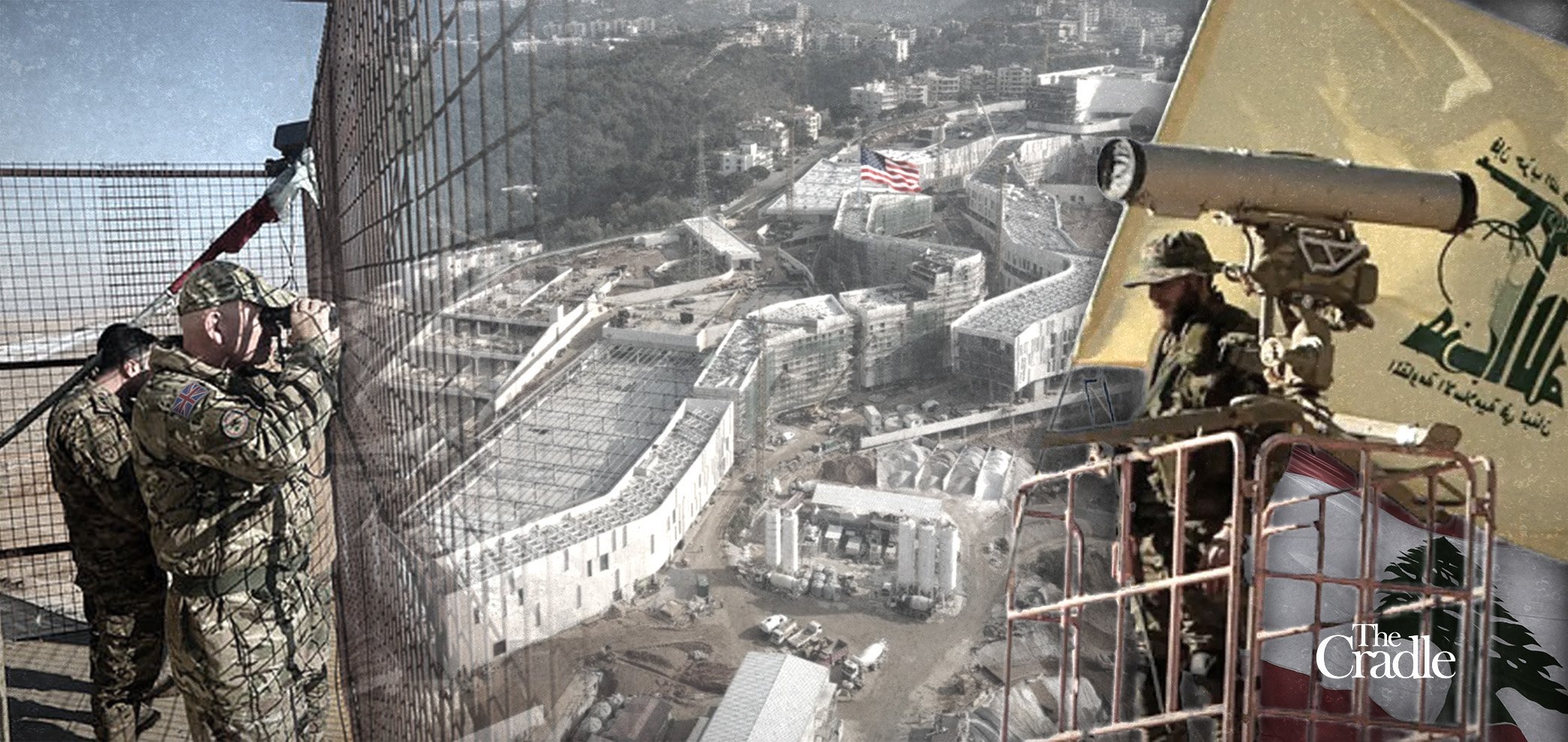
This was due to an article she wrote for Lebanese news site, Annasher, criticizing “Jordan’s role in defending the enemy entity.” The article was published on 22 April, eight days after Jordanian, US, British, and French aircraft intercepted Iranian drones and rockets over Jordanian airspace heading towards Israeli targets.
However, Abu Taha was arrested on 13 May after Annasher published her investigative report on 28 April titled “Partners in extermination: Jordanian capital owners involved in Gaza genocide.” The timing of her arrest gave the impression that she was detained for exposing Jordanian companies transporting exports to Israel – a land corridor that government officials went out of their way to publicly deny amid growing popular outrage at Amman’s continued ties with Tel Aviv while it commits the Gaza genocide.
It is widely believed that her nearly 2,000-word investigative report, supported by a 15-minute video of evidence she gathered undercover, was the real reason for the journalist’s indictment.
Exposing government deception on Israeli trade routes
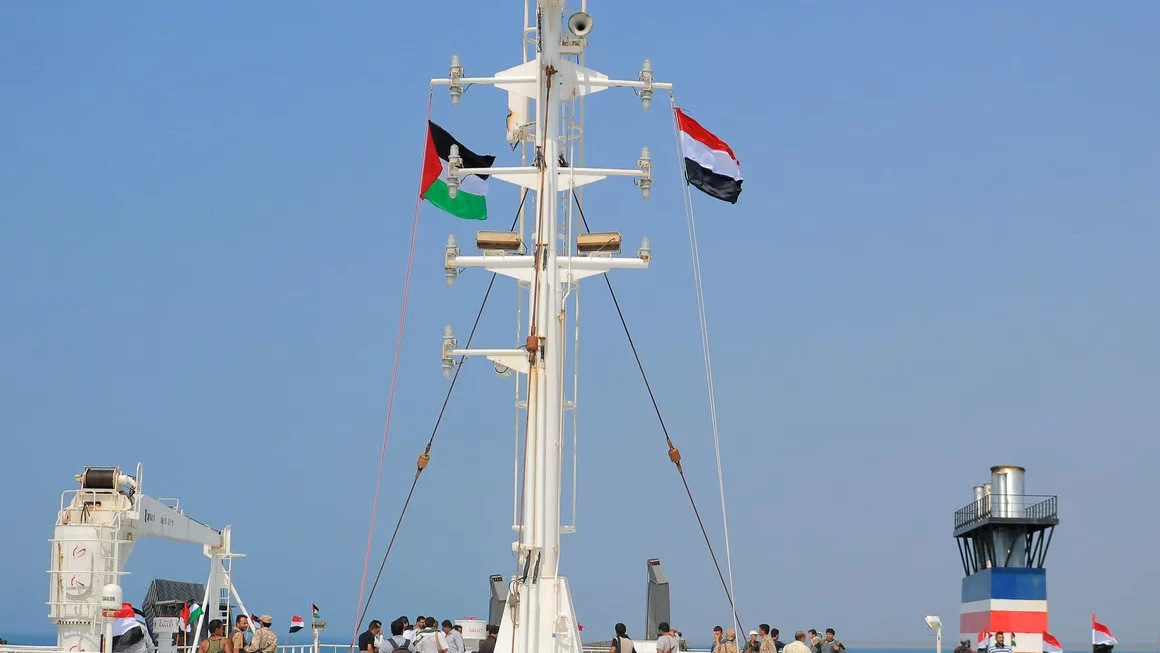
In her report, Abu Taha accused Prime Minister Bisher Khasawneh and other officials of concealing the use of Jordan as a land route for UAE and Bahraini exports via Saudi Arabia to Israel to break the Yemeni Ansarallah blockade in the Red and Arabian Seas.
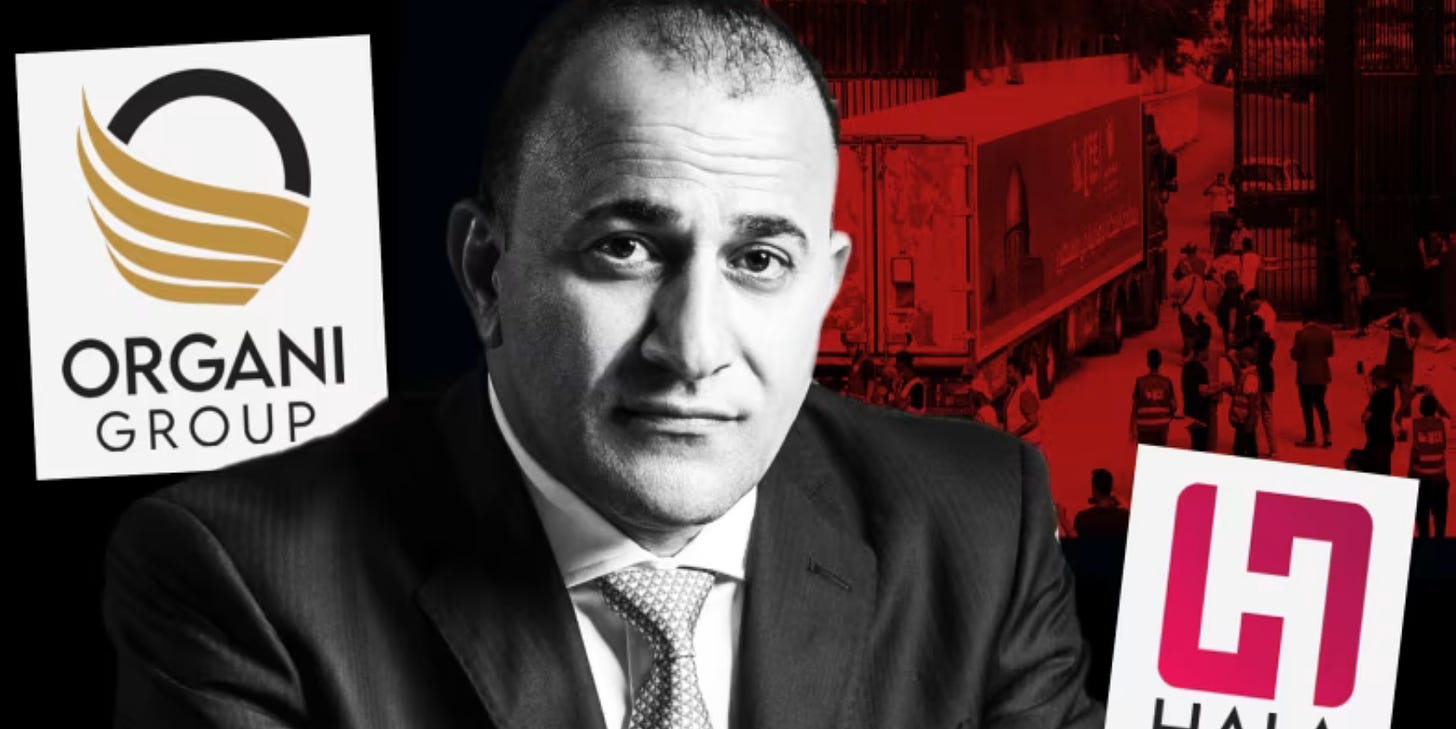
She cites transport and clearance company employees in Amman and Aqaba about their services to transport goods through the northern Sheikh Hussein Bridge or the southern Wadi Araba crossing. She went on to expose the names of the Jordanian companies and their influential owners, who have shown no qualms about doing business as usual with the occupation state as it commits unprecedented war crimes in both Gaza and the West Bank.
Abu Taha also identifies influential company owners acting as agents for Israeli or Israel-bound shipping companies. Resorting to official documents, she writes that Jordanian exports to Israel increased from $123 million in 2022 to $143 million in 2023, with a record monthly high of $17 million in December 2023, a month after Yemen began targeting Israeli-owned and Israel-bound cargo ships.
She notes that despite court evidence “recognizing the existence of the land bridge” as well as video footage and pictures of the movement of trucks at the Sheikh Hussein border crossing, Khasawneh insisted that:
The land bridge is a figment of imagination with no truth on the ground … The number of trucks entering and leaving Jordan for the entity has decreased, and what is being raised is nothing but self-flagellation.
Abu Taha details her exchange with government spokesman Muhannad Mubaidin, who fires back at “those accusing Jordan” of providing a land bridge for Israel as “shameful.”
She writes that he “initially tried to deny the government’s role” in this regard and “even tried to point the finger at West Bank merchants as deceiving their colleagues in Jordan by telling them that the exports are for the Arabs.”
When confronted with the facts she found, Mubaidin immediately referred to the 1994 Wadi Araba peace treaty with Israel and stressed that the government would not ban trade with the Zionist state because “such a decision is a populist one that appeases a certain party or faction.”
Meanwhile, Trade Ministry Spokesman Yanal Barmawi told Abu Taha that he was unaware of the “export issue” and that “the private sector would know.” She writes that official denials and blaming the private sector, which cannot operate without government approval, “confirms that the authorities are trying to contain the Jordanian street.”
Opinion prosecution
Despite the rigor of her investigative report, Abu Taha was prosecuted for her 22 April opinion piece. Nidal Mansour, co-founder of the Center for Defending Freedom of Journalists (CDFJ), noted that Abu Taha was convicted under the restrictive Cybercrimes Law, which was enacted shortly before 7 October 2023.
The Media Commission, a government-controlled regulatory body, filed a complaint against her, accusing her of “inciting sedition and discord among members of the community,” “threatening community peace,” “inciting violence,” and “spreading false news” through electronic media.
Abu Taha’s article accused Jordan of “treason,” among other derogatory terms, for intercepting Iran’s retaliatory strikes against Israel and giving the US, British, and French military forces a free hand in the country to defend the occupation state.
The Committee to Protect Journalists (CPJ) quotes Media Commissioner Bashir al-Momani as saying that Abu Taha’s article contained “serious insults against Jordanian state institutions, incitement to the state’s positions, and stirring up discord among the components of the people,” which he added “necessitated her prosecution.”
According to a CDFJ statement, Abu Taha was convicted under Articles 15 and 17 of the 40-article Cybercrime Law of August 2023. Article 15 stipulates:
Whoever intentionally sends, resends, or publishes data or information through an information network, information technology, information system, website, or social media platforms that includes fake news targeting the national security and community peace, or defames, slanders, or contempt [sic] any person shall be imprisoned for a period of not less than three months or a fine of not less than 5,000 dinars and no more than 20,000 dinars, or both penalties.
Article 15 also gives the prosecutor the right to take legal action “without the need to file a complaint or claim a personal right if it is directed at one of the authorities in the state, official bodies, or public administrations,” which means that Abu Taha could have still been punished even if the Media Commission had not filed a complaint.
The court also invoked Article 17 to hand her a one-year sentence. It states that:
Whoever intentionally uses an information network, information technology, information system, website, or social media platform to spread what is likely to stir up racism or sedition, targets social peace, incites hatred, calls for or justifies violence, or insults religions, shall be punished by imprisonment from one to three years or a fine of no less than 5,000 dinars and no more than 20,000 dinars, or both penalties.
Draconian laws and legal challenges
Abu Taha’s opinion piece in Annasher undoubtedly lacked the self-censorship that Amman has successfully induced by imposing a series of restrictive press and media laws over the decades.
Mansour tells The Cradle that the press and publication laws have become more draconian with the evolution of information technology, beginning with restrictive laws on the independent weekly press back in the 1990s, to online news sites in the early 2000s, and social media with the most recent “fluid” Cybercrime Law that could effectively stifle any form of free speech on these platforms.
He notes that Abu Taha’s lawyer, Rami Odatallah, appointed by the leftist Jordanian Popular Unity Party (an offshoot of the Popular Front for the Liberation of Palestine), is more experienced in defending political activists than journalists.
Abu Taha is not a member of the political party. Still, it stood by her ordeal and denounced her arrest and sentencing, demanding her release and other activists that had been “harassed and arrested” for supporting the resistance against Israel online or on the street.
Mansour reveals that the CDFJ plans to hire a lawyer specialized in the Cybercrime Law to appeal her sentence, which his organization described as “deeply concerning” and called for “abolishing imprisonment in cases related to publication and freedom of expression in accordance with international human rights standards.”
Press freedom concerns
Abu Taha’s arrest and sentencing drew attention to Jordan’s crackdown on both journalists and rightfully enraged activists by using the Cybercrime Law.
Reporters Without Borders (RSF) said in a statement that Abu Taha was: “the first journalist in Jordan to receive a prison sentence under the country’s draconian Cybercrime Law, which the RSF denounced prior to its adoption last year.”
Jonathan Dagher, head of RSF’s Middle East desk, said:
A prison sentence for a journalist is a scandal in Jordan, one of the few countries in the region not to have reporters behind bars. This sentence constitutes a huge setback for press freedoms in the kingdom and threatens not only Hiba Abu Taha’s safety but also the safety of all reporters. RSF already sounded the alarm about the dangers posed by the new cybercrime law. It must be repealed at once, and Hiba Abu Taha’s conviction must be overturned.
The RSF warned that “Jordan has seen a surge in harassment of journalists, including arrests, censorship, and intimidation since December 2023. Those targeted have included journalists covering demonstrations in support of Gaza or revealing information concerning relations between Jordan and Israel, and the harassment has been carried out under the Cybercrime Law in particular.”
Defense lawyer’s perspective
Defense Lawyer Hala Ahed says that no figures were available on the number of activists arrested under this law since the Israeli aggression on Gaza in October, but her office alone is dealing with 20 clients that she is defending pro bono.
She tells The Cradle that even if the authorities or courts release the defendants on bail after their detention, which often lasts up to a week behind bars, the mere existence of the Cybercrime Law acts as a deterrent and a legal intimidation tool aimed at stifling free speech and the right to protest.
Journalists say that the authorities seek to “make an example” of Abu Taha because the court turned down her lawyer’s repeated request for her release on bail since her arrest and was quick to hand her a one-year prison sentence within one month.
The authorities, they add, want to send a clear message that anyone, journalist or otherwise, daring to publicly challenge the shameless US-allied official line that opposes the Iran-allied resistance will land in jail, be that through the Cybercrime Law or any other.
Previous arrest and defiance
Abu Taha is no stranger to persecution. She was arrested after she was sentenced to a three-month prison term on 8 August last year, just a few days before the enforcement of the Cybercrime Law and months before Operation Al-Aqsa Flood was launched.
She was charged with “defaming an official body” for a Facebook post where she accused King Abdallah II of normalization with Israel and included an edited picture of the monarch with an Israeli flag during Israeli settler invasions of Al-Aqsa Mosque – which is supposed to be under Jordanian Hashemite guardianship like all Muslim and Christian holy sites in Jerusalem. Abu Taha was released a couple of days later upon appealing the sentence.
On 11 August 2023, she posted a picture of herself smiling with her eyes closed on her Facebook page, writing that she was “dreaming of a reality devoid of normalization with the enemy and without treason by the smallest to the most senior state official.”
She said that since the court “considered normalization with the Zionist entity an accusation, I demand the prosecution of all normalizers that head the Prime Ministry and rule the country instead of prosecuting me for rejecting and criticizing normalization with the historical enemy of the nation!”
The journalist added in the same post that “restrictions and jail cells do not intimidate us” and “we will continue to criticize and condemn normalization without exception.”
She closed her message with: “Enough oppression and brutality with the sword of martial law and release the detainees.”
https://thecradle.co/articles/journalis ... ing-jordan
Israeli electricity chief faces removal after warning against war with Lebanon
The director of the Noga power company recently said Israel would become ‘uninhabitable’ if Hezbollah attacked its electricity grid
News Desk
JUN 24, 2024
(Photo credit: Yossi Zamir/Flash90)
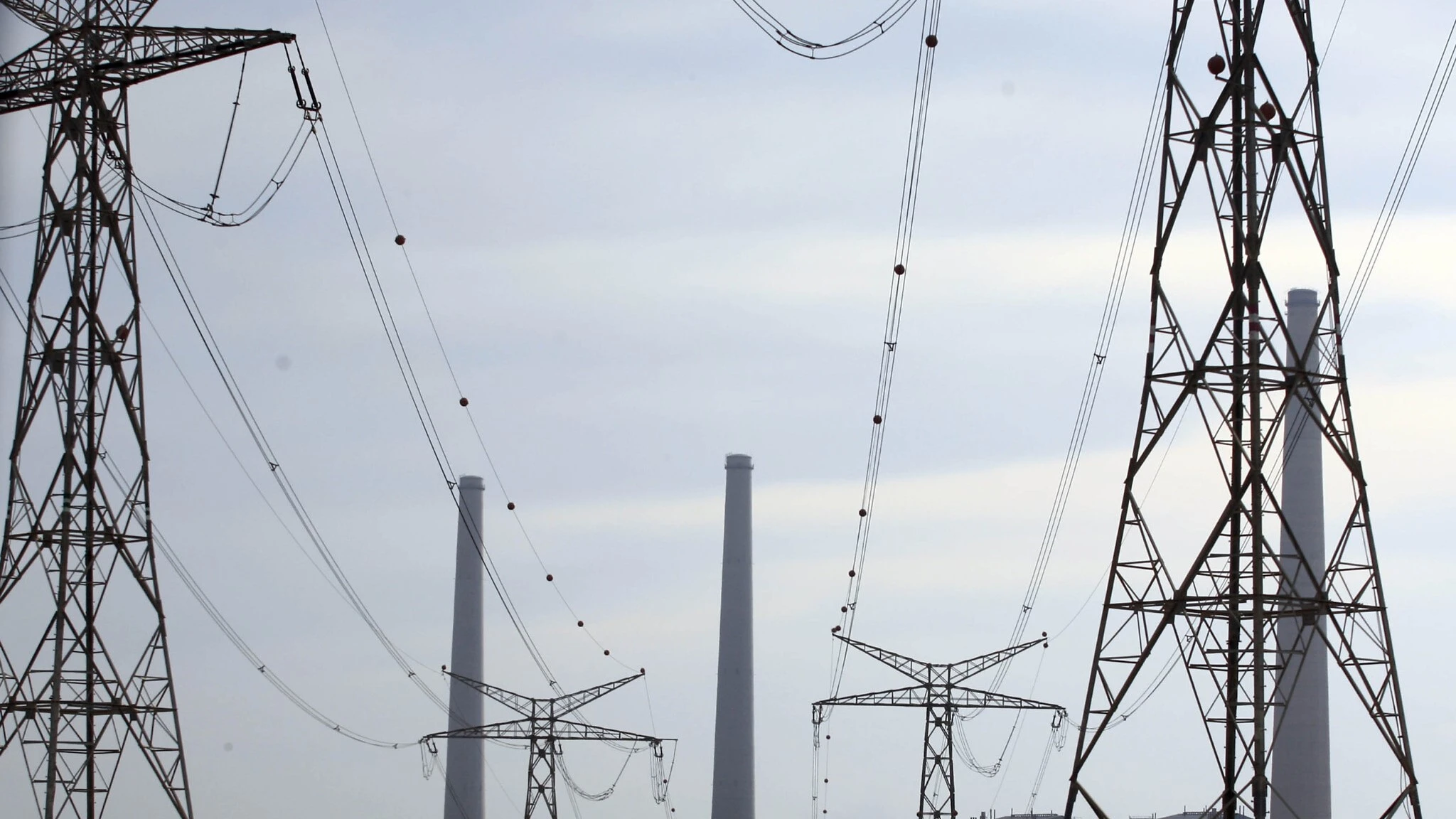
Israel’s Noga electricity firm is considering dismissing its general director, Shaul Goldstein, for his recent warning of extensive power outages in the event of a full-scale war with Lebanon’s Hezbollah, according to Hebrew newspaper Globes.
“The management of the electricity company discussed today the dismissal of CEO Shaul Goldstein, for his statements regarding the [lack of] preparation of the electricity network for war. This was the first meeting on the subject, with another meeting expected next week,” the newspaper reported on 23 June.
Goldstein had said last week during a conference of the Institute for National Security Studies (INSS) in Sderot that he would not be able to guarantee that there would be electricity in the event of war with Hezbollah.
“After 72 hours without electricity in Israel, it will be impossible to live here... We are in a bad situation and are not ready for a real war,” Goldstein said at the conference on Thursday.
He added that Israelis are living in a “fantasy world” and “do not understand how much life in [Israel] depends on electricity.”
“When I took office and began to investigate what the real threat is to the electricity sector, I asked: Let's say a missile hits the electricity sector, and there is a power outage for an hour, three hours, 24 hours, 48 hours, 72 hours and beyond – what happens to Israel in such a situation?' The bottom line is that after 72 hours - it is impossible to live in Israel,” Goldstein warned, adding that Hezbollah is capable of “taking down” Israel’s electricity grid.
“If the war is postponed for a year, five, ten years, our situation would be better.”
Many have attempted to downplay the comments made by the Noga company’s director.
Israeli Energy Minister Eli Cohen responded to Goldstein in a statement, saying Israel's electricity and energy infrastructure “is robust and ready to deal with all possible scenarios.” Cohen said his ministry has worked “tirelessly” to prepare for “extreme scenarios,” adding that the likelihood of a 72-hour power outage is low.
“Shaul Goldstein's statement regarding the lack of resilience of the electric grid is irresponsible, disconnected from reality and creates panic among the public,” the CEO of Israel’s Electric Corporation, Meir Spiegler, said.
In a statement on Thursday, the Noga company said: “The words that the CEO, Shaul Goldstein, said today at the INSS conference in Sderot do not represent the company's professional assessments of the state of readiness of the energy sector in Israel for an emergency.”
Hezbollah leader Hassan Nasrallah has for years warned that his resistance movement would “plunge Israel into darkness” in the event that a war is launched against Lebanon.
The nine-minute video of drone footage released by Hezbollah on 18 June revealed that the group is capable of targeting the main power station in the city of Haifa.
The resistance group released further footage of coordinates on Saturday, showing numerous sites – including a power station in the city of Hadera – that are within Hezbollah’s reach.
The Israeli army announced on 19 June that it has approved battle plans for an expanded attack on Lebanon, aimed at pushing Hezbollah away from the border and returning the tens of thousands of settlers that evacuated Israel’s north as a result of the Lebanese resistance’s attacks.
Hezbollah leader Hassan Nasrallah said in a speech on Wednesday that the resistance group will fight “without limits, rules, or restraints” if a war is launched against Lebanon and that Israel will “regret” any decision to attack.
https://thecradle.co/articles/israeli-e ... th-lebanon
Israel targets US public with massive propaganda campaign: Report
Israel’s Ministry of Diaspora Affairs funds US-based organizations to lobby for measures restricting criticism of Israel and its ongoing genocide in Gaza
News Desk
JUN 24, 2024

MK Amichai Chikli, Israel's Minister of Diaspora Affairs. (Photo credit: Yonatan Sindel/Flash90)
Israel is covertly funding a massive propaganda campaign to target the US public, including through the passage of legislation to restrict US citizens’ right to free speech when criticizing Israel and its ongoing war on Gaza, The Guardian reported on 24 June.
The UK newspaper reported that there are 80 programs already underway as part of the massive propaganda campaign known as the “Voices of Israel.”
The program is funded and run by the Israeli Ministry of Diaspora Affairs, led by MK Amichai Chikli.
The program was designed to carry out what Israel calls “mass consciousness activities” targeting the US and European public.
Voices of Israel is part of the “latest incarnation” of a “sometimes covert operation” by the Israeli ministry to censor students, human rights organizations, and other critics of Israel.
Known previously as “Concert” and before that, “Kela Shlomo,” the campaign previously spearheaded efforts to pass so-called “anti-BDS” state laws that penalize Americans for engaging in boycotts or other non-violent protests of Israel.
Voices of Israel works through non-profits and other entities that often do not disclose donor information. From October through May, the campaign spent about $8.6 million to target US citizens with pro-Israel propaganda.
The Institute for the Study of Global Antisemitism and Policy (ISGAP) is one such organization receiving funding through the Israeli program.
The ISGP cited its success during congressional hearings in which Claudine Gay, the president of Harvard University, was grilled for allowing pro-Palestinian protests on campus.
Congresswoman Elise Stefanik confronted Gay during the hearing, accusing her of fostering antisemitism at Harvard. The confrontation was widely viewed on social media.
Gay, the prestigious university’s first African-American president, soon resigned amid the resulting negative media coverage. She was replaced as interim president by Jewish-American professor and Harvard provost Alan Garber.
The Guardian reported further that the ISGAP touted its “congressional public relations coup” at a 7 April Palm Beach Country Club event.
“All these hearings were the result of our report that all these universities, beginning from Harvard, are taking a lot of money from Qatar,” bragged Natan Sharansky, the ISGAP chair. Sharansky, a former minister of Diaspora Affairs, told the assembled supporters that 1 billion people had viewed Congresswoman Stefanik’s aggressive questioning of Harvard president Gay.
The ISGAP has also been deeply involved in the campaign to limit US citizens’ Second Amendment right to free speech by passing laws at the state and local levels that redefine antisemitism to include certain criticisms of Israel, The Guardian added.
The ISGAP lobbies governments to adopt the International Holocaust Remembrance Alliance (IHRA) definition of antisemitism, which equates criticism of Israel as a ‘racist endeavor’ and anti-Zionism with antisemitism.
“We shifted the focus to work at the local level,” said Brig Gen Sima Vaknin-Gill, a former intelligence officer now managing director of the ISGAP.
“We’ve found that mayors and states – it’s much easier to work with them and actually make the definition into something real.”
Another US group tied to Voices of Israel and the Ministry of Diaspora Affairs campaign is CyberWell, a pro-Israel “anti-disinformation” group led by former Israeli military intelligence and Voices officials. CyberWell established itself as an official “trusted partner” to TikTok and Meta, allowing it to help screen and edit content.
A recent CyberWell report called for Meta to suppress the popular slogan “From the river to the sea, Palestine will be free.”
The Guardian notes, “One struggles to find a parallel in terms of a foreign country’s influence over American political debate.”
US-based organizations producing propaganda or lobbying to influence US citizens are required by law to register as foreign agents.
However, none of the groups identified in The Guardian’s report have registered under the Foreign Agents Registration Act (FARA).
“There’s a built-in assumption that there’s nothing at all weird about viewing the US as sort of an open field for Israel to operate in, that there are no limitations,” said Lara Friedman, president of the Foundation for Middle East Peace.
https://thecradle.co/articles/israel-ta ... ign-report
******
Israel and Hezbollah on the brink of war
Steven Sahiounie
June 23, 2024
The Middle East is sitting on a powder keg, and every minute that passes brings heightened tensions between Israel and Hezbollah.
The Middle East is sitting on a powder keg, and every minute that passes brings heightened tensions between Israel and Hezbollah.
Canada, the U.S., Great Britain and Kuwait have all warned its citizens in Lebanon to evacuate.
The impending war is caused because Israel refuses to a ceasefire in Gaza. Hezbollah says they will continue to stand in solidarity with the Palestinians of Gaza as the continuing genocide is perpetrated by Israel, but as soon as a ceasefire begins, Hezbollah’s response will cease.
Hezbollah is a Lebanese resistance group which is heavily armed. Most experts agree that the military might of Hezbollah and Israel are quite comparable on many levels, but Israel has air superiority.
Israel has a sophisticated air defense system, the ‘Iron Dome’. However, this system can be overwhelmed by Hezbollah if they were to launch a massive amount of missiles at Israel, and all agree that Hezbollah has a huge arsenal of missiles.
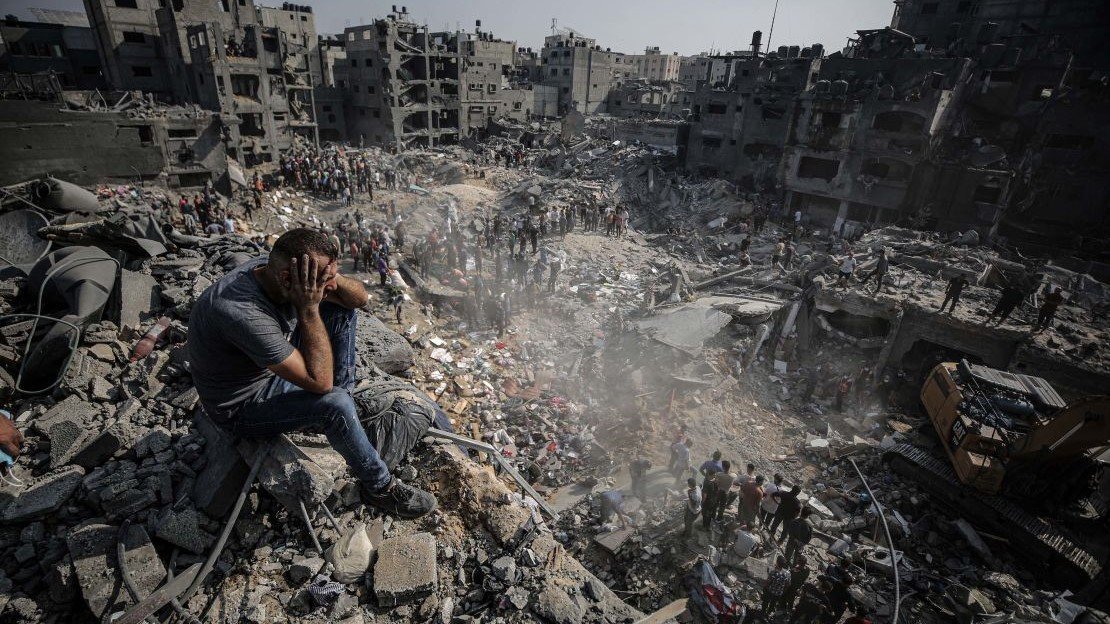
If the ‘Iron Dome’ was inundated by missiles launched from Lebanon, the effectiveness of the Israeli defenses would stop, and Israel could suffer destruction on a scale it has never experienced before. We have witnessed the destruction of Israeli missiles on Gaza, and homes and buildings across Israel could face a similar disaster.
Hezbollah demonstrated it has an air defense system, but it has been secretive in showing the capabilities of its defense from Israeli jets; however, on at least one occasion Hezbollah utilized their air defenses to repel an Israeli jet flying over Lebanon.
Amos Hochstein, the U.S. special envoy dispatched recently to Israel and Lebanon in hopes of averting a war between Israel and Hezbollah, came back empty-handed. Hochstein had been successful in a negotiation between Israel and Lebanon in 2022 over the maritime borders, but this time he was not negotiating with the Lebanese government alone, but with the most powerful resistance group in the Middle East.
The root cause of all conflicts in the Middle East emanate from the brutal Israeli occupation of Palestine, which has stripped away all human rights, and civil rights, from about six million Palestinians, while the six million Jews in Israel live in a quasi-democracy with human rights and civil rights comparable to most western democracies.
U.S. President Joe Biden and U.S. Secretary of State Antony Blinken have repeatedly told Israeli officials the U.S. does not want to see a wider war in the Middle East, where other nations could be involved should Lebanon face destruction.
Israeli Prime Minister Benjamin Netanyahu has warned Israel would “turn Beirut into Gaza” in the event of a war.
Experts agree that Biden would continue to support Israel even in the face of a war on Hezbollah. The international community has come out against Israel and its genocide on Gaza, but Biden continues to support war crimes and crimes against humanity committed by Israel.
Biden has sponsored a ceasefire plan, but Israel refused it, and experts suggest that the Biden plan was not designed by Washington to succeed, but was drafted only as an exercise in buying time for Israeli Prime Minister Benjamin Netanyahu.
The Israeli public and military are divided on the war on Gaza. Many are demanding Israel stop the war and get the hostages out after almost 9 months of captivity. Others support the war on Gaza as part of the Zionist plan to eliminate all non-Jews and create one Jewish nation from the ‘river to the sea’.
Netanyahu firmly demands the continuation of the war on Gaza and demands that Hamas be destroyed, but his military leaders have said that is an impossible task, as Hamas is an ideology, that of resistance to occupation, which is guaranteed to all people through the Geneva Convention.
On June 18, the Israel Defense Forces (IDF) said plans for an attack in southern Lebanon had been approved and steps had been taken to “accelerate readiness in the field.” The statement came from Major General Ori Gordin, the head of IDF Northern Command, and Major General Oded Basiuk, who heads the IDF’s Operations Division.
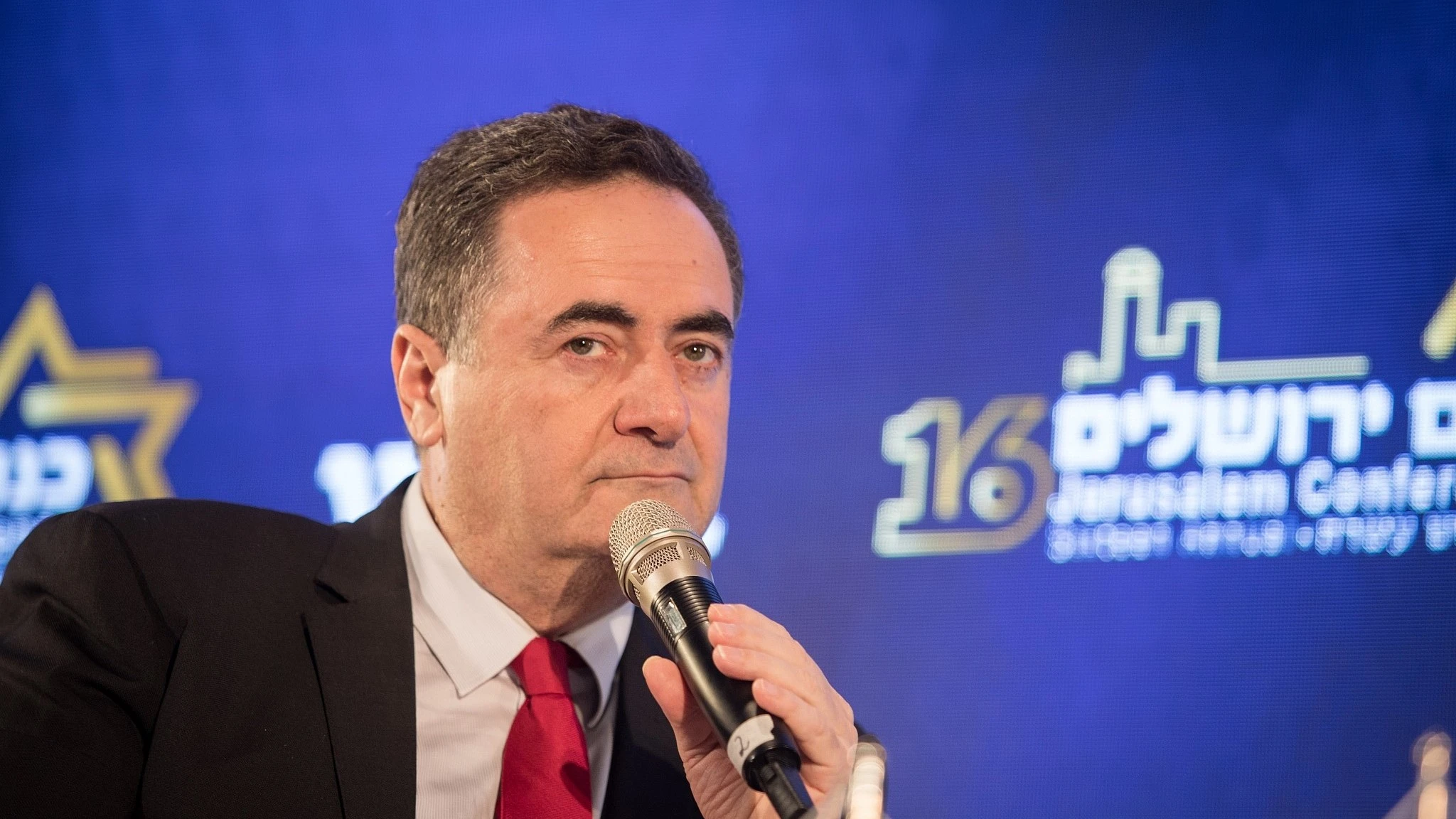
Israeli Foreign Minister Israel Katz threatened Hezbollah that they faced “destruction” amid “all-out war” at the Israel-Lebanon border.
Katz’s threat came after Hezbollah published a surveillance video that it took by a drone over various Israeli military, infrastructure and civilian installations, including some in the Israeli port city of Haifa.
“In an all-out war, Hezbollah will be destroyed and Lebanon will be severely hit,” Katz wrote on X.
On June 21, Hezbollah said it fired dozens of rockets into northern Israel in retaliation for a deadly air strike in south Lebanon that Israel said killed one of the group’s operatives. Hezbollah also claimed several other attacks on Israeli troops and positions over the course of the day.
In a meeting with visiting Israeli officials in Washington, Blinken underscored “the importance of avoiding further escalation in Lebanon and reaching a diplomatic resolution that allows Israeli and Lebanese families to return to their homes”, according to a statement.
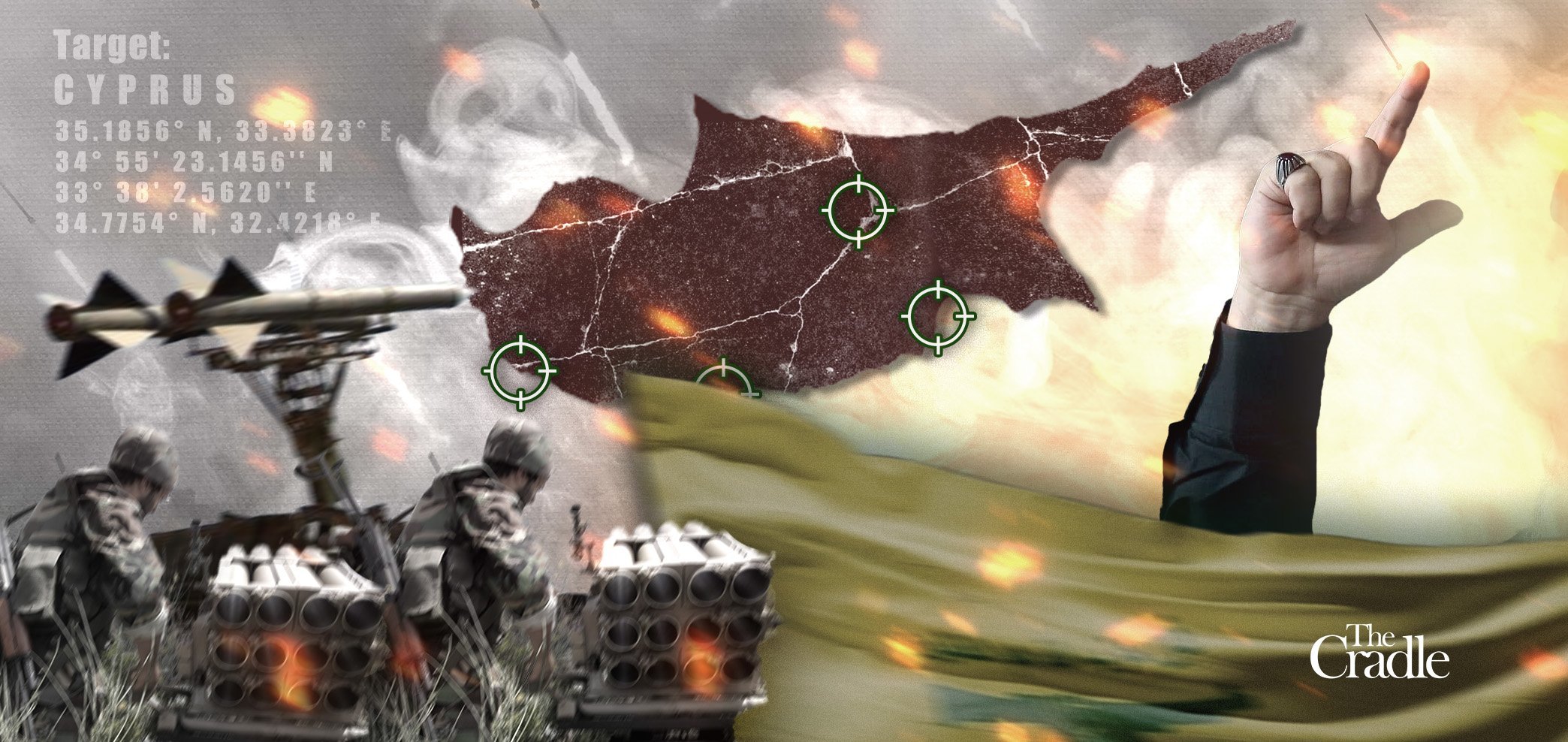
Hezbollah chief Hassan Nasrallah had warned “no place” in Israel would “be spared our rockets” if a wider war began, in a TV address on Wednesday. He also threatened Cyprus if it opened its airports or bases to Israel “to target Lebanon”. Cyprus houses two British bases, including an airbase.
Israel invaded and brutally occupied Lebanon from 1982 to 2000. Its withdrawal was a victory for Hezbollah. In 2006, Israel launched a second war on Hezbollah which saw Israel prevented from invading by the might of Hezbollah, and in the following years the resistance group has gotten much stronger militarily.
Dozens of Israeli towns are now deserted, with around 60,000 Israelis evacuated to temporary accommodation, while about 90,000 have also fled from southern Lebanon.
Israel has launched roughly four times as many attacks as Hezbollah over the course of the conflict, according to the Armed Conflict Location and Event Data Project, a Wisconsin-based research group specializing in conflict data analysis. Last week, Israel made its deepest attack yet into Lebanon, striking 75 miles north of the border.
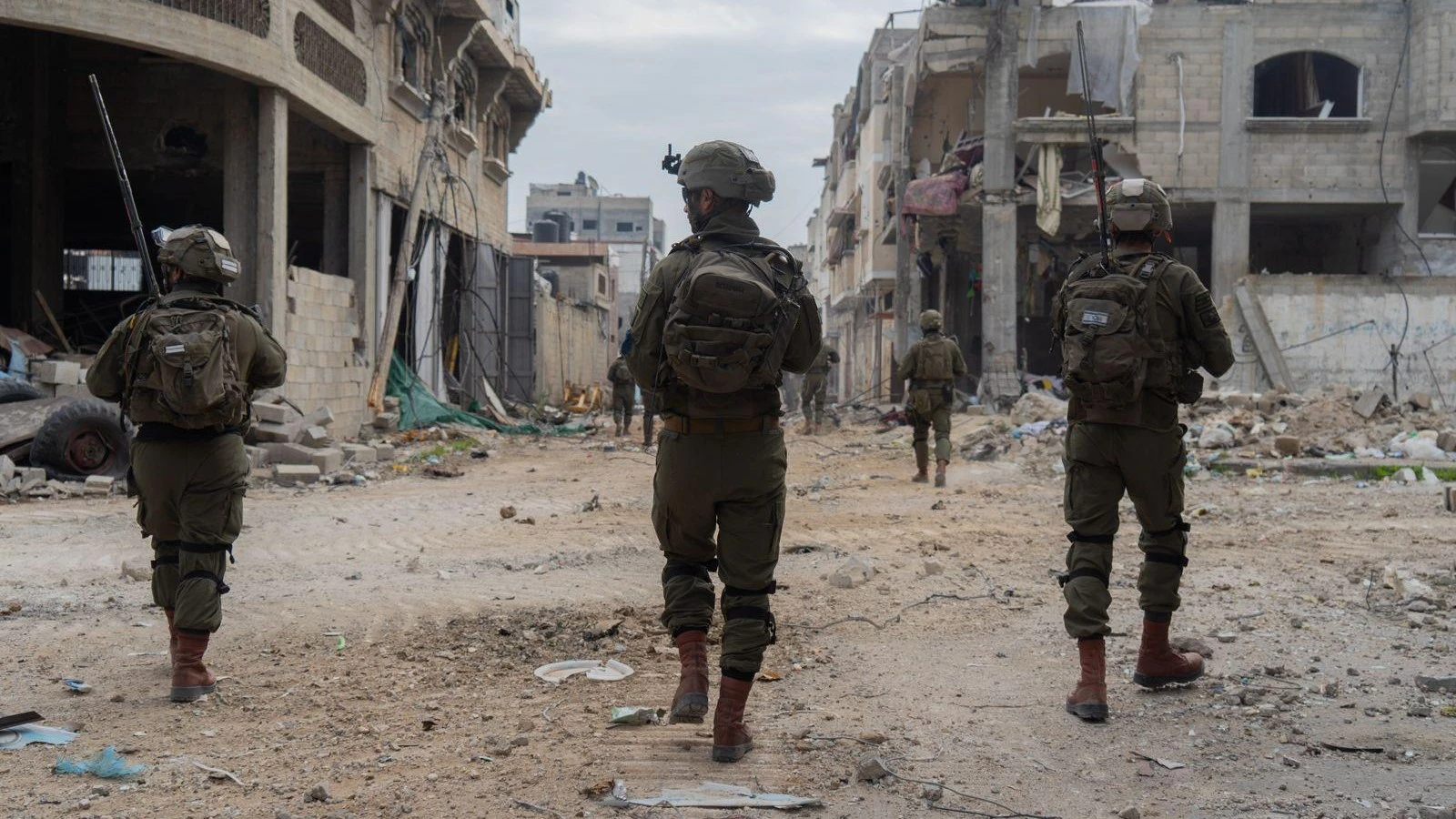
Israeli troops have also deployed white phosphorus in Lebanon, a substance that burns at high temperature and can be used to create smokescreens to obscure troop movements, but can cause respiratory damage and deadly burns. Its use near civilian areas is a violation of international humanitarian law.
“It’s not a question of if it will happen but when it will happen,” Avichai Stern, the mayor of Kiryat Shmona, the largest town in Israel’s north, said in an interview, and added, “We have to wipe them out.”
The war between Israel and Lebanon can be avoided if Israel will stop the unrelenting attacks on Gaza, which have resulted in over 36,000 deaths, mostly women and children.
https://strategic-culture.su/news/2024/ ... nk-of-war/
******
‘Faith in Dialogue’ Won’t Stop Zionist Violence
June 24, 2024
Save
Lawrence Davidson responds to a recent commentary in The New York Times by two heirs of the Black-Jewish alliance of the 1960s.

Pro-Palestine student encampment at Columbia University in New York on April 23. (Pamela Drew, Flickr, CC BY-NC 2.0)
By Lawrence Davidson
TothePointAnalysis.com
In the early 2000s, I was a member of a group called Academics for Israeli-Palestinian Peace. The group went often to the Middle East, visiting most of the countries of that region.
We repeatedly traveled to Israel and the Palestinian Territories. We interviewed both leaders and ordinary folks. When we would return to the U.S., I would seek out venues to report on our findings — which could be critical of Israel.
I spoke at academic institutions, civic organizations, and to religious groups. However there were always two groups which kept me away from their members:
Most synagogues — It was easy enough to explain this. Most organized Jewish institutions are partisan. They were and mostly still are, dedicated to the dream of a Jewish state functioning as a safe haven in an anti-Semitic world.
The downside of racism felt toward, and oppressive policies applied against, the Palestinians were realities they chose not to deal with. Even today, in the midst of overwhelming evidence of Israel’s failure to preserve either Jewish lives or Jewish ethics, most synagogues will not allow anti-Zionists to speak, even if they are Jewish.
The other group, Black churches, was at first harder to comprehend. During the struggle for racial justice in the U.S., culminating with the civil rights legislation of 1964-1965, there was an alliance between American Jewish and Black organizations.
That alliance was not as smooth and solid as it is popularly believed, but it was real in the sense that you had two groups who saw something to be gained by supporting each other. Black American success in the mid 1960s actually loosened the alliance because it created the space for a Black reassessment of Zionism.
However, that reassessment did not reach those Black Americans who were religiously motivated to identify with a biblically imagined picture of Jewish history. Or, as the authors we are about to analyze put it, “our shared history of slavery and oppression and our common biblical commitment to the prophetic traditions of justice and equality.”
Where this problematic picture held sway, someone speaking out against Zionism was, in my experience, not welcome.
Faith in Dialogue
It was with this background in mind that I read the June 9 New York Times (NYT) opinion piece entitled “Our Fathers Marched With King. Here’s What They Would Say to Activists Today.”
This piece was written by the adult children of two of the civil rights leaders of the 1960s: one Black, Donzaleigh Abernathy, the daughter of the Reverend Ralph Abernathy and the other Jewish, Avi Dresner, the son of Rabbi Israel Dresner. Because their point of view is so different from mine on this issue, I am going to lay out and analyze their message.
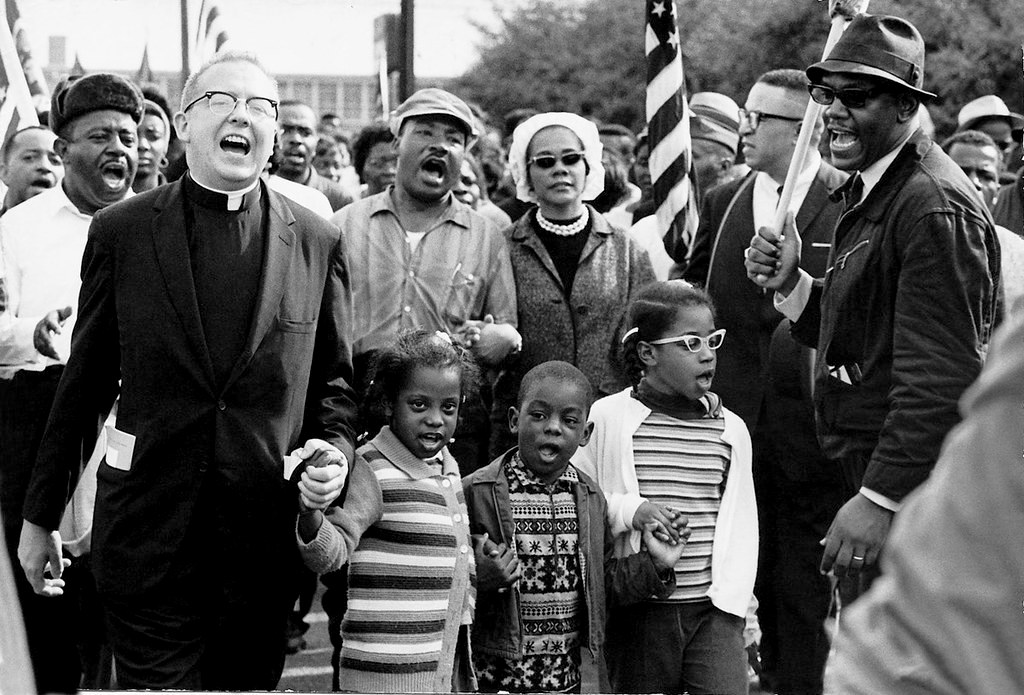
Donzaleigh Abernathy in striped sweater, with her brother and sister, in front of Martin Luther King and Coretta Scott King during the 1965 civil rights march from Selma to Montgomery, Alabama; minister holding Donzaleigh’s hand unidentified. (Abernathy Family via National Park Service, GPA Photo Archive, Flickr, Public domain)
The authors begin by affirming the close friendship of their fathers and there is no reason to doubt the assertion that Ralph Abernathy and Israel Dresner were good friends and close associates, both dedicated to the struggle for racial justice in the 1960s. Nor should we doubt the assertion that both men would be “dismayed over the continued erosion of the Black-Jewish Alliance.”
The authors continue by stating that “we believe the lessons of our fathers’ life and work — and, most importantly, the ways in which they bridged the divides between their communities — offer us a path toward navigating our own divisive era.”
What is the principal lesson? “Our fathers fervently believed that it is always the right time to engage in dialogue in the pursuit of understanding and peace.”
Two points immediately come to my mind.
No. 1) The accomplishments of the civil rights movement of the 1950s and 1960s were not a product of dialogue with opponents. They were the product of confrontation and political alliances.
No. 2) Given that it is the behavior of campus protesters that has drawn the authors’ concern, it should be pointed out that dialogue was exactly what most protesters were seeking. The demonstrating students wanted to talk to their college administrators and boards of trustees about their institutional support of a genocidal state. In all but a few cases it was the administrators and trustees who were uninterested in dialogue. It was easier for them to bring in the police. The authors inexplicably miss both of these points.
They also seem to have missed the fact that they live in different times from that of their fathers. In the 1960s, the leaders of mainstream Jewish organizations in the U.S. were aware that their interests involved progress toward a society that protected the civil rights of minorities. That is no longer true of today’s leaders of many of these same organizations. They are no longer interested in the security of minorities. Their interest today is in supporting what they see as the security of Israel. As a result, these organizations — the ones remembered so fondly by Abernathy and Dresner — steadfastly support the slaughter going on in the Gaza Strip. Do our author’s understand this?
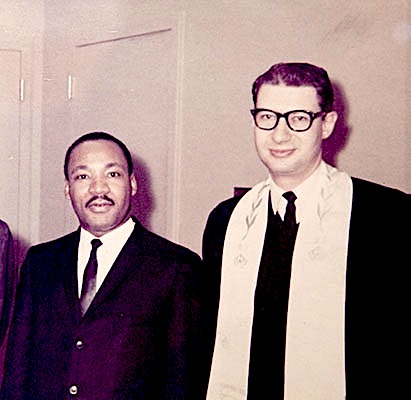
Rabbi Dresner, right, with Rev. Martin Luther King Jr. in undated photo. (Wikimedia Commons, CC BY 4.0)
There may not be any way of “getting to yes” through dialogue with such people. Such doubt in the efficacy of dialogue seems to be suggested by the talks carried on during the so-called peace process. This multiyear negotiation may well have been dragged out by the Israelis as cover for their relentless territorial ambitions. Have our authors considered this possibility?
Biblical Values, Racism & the Holocaust
Then there is the authors’ appeal to a shared biblical vision between Blacks and Jews. For instance,
“our fathers saw much in common. [M.L.] King, Abernathy and their fellow Black activists found inspiration in the Exodus story.”
However, the way many Israeli Jews remember the aftermath of the Exodus story is with admiration for the Israelite slaughter of the “Amalekites” — performed under God’s direct order. This seems to be Prime Minister Benjamin Netanyahu’s model for contemporary “prophetic Justice.” Have our authors noted this?
Perhaps more relevant is the issue of the Holocaust and its role as a “cautionary tale.” The authors accurately note that the Holocaust led their fathers to stand against all forms of racism. It was on this basis that they quote Reverend Abernathy as saying
“In the fight against discrimination, Black Americans and American Jews have shared profound and enduring common interests that far transcend any differences between us.”
Yet the Jewish-Black alliance did not last. And a major reason why this is so, is also one that the authors chose not to recognize. They do not grasp the fact that Zionism is just such a form of racism that casts aside that cautionary tale of genocidal racism. Seven decades (counting from 1948) of violent Israeli oppression against Palestinians has generated a range of reactions, and the non-violent one, based on a faith in dialogue (that “peace process”), has been tried and found wanting.
Over time, the Palestinians have been pushed into corners, both territorially and psychologically, and this has led to push back that is indeed violent — and also most accurately described as self-defense.
Despite this overall history, indeed despite the specific history of the Gaza blockade, Abernathy’s daughter and Dresner’s son claimed to have been “shocked” by the Palestinian resistance action (it involved more than just Hamas) of Oct. 7.
And they almost immediately interpreted the pro-Palestinian protests held in reaction to Israel’s genocidal revenge this way,
“… within hours after the attack, onlookers [protesters] immediately turned in a newly dark direction: with an explosion of antisemitism, a celebration, at certain protests, of the Hamas attack.”
The truth is that the protesters were, and largely continue to be, the only ones to put the Oct. 7 action in proper historical context. They recognized that the action was not unprovoked. Abernathy and Dresner certainly fail to do so.
Unable to accurately interpret what is going on, the two heirs of the Black-Jewish alliance of the 1960s, go on to suggest their answer to what happened on the college campuses following Oct 7:
“We want to bring our fathers’ much-needed messages and methods of love and unity to campuses experiencing turmoil.”
In other words, these two believe that “the message of love and unity,” preached 50 years ago by Black and Jewish Americans in relation to U.S. racial problems, will solve an inherently colonialist Middle Eastern problem. What Denser and Abernathy themselves have ignored, and this bears repeating, is the fact that:
No. 1) their tactical message, as applied to the decades long plight of the Palestinians, has already proved wholly ineffective and
No. 2) the protesters did not cause the campus “turmoil” — the campus authorities, influenced by Zionist donors, did so. And, these administrators and donors are the people not interested in dialogue.
Nonetheless, Abernathy and Dresner believe that they simply have to “tell the story of our shared history and use it as a bridge to a better future …. We want to bring together Zionist and pro-Palestinian protesters to find common ground.” They promise to make the rounds of colleges and universities this fall to preach to the multitude.
Faith Is Not Enough
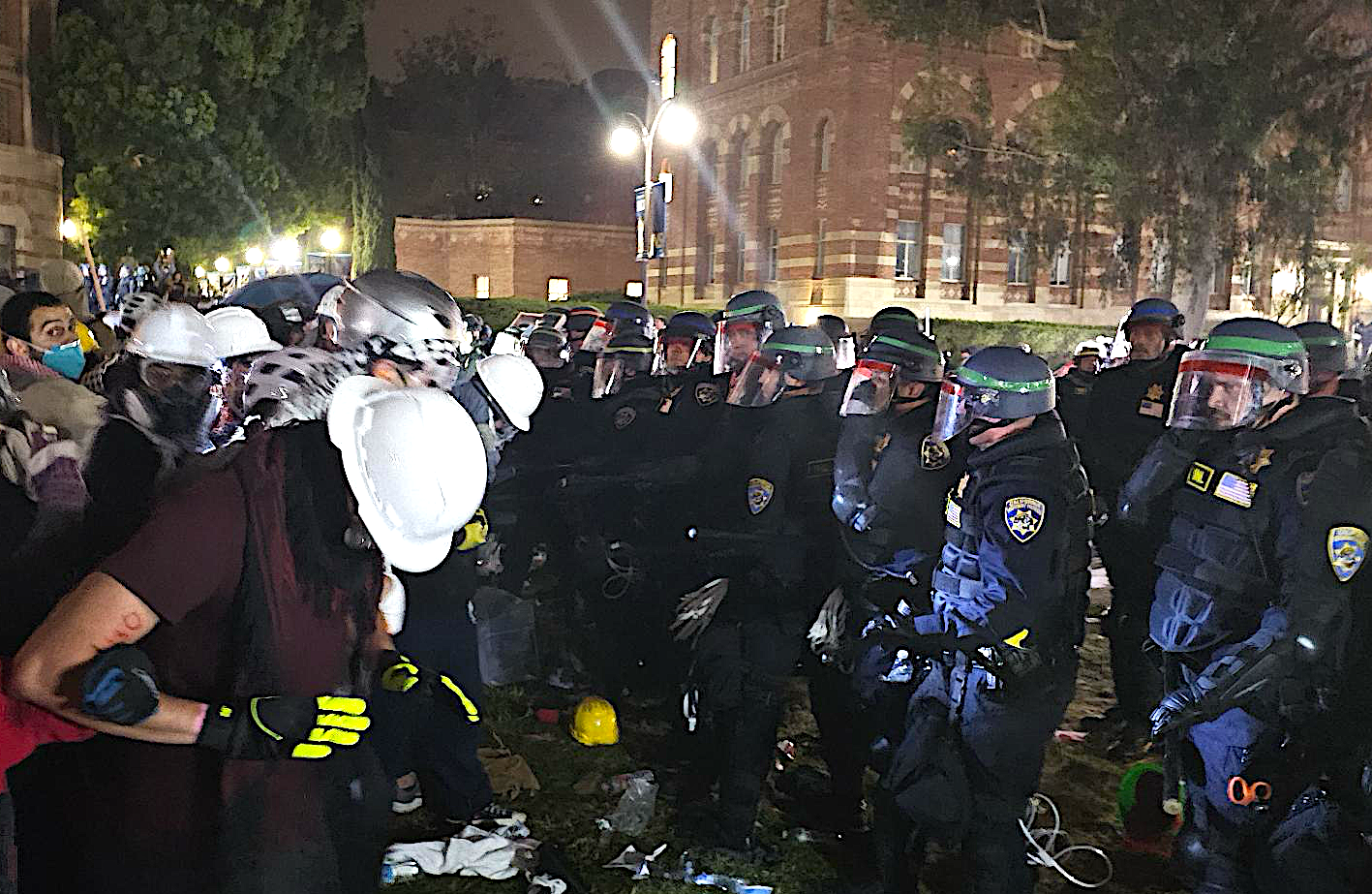
The LAPD clashing with pro-Palestine student protesters at the UCLA encampment on May 1. (Media shared by people at the UCLA protest and encampment, Wikimedia Commons, CC BY 4.0)
Non-violence is simply not a workable response to every situation. If non-violence was such a universal answer then, given the number of times it has been pushed forward as a cure, the lion would have long ago laid down with the lamb.
We still tend to exaggerate the achievements of those who appear to have gained victory through non-violence. For instance, in the cases of Mahatma Gandhi, Nelson Mandela and Martin Luther King, their non-violent message existed side-by-side with other groups fighting for the same goals and using more aggressive tactics. In particular, religiously inspired pacifists have a hard time admitting this fact.
And that is probably who our authors are. Abernathy is almost certainly driven by the faith of her father. Dresner may well be driven by such faith intermixed with the political ideology of Zionism (now masquerading as Judaism itself).
Be that as it may, we are brought to a final point. The non-violent message, allegedly made powerful through the miracle of endless dialogue, is often based on the unshakable faith of the messenger — which may not reflect reality.
In the present case, we can see such uncritical faith reflected in a disregard of history:
“We too want a Palestinian state alongside the Jewish state. Getting there from here may feel insurmountable, but however we do it, as our dads taught us, it must be through nonviolent action, not violence and violent rhetoric.”
A two-state solution that might have led to a viable independent Palestinian state is long dead — killed off by the violence of Zionist territorial greed. The sweet reason of dialogue has been trampled down by the same harsh ideology. And…only God knows where our two authors have been for the past 50 years?
https://consortiumnews.com/2024/06/24/f ... -violence/
Abernathy and Dresner are not dumb, are not utopian pacifists, they are Zionist shills. Don't give them cover.
******
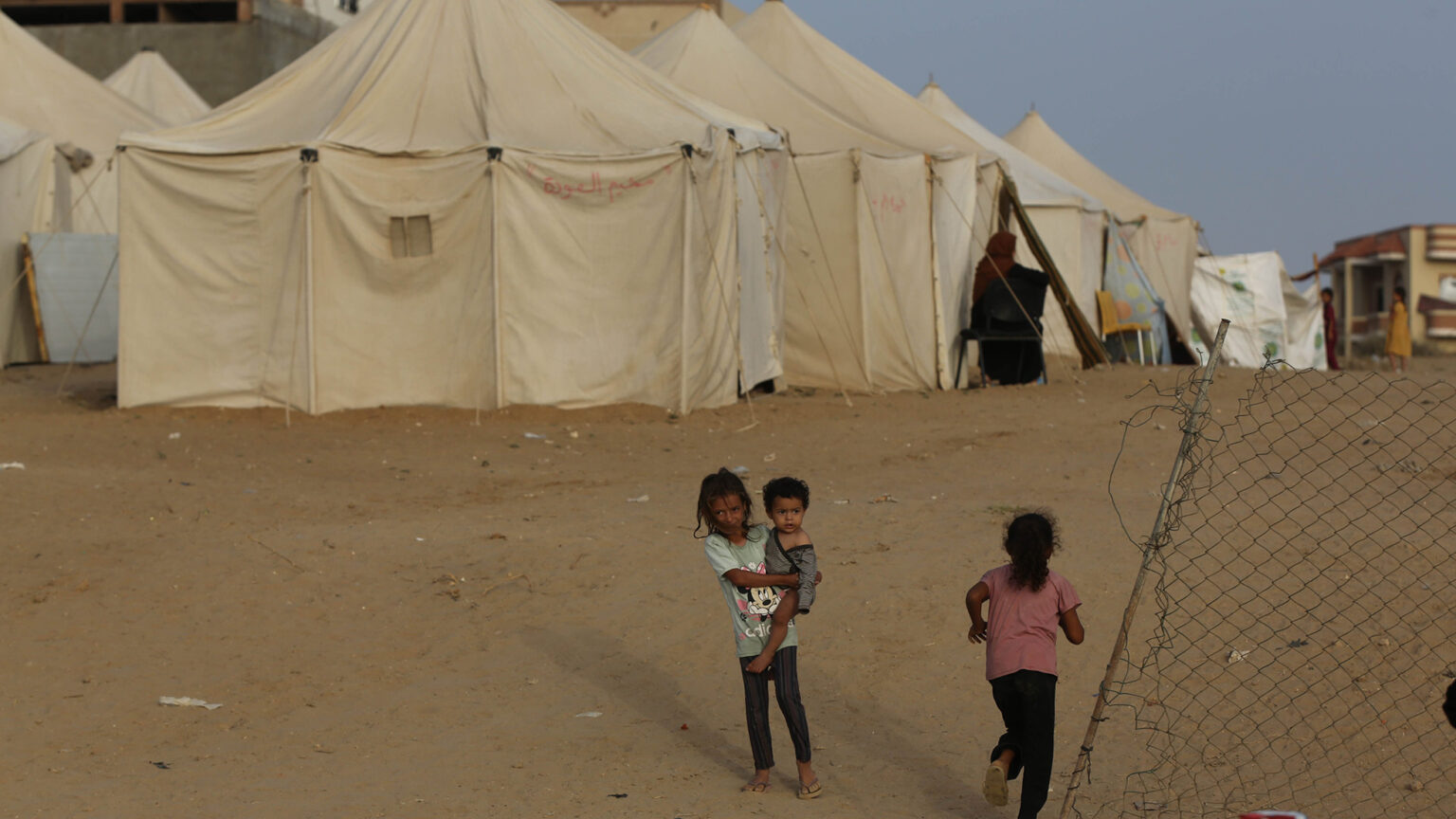
More than 20,000 children missing due to Israeli assault on Gaza
Save the Children estimates at least 17,000 are unaccompanied and separated from their families, while around 4,000 are likely missing under the rubble
News Desk
JUN 24, 2024
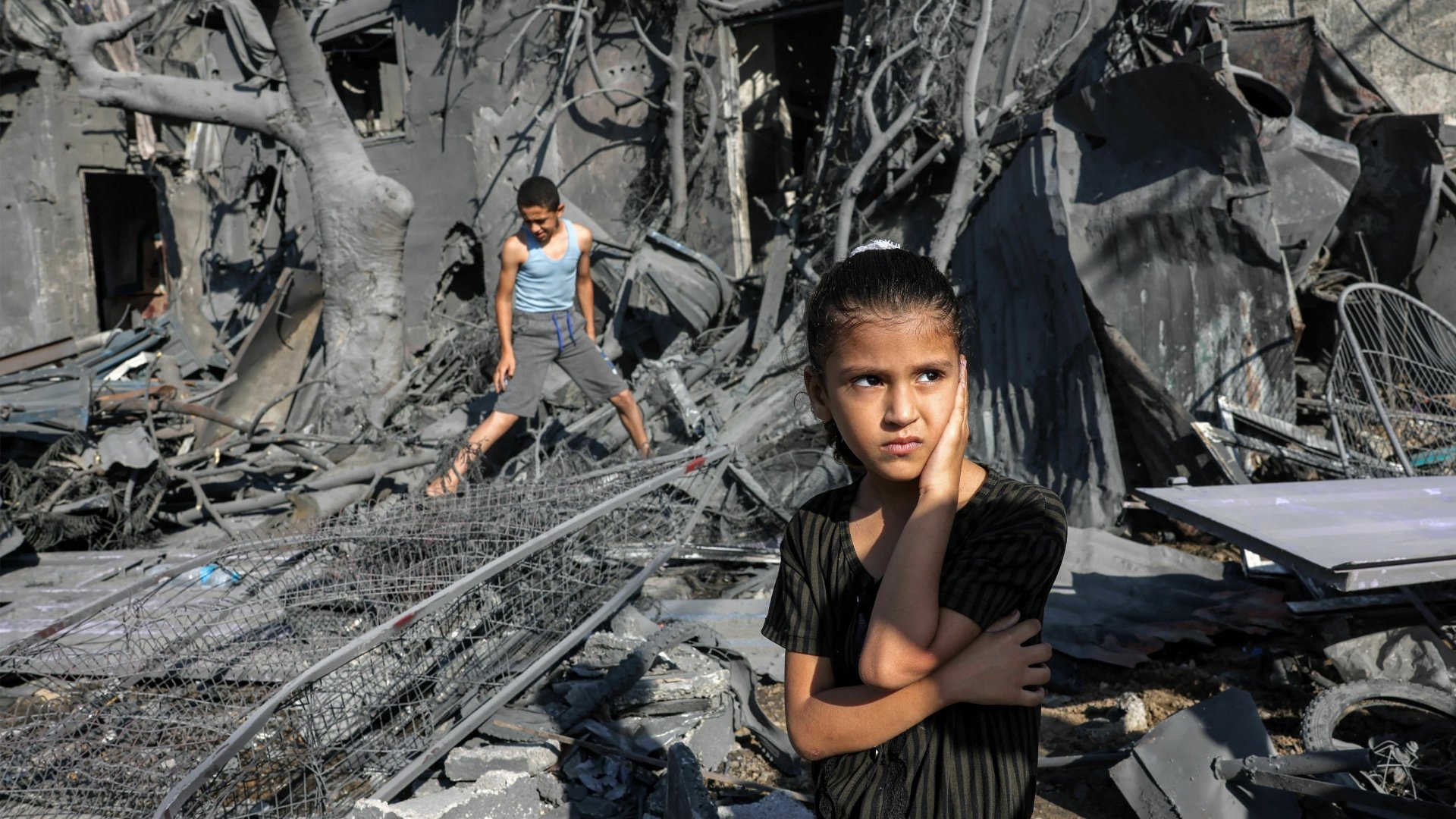
(Photo Credit: Getty Images)
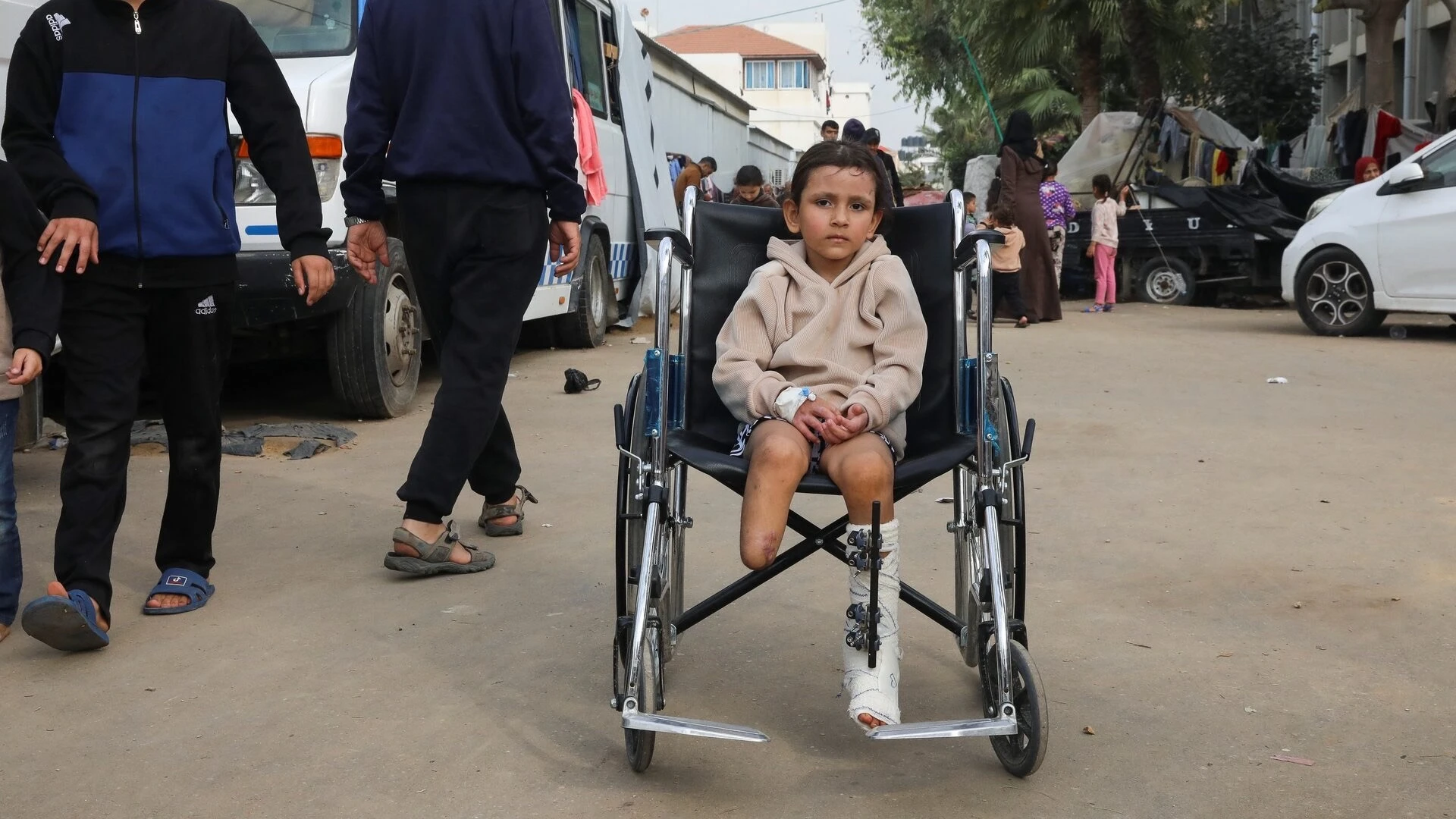
Up to 21,000 Palestinian children in Gaza are missing due to Israel's attack on the besieged enclave, Save the Children reported on 24 June.
The UK-based humanitarian agency adds that many of the children may be trapped beneath rubble, detained, buried in mass graves, or lost from their families.
Save the Children estimates that at least 17,000 are unaccompanied and separated from their families, while around 4,000 are likely missing under the rubble.
A child protection specialist from the agency stated that “every day we find more unaccompanied children, and every day it is harder to support them. We work through partners to identify separated and unaccompanied children and trace their families, but there are no safe facilities for them – there is no safe place in Gaza.”
On 23 June, the Palestinian Ministry of Health in Gaza announced that around 37,598 civilians have been killed by Israeli forces since 7 October.
Human rights organizations and UN officials have accused Israel of implementing collective punishment against Palestinians, including using starvation as a weapon of warfare.
Thousands of children continue to suffer in Gaza due to severe malnutrition. UNICEF recently warned that as many as 3,000 children in southern Gaza are at risk of perishing due to the lack of access to food and medical care.
https://thecradle.co/articles/more-than ... lt-on-gaza
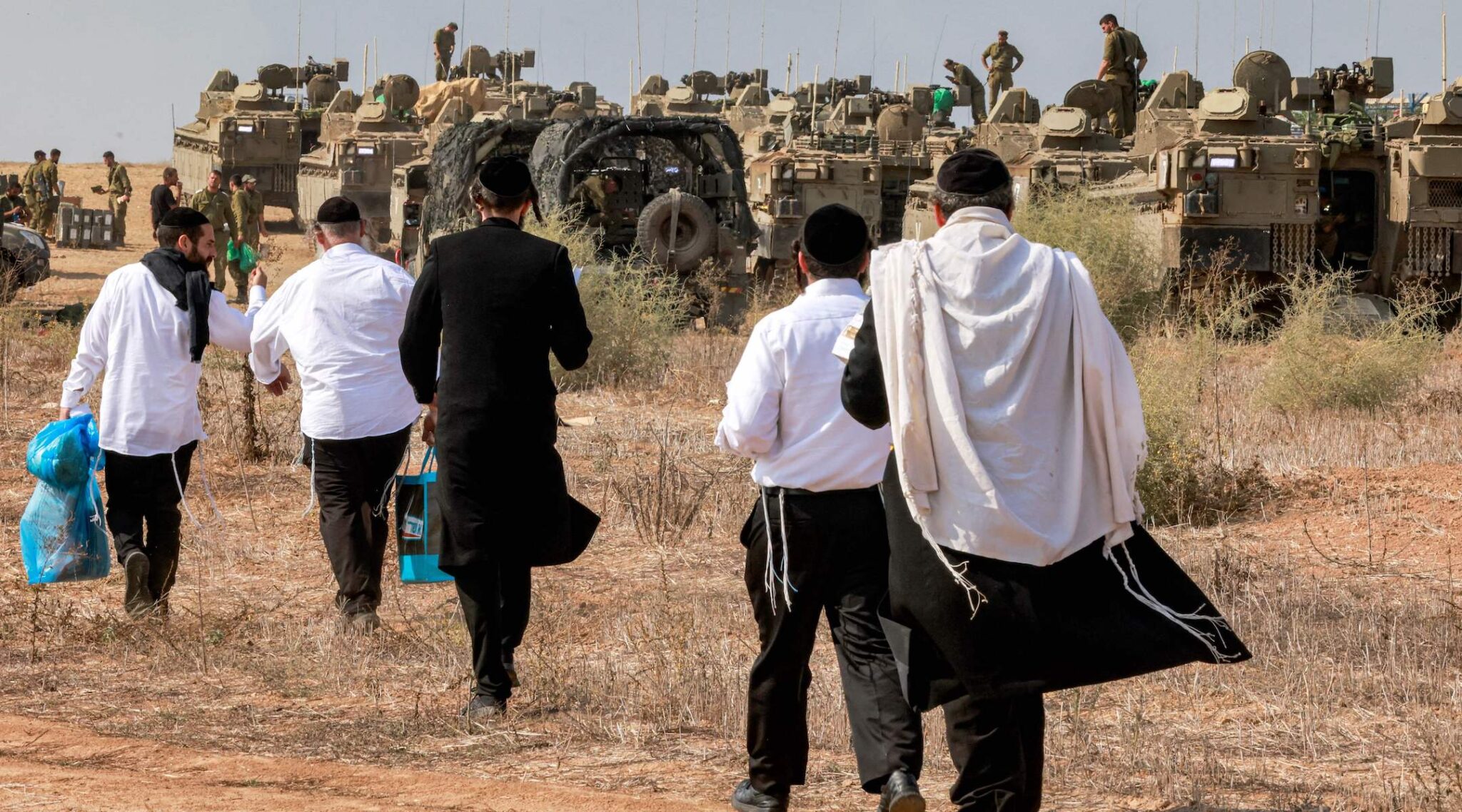
Israel’s top court rules army must draft ultra-Orthodox Jews
The Israeli army is in dire need of more troops to cover a severe manpower shortage exacerbated by heavy losses from the war on Gaza
News Desk
JUN 25, 2024
(Photo credit: Menahem Kahana/AFP)
The Israeli High Court ruled on 25 June that male Haredim (ultra-Orthodox Jews) who are eligible for service must be drafted into the military, a decision that threatens the already fragile unity in Prime Minister Benjamin Netanyahu’s ruling coalition.
The High Court ruling stipulated that in the absence of a law distinguishing Haredi seminary students from other eligible military draftees, mandatory service applies to the ultra-Orthodox just as it does to all other Israeli citizens.
According to the court, there is no longer any legal basis for the Israeli government to grant blanket exemptions to Haredim students nor to instruct the military not to draft them.
“This is a historic victory for the rule of law and the principle of equality in the burden of military service,” said the Movement for Quality Government in Israel, which has been petitioning for the court to rule in favor of ending Haredi exemption from army service.
“We call on the government and the defense minister to implement the decision without delay, to comply with the High Court’s order, and to work immediately to draft yeshiva students,” the statement added.
Ultra-Orthodox Israeli Jews of military age have been able to avoid compulsory enlistment into the army for decades by enrolling in yeshivas (religious schools) and obtaining repeated one-year service deferrals until they reach the age of military exemption.
The issue has been a source of great tension in Israel lately, particularly following the start of the war – as many in the government believe that the burden of service falls on all Israelis. Others, namely the leaders of far-right religious parties on which the coalition relies, have been pushing for continued exemptions of the Haredim. The government has for months been attempting to reach a consensus on the matter.
Opposition leaders from both right-wing and left-wing parties praised the Supreme Court ruling.
Head of the Yisrael Beytenu party, Avigdor Lieberman, congratulated the court for taking “a significant step on the way to historical change,” noting that the army’s losses from the fighting in Gaza will require more personnel.
“Congratulations on a just decision of the High Court of Justice. Where there is no government there is justice,” said the leader of the Israeli Labor Party, Yair Golan.
Benny Gantz, National Unity leader and former war cabinet member, blamed Netanyahu for seeking “solutions for maintaining the coalition” rather than dealing with the severe enlistment crisis Israel currently faces as a result of the war.
Gantz added that it is “not too late” to reach agreements on the matter.
Military service “is a security need and also a moral obligation, not in place of the world of the Torah, but so that we can continue to exist in this country, which belongs to all of us.”
Meanwhile, the Haredim have expressed dismay at the ruling.
The court’s decision was “expected and very disappointing,” said Israeli Housing Minister and chairman of the United Torah Judaism (UTJ) party, Yitzhak Goldknopf.
“There is not a single judge there who understands the value of studying the Torah and [yeshiva students’] contribution to the people of Israel in all generations,” said UTJ lawmaker Moshe Gafni.
https://thecradle.co/articles/israels-t ... hodox-jews