We Are All Somalia
Margaret Kimberley, BAR Executive Editor and Senior Columnist 10 Dec 2025

Somali immigrants and supporters protest Trump statements in Minneapolis, Minnesota. Image: Fox 9 Minneapolis-St. Paul
Donald Trump’s anti-Somali rants are not directed only at members of that group. All Black/African people are seen as suspects, as ungrateful criminals who are deserving of punishment and scorn.
On two recent occasions, Donald Trump, president of the United States, engaged in a racist meltdown against the African nation of Somalia and its citizens who migrated to the United States. In the first instance, he called Somalia the “worst country on earth” and claimed that Somalis “destroyed” Minnesota and turned it into a “hell hole.” Not long after, while speaking to the press at a cabinet meeting, he referred to a member of congress, Ilhan Omar, as “garbage.” He also used the term to describe everyone coming from her home country of Somalia. For good measure, he added that Somali immigrants were “88% on welfare,” and “their country is no good for a reason. Their country stinks.”
One hardly knows where to begin in analyzing these tirades, which exemplified Trump’s crude pettiness and childlike tantrums and which rehashed his “shithole country” statement from his first term in office. The Trump administration is making good on its promises to curb immigration and to empower Immigration and Customs Enforcement (ICE) to detain and deport thousands of people and to sweep up legal residents and even citizens in the process. Even worse, Trump has always shown a particular animus towards Black immigrants. When he isn’t labeling their origins as “shithole” he is, as in the case of Haitians, accusing them of eating dogs and cats.
The ostensible reason for the rant was charges of fraud carried out by social service agencies led by Somali immigrants in the state of Minnesota. While Trump claims that “billions” were improperly funded, the figure is estimated to be $152 million. Prosecutors have indicted more than 80 people who are accused of charging the state for autism services that were not delivered, overpayments for nutrition programs, medicaid, and housing. In some instances, these services may have been provided, but not for the amounts that were billed.
Not only have the amounts of money in question been inflated by the Trump administration, but there are even claims that funds went directly to Somalia and to the group Al-Shabaab. There is little evidence for this allegation, but the truth is no hindrance to Trump and his team when they are in rage and race-baiting mode, or to many others in the country who are always ready to think the worst about Black people in Minnesota or Somalia or anywhere on planet earth.
The loathing directed at Somali immigrants extends to their homeland. The hatred is not merely rhetorical but is carried out militarily as well. Trump is not the first president to target Somalia, which has the misfortune of being located strategically on the Horn of Africa on the Gulf of Aden and near Yemen, Saudi Arabia and other nations of interest to the United States.
From Bill Clinton to Donald Trump, every president has played a role in keeping Somalia destabilized. The U.S. has encouraged that nation’s actual dissolution by giving support to forces in the Puntland and Somaliland regions who wish to secede. The George W. Bush administration encouraged Ethiopia to invade and to occupy Somalia for two years, and every president has sent drone strikes to bomb this country under the guise of fighting a war against terror.
Trump has bested all of his predecessors in inflicting U.S. violence on Somalia. In less than one year in office, he has bombed Somalia more than 100 times, ten times the number of strikes carried out by the Joe Biden administration in 2024 and more than the combined total carried out during the twelve years that Barack Obama was in office.
While every president of this white supremacist nation has conducted white supremacist policies, Trump is unique among presidents in the modern era in openly expressing his racism. It isn’t unusual for members of congress to incur presidential wrath, but this columnist can think of no other occasion when one of them was referred to as “garbage” along with an entire group of people who are lawfully in the U.S. and most of whom are citizens. Of course, it is always important to remember the infamous Supreme Court decision in Dred Scott v. Sanford, in which Chief Justice Roger Taney said that no Black person was a citizen and none had any rights that a white man needed to respect.
Not only was Trump’s invective unique and in a very bad way, but the silence surrounding it was also unique. One would expect editorial pages, pundits, and members of congress, to vocally and emphatically jump to the defense of Ilhan Omar and Somali immigrants. Yet a combination of the acceptance of racism and fear of Trump’s vindictiveness has made what should be a scandal a mere blip on the screen of corporate media.
Omar’s colleagues in the Congressional Black Caucus (CBC) did issue a statement in her defense, but it read more like typically bland Democratic Party talking points criticizing Trump policies rather than making it clear that racism was behind the attack.
“Rather than focusing on lowering the cost of living for hardworking American families, ensuring that all Americans have access to quality and affordable healthcare, and bringing our country together, President Trump has once again turned to the same racist and ignorant strategy of targeting Black and immigrant communities to distract from his enormous failures and historically low poll numbers on health care and the economy.”
Trump’s approval ratings are not where the focus of attention ought to be directed. But the CBC long ago gave up elucidating Black politics of any kind. The group of careerists who are joined at the hip with the feckless and traitorous Democratic Party may as well take the word Black out of their name.
There was far less condemnation from other quarters than would have been expected. Trump has achieved the dubious distinction of lowering expectations so much that he can get away with saying and doing what other presidents could not. He also brags about saying out loud what other white people are thinking and, unfortunately, he is correct in that assertion.
Trump used the shooting death of a National Guard trooper, who was only in Washington because of his insistence on controlling that city, to further attack Global South immigrants. The man charged with the shooting was from Afghanistan, where he had worked with the CIA. Not one to waste another opportunity, Trump linked Afghanistan with Somalia. One reporter actually did his job and asked about the connection being made where none existed, only to run up against hatred and ignorance. “What do the Somalians have to do with this Afghan guy who shot the National Guard members?” Trump replied, “Ah, nothing. But Somalians have caused a lot of trouble. They're ripping us off.”
Afghanistan and Somalia are both worse off than they would have been absent U.S. intervention. Yet the destruction of these two countries is accepted as being good and necessary and the fact that U.S. aggression sends thousands of people fleeing from their homes is ignored in favor of bigoted belief systems about white supremacy and U.S. hegemony.
Most Somali immigrants in Minnesota are now either U.S. citizens or permanent residents. Trump has announced renewed crackdowns on immigrants, threatening to denaturalize and to remove permanent residence status from people who wouldn’t be here if they hadn’t been chased away from their homeland. Hopefully, when they studied for citizenship tests, they learned about Dred Scott and know that any rights they allegedly have are tenuous. As for the descendants of enslaved people here, they would do well to remember they are in the same circumstance as Somalis, always suspected, singled out for criticism and punishment, and the first to be punished when racists are angry. Every Black person in the U.S. has had and will get the Somali treatment.
https://blackagendareport.com/we-are-all-somalia
DUI Hire
Raymond Nat Turner, BAR poet-in-residence 10 Dec 2025

If DOGE is Department Of Grifter Enrichment—looking for Waste,
Fraud and Abuse without mirrors— DOD is Drunk On Duty! Smooth
Blend of arrogance/incompetence on the rocks. Serving at the Parasite
Platoon’s pleasure: Play-Doh president/traitor/plaything of strongmen …
Chain-chain-chain—Chain of command
Chain-chain-chain—Chain of command
Captain Morgan, Jim Beam, Jack Daniels,
Johnny Walker, Dom Perignon, Bloody Mary.
“Kill them all!” 90 proof command. A shot of
Brandy ordered from the bar. “Fake News” on Sunday—
“Didn’t know” on Monday. Twisting Teddy Roosevelt’s
Gunboat diplomacy into slurred speech, to carry a Big Lie.
In The Fog Of Wine, “We’re at war!” with tiny boats of
Tuna and marlin fishermen. Their melancholy motors
Moaning out to sea. To places of work. To sources of
Food.
In The Fog Of Wine, fishing poles become cannons!
Tiny boats morph into freighters transporting tons of
Drugs! In the Fog Of Wine, tiny boats must be sunk—
Their threat forever eliminated!
In The Fog Of Wine, they are caught in nets of lethal
Big Lies—revolving around an orange wrecking ball.
Big lies flying from a Fox-box foot soldier, flying by
The seat of pants well-worn at the knee.
In The Fog Of Wine, vaporized bodies are props. For
Patton cosplay by Dark Age tattooed, pomade
Warlord wrapped in red, white, and blue SNAFU.
Señor Signal-Gate— giving new meaning to Mess Sergeant.
In The Fog Of Wine, blood-spilling— willy-nilly killing—
“Warrior’s ethos” of mustard seed-hearted sadists conducting white
Supremacist crusades. Purging US Imperialism’s Wehrmacht— and
The world— of “Woke-ness.”
© 2025. Raymond Nat Turner, The Town Crier. All Rights Reserved.
https://blackagendareport.com/dui-hire
******
Trump’s Idea for Health Accounts Has Been Tried. Millions of Patients Have Ended Up in Debt.
Posted on December 9, 2025 by Yves Smith
Yves here. The deadline for stitching up a deal on extending Covid-era ACA subsidies is bearing down on the Trump Administration and Congress like a freight train. No fix means millions of Americans face painful insurance premium increases for 2026, between already-high scheduled increases plus the loss of the extra support. Many, including some podcasters, have said they will probably have to forego coverage.
If there were any hope of the Republicans retaining the House in the midterms, throwing this many citizens under the bus would seem to kill it stone cold dead. Admittedly, Chuck Schumer and his Democrat Senate stooges were the ones who blinked on the shutdown, which had been intended to make the cost to the Republicans of doing nothing to become impossibly high. However, with the Republicans controlling both houses and the Administration, it’s hard to see how they can shift blame.
We are providing a discussion of what Trump tried presenting as an alternative, which is health savings accounts paired with high deductible insurance plans. The idea makes sense at most for the generally healthy well off, who can salt away a lot in the savings accounts and also conceivably stand the risk of a big medical bill. Giving middle and lower income citizens a few thousand dollars for these accounts is a band-aid level solution to the gunshot wound of huge health care costs for anything beyond very routine care.
Proponents claim, without any trace of shame, that patients need skin in the game so they will find good health care at cheaper prices. Please tell me where to find this unicorn. Being a libertarian means never having to say you are sorry.
Hence the lack of uptake on the Trump “old wine in new bottles” scheme.
By Noam N. Levey. Originally published at KFF Health News
Sarah Monroe once had a relatively comfortable middle-class life.
She and her family lived in a neatly landscaped neighborhood near Cleveland. They had a six-figure income and health insurance. Then, four years ago, when Monroe was pregnant with twin girls, something started to feel off.
“I kept having to come into the emergency room for fainting and other symptoms,” recalled Monroe, 43, who works for an insurance company.
The babies were fine. But after months of tests and hospital trips, Monroe was diagnosed with a potentially dangerous heart condition.
It would be costly. Within a year, as she juggled a serious illness and a pair of newborns, Monroe was buried under more than $13,000 in medical debt.
Part of the reason: Like tens of millions of Americans, she had a high-deductible health plan. People with these plans typically pay thousands of dollars out of their own pockets before coverage kicks in.
The plans, which have become common over the past two decades, are getting renewed attention thanks to President Donald Trump and his GOP allies in Congress.
Many Republicans are reluctant to extend government subsidies that help cover patients’ medical bills and insurance premiums through the Affordable Care Act.
And although GOP leaders have yet to coalesce around an alternative, several leading Republican lawmakers have said Americans who don’t get insurance through an employer should get cash in a special health care account, paired with a high-deductible health plan. In such an arrangement, someone could choose a plan on an ACA marketplace that costs less per month but comes with an annual deductible that can top $7,000.
“A patient makes the decision,” Sen. Bill Cassidy (R-La.) said at a recent hearing. “It empowers the patient to lower the cost.”
In a post on Truth Social last month, Trump said, “The only healthcare I will support or approve is sending the money directly back to the people.”
Conservative economists and GOP lawmakers have been making similar arguments since high-deductible health plans started to catch on two decades ago.
Back then, a backlash against the limitations of HMOs, or health maintenance organizations, propelled many employers to move workers into these plans, which were supposed to empower patients and control costs. A change in tax law allowed patients in these plans to put away money in tax-free health savings accounts to cover medical bills.
“The notion was that if a consumer has ‘skin in the game,’ they will be more likely to seek higher-quality, lower-cost care,” said Shawn Gremminger, who leads the National Alliance of Healthcare Purchaser Coalitions, a nonprofit that works with employers that offer their workers health benefits.
“The unfortunate reality is that largely has not been the case,” Gremminger said.
Today, deductibles are almost ubiquitous, with the average for a single worker with job-based coverage approaching $1,700, up from around $300 in 2006.
But even as high deductibles became widespread, medical prices in the U.S. skyrocketed. The average price of a knee replacement, for example, increased 74% from 2003 to 2016, more than double the rate of overall inflation.
At the same time, patients have been left with thousands of dollars of medical bills they can’t pay, despite having health insurance.
About 100 million people in the U.S. have some form of health care debt, a 2022 survey showed.
Most, like Monroe, are insured.
Although Monroe had a health savings account paired with her high-deductible plan, she was never able to save more than a few thousand dollars, she said. That wasn’t nearly enough to cover the big bills when her twins were born and when she got really ill.
“It’s impossible, I will tell you, impossible to pay medical bills,” she said.
There was another problem with her high-deductible plan. Although these plans are supposed to encourage patients to shop around for medical care to find the lowest prices, Monroe found this impractical when she had a complex pregnancy and heart troubles.
Instead, Monroe chose the largest health system in her area.
“I went with that one as far as medical risk,” she said. “If anything were to happen, I could then be transferred within that system.”
Federal rules that require hospitals to post more of their prices can make comparing institutions easier than it used to be.
But unlike a car or a computer, most medical services remain difficult to shop for, in part because they stem from an emergency or are complex and can stretch over numerous years.
Researchers at the nonprofit Health Care Cost Institute, for example, estimated that just 7% of total health care spending for Americans with job-based coverage was for services that realistically could be shopped for.
Fumiko Chino, an oncologist at the MD Anderson Cancer Center in Houston, said it makes no sense to expect patients with cancer or another chronic disease to go out and compare prices for complicated medical care such as surgeries, radiation, or chemotherapy after they’ve been diagnosed with a potentially deadly illness.
“You’re not going be able to actually do that effectively,” Chino said, “and certainly not within the time frame that you would need to when facing a cancer diagnosis and the imminent need to start treatment.”
Chino said patients with high deductibles are often instead slammed with a flood of huge medical bills that lead to debt and a cascade of other problems.
She and other researchers found in a study presented last year that cancer patients who had high-deductible health insurance were more likely to die than similar patients without that kind of coverage.
For her part, Monroe and her family were forced to move out of their house and into a 1,100-square-foot apartment.
She drained her savings. Her credit score sank. And her car was repossessed.
There have been other sacrifices, too. “When families get to have nice Christmases or get to go on spring break,” Monroe said, hers often does not.
She is thankful that her children are healthy. And she continues to have a job. But Monroe said she can’t imagine why anyone would want to double down on the high-deductible model for health care.
“We owe it to ourselves to do it a different way,” she said. “We can’t treat people like this.”
https://www.nakedcapitalism.com/2025/12 ... -debt.html
Moral Means Testing: Utah’s Isolated Homeless “Campus” to Require Education of the Soul Under Trump-Led Push To Divert Attention from Economic Causes of Crisis
Posted on December 10, 2025 by Conor Gallagher
Heading west on Interstate 80 you descend from the Rockies Wasatch Range into Salt Lake City, and as you snake through traffic you can catch a glimpse of the capital of the Mormon Church before you’re in the Western suburbs where the land irons out and before you stretches only salt flats, desert, and a handful of casino-lit villages for 518 miles (835 km) until you roll into Reno.
It’s at the beginning of this long lonely road that Utah plans to construct what’s being billed as a “homeless campus”—which I guess focus groups preferred to homeless gulag. It is intended to serve as a model for the Trump administration’s new way forward on the exceptional American crisis that is its homelessness.

The proposed location of Utah’s homeless “campus.”
Let’s first quickly recap what the Trump plan is before turning to the particular’s of Utah’s vision.
We covered Trump’s executive order on homelessness back in July and that can be read here. The summarized version:
Trump’s order frames the country’s homelessness crisis as the product solely of mental illness and drug addiction.
With that false starting point, the Trump plan pushes civil commitment, i.e., forced mental health and substance abuse treatment.
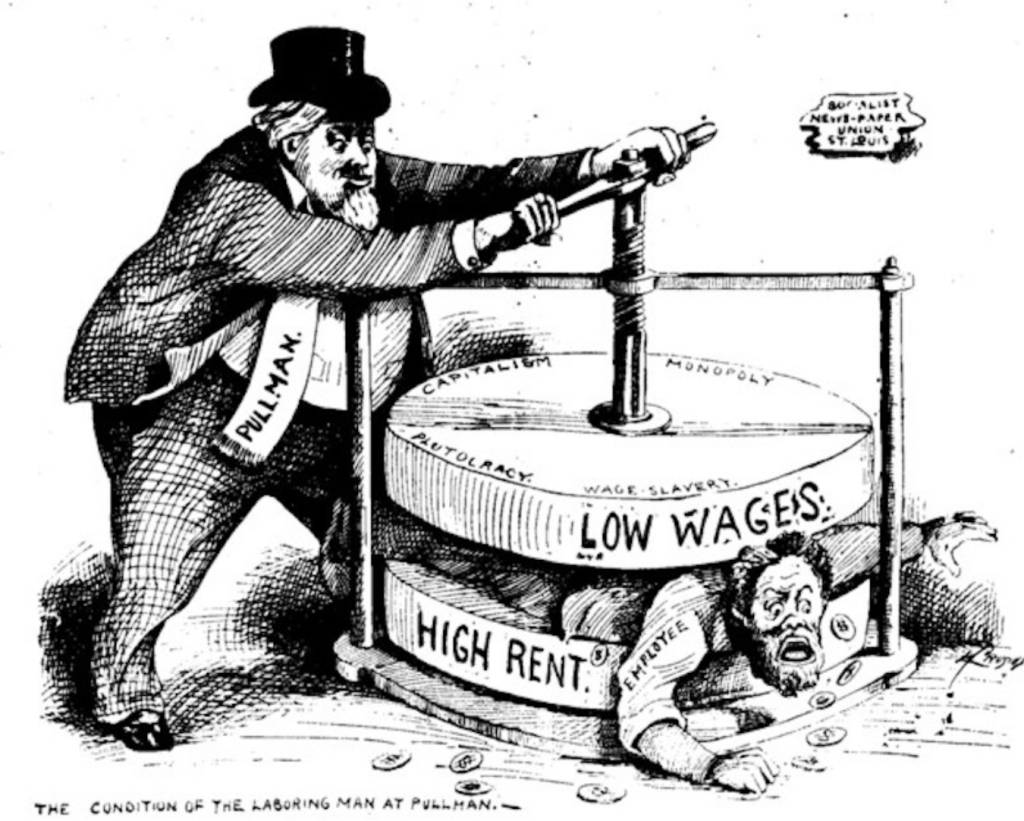
While the executive order ignores the main drivers of homelessness (high rents, low wages, lack of social safety net), many actions the administration is taking is simultaneously worsening them.
How does Utah’s “campus” fit in? The Utah Homeless Services Board recently wrote in a letter that it would “coordinate with the White House” to explore “becoming a pilot for the rest of the country on how to deploy an exhaustive treatment-focused intervention that is dignified, humane, and efficacious.”
The result is a plan for a massive 1,300-bed facility on the outskirts of Salt Lake City, which happens to have no public transportation. The center, expected to open in 2027, would include more than 300 beds for court-ordered civil commitment, hundreds more for treatment “as an alternative to jail,” and other sections for what the plan describes as “work-conditioned housing.”
To Be Fair, this is not just a Trump thing or an Utah thing. If there are an any areas in our discordant politics where agreement isn’t hard to find, it’s kicking the poor and gearing up for war. The homeless issue has mostly been ignored by Democrats, but now in the wake of last year’s Supreme Court decision that localities could ban camping even in places that lacked shelter space, policies in blue states and cities are mostly indistinguishable from Trump’s stance.
San Diego is being sued for herding the homeless with the threat of arrest into tent sites filled with mold and rats. San Francisco is working on a plan that mirrors Trump’s. New Orleans rounded up more than 100 homeless and threw them in a warehouse so they’d be out of sight for the Super Bowl earlier this year.
Utah’s plan takes it a step further in that it’s some combination of a forced shelter, psychiatric hospital, and sobriety center.
Seeing as the US is unwilling—and is in fact pursuing even more harm to its citizens— to do anything about low wages, high rents, housing supply, lack of a public safety net, healthcare rapaciousness, etc., spaces to house the homeless like the Utah campus are in need.
In theory it could be helpful. And it could provide necessary assistance to some who need it. If there are people who are unwilling or unable to leave the streets when presented with an opportunity to do so because of mental illness or substance addiction, it’s hard to argue with the necessity of something like a homeless campus to get them the help they need.
But turning to such a measure as the final solution without housing assistance, without rent caps and wage laws, while simultaneously slashing the social safety net and blessing rental housing price fixing, well, it’s a recipe for disaster.
It risks that many people who are simply victims of American capitalism are going to get swept up into the civil commitment dragnet. As Bill Tibbitts, deputy executive director of Crossroads Urban Center, a low-income advocacy nonprofit based in Utah, puts it:
“A senior citizen who had their rent increased beyond what they could afford is not going to want to go to a quasi-correctional facility to get help finding a place to live that they can afford.”
There’s also the issue of the rapidly increasing number of homeless children. Will they too be labeled mentally ill or addicts?
Planners say the “campus” will hold hundreds of people under court-ordered civil commitment, and there will also be an “accountability center” for those with addictions.
“An accountability center is involuntary, OK — you’re not coming in and out,” Randy Shumway, chairman of the state Homeless Services Board, told the New York Times. He added that the campus will guide homeless people “towards human thriving.”
That’s one potential outcome. Another is that it becomes an exploitative hellhole if it is ever built.
Red Flags Galore
The Price Tag. Utah’s proposed $30.7 billion budget includes $25 million for 1,300-bed homeless campus on the west side of Salt Lake City. The governor is also requesting $20 million in ongoing funds to provide services, but the full cost of the project (estimated to be at least $75 million to build and north of $34 million a year to operate) wouldn’t be covered by the state alone. The plan is that the Trump administration and private investors will come in with more money to see the project through.
Despite the uncertain money, the plan is to have it up and running in 2027, which leads to obvious doubts about the quality of the campus and is drawing comparisons to the hastily-built “Alligator Alcatraz.”
Tibbitts, the deputy executive director of Crossroads Urban Center, says that if the facility wants to adequately treat so many people, the cost “will be much higher than $75 million”—the key word being adequately.
Private investor involvement. How are they going to see a return on their investment? The best-case scenario is the usual price-gouging of the government for providing healthcare and other services at the campus. One can imagine a range of worse possibilities, however. Last year, Utah revamped its homelessness planning board; out went the nonprofits and in came the businesspeople. The board is now led by the management consultant Shumway who is championing a “management consulting approach” and says that “success is not permanent housing — success is human dignity. We are in the business of lives, of humans, of souls.”
Shumway is also in the business of making money. His firm is pushing data collection software, called Know-by-Name, used in homeless case management, and the state homeless board now headed by Shumway wants it to be used statewide.
Coerced treatment.
The backers of the campus call it a “secure residential placement facility” where people who are “sanctioned” to go there would not be able to leave voluntarily. Even if Utah—and the US— have the capacity to forcibly treat people (there is little indication they do), studies show that coerced treatment is not effective. A recent study, “Use of Coercive Measures during Involuntary Psychiatric Admission and Treatment Outcomes: Data from a Prospective Study across 10 European Countries,” found that “all coercive measures were associated with patients staying longer in the hospital.”
The promise of high-quality medical care doesn’t match current trends. Trump’s “Big, Beautiful Bill” that took a wrecking ball to Medicaid, the number one payer for addiction and mental health services. Wait times to access services are already excruciatingly long and are now expected to get longer. From the Vera Institute:
In the United States, people must wait an average of 48 days to access mental health or substance use services, and many struggle to afford needed services that are inaccessible without insurance.
This is rarely discussed in bipartisan plans to “treat” the homeless. They want to blame mental health and addiction, but don’t want to spend the amounts of money that would be required to adequately provide services. They’re effectively bypassing the simpler, cheaper, and more humane solutions of affordable housing and accessible voluntary care to the most expensive and most invasive—without providing the funding for it.
In Oregon, for example, it costs about $321,000 to commit one person at the state hospital for six months. You can do the math from there.
It can, however, be lucrative for investors looking to cut corners and break the law. The Trump administration and states turn to forced institutionalization happens to coincide with private equity spreading its tentacle through the mental health care industry, which is largely driven by Affordable Care Act provisions requiring coverage of such care for as long as patients need it. From a recent ProPublica investigation:
More than 40% of inpatient mental health beds were operated by for-profit entities as of 2021, according to unpublished data from Morgan Shields, an assistant professor at Washington University in St. Louis who studies quality in behavioral health care. That’s up from about 13% in 2010.
And with that trend comes the usual degradation of services. ProPublica found that more than 90 psychiatric hospitals violated the Emergency Medical Treatment and Labor Act in the past 15 years. Roughly 80% of them are owned by for-profit corporations, and only a few have faced even meaningless fines. In most cases the U.S. Centers for Medicare and Medicaid Services and the inspector general of the Department of Health and Human Services simply ignore the law breaking.
Chief among the violations are efforts to increase profits by denying care to patients without insurance or with lower-paying forms of insurance and turning away more complicated patients who might require more staffing and other costs.
As it stands now, the Los Angeles County jail system is the largest “mental health care provider” in the country. Private equity plays a major role in the private prison healthcare industry, which was estimated to be a $9.3bn business in 2022.
The Guardian recently looked into two of the largest behemoths in the prison health industry – Wellpath and Corizon – which are both backed by private equity investors. What they found wasn’t pretty but expected when you combine private equity with captive customers. It’s like healthcare horror stories from across the country, but on steroids inside prison walls, including staff shortages, delays in care, severe negligence, and preventable deaths.
What exactly is “work-conditioned housing” that the campus is supposed to feature? It’s not exactly clear from the plan, but it’s not difficult to imagine.
Eric Tars of the National Homelessness Law Center says it “means forced labor.” He adds that is part of a trend, noting that in Louisiana a bill punishing outdoor camping introduced earlier this year proposes requiring those convicted to serve up to two years of “hard labor.” Another West Virginia bill wants those arrested for camping to take part in “facility upkeep.”
What’s the goal? In none of the news pieces, interviews, or literature on the campus have I been able to find anything about what happens to people once they leave the “campus.” Even if their souls are saved, what of their economic condition?
***
Backers of the Utah campus and Trump’s nationwide vision say there’s no alternative as everything else that’s been tried hasn’t worked.
The US has in fact tried very little—and in reality has actively made the problem worse over recent decades through a wide range of policies that have increased the economic precarity of the working class. As many people on the front lines repeat, the number one thing the US could do would be to stop more people from becoming unhoused. That’s because at the current rate for every individual who gets back into housing, two, three, or more take their place.
Instead of addressing that fact, there is an effort underway to shift the blame from the systemic to the personal and blame mental health and drug use.
And so we see criminalization and what little funding is available to address homelessness is being redirected toward confinement.
In Utah, for example, there have long been funding shortage for affordable housing, substance use treatment, mental health treatment. According to Evan Done, advocacy and public policy director of Utah Recovers, the state is already short about 1,000 shelter beds compared to the number of people who need them.
Rather than address these shortages, state officials are proposing redirecting about $17 million in federal homelessness grants now overseen by community groups and largely used for housing towards the campus.
Turning Away from Effective—Yet Underfunded—Solutions
In a move that reflects larger trends across the country, Utah is moving away from “Housing First” policies, which officials say “lack accountability.” What they mean is that it housing first doesn’t feature moral means testing.
It says that housing is a fundamental right and that housing programs should identify and address the needs of the people it serves from the people’s perspective. From that starting point, it prioritizes getting a homeless individual into housing and then assists with access to health care and other support like addiction treatment. Studies show it is effective in keeping people housed, but it is expensive and slow—and unable to keep up with the number of people becoming unhoused in today’s America.
Trump’s executive order sought to demolish this tactic. From the order:
The Secretary of Health and Human Services and the Secretary of Housing and Urban Development shall take appropriate actions to increase accountability in their provision of, and grants awarded for, homelessness assistance and transitional living programs. These actions shall include, to the extent permitted by law, ending support for “housing first” policies that deprioritize accountability and fail to promote treatment, recovery, and self-sufficiency; increasing competition among grantees through broadening the applicant pool; and holding grantees to higher standards of effectiveness in reducing homelessness and increasing public safety.
And so states and localities are turning to a “treatment first” model that demands sobriety and mental health in exchange for any help.
Still, even if an individual emerges from isolated “accountability” centers like the campus as reformed and worthy, it’s unclear what aid will be forthcoming. There’s no mention of any job program or housing assistance. So what are we doing here?
Maybe that’s best summed up by Evan Done, public policy director of Utah Recovers:
“What the state is trying to do here is shift the blame from the system to the individual and say that these people do not want help, or they they’re not ready for help, when, in fact, the real issue is that we don’t have services and systems and supports in place that are the right for the people that are struggling.”
https://www.nakedcapitalism.com/2025/12 ... order.html
******
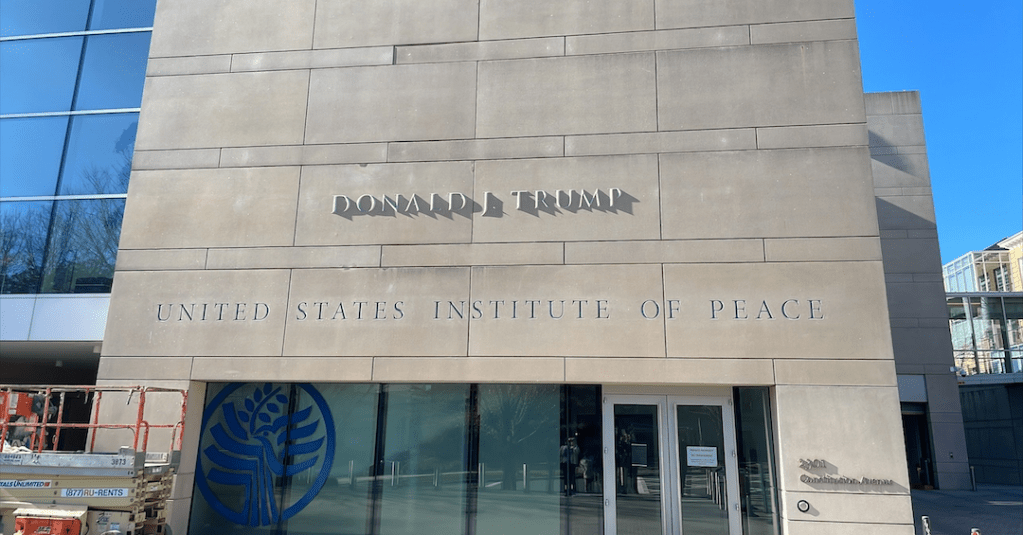 Trump’s Henchmen Keep Calling Their War Slut President A Peacemaker
Trump campaigned on being a president of peace and continues to stake his personal reputation on big talk about peacemaking, but in terms of concrete action he’s just as much of a warmonger as the psychopaths who came before him.
Trump’s Henchmen Keep Calling Their War Slut President A Peacemaker
Trump campaigned on being a president of peace and continues to stake his personal reputation on big talk about peacemaking, but in terms of concrete action he’s just as much of a warmonger as the psychopaths who came before him.
Caitlin Johnstone
December 8, 2025
The US State Department has renamed the US Institute of Peace the Donald J Trump Institute of Peace, proclaiming that it did so “to reflect the greatest dealmaker in our nation’s history.”
“President Trump will be remembered by history as the President of Peace,” tweeted Secretary of State Marco Rubio on the announcement.
Earlier this year the president’s intelligence chief Tulsi Gabbard made a similar social media post, tweeting that “President Trump IS the President of Peace. He is ending bloodshed across the world and will deliver lasting peace in the Middle East.”
This would be the same President Trump who has bombed Somalia more times in the last year than presidents Joe Biden and Barack Obama did in their combined twelve years in office.
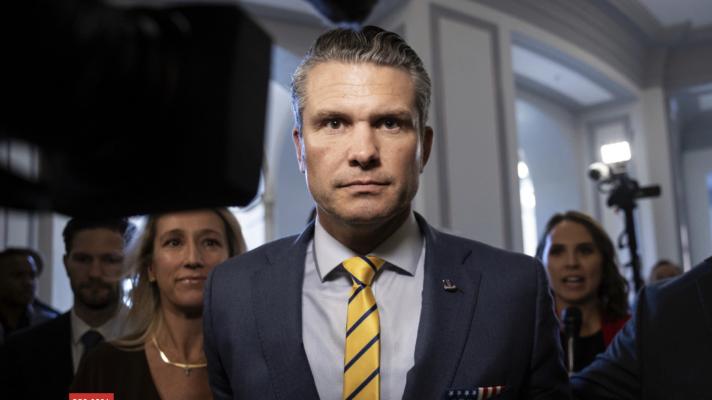
The same President Trump who is bombing boats in the Caribbean and openly ramping up for a disastrous regime change military intervention in Venezuela at this very moment, with his Chairman of the Joint Chiefs declaring that Americans can expect a coming war “in our neighborhood”.
The same President Trump who has spent an entire year pouring weapons into the horrific US proxy war in Ukraine despite promising throughout his entire campaign to end the conflict on day one.
The same President Trump who helped Israel incinerate Gaza for months before suckering the world with a fake “ceasefire” deal which as of this writing has seen at least 373 Palestinians murdered by Israel in just two months since taking effect, while a nightmarish surveillance system is constructed around the survivors.
The same President Trump who risked a horrifying escalation in the middle east by bombing Iran.
The same President Trump who slaughtered hundreds of civilians in his murderous bombing campaign in Yemen earlier this year.
The same President Trump who spent all year ignoring the UAE-backed genocide in Sudan until he was given a nudge by none other genocidal Saudi tyrant Mohammed bin Salman.
The same President Trump who spent his entire first term advancing the longstanding agendas of warmongering DC swamp monsters by starving Venezuela, backing Saudi Arabia’s genocidal atrocities in Yemen, ramping up cold war escalations against Russia which paved the way to the conflict in Ukraine, imprisoning Julian Assange for exposing US war crimes, staging brutal regime change ops in Iran, occupying Syrian oil fields with the goal of facilitating regime change, assassinating General Soleimani, and expanding the US murder machine around the world.
This rhetoric about Trump being the “President of Peace” is just that: rhetoric. It’s words. This administration has been taking credit for resolving a bunch of conflicts it either made up, didn’t help resolve, or was an active belligerent in, while in actual reality turning the gears of the imperial war machine as rapidly as any other president the United States has ever had.
Trump campaigned on being a president of peace and continues to stake his personal reputation on big talk about peacemaking, but in terms of concrete action he’s just as much of a warmonger as the psychopaths who came before him.
There is no basis to continue to support Trump if you are opposed to war. You can support him because he “triggers the libs” or “fights wokeness” or whatever other dopey culture war reason you want if that’s what you’re into, because he absolutely does feed into that nonsense. But if you support him because you think he’s making peace, draining the swamp, or sticking up for the little guy, you’re just plain delusional.
https://caitlinjohnstone.com.au/2025/12 ... eacemaker/




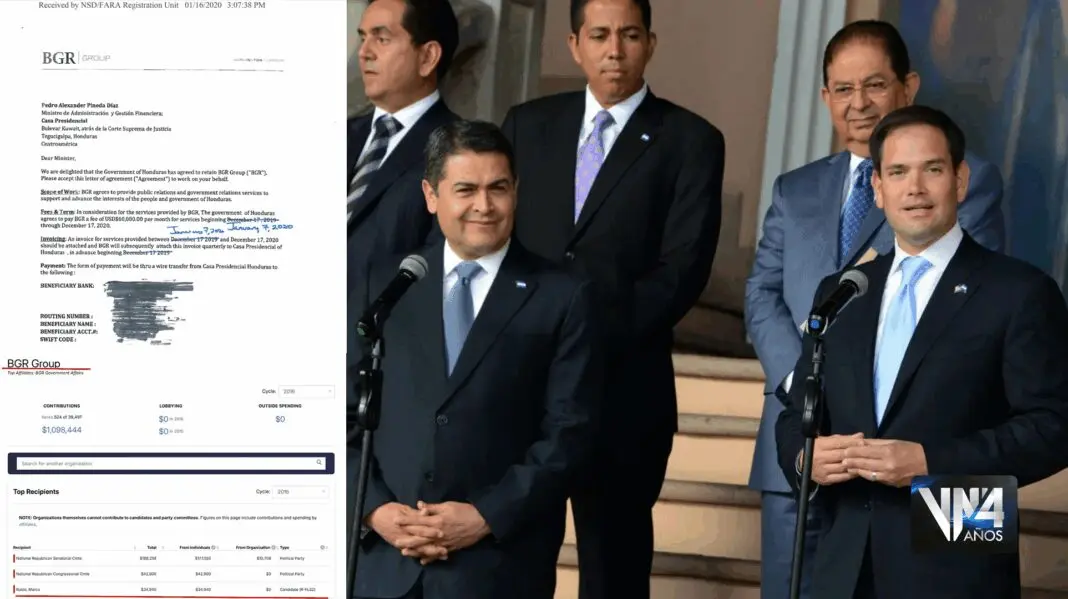


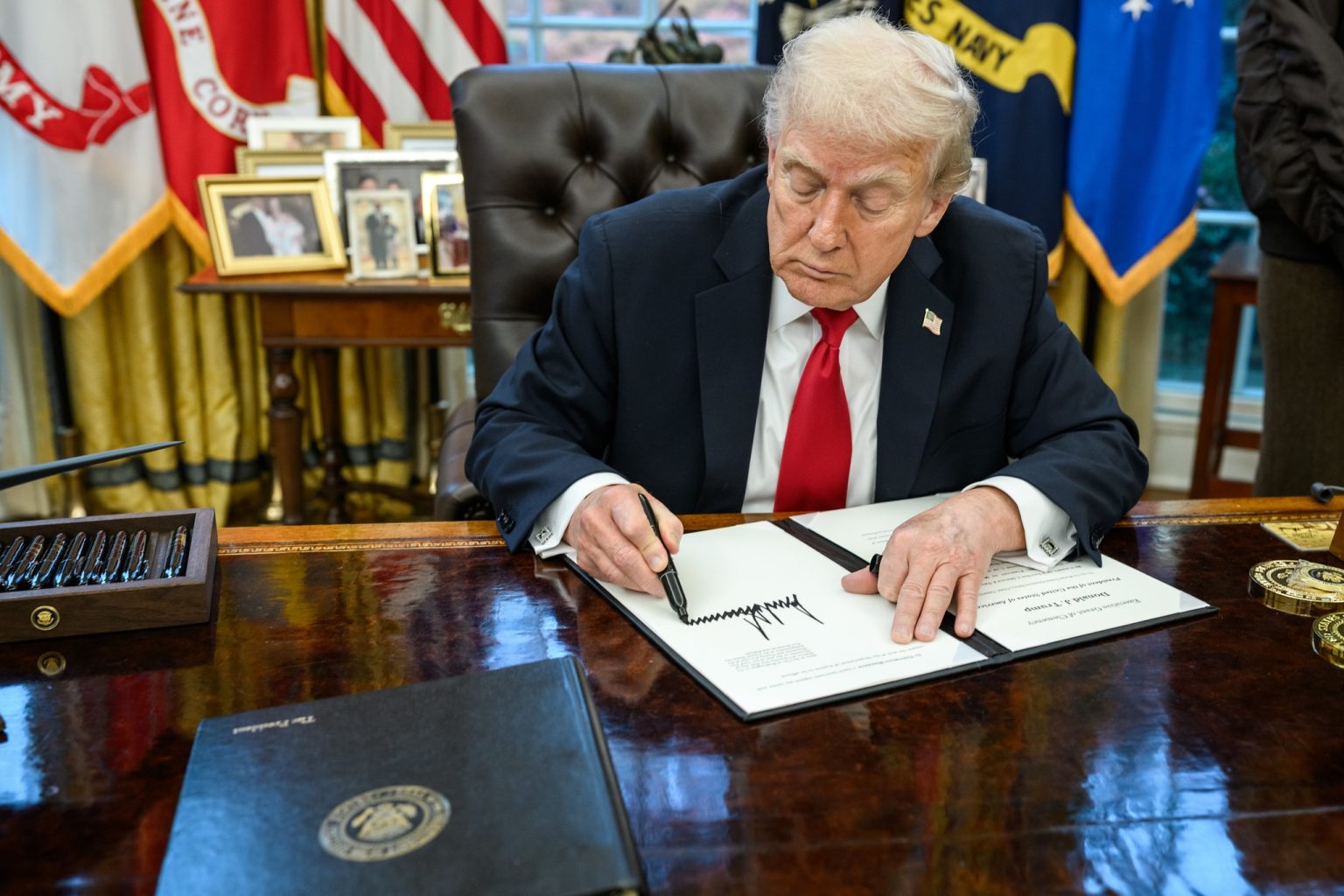
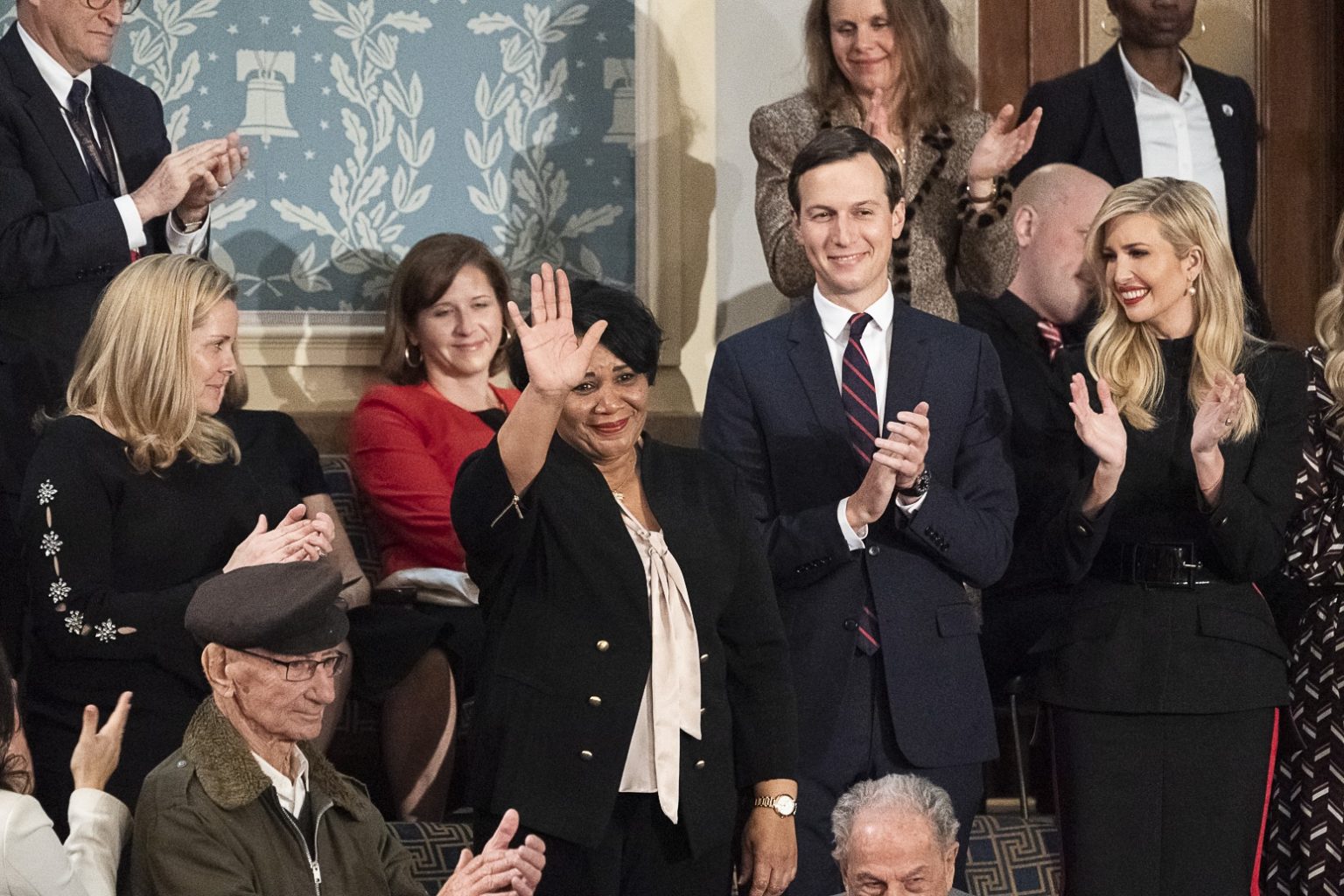


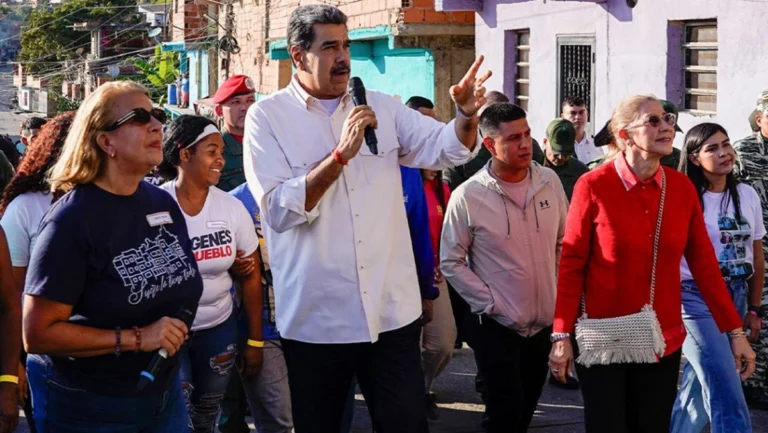
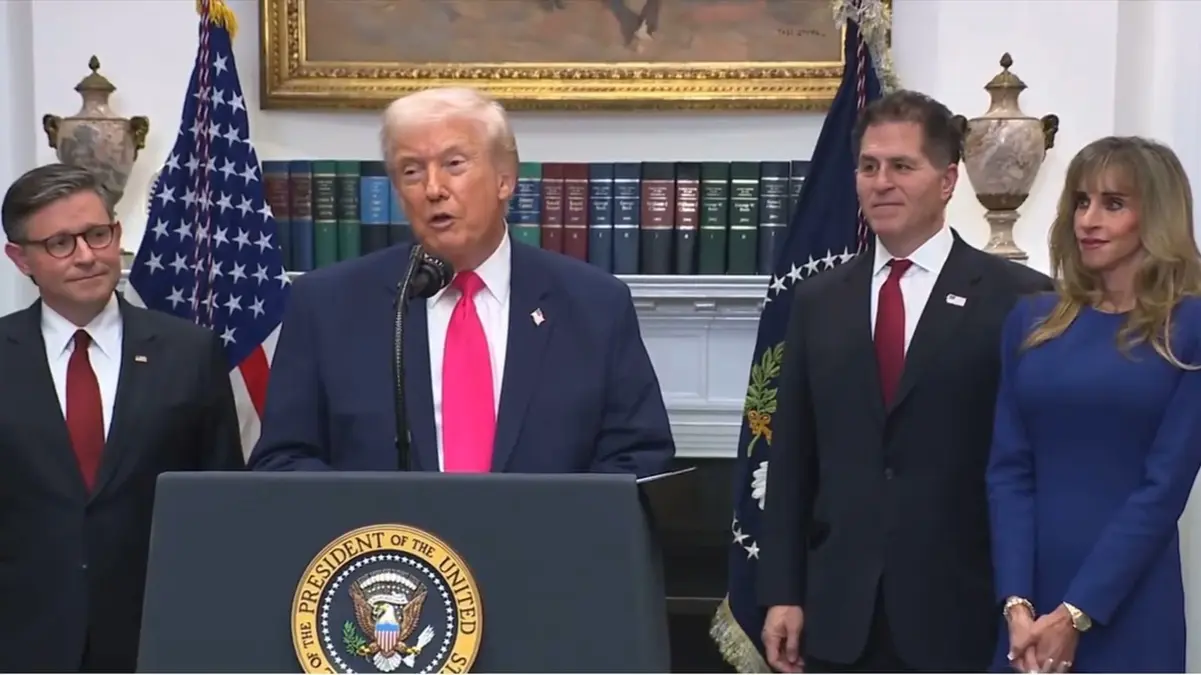
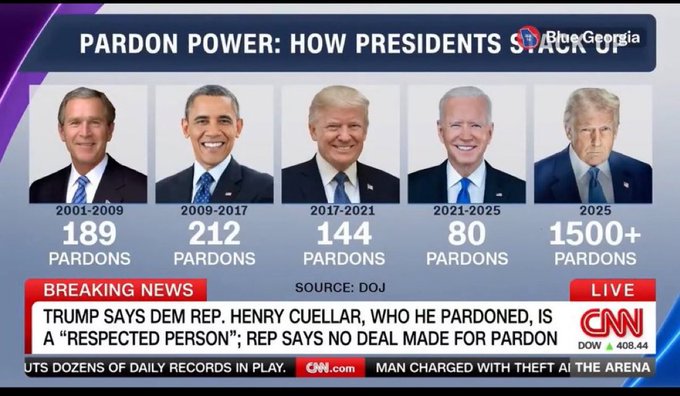
 Trump really said: ‘vote for the right wing candidate in Honduras and I will pardon his convicted drug-dealer friend and ally’.
 (@resisres) November 29, 2025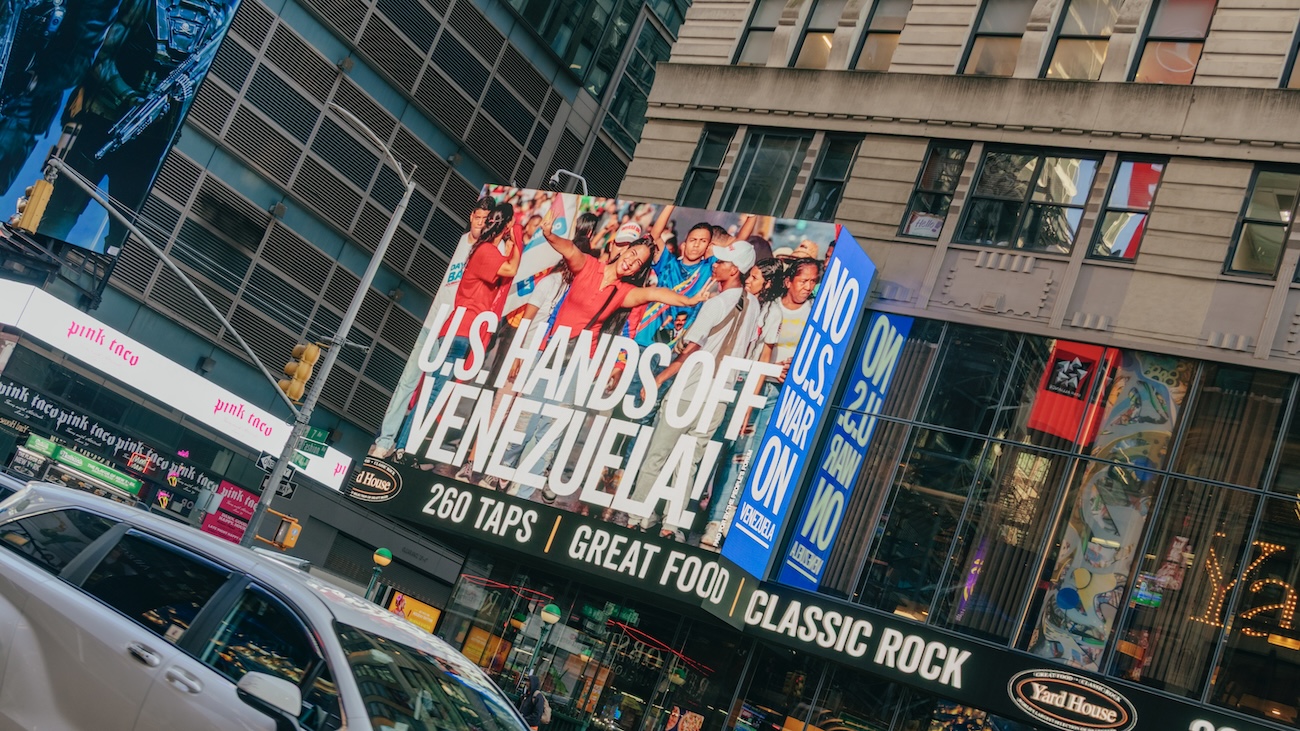




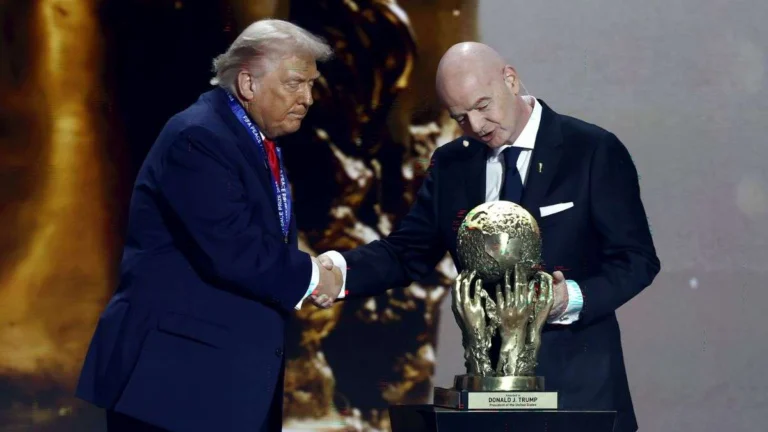
 La decisión de la FIFA de condecorar al presidente estadounidense genera indignación y contradice su historial de agresiones y amenazas contra países de la región.
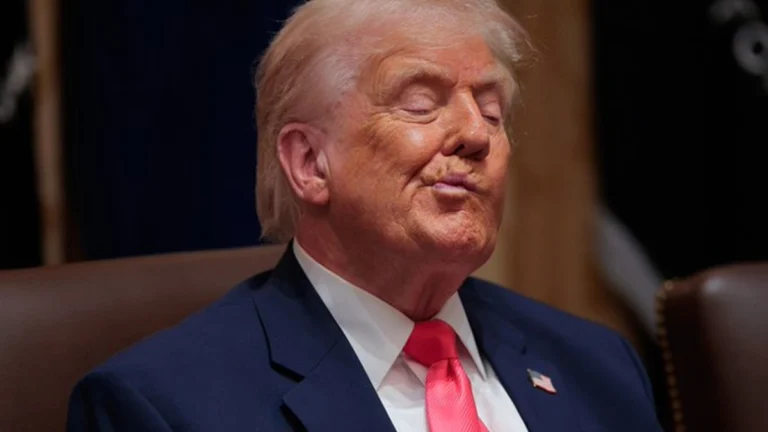
 El presidente de Estados Unidos, Donald Trump, recibió este viernes el "Premio de la Paz" de la FIFA.