India

User avatar
blindpig
Posts: 15306
Joined: Fri Jul 14, 2017 5:44 pm
Location: Turtle Island
Contact:

Re: India

Post by blindpig » Wed Oct 29, 2025 1:55 pm

Image

Yet another shining example of Kerala model of development
Originally published: Peoples Democracy on October 26, 2025 by Sam (more by Peoples Democracy) | (Posted Oct 28, 2025)

KERALA is once again presenting to the world another shining example of the Kerala Development Model. On the upcoming Kerala Piravi Day–November 1, 2025–as the state steps into the 70th year of its formation, Kerala would have completely eradicated extreme poverty. It reflects the CPI(M) led Left Democratic Front (LDF) government’s distinctive bias towards the poor and the marginalised, which is reflected in both its development and welfare initiatives.

This is in a country in which the issue of poverty eradication featured on the agenda of the Indian ruling classes only about a decade and a half after attaining Independence, through the ‘Garibi Hatao’ slogan which raised in the 1971 general election. It was also the central theme of the Fifth Five-Year Plan (1974—1979). However, even forty years after that slogan was coined, in 2011—12, 30 per cent of the Indian population was still reeling under poverty, as per the estimates of the Rangarajan Committee.

BENCHMARKS CHANGED BY GOI
Over the years, successive Union governments have shifted poverty line benchmarks multiple times so that a larger population can be shown to be above the poverty line. The government even adopted the Modified Mixed Recall Period (MMRP) method in the Household Consumption Expenditure Survey (HCES) replacing the older Uniform Reference Period (URP). This change increased recorded consumption, thereby reducing the estimated poverty rate significantly. For example, India’s poverty rate reduced to 16.22 per cent in 2011—12 after applying MMRP.

Additionally, the Union government has developed its own Multidimensional Poverty Index (MPI), which uses specific parameters and indices that can be adjusted to show better performance. As per the ‘National Multidimensional Poverty Index—A Progress Review 2023’, published by the NITI Aayog, the share of India’s population which is multidimensionally poor has declined from 24.85 per cent in 2015—16 to 14.96 per cent in 2019—21. This index is based on the National Family Health Survey data for 2019—21 (NFHS—5). Among states, Kerala has the lowest (0.55 per cent) and Bihar has the highest (33.76 per cent) level of poverty. In NFHS—4, Kerala’s poverty figure was 0.70 per cent.

NO ONE IS LEFT BEHIND
Kerala’s recorded poverty rate is a statistically negligible figure. Yet, for the LDF government, no person is negligible; not a single individual is to be disregarded or left behind. It has always been the consistent stand that the benefits of development and welfare should reach every section of and every individual in the society. It is this commitment that led the state government to launch a comprehensive initiative to wipe out extreme poverty from Kerala. The entire administrative apparatus was galvanised into action to ensure the achievement of this historic objective.

Eradication of extreme poverty was a decision taken up by the current LDF government in its first Cabinet meeting, immediately after assuming office as the continuation of the previous LDF government. In pursuance of that decision, a statewide survey was conducted from July 2021 onwards to identify families and individuals living in conditions of extreme deprivation. Over 14 lakh people were engaged in the exercise to identify them. This was followed by field level validation, super check and final confirmation in the grama/ward sabhas. That survey revealed that 1,03,099 individuals across 64,006 families in 1,032 Local Self Government Institutions were living in extreme poverty.

A CONTINUOUS MISSION FOR KERALA
Measures have since been undertaken to eradicate extreme poverty in the state before it completes seven decades of its formation. Individualised micro—plans were prepared for every family, tailored to their specific circumstances. These plans were categorised into short—term, medium—term, and long—term programmes. Immediate services and benefits were provided under the short—term component, while schemes requiring three months to two years for completion were included under the medium—term plans. Under the long—term plans, skill training, support for education, livelihood, entrepreneurship, etc. and housing assistance were provided, to ensure that eliminating extreme poverty is not a one—time endeavour, but a continuous mission.

In the initial phase, all necessary documentation was ensured for every individual. Aadhaar, ration cards, voter ID cards and health insurance were promptly issued or made available to 21,263 families. Simultaneously, steps were taken to guarantee food and healthcare for every family. Food security was ensured through the provision of food kits and freshly cooked meals through Kudumbashree networks. Individuals within the identified families who were suffering from health problems received assured medical treatment and necessary medicines. Special income—generating programmes were designed and implemented for those without regular sources of livelihood.

Ever since 2016, the LDF government is already on a mission to end homelessness and landlessness in the state, through the LIFE Mission and the Revenue Department. Over the last 9 years, around 4.5 lakh houses have been built, and more than 4 lakh land title deeds have been distributed. As part of eradicating extreme poverty too, significant efforts were made to secure safe and dignified housing for those among the identified. An amount of Rs 473 crore was expended for this purpose. Land was also identified and allocated to the landless among those identified, with about 30 acres earmarked for distribution. Every department of the state government played its part, contributing meaningfully toward the realisation of the goal of eradicating extreme poverty.

On November 1, 2025, Kerala would have achieved a milestone that no other state in the country has achieved, by implementing a comprehensive programme that no other government in India ever had the courage or vision to conceptualise. Sustaining this achievement permanently would be Kerala’s challenge in the future. To that end, the entire society of Kerala would have to shoulder a collective responsibility.

https://mronline.org/2025/10/28/yet-ano ... velopment/

******

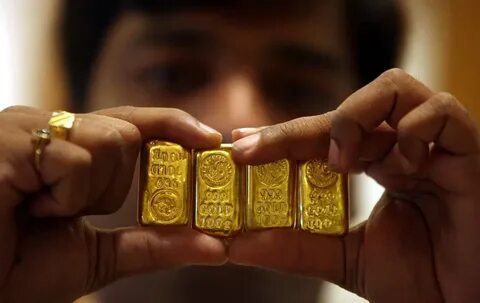
India brings gold home
October 29, 11:00

Image

India brings gold home

India Accelerates Repatriation of Gold Held Abroad, Bloomberg Reports India is accelerating the repatriation of gold held abroad, according to Bloomberg. The Reserve Bank of India (RBI) is accelerating the repatriation of gold held abroad, a record 65% of which is double the amount held four years ago. Since April of this year, India has repatriated 64 tonnes of gold from abroad . The repatriation of gold reserves is driven by increased scrutiny of national assets following the G7 freeze on Russian reserves in 2022 following the outbreak of the conflict in Ukraine . The Reserve Bank of India (RBI) is among the world's largest buyers of gold, reducing its reliance on the US dollar and dollar-linked assets. "It is gradually reducing its investments in US Treasury bonds ," Bloomberg emphasizes. KRISTALL ROSTA previously reported ( https://t.me/crystal_book/3359 ) that the freezing of Russian assets has prompted global central banks to hastily return their gold from Western vaults.

https://t.me/crystal_book/18590 - zinc

. Russia's example has proven instructive, so subject countries are working to withdraw their gold reserves from the West, where these same gold reserves can simply be stolen at any moment.
All stories about reliable Western banks have proven to be fairy tales. This process also leads to the dismantling of economic globalism and the weakening of Western economic hegemony, as subject countries reduce their investments in US government debt and transfer their assets either to non-Western banks or prefer to store gold on their own territory.
One can recall how the assets of Libya and Venezuela were effectively stolen in Europe.

It's also worth noting the continued growth in the percentage of gold in the international reserves of constituent countries, amid the declining role of the dollar. This is observed in Russia, China, and India. This is, among other things, a characteristic sign of preparation for future iterations of the global crisis.

https://colonelcassad.livejournal.com/10156455.html

Google Translator
"There is great chaos under heaven; the situation is excellent."

User avatar
blindpig
Posts: 15306
Joined: Fri Jul 14, 2017 5:44 pm
Location: Turtle Island
Contact:

Re: India

Post by blindpig » Tue Nov 25, 2025 3:34 pm

Trump & India’s Changing Response to Terrorism
November 24, 2025

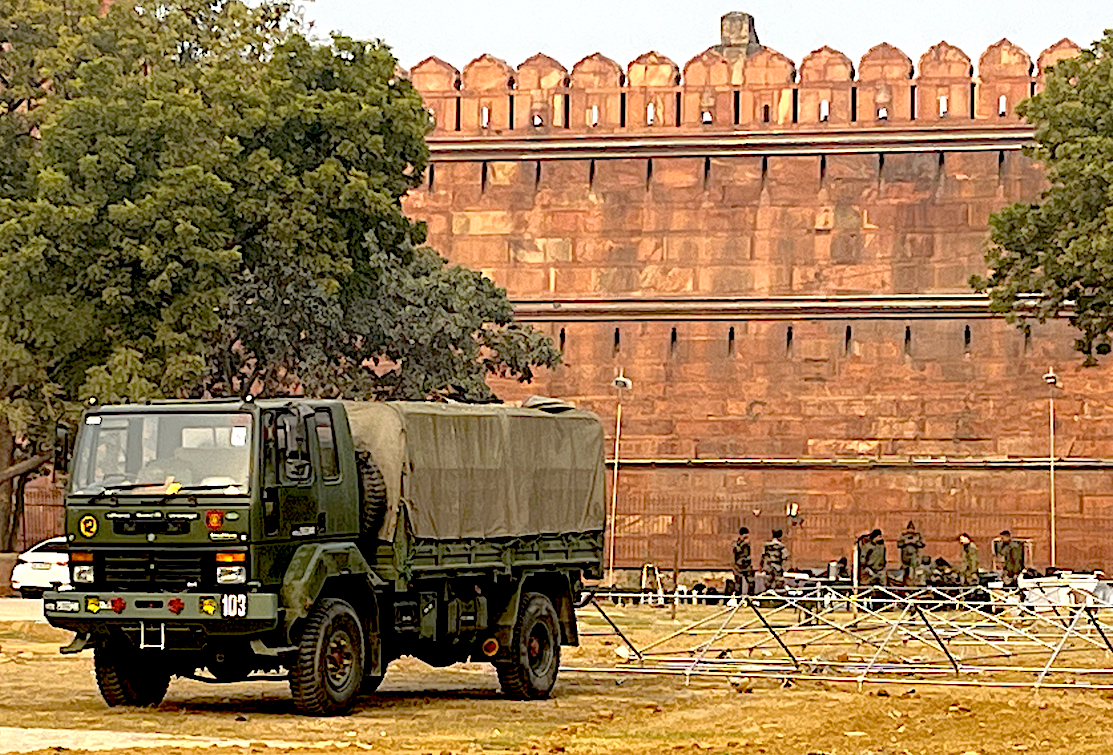
Two weeks have passed since the Red Fort attack in Delhi and the Indian response against Pakistan has been muted, unlike after an earlier terrorist attack in April, reports Betwa Sharma.

Image
Indian soldiers at the Red Fort in Delhi in January 2024, site of the terrorist attack on Nov. 10, 2025. (Joe Lauria for Consortium News)

By Betwa Sharma
in Delhi, India
Special to Consortium News


When terrorists killed 26 people in Kashmir on April 22, the government of Indian Prime Minister Narendra Modi responded with missiles and air strikes against Pakistan, which he blamed for the attack.

On Nov. 10 a Kashmiri doctor blew himself up in a car near the 17th century Red Fort in Delhi, killing 13 people in a fresh terrorist attack.

This time India’s response has been different.

Back in April, Modi didn’t waste time before blaming Pakistan for the murder of the 25 Hindu tourists and a Muslim guide in Indian-controlled Kashmir. Lashkar e Taiba, a militant group based in Pakistan, claimed responsibility for the attack, according to The New York Times and the U.S. State Dept., though the group later denied it.

Modi first expelled some Pakistani diplomats, suspended the Indus Waters Treaty and visas (but not of Pakistani Hindus). Then, after giving Pakistan two weeks to take action against the militants, India launched Operation Sindoor –- air and missile strikes against nine targets of named terrorist groups inside Pakistan’s Punjab province and Pakistan-administered Kashmir.

India claimed to have killed a large number (80 as per news reports) of militants, while Pakistan says non-military targets, including a mosque, were struck, killing 31 civilians and injuring 57. A four-day conflict ensued with cross-border missile and drone attacks with an hour-long dog fight of fighter jets, according to Pakistan.

At least 21 civilians — Hindus, Muslims and Sikhs, including five children – lost their lives in India during the four-day conflict. As many as 40 civilians, including 15 children, were killed in Pakistan.

The air strikes didn’t exactly work in India’s favour: U.S. President Donald Trump claimed credit (disputed by India) for brokering peace after four days of escalation (one of the eight wars he boastfully claims he’s stopped).

Pakistan seemed to walk away with the upper hand, even though India had been the victim of the terrorist attack. On top of that, the U.S. appeared to be drawing closer to Pakistan, while its relationship with India was in trouble.

In the months that followed, India-U.S. relations took a turn for the worse because of India’s continued strategic relations with Russia, its unwillingness to fully align itself with Washington over Ukraine, and India’s warming towards U.S. adversary China, despite Beijing’s alliance with Pakistan. U.S. strategy has been to keep India in the anti-China camp. The U.S. then imposed a 50 percent tariff on Indian goods.

Trump’s intervention in the four-day conflict was humiliating for Modi, who tries to portray himself as a great foreign policy leader. It was also a boon to his opposition. Trump claiming to have made peace was not a good look for Modi or India, and made a mockery of Modi’s overly effusive hugging of Trump in public as U.S.-India relations then plunged to their worst in decades.

Caution Instead of Retaliation

Image
Indian Army Paratroopers issued during 2022 Army Day parade. (Indian Army/Wikimedia Commons)

Now India is faced with a new terrorism crisis after the Red Fort attack.

Modi had made it clear after the April attack that any future terrorism would be treated as an act of war, with no distinction between the attackers and those who back them. This pledge of tough, decisive retaliation, which could include military action, was widely seen as a shift in the country’s counter terrorism doctrine.

So it is notable that the government this time has initially responded with a more measured tone. The mainstream media and the right-wing ecosystem, which echo and amplify the government line, has too.

Two weeks have passed since the Red Fort attack, and the Indian response against Pakistan has been muted. It seems that Trump’s intervention has had its effect on Mod

Even with evidence mounting against Jaish-e-Mohammed, another terrorist group based in Pakistan, that it was behind the Nov. 10 attack, as well as a far more sinister plot to deploy small rocket and drones against crowds, the Indian government has so far held back from making accusations against Pakistan.

Devising a terrorism policy regarding Pakistan has always been tricky, and no Indian government has succeeded. The idea of treating every terror attack as an “act of war” plays well with the domestic audience, especially Modi’s base, but it’s nearly impossible to enforce in South Asia’s complex neighbourhood.

India can’t launch airstrikes every time, and the international community was clearly uneasy about the escalation of armed conflict between two nuclear-armed neighbours last spring.

This time, Pakistan goes unmentioned, leaving Kashmir itself in the crosshairs.

Turning Delhi’s Ire Against Kashmiris

Image
India’s Prime Minister, Narendra Modi, viewing the Himalayas in March 2025. (Prime Minister’s Office/ Government of India/ Wikimedia Commons/ GODL-India)

Since the airstrikes in response to the April attack seemed to turn global opinion towards Pakistan and against India, and with no real strategy to deal with terrorism besides the hubris of launching air strikes against Pakistan each time, the Modi government is focusing retaliation on Kashmir and the people who live there.

Authorities have launched a sweeping crackdown in the territory, detaining and questioning thousands of people, and blowing up the home of the terrorist doctor. The moves have disproportionately hit innocent families and drifted into collective punishment.

This practice of demolishing homes, widely dubbed in India as “bulldozer justice,” is often deployed against Muslims by hard-right leaders in some states run by Modi’s BJP party. The tactics are in defiance of the Indian Supreme Court’s clear ruling that demolitions without due process are illegal and cannot be used as punishment.

The number of those detained after the latest attack varies from 1,000 to 1,500 apparent suspects.

How many of these arrests were conducted in violation of due process and the rule of law simply isn’t known because authorities have stamped out a free press in Indian-controlled Kashmir in the five years since the Modi government rescinded the semi-autonomous status of Jammu and Kashmir (J&K) and demoted it to a union territory.

That brought it directly under the control of the central government. Until Aug. 5, 2019, J&K was India’s only Muslim majority state.

Decades of Strife

Image
Daimler Armoured Car of the Indian Army on road patrol in the Jammu & Kashmir state on the strategic Baramula-Uri road, 1948. (Unknown/Public Domain/Wikimedia Commons)

Kashmir, claimed by both India and Pakistan at Partition in 1947, is a land of breathtaking beauty and bitter conflict. Divided into Indian and Pakistani-administered areas, it has been the cause of three wars and a long-running Pakistan-backed insurgency that in the early 1990s forced the mass exodus of Kashmiri Pandits (a Hindu minority in Kashmir), causing possibly the most serious human rights crisis in independent India.

The insurgency has fueled repeated attacks on security forces and government institutions. On the Indian side, the region remains one of the most heavily militarised zones in the world.

Over the decades of the long-running conflict, successive Indian governments have been cagey about their keenness to suppress news of the extent of the conflict and human rights violations. Still, local newspapers thrived, and some critical reporting existed until J&K came under central control in 2019.

In the past six years, critical voices have been silenced. Kashmiri journalists have been arrested under terror-related charges. Many no longer want to take a byline, and people are too afraid to speak with reporters, even anonymously. Much of the mainstream media in the rest of the country largely parrots the government line.

Information in the Indian media on government actions taken in Kashmir comes almost entirely from official briefings. Outside of what the government discloses, the true scope of operations remains largely unknown.

All this is in stark contrast to the progress and mainstreaming of Kashmir that the Modi government promised when it rescinded J&K’s autonomy.

Instead of the promised development, integration, safety and security, Kashmiris find themselves more marginalised than ever, and the region remains extremely insecure as unemployment and drug use soars.

A Harsher Strain of Militancy

Image
Pahalgam is a hill station in Kashmir. Mountain trails run northeast to Amarnath Cave Temple, a Hindu shrine and site of the annual Amarnath Yatra pilgrimage. (Nawr’n k/Wikimedia Commons)

The attack on Hindus in the tourist and Hindu pilgrimage town of Pahalgam in April was among the most gruesome attacks on civilians in Kashmir.

The terrorists, three Pakistani nationals, according to survivors, singled out men to recite the Islamic declaration of faith and shot those who could not.

It is worth noting that in the history of the Pakistani-backed militancy since the killing and expulsion of Kashmiri pandits in the early 1990s, and instances of civilian killings (such as Sikhs in Chittisinghpura in 2000, Kashmiri Pandits in Nadimarg in 2003, and Hindu civilians in 2006 in Doda, Jammu), recent militant attacks have, for the most part, been aimed at government and security personnel rather than civilians and tourists.

That changed after 2019, when a harsher and more unpredictable strain of militancy emerged that targeted and killed migrant labourers from other states.

The Collective Punishment Of Kashmiri Muslims

The turn to blaming Kashmiris instead of Pakistan for the latest attack has had the effect of riling up Hindu extremists in the rest of India to blame all Muslims, especially those from Kashmir.

Amid open calls to boycott Muslims, a disturbing act of communal intolerance was caught on camera in the neighbouring state of Himachal Pradesh, where Kashmiri traders often sell their wares. In the footage, a Hindu woman tells an elderly Kashmiri shawl seller to go back to Kashmir because Hindus will not buy from Kashmiris.

In the days following the deadly Nov. 10 Delhi attack, the newsroom where I work in India received many pitches from reporters describing how Kashmiri Muslims were gripped by fear of reprisals, eviction, and violence.

Image
Muslims in Kashmir have become the target of the central government. (From Portraits of Kashmir 2018/ r Nagarjun/Wikimedia Commons)

It says something about how familiar this pattern of hatred toward Kashmiri Muslim students and professionals living and working in different states has become, and how reliably it intensifies after a terrorist attack, that we ended up telling the reporters we’d covered it before, most recently after the terrorist attack

“We are stuck. We can’t go outside, and we can’t go home. Even booking a cab to the airport feels like risking our lives,” a 22-year-old Kashmiri, studying in Chandigarh, Punjab, said three days after the April attack. “I feel like a prisoner here, just because I’m Kashmiri, just because I’m Muslim.”

At a time when Islamophobia is running high in India, Kashmiri Muslims, in particular, are prime targets of bigotry and abuse because they come from a region defined by decades of resistance and bloodshed.

They are called terrorists or terrorist sympathisers after a bomb goes off. Every new attack fuels the demonisation and deepens their social, economic and academic marginalisation.

In a reprise of incidents reported in April, the Jammu and Kashmir Students Association said there last week there was a revival of profiling and aggressive questioning from landlords. WhatsApp groups were flooded with hateful messages, forcing some students to leave schools at the cost of disrupting their studies.

Like in the past, some will choose safety over education and never go back to complete their degrees. Their parents will insist on their security. Others will decide against seeking admission to begin with or give up their seats in colleges outside Kashmir.

The fact that a doctor was behind the wheel of the car that exploded in Delhi on Nov. 10, and that the government is calling it a “white-collar terror module” only reinforces the narrative that it’s not just the usual militants; everyone, including the most educated, is a terrorist.

?In a stark example of the psychological strain gripping Kashmir, a middle-aged, dry fruit seller set himself on fire after police detained his son, refusing to allow him to meet him.

He later died of his injuries.

The son had been arrested as an alleged co-conspirator in the Delhi attack.

https://consortiumnews.com/2025/11/24/t ... terrorism/

******

IS THE US USING PAKISTAN AGAINST INDIA? BEARS DANCE IN DELHI

Image

By John Helmer, Moscow @bears_with

For this week, ahead of President Vladimir Putin’s arrival in India on December 6, I am in meetings in Delhi. Here is our first conversation with Sandeep Unnithan and Chakra News: https://www.youtube.com/watch?v=MHh0aXP1SA4

https://johnhelmer.net/is-the-us-using- ... -in-delhi/

******

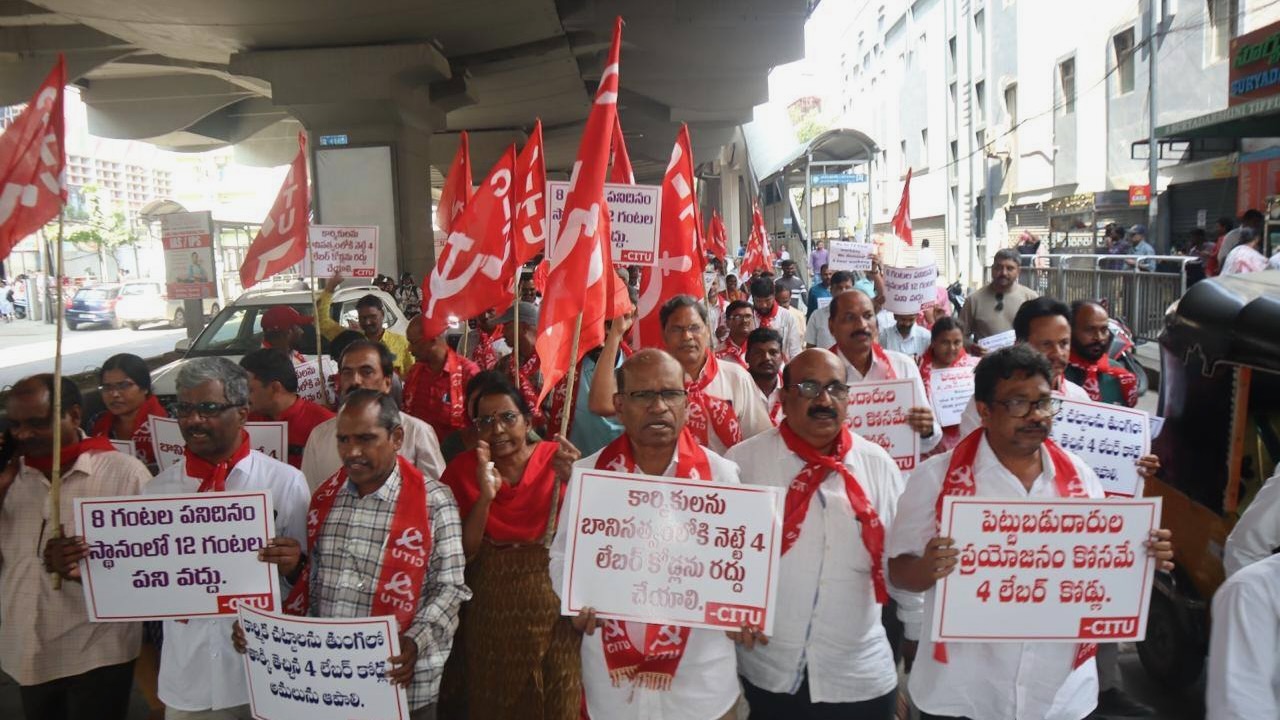
Unions in India demand immediate withdrawal of new “anti-worker” labor codes

After a five-year suspension due to united opposition by trade unions in the country, the Narendra Modi government suddenly announced the implementation of the unpopular labor codes last week.

November 24, 2025 by Abdul Rahman

Image
Protests erupt across India against the recently enacted "anti-worker" labor codes. Photo: CITU

Workers across sectors and regions in India have taken to the streets to oppose the extreme-right-wing government’s decision to implement four new labor codes. The protesters have deemed the codes anti-labor and demanded their immediate withdrawal.

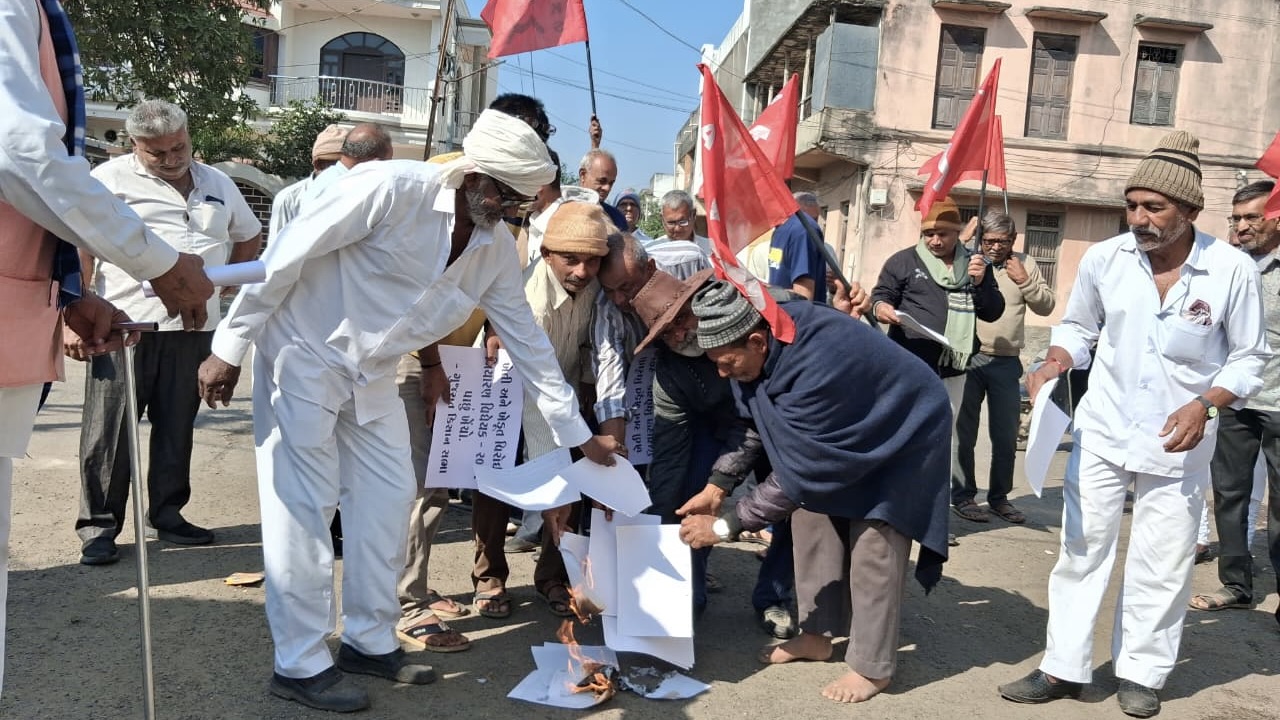
In several cities, workers took out protest marches and burned the copies of the labor codes. Unions and progressive groups have warned of larger protests to oppose the legislation.

The four labor codes in question were adopted by the Indian parliament in 2019. Yet their implementation has so far been suspended due to the strong opposition by all major trade unions in the country. In a surprising move on Friday, November 21, the far-right Narendra Modi-led government notified that the codes would advance.

In a barrage of press releases since then, the government has defended the codes, calling them an attempt to simplify the laws which have been in existence since the British colonial days and a move to “inclusive and sustainable labor empowerment”.

However, in a joint statement issued on Friday, a joint platform of the Central Trade Unions (CTU) called the government’s decision to implement the codes a pro-corporate move and a “deceptive fraud committed against the working people of the nation”.

“The arbitrary and undemocratic notification of the four so-called ‘labor codes’ defies all democratic ethos and has wrecked the character of the welfare state of India to rubbles,” the CTU statement adds, demanding their immediate withdrawal.

Trade unions claim the new codes will weaken unionization, the right to collective bargaining, and restrictions on working hours, to benefit corporations. Unions have vowed to intensify the struggle against these codes.

CTUs will also join a nationwide protest call made by the farmers on November 26, to push for the withdrawal of the codes, among other demands.

Government is trying to mislead the workers
Centre of Indian Trade Unions (CITU), one of the largest trade union federations in the country and a part of the CTU, also condemned the government’s move alleging that it is trying to mislead the working class in the country by falsely portraying them to be in their interest.

In reality, the codes “constitute the most sweeping and aggressive abrogation of workers’ hard-won rights and entitlements since independence, aimed at facilitating corporate exploitation, contractualization and unrestrained hire and fire,” a CITU press release on Saturday said.

Among other things, the government’s press releases claim the codes were brought in order to unify 39 different laws enacted to protect the working class in the country, such as the Industrial Disputes Act and Factories Act, among others.

The government also claims to provide universal social security for all workers and minimum wage coverage, among other benefits through codes.

It provides for a floor national wage, longer shifts in factories and night shifts for women, claiming it will guarantee minimum wages and women’s empowerment.

CITU’s press release, however, makes a point-by-point rebuttal to the government’s claims, pointing out that these codes actually strengthen the employers’ control over workers by weakening their right to collective bargaining and other such rights.

The new codes allegedly weaken the protective institutions (such as labor commissions and labor inspectors) created after years of struggle, legitimize contractualization with the “fixed-term” provision, and paves the way for the government to withdraw from its roles and responsibilities as executive of the labor laws.

The new codes turn the government into a mere facilitator between the employers and the employees which, CITU claims, would make fighting for workers rights difficult.

Codes eradicate labor rights
Trade unions and left parties have claimed that in order to protect corporate interests the Modi government has defied basic democratic norms and institutions in the country and made an arbitrary decision to eradicate rights which were won after generations of sacrifices.

Opposition parties claimed that the Modi government has adopted an arrogant approach in implementing the codes. It failed to conduct proper consultation with all the stakeholders, and sidelined all political opposition in the country in the Parliament while passing the law.

“The government ignored every major objection raised by trade unions. The codes were pushed through Parliament without the opposition present, making a mockery of democratic process,” CITU reiterated in the press release.

CITU proclaimed that “the four codes are an instrument of corporate driven labor market deregulation, aimed at destroying job security, suppressing the right to strike, dismantling labor inspection, expanding contractualization and fixed term employment, weakening unions and collective bargaining.”

The so-called universal social security for workers claimed by the government is nothing but a way to limit “social security to token schemes” it said.

The objective behind all this is “a mad drive of minimization of labor cost and dismantling labor rights,” CITU claims.

Communist Party of India (Marxist) issued a statement supporting the trade unions’ demand for the revocation of the labor codes.

“The government’s claim that the labor codes will boost employment and investment is completely baseless. The codes are designed to leave labor unprotected in the face of the onslaught of capital. Their aim is to lure national and international capital by ensuring that all meaningful regulations covering various aspects of labor rights will be nullified,” CPI (M) said in the statement.

Samyukta Kisan Morcha (SKM), an umbrella group of farmers unions in the country, also condemned the new codes in a statement on Monday. It called the codes the “most regressive labor reform since the independence” of the country in 1947.

https://peoplesdispatch.org/2025/11/24/ ... bor-codes/
"There is great chaos under heaven; the situation is excellent."

User avatar
blindpig
Posts: 15306
Joined: Fri Jul 14, 2017 5:44 pm
Location: Turtle Island
Contact:

Re: India

Post by blindpig » Fri Nov 28, 2025 2:17 pm

How CIA Secretly Triggered Sino-Indian War
Posted by Internationalist 360° on November 25, 2025
Kit Klarenberg

Image
The 1962 Sino-Indian War: More than borders—CIA covert ops reshaped India’s path

Decades of determined US efforts to foment antagonism between the vast neighbours have come spectacularly undone, due to the sheer weight of geopolitical reality.


From October 20 – November 21, 1962, a little-remembered conflict raged between China and India. The skirmish damaged India’s Non-Aligned Movement affiliation, firmly placing the country in the West’s orbit, while fomenting decades of hostility between the neighbouring countries. Only now are Beijing and New Delhi forging constructive relations, based on shared economic and political interests. A detailed academic investigation, ignored by the mainstream media, exposes how the war was a deliberate product of clandestine CIA meddling, specifically intended to further Anglo-American interests regionally.

In the years preceding the Sino-Indian War, tensions steadily brewed between China and India, in large part due to CIA machinations supporting Tibetan separatist forces. For example, in 1957, Tibetan rebels secretly trained on US soil were parachuted into the territory and inflicted major losses on Beijing’s People’s Liberation Army forces. The next year, these cloak-and-dagger efforts ratcheted significantly, with the agency airdropping weapons and supplies in Tibet to foment violent insurrection. By some estimates, up to 80,000 PLA soldiers were killed.

Mao Zedong was convinced that Tibetan revolutionaries, while ultimately US-sponsored, enjoyed a significant degree of support from India and used the country’s territory as a base of operations. These suspicions were significantly heightened by Tibet’s March 1959 uprising, which saw a vast outflow of refugees from the region to India, and the granting of asylum to the Dalai Lama, their CIA-supported leader, by New Delhi. Weeks later, at a Chinese Communist Party politburo meeting, Mao declared a “counteroffensive against India’s anti-China activities.”

He called for official CPC communications to “sharply criticise” India’s premier Jawaharlal Nehru, stating Beijing “should not be afraid of making him feel agitated or of provoking a break with him,” and “we should carry the struggle through to the end.” For example, it was suggested that “Indian expansionists” be formally accused of acting “in collusion” with “British imperialists” to “intervene openly in China’s internal affairs, in the hope of taking over Tibet.” Mao implored, “we…should not avoid or circumvent this issue.”

Ironically, Nehru was then viewed with intense suspicion by the West due to his Non-Aligned commitment and broadly socialist economic policies. Thus, he could not be trusted to support covert Anglo-American initiatives targeting China. Meanwhile, Soviet leader Nikita Khrushchev considered Nehru an important prospective ally and was keen to maintain positive relations. Simultaneously, the Sino-Soviet Split, which commenced in February 1956 with Khrushchev’s notorious secret speech denouncing the rule of Joseph Stalin, was ever-deepening. Disagreements over India and Tibet only hastened the pair’s acrimonious divorce.

‘A weapon’

After months of official denunciations of Nehru’s policies toward Tibet, Beijing’s information war against India became physical in August 1959, with a series of violent clashes along the countries’ borders. Nehru immediately reached out to Moscow, pleading that they rein in their closest ally. This prompted a tense meeting in October 1959 between Khrushchev, his chief aides, and the CPC’s top leadership, at Mao’s official residence. Khrushchev belligerently asserted to his Chinese counterparts that their confrontations with New Delhi and unrest in Tibet were “your fault”.

The Soviet leader went on to caution about the importance of “preserving good relations” with Nehru and “[helping] him stay in power,” for if he was replaced, “who would be better than him?” Mao countered that India had “acted in Tibet as if it belonged to them,” and while Beijing also supported Nehru, “in the question of Tibet, we should crush him.” Assorted CPC officials then, one by one, forcefully asserted the recent border clashes were initiated by New Delhi. However, Khrushchev was highly dismissive.

“Yes, they began to shoot and they themselves fell dead,” he derisively retorted. A Soviet declaration of neutrality in the Sino-Indian dispute a month prior also provoked anger among the CPC contingent. Mao complained, “[the] announcement made all imperialists happy,” by publicly exposing rifts between Communist countries. Khrushchev et al were again unmoved by the suggestion. Yet, unbeknownst to attendees, they had all unwittingly stepped into a trap laid by the CIA, many years earlier.

In September 1951, a State Department memo declared, “The US should endeavor to use Tibet as a weapon for alerting” India “to the danger of attempting to appease any Communist government and, specially, for maneuvering [India] into a position where it will voluntarily adopt a policy of firmly resisting Chinese Communist pressure in south and east Asia.” In other words, it was believed that supporting Tibetan independence could force a Sino-Indian split. In turn, the Soviets might be compelled to take sides, deepening ruptures with Beijing.

This strategy informed CIA covert action in Tibet over the subsequent decade, which grew turbocharged when Allen Dulles became CIA chief in 1953. A dedicated, top-secret base was constructed for the separatists at Camp Hale, the US military’s World War II-era training facility in the Rocky Mountains. Local terrain – vertiginous, replete with dense forests – was reminiscent of Tibet, providing ample opportunity for insurgency practice. Untold numbers of militants were tutored there over many years.

At any given time, the CIA maintained a secret army of up to 14,000 Tibetan separatists in China. While the guerrillas believed Washington sincerely supported their secessionist crusade, in reality, the agency was solely concerned with creating security problems for Beijing, and resultantly inflicting economic and military costs on their adversary. As the Dalai Lama later lamented, the agency’s assistance was purely “a reflection of their anti-Communist policies rather than genuine support for the restoration of Tibetan independence.”

‘More susceptible’

Come October 1962, the CIA’s Tibetan operations had become such an irritant to China that PLA forces invaded India. Washington was well aware in advance that military action was imminent. A telegram dispatched to Secretary of State Dean Rusk five days prior to the war’s eruption forecast a “serious conflict” and laid out a detailed “line” to take for when the time came. First and foremost, the US would publicly make clear its “sympathy for the Indians and the problems posed by the Chinese intervention.”

However, it was considered vital to “be restrained in our expressions in the matter so as to give the Chinese no pretext for alleging any American involvement.” While New Delhi was already secretly receiving “certain limited purchases” of US military equipment, Washington would not actively “offer assistance” when war broke out. “It is the business of the Indians to ask,” the telegram noted. If such requests were forthcoming, “we will listen sympathetically to requests…[and] move with all promptness and efficiency to supply the items”:

“The US is giving assistance…designed to ease Indian military transport and communications problems. Additionally, the Departments of State and Defense are studying the availability on short notice and on terms acceptable to India of transport, communications and other military equipment in order to be prepared should the government of India request such US equipment.”

As predicted, the Sino-Indian conflict prompted Nehru to urgently reach out to Washington for military aid, a significant policy shift. Much of New Delhi’s political class duly adopted a pro-Western line, with calls for a review of the country’s Non-Aligned stance reverberating widely throughout parliament. Even Communist and Socialist parties that hitherto rejected any alliance with the US eagerly accepted the assistance. The CIA’s Tibetan operations had triumphed.

As a May 1960 Agency National Intelligence Estimate noted, “Chinese aggressiveness” toward New Delhi over Tibet had fostered “a more sympathetic view of US opposition to Communist China” among India’s leaders. This included “greater appreciation of the value of a strong Western – particularly US – position in Asia to counterbalance” Beijing’s influence regionally. However, the CIA noted how, as of writing, “Nehru has no intention of altering India’s basic policy of nonalignment, and the bulk of Indian opinion apparently still shares his attachment to this policy.”

The Sino-Indian War changed all that. A December 1962 Agency analysis of the conflict’s “outlook and implications” hailed New Delhi’s “metamorphosis”, which the CIA forecast would “almost certainly continue to open up new opportunities for the West.” The country was judged “more susceptible than ever before to influence by the US and the UK, particularly in the military field.” Conversely, the War had “seriously complicated the Soviet Union’s relations with India and aggravated its difficulties with China”:

“The USSR will place a high value on a continued close relationship with India. While its opportunity to build up lasting influence in the Indian military has virtually disappeared, it will probably continue to supply some military equipment and to maintain its economic ties with India.”

Subsequently, New Delhi began assisting Anglo-American intelligence gathering on China and became actively involved in CIA wrecking activities in Tibet. The Sino-Indian War’s spectre hung over relations between the two nations for many years thereafter, and border clashes occurred intermittently throughout. Now, though, as Donald Trump bemoaned in September, India appears enduringly “lost” to Beijing and its close partner Russia. Decades of determined US efforts to foment antagonism between the vast neighbours have come spectacularly undone, due to the sheer weight of geopolitical reality.

https://libya360.wordpress.com/2025/11/ ... ndian-war/

******

After Decades, India Warms to the Taliban
November 26, 2025

The enemy of my enemy is my friend: as Afghanistan fights Pakistan, India opens ties with the Taliban, reports Betwa Sharma.

Image
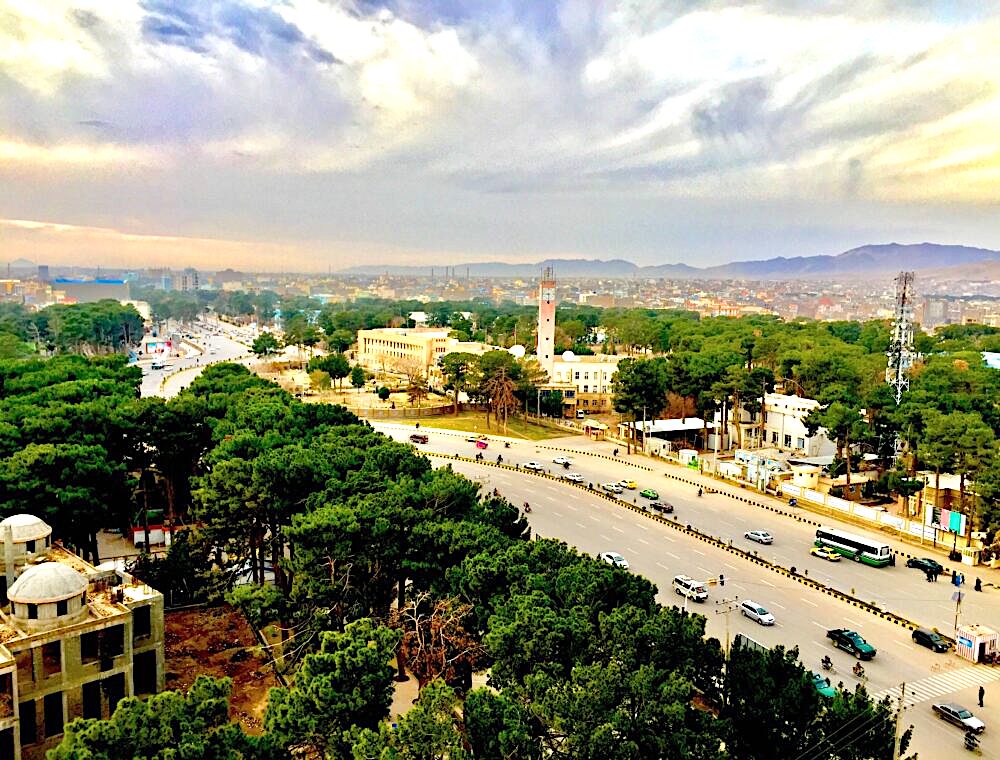
Herat City, Afghanistan, 2018. (Alimosavisam, CC BY-SA 4.0, Wikimedia Commons)

By Betwa Sharma
in Delhi, India
Special to Consortium News

For much of the world, Afghanistan is synonymous with 9/11, Osama Bin Laden, the Taliban, suicide bombings, IEDs and the long American war. But for Indians, the story begins long before that.

The ties — historical, cultural, emotional — run deep. The ancient Silk Road connected India and Afghanistan for centuries. Babur, the founder of the Mughal Empire, came from Afghanistan.

For Indians, whose land had been forced into colonisation, Afghanistan’s enduring resistance to foreign rule — be it British, Russian or American — has always been compelling.

Then, there was Kabuliwala (the man from Kabul), Rabindranath Tagore’s short story of a dry fruits seller from Kabul, Abdul Rahman, who arrives in 19th-century Calcutta and forms a gentle fatherly bond with a little girl.

The 1960s Hindi film adaptation and its iconic song, Aye Mere Pyaare Watan, sung by the Kabuliwala about the pain of being far away from home captured the nation’s heart and imagination.

There has been a steady flow of Afghan refugees coming to India. Afghan students pursue higher education at Indian universities, and Bollywood music remains hugely popular among Afghans. Even amid the current wave of heightened Islamophobia in India, Afghan refugees have generally remained unaffected.

When I visited Afghanistan in 2013, I used to get this question a lot: are you Indian or Pakistani? When I said ‘Indian,’ the stiffness of the Afghans would evaporate, and they would immediately show me the Bollywood songs they had on their phones.

Image
Inside of a bread shop in Kabul, 2013. (Betwa Sharma)

At the time, many Afghans were tired of what they saw as Pakistan’s interference in their country, turning Afghanistan into a hub for militant and terrorist activity after the Pakistan and U.S.-backed Mujahideen’s victory over the Soviets.

But Afghanistan still wasn’t safe for Indians. The very reasons ordinary Afghans felt warmly towards India made the Taliban wary of New Delhi’s growing influence and repeatedly targeted its embassy and consulates.

Afghanistan was once home to small but thriving Hindu and Sikh minority communities, who were successful as businessmen and traders and active members of society. But many of them left over the turbulent decades, especially under the Taliban, when Hindus were ordered to identify themselves by wearing yellow markings on their foreheads or a red cloth.

Image
Afgani woman at job training center, Kabul, 2013. (Betwa Sharma)

In the years after the 2002 U.S. invasion and the displacement of the Taliban, India invested nearly $3 billion in humanitarian assistance and infrastructure development — constructing a dam, highways, power transmission lines, and the Parliament building — along with projects in health, education, irrigation, and agriculture, and the construction of schools and hospitals.

This was in stark contrast to the situation two decades earlier, when India virtually had no diplomatic contact with the first Taliban regime — a government infamous for its brutal restrictions on women, public executions in football stadiums, the destruction of the priceless Bamiyan Buddhas and for turning Afghan territory into a hinterland for Pakistan’s military and intelligence project of Islamist radicalisation and terrorist training.

Image
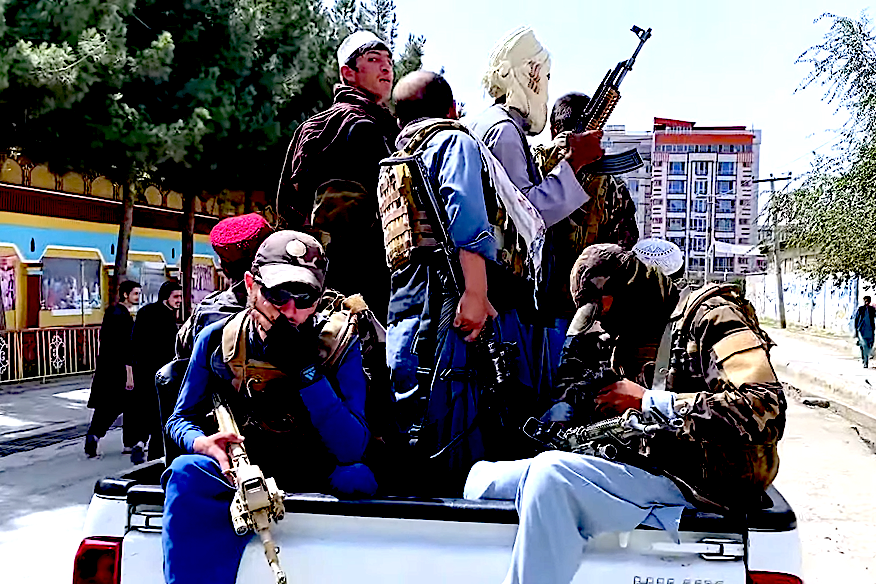
Taliban fighters in Kabul, 2021. (VOA, Wikimedia Commons)

In 1999, India faced one of its most traumatic terror incidents when Pakistani terrorists hijacked Indian Airlines Flight 814 with 190 passengers on board, eventually forcing it to land in Kandahar.

With little leverage and the Taliban controlling the area, India was forced to release three high-profile terrorists in exchange for the hostages. The Taliban then allowed them safe passage to Pakistan, and they went on to mastermind further attacks.

Two of the three released were Masood Azhar, who then founded Jaish-e-Mohammed, a Pakistan-based terrorist group, which has carried out the most deadly attacks in India; and Ahmed Omar Saeed Sheikh, who orchestrated the kidnapping of U.S. journalist Daniel Pearl in January 2002.

A New Day

In an unexpected realignment that few could have imagined 30 years ago, India is cautiously engaging with the Taliban while Pakistan and Afghanistan are in a seriously tense situation, exchanging artillery fire and airstrikes along their border.

To counter Pakistan’s footprint in Afghanistan, India is prioritising strategic interests over the regime’s brutal oppression of women.

Last month, many Indians were stunned to see Afghanistan’s foreign minister show up in India. The complexities of the relationship became instantly clear when his first press conference was attended exclusively by male journalists.

Horrified that the Indian government had allowed this, and worried it would set a dangerous precedent, India’s women journalists pushed back, forcing a second press conference with Amir Khan Muttaqi in the Afghan embassy in Delhi.

This time, they sat in the front row, a historic sight at a time when women have been erased from public space in Afghanistan.

Muttaqi claimed that 2.8 million girls are enrolled in schools in Afghanistan, even as his regime bars girls and young women from attending secondary and higher education.

Image
Traffic jam in Kabul, 2013. (Betwa Sharma)

According to UNICEF, 3.7 million children aged 7-17 in Afghanistan are out of school, 60 percent or 2.2 million of them are girls. If the ban continues until 2030, over four million girls will have been deprived of education beyond primary school.

Muttaqi’s visit saw India upgrade its Kabul mission to a full embassy and create a new trade committee to deepen economic engagement. The Afghan foreign minister encouraged Indian investment in Afghanistan’s mineral, infrastructure, and energy sectors and he pledged that Afghan soil would not be used by anti-India militants, while warning Pakistan against destabilising cross-border moves.

Image
Alhaj Nooruddin Azizi, Afghanistan Minister of Commerce & Industry.
(Creative Commons ASA 4.0)

Alhaj Nooruddin Azizi, the Taliban government’s commerce minister, then visited New Delhi for a five-day official visit that ended last Sunday, five weeks after Muttaqi’s visit. The aim was to deepen bilateral trade ties.

As the trip was ending, another deadly cycle of cross-border violence flared once again along the Afghanistan-Pakistan border.

A suicide attack this month in Peshawar, blamed by Pakistan on Afghan-based actors, killed three security personnel on Monday. This was followed by an airstrike in Khost that the Afghan government says killed nine children and a woman.

Relations between the two countries have soured since the Taliban returned to power in 2021, with each accusing the other of harbouring militant groups that carry out attacks and violate sovereignty. Rising tensions culminated in deadly border clashes in October, leaving people dead on both sides.

For decades, India–Pakistan cricket matches were battlegrounds where national pride and geopolitical rivalry spilt onto the pitch. But now, Afghanistan-Pakistan contests are also tense, most notably during the 2022 Asia Cup when there were aggressive on-field exchanges between the players and clashes between fans.

During his visit to India, Azizi, the commerce minister, made several recommendations to improve Afghan-India trade: establishing dry ports in the vast Nimroz province in southwest Afghanistan to improve trade logistics and ease cargo processing; offering a five-year tax exemption for new Indian industries, very low import duty on raw materials and machinery, and setting up Indian spice production factories and pharmaceutical investment in Afghanistan.

Image
Chabahar port. (Creative Commons, ASA 4.0)

But perhaps the most significant recommendation was proposing the use of Iran’s Chabahar Port on the Oman Sea, which would allow landlocked Afghanistan access to the sea while bypassing Pakistan.

It would dramatically reduce Afghanistan’s reliance on Pakistan’s ports in Karachi and Gwadar for imports and exports and would give India and Afghanistan a direct connection. Though owned by Iran, India has run the port since 2018.

Sunni Taliban and Shia Iran have had a fraught relationship, so a suggestion to rely on the Chabahar Port signals a shift from sectarian alignment to economic pragmatism for both sides.

India has long practised realpolitik, placing strategic, economic, and security interests above human rights concerns. Now, with Afghanistan, it faces the moral dilemma of engaging a regime that has systematically denied women education, mobility, and basic dignity.

So far, the country shows few qualms. Media coverage has been largely celebratory rather than critical, and public opinion appears indifferent, mainly focused on one-upping Pakistan and safeguarding national security.

https://consortiumnews.com/2025/11/26/a ... e-taliban/
"There is great chaos under heaven; the situation is excellent."

User avatar
blindpig
Posts: 15306
Joined: Fri Jul 14, 2017 5:44 pm
Location: Turtle Island
Contact:

Re: India

Post by blindpig » Thu Dec 04, 2025 2:43 pm

Hundreds of thousands protest anti-labor legislation in India

Farmers joined the factory and public sector workers across the country on the occasion of the fifth anniversary of the historic Delhi protests which had forced the extreme right wing government to withdraw anti-farmers laws

November 28, 2025 by Abdul Rahman
Farmers November 26

Image
Farmers with SKM protest on November 26, 2025. Photo: Kisan Sabha Haryana

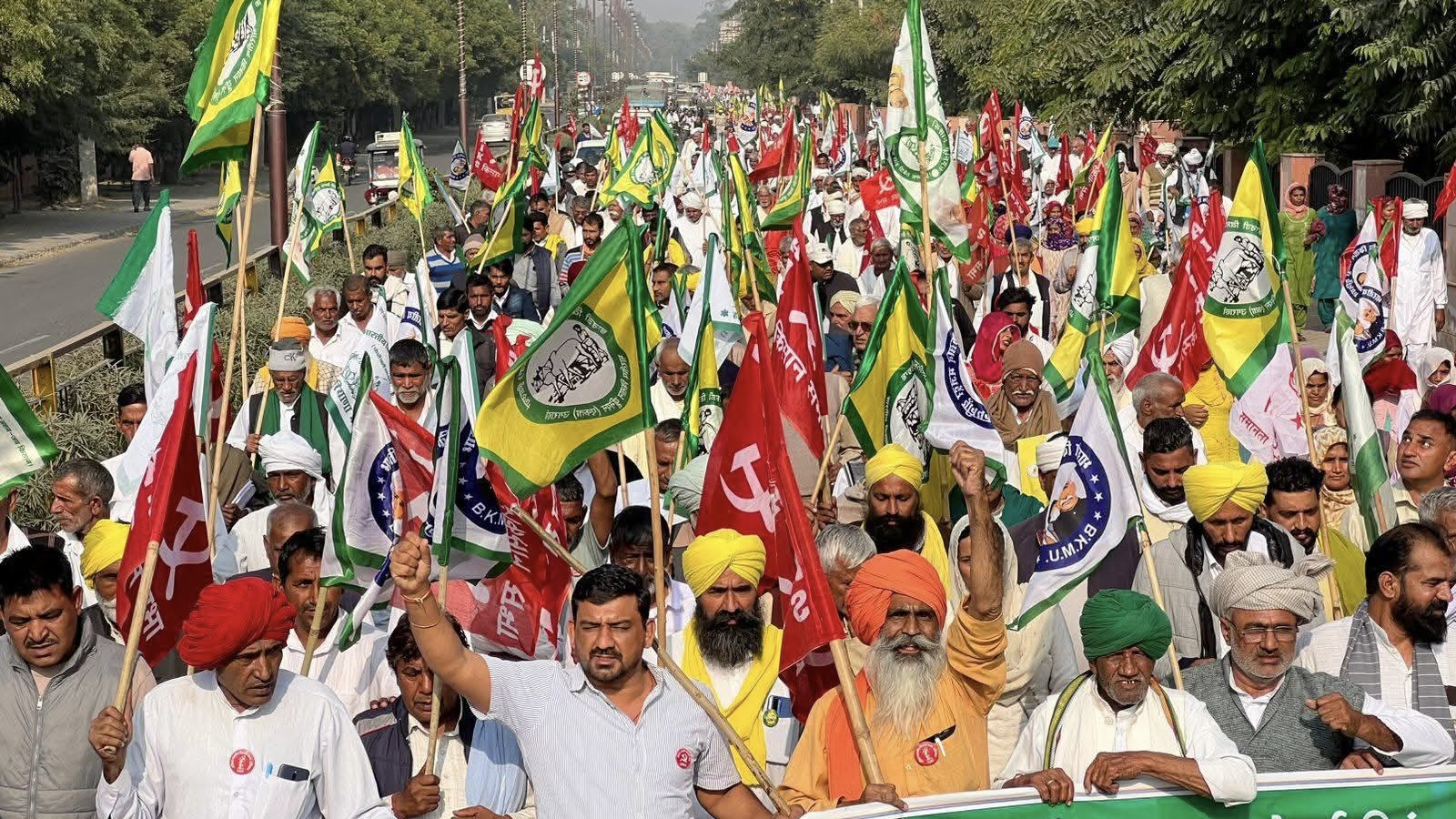
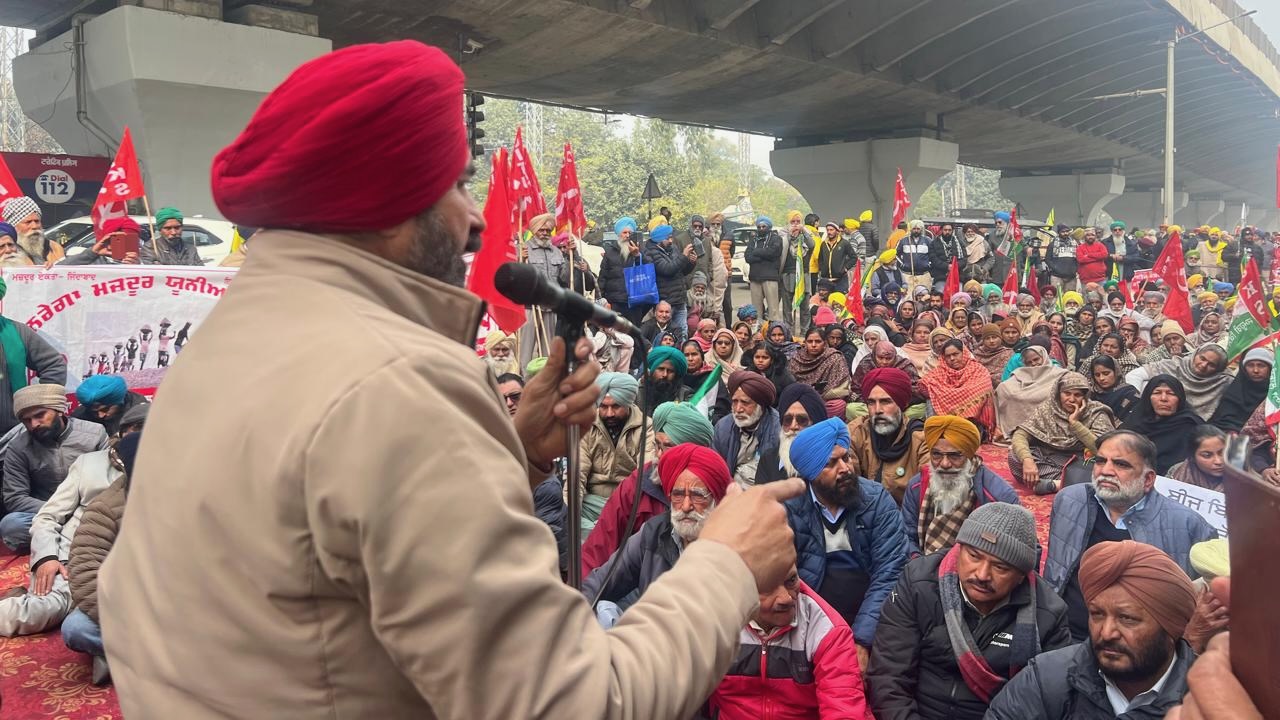
On Wednesday, November 26, hundreds of thousands of workers and farmers across India came out in a mass protest against the Narendra Modi government’s so-called anti-people policies. One of the primary demands was the withdrawal of the four recently-implemented labor codes widely considered as detrimental to basic labor rights won after generations of struggle and sacrifices.

Workers in coal mines, railways, ports, refineries, cloth mills, banks and several other sectors staged protests and organized rallies throughout the country to express their opposition to the labor codes.

Joining the workers were thousands of farmers, who staged protests at hundreds of local, district and state administrative headquarters in solidarity with the workers and to push for their joint charter of demands.

The call for the farmers’ protest was given by Samyukta Kisan Morcha (SKM), a collective of farmers’ unions, to mark the anniversary of the launch of their protests in Delhi in 2020 against the three farm laws which the Narendra Modi-led government was forced to withdraw a year later.

Central Trade Unions (CTUs), a joint platform of the country’s major trade union federations, joined the call with the demand of the repeal of four labor codes notified last week. It has called the new codes “deceptive fraud” on the working people.

At several places protesters burnt the copies of the notification to implement the codes.

Several other groups such as the agricultural workers, student unions, women organizations, and other civil society groups joined the protests in solidarity with the farmers and workers calling the Modi government’s move to enforce the labor codes a part of its “systematic assault” against the people.

The protesters also opposed the sectarian approach adopted by the ruling Hindu extremist Bharatiya Janata Party (BJP) calling it an assault on the country’s secular constitution.

November 26 is also celebrated as the constitution day in India. The BJP government which came to power in 2014 has been accused of promoting majoritarian ideas and failing to protect the rights of the country’s religious minorities.

Farmers also questioned the government’s failure to fulfil its promises of a legal minimum support price (MSP) for the agricultural products among others. The promises were part of the agreement the government signed at the time of the withdrawal of the farmers’ protests in 2021.

Resistance to anti-people policies
Almost half of India’s total population is involved in agriculture. Farmers have been complaining about lack of enough income from agriculture as the prices of their produce is not rising despite a rise in the cost of production largely due to neoliberal economic policies adopted by successive governments.

Hundreds of thousands of farmers have commited suicide due to the economic distress in the last few decades and millions have been pushed out of agriculture without any alternative means of livelihoods.

Farmers have been demanding a legal MSP based on the formula of C2+50% (total cost of production + 50% profit) for years. Instead of addressing this demand, the Modi-led government has tried to introduce big corporate interests in agriculture despite the fact that the majority of farmers in India are small-scale producers.

In Wednesday’s agitation, farmers also demanded the withdrawal of all cases filed against farmers arrested or facing charges during the 2020-21 agitation, withdrawal of attempts to raise electricity charges through the installation of smart meters, and adequate compensation to the millions of flood affected farmers in Punjab and elsewhere.

One of the key demands raised by the farmers in the agitation is also related to scrapping of trade agreements signed with the UK earlier this year and a proposed trade agreement with the US. It is speculated that these agreements will open the country’s agriculture sector for foreign imports further deteriorating the condition of farmers.

Assault on hard-won rights
Workers claim that the Modi led government has enacted the labor laws to appease big corporations who want to minimize the cost of labor by exploiting the situation created due to destruction of the agriculture sector and lack of proper alternative employment opportunities.

Though the Modi government passed the new codes in 2019 itself, it has been unable to implement them due to strong resistance by the trade unions across the political spectrum. The government had pushed the laws forward using its majority in the parliament without conducting any debate or proper consultation with stakeholders.

Unions claim that the new codes would systematically weaken all the rights achieved by workers through generations of struggle including their right to collective bargaining, limited working hours, and basic social security.

The codes, namely on wages, industrial relations, social security, and occupational safety, health and working conditions erode the power of both the unions and protective institutions and leave the workers at the mercy of their employees, unions claim.

A statement issued by Centre for Indian Trade Unions (CITU) last week also claimed that the new codes will increase retrenchment as the minimum number of employees for layoff and closure. Any workplace which has less than 300 employees does not need necessary prior government permission to carry out mass layoffs now. This will lead to easy hire and fire as more than 90% of Indian workplaces employ less than this number.

https://peoplesdispatch.org/2025/11/28/ ... -in-india/

*****

Putin’s Trip To India Comes At A Mutually Opportune Time
Andrew Korybko
Dec 04, 2025

Image

It’ll strengthen their complementary balancing acts for averting disproportionate dependence on the American and Chinese superpowers amidst the global systemic transition to complex multipolarity.

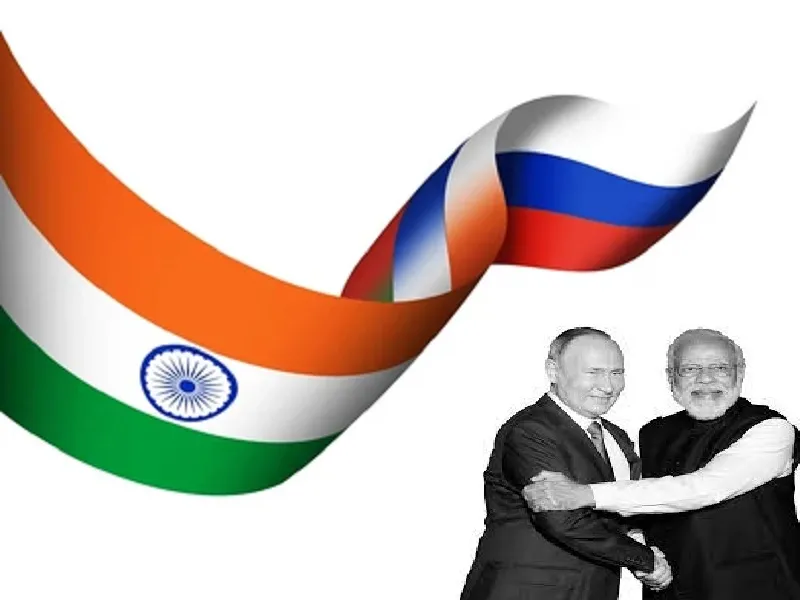
Putin is on his first state visit to India in four years after having last visited what Russia considers to be its special and privileged strategic partner in December 2021. It was assessed here at the time that they sought to lead a new Non-Aligned Movement (Neo-NAM), the essence of which India pioneered via its “Voice of the Global South” platform in early 2023. The purpose is to counteract Sino-US bi-multipolarity trends by midwifing tri-multipolarity as the stepping stone to complex multipolarity (multiplexity).

In simple English, this means Russia and India jointly helping relatively smaller-sized countries balance between the American and Chinese superpowers, but Russia was soon thereafter compelled to initiate its special operation that resulted in a proxy war with NATO. Throughout the course of the Ukrainian Conflict, Russia moved so close to China that those two can now be described as having unofficially formed an Entente, but India helped Russia preemptively avert disproportionate dependence on it.

This was achieved through its large-scale purchase of discounted Russian oil and reprioritization of the North-South Transport Corridor through Iran for scaling their real-sector trade. Despite mixed reports about whether it’s complying with recent US sanctions to curtail the aforesaid purchases, India remains committed to averting Russia’s disproportionate dependence on China out of fear that this could lead to China coercing Russia to curtail arms exports to India for resolving their border dispute in China’s favor.

The US’ unexpected pressure upon India under Trump 2.0 is intended as punishment for not subordinating itself as the US’ largest-ever vassal, but it had the unintended effect of reminding Indian policymakers of how Russia never pressured their country, thus adding renewed impetus to expanding their ties. It’s within this context that Putin is visiting India, which also comes amidst the renascent Russian-US “New Détente” set into motion by Trump’s 28-point Ukrainian peace deal framework.

US pressure upon India might soon abate if policymakers come to appreciate its pivotal role in Russia’s balancing act vis-à-vis China. This arrangement serves their country’s interests by averting the scenario of Russia becoming China’s raw materials appendage for turbocharging its superpower trajectory and consequently becoming a more serious rival in shaping the emerging world order. Passively facilitating Russia and India’s shared tri-multipolarity vision might accordingly be seen by the US as advantageous.

Putin’s trip to India therefore comes at a mutually opportune time since it’ll strengthen their complementary balancing acts for respectively averting disproportionate dependence on the Chinese and American superpowers. This will help each reach better deals with them by improving their negotiating position while advancing the global systemic transition to multiplexity, which contextualizes what Valdai’s Fyodor Lukyanov meant in describing their ties as “a template for a post-Western world.”

https://korybko.substack.com/p/putins-t ... a-mutually

Poor Little Andy, what with Fu Manchu hiding under his bed and all...
Image
Boo!

Of course communists see nothing wrong at all...
"There is great chaos under heaven; the situation is excellent."

User avatar
blindpig
Posts: 15306
Joined: Fri Jul 14, 2017 5:44 pm
Location: Turtle Island
Contact:

Re: India

Post by blindpig » Thu Dec 11, 2025 5:21 pm

Kerala Has Abolished Extreme Poverty: The Fiftieth Newsletter (2025)

The Indian state of Kerala has eradicated extreme poverty through clear public policy, decentralised planning, and the leadership of its cooperative movement.

11 December 2025

Image
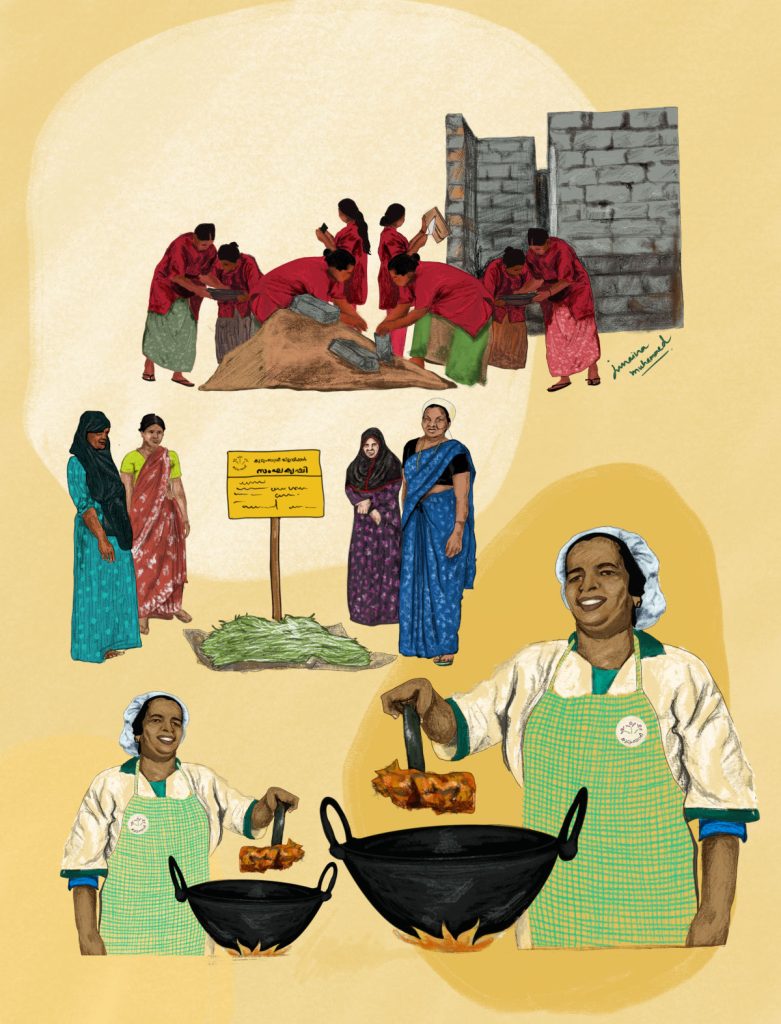
Junaina Muhammad (Young Socialist Artists), Kudumbashree, 2025.

Dear friends,

Greetings from the desk of Tricontinental: Institute for Social Research.

On 1 November 2025, the south-western Indian state of Kerala – home to 34 million people – was declared free from extreme poverty by Chief Minister Pinarayi Vijayan. Kerala is one of the few places in the world to have eradicated extreme poverty, following China, which announced in 2022 that it had eradicated extreme poverty nationwide.

Kerala’s achievement is significant for two reasons. First, in a country where hundreds of millions of people still live in poverty, Kerala is the only one of India’s twenty-eight states and eight union territories to have overcome extreme poverty. Second, Kerala is governed by the Communist-led Left Democratic Front (LDF) and is therefore routinely denied assistance from the central government led by the right-wing Bharatiya Janata Party (Indian People’s Party).

Kerala’s Athidaridrya Nirmarjana Paripaadi (Extreme Poverty Eradication Project, or EPEP) was built on decades of worker and peasant struggles, which created strong public institutions and mass organisations, and the work of several left administrations. The EPEP was launched by Vijayan – a leader in the Communist Party of India (Marxist) – during the first Cabinet meeting of the second LDF government led by him in May 2021. After a rigorous criteria-based process focused on households’ access to employment, food, health, and housing, the government identified 64,006 families (or 103,099 individuals) as extremely poor. To carry out this survey, the government relied on about 400,000 enumerators – including government workers, cooperative members, and members of the mass organisations of left parties – to identify the unique problems faced by poor families. These enumerators created tailored plans for each family – from securing entitlements and accessing public services to obtaining housing, health care, and livelihood support – to build their strength in the fight against poverty. The role of the cooperative movement was fundamental in this campaign. The planning process for poverty eradication would not have been possible without the role of the local self-government system, the result of Kerala’s successful decentralisation of power. As this newsletter goes out, Kerala is in the midst of new local body elections.

Image
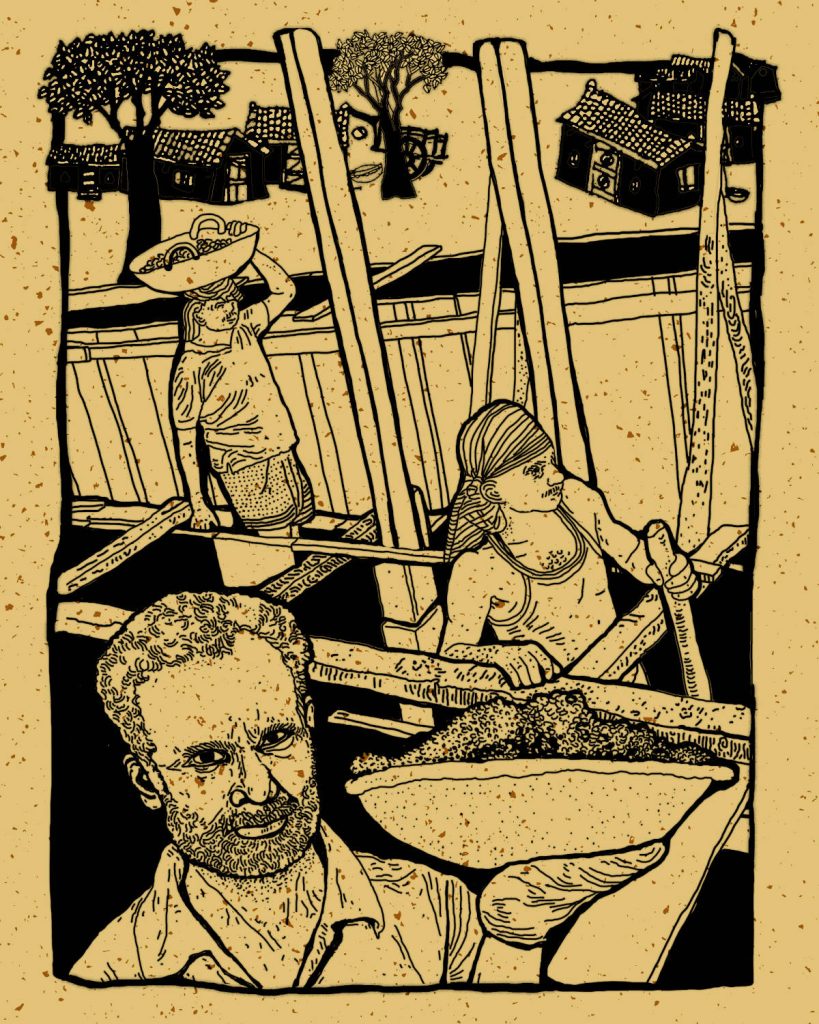
Vanshika Babbar (Young Socialist Artists), Udayapuram Cooperative Workers, 2025.

Over the past few years, Tricontinental: Institute for Social Research has worked closely with the Uralungal Labour Contract Cooperative Society (UL) Research Centre to build knowledge about the cooperative movement in Kerala. We are very proud to publish our joint study The Cooperative Movement in Kerala, India within a month of Kerala’s declaration of eradicating extreme poverty. Our study profiles six different cooperatives, with essays researched and written by scholars who have worked closely with them. One essay focuses on Kudumbashree, an all-women cooperative with nearly five million members, which played a major role in implementing the EPEP.

Kerala’s first democratic government, which came into office in 1957, was led by communists. It immediately began to execute a programme of agrarian reform, including land redistribution, and to expand universal social goods such as public education, health care, housing, and libraries. This democratisation of the rural landscape, combined with sustained social mobilisation, hastened the journey of Kerala’s millions towards social indicators that are the marvel of the world: near-total literacy, very low infant and maternal mortality, high life expectancy, and some of the highest human-development scores in India. These investments, built over decades, created the conditions for poverty eradication long before the targeted programmes emerged. Communist-led coalitions have governed Kerala from 1957–1959, 1967–1969, 1980–1981, 1987–1991, 1996–2001, 2006–2011, and 2016 to the present. Even when the left was not in power, social mobilisation by the left ensured that right-wing governments could not fully reverse these gains.

Image
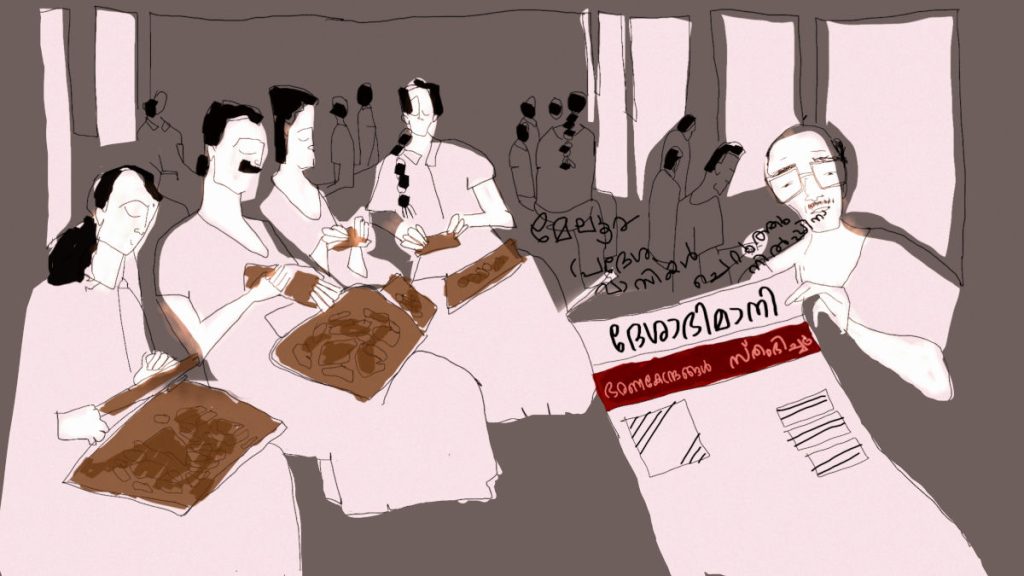
Kadambari (Young Socialist Artists), Dinesh Beedi’s Read Aloud Programme, 2025.

With the growth of the neoliberal debt-austerity model in the 1990s, pressure grew on the LDF government to reverse some of these projects and adopt privatisation. However, the LDF chose a different path. Through the People’s Plan Campaign for Decentralised Planning, launched in 1996, the government devolved 40% of state expenditures to local governments and asked localities to identify needs, design programmes, and allocate budgets for development projects. Rather than develop a one-size-fits-all development and poverty alleviation agenda, the people of Kerala built locally planned and context-specific projects that focused on the emancipation of exploited and marginalised communities, including Adivasis, Dalits, and coastal communities. The campaign set in place a culture of democratised social policy and nourished a dense network of public institutions and cooperatives – all of which were crucial for the EPEP.

When he announced the end of extreme poverty in Kerala, Chief Minister Vijayan presented the EPEP as a continuation of this long trajectory. He highlighted several initiatives that had paved the way for the programme, including the universalisation of the Public Distribution System, which provides subsidised food and fuel, and long-term efforts to eradicate landlessness and homelessness, including the LIFE Mission, which has provided homes to well over 400,000 families across the state. To these we can add other pillars of Kerala’s model – state schemes that have expanded public health care, food distribution, educational assistance, and employment opportunities, and indeed the cooperatives. Together these initiatives have transformed social life in Kerala and strengthened the character of its left movement.

Image
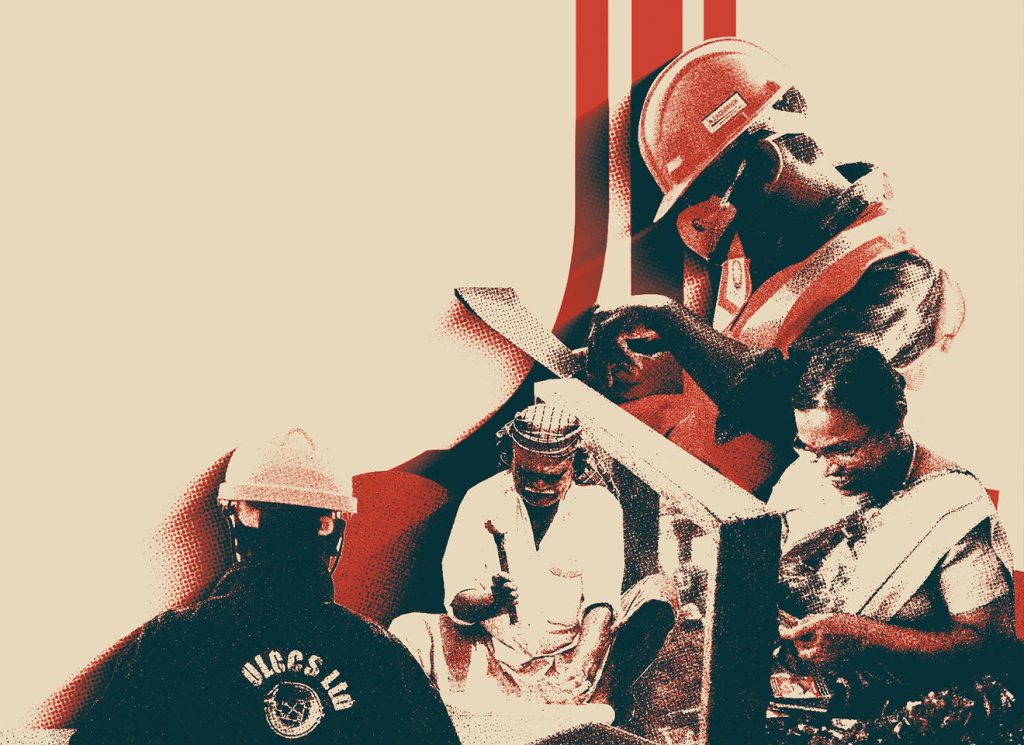
Abhinav VK Satheesh (Young Socialist Artists), Workers from Kerala’s Cooperatives, 2025.

Our study with the UL Research Centre provides a window into the various cooperatives that have played a key role in the democratisation of Kerala’s economy. Formed in 1998 as part of the state’s poverty eradication mission, Kudumbashree, which means ‘prosperity of the family’ in Malayalam, is now the largest women’s mutual aid network in the world. It is built around a transformative idea: if women at the household and community level build their confidence and capacity to assess economic life, then the locus of development can shift from patriarchal institutions towards working women’s needs. Collective farms, community kitchens, cooperative skill development initiatives, and other forms of joint enterprise have allowed the women of Kudumbashree to increase their income and build power in both public and private life. Kudumbashree’s emphasis on solidarity rather than competition and on collective rather than individual entrepreneurship sets it apart from market-centric poverty-alleviation strategies. Recently, the government of Kerala announced a Women’s Security Scheme based on the necessity of recognising the value of unpaid household work. Eligible women between the ages of 35 and 60 will receive ₹1,000 per month. Such an initiative is part of the overall attempt to transform patriarchal property relations in Kerala.

Kudumbashree is part of a wider ecosystem of cooperatives that sustain Kerala’s fight against poverty. Taken together, these initiatives are powerful examples of how, in Marx’s words, ‘hired labour is but a transitory and inferior form, destined to disappear before associated labour plying its toil with a willing hand, a ready mind, and a joyous heart’. They show that cooperatives are not only safety nets for the poor but also vehicles for democratic planning, technological advance, and social dignity.

These include:

The Uralungal Labour Contract Cooperative Society (UL). Founded in 1925 in northern Kerala as a mutual aid society for construction labourers facing caste-based exclusion, UL has grown into one of Asia’s largest workers’ cooperatives, employing tens of thousands in major infrastructure projects. It shows how worker-controlled enterprises can deliver complex public works while expanding social protection and collective welfare for its workers and the surrounding community.

Kerala’s network of credit cooperatives. More than four thousand credit cooperatives, with tens of millions of mostly working-class and marginalised members, operate as ‘people’s banks’ that reach areas private finance will not. By protecting borrowers from moneylenders, anchoring land reform, and mobilising local savings – including during the 2018 floods and the COVID-19 pandemic – they provide the financial backbone for poverty eradication.

The Kerala Dinesh Beedi Workers’ Central Cooperative Society. Formed in 1969 after private beedi (a thin, hand-rolled cigarette) factory owners shut down their workplaces rather than implement new labour protections, Dinesh Beedi quickly became the leading beedi producer in southern India. It secured higher wages, social security, and a rich cultural life for its members, and later diversified away from tobacco to preserve jobs in socially useful production.

The Sahya Tea Cooperative Factory. In Idukki’s hill country, small tea growers and agricultural workers used the 15,000-member Thankamany Service Cooperative Bank to establish their own factory in 2017 and break from ‘Big Tea’ monopolies. Processing 15,000 kilograms of leaves a day and employing more than 150 workers, Sahya secures better prices for around 3,500 growers and demonstrates how small producers can move up the value chain and defend dignified livelihoods.

The Udayapuram Labour Contract Cooperative Society. In Kodom Belur, a remote panchayat in Kasaragod, villagers facing feudal landlordism, corrupt officials, and predatory contractors organised a labour cooperative in 1997. From just over two hundred members it has grown to nearly three thousand worker-members, including many Adivasis, who now execute public works on transparent, fair terms and shape local development priorities themselves.

Taken together, these cooperatives – alongside Kudumbashree – show what becomes possible when state policy, social reform, and organised workers converge. They do more than soften the blows of the market. They reorganise production around human need, deepen democracy in the workplace and the village, and offer a living glimpse of associated labour in practice – of possible communism – even under the harsh conditions of contemporary capitalism that make programmes like the EPEP necessary.

Kerala’s poverty eradication story is not without challenges. The state is still within the Indian Union and therefore vulnerable to the vicissitudes of policy-making by the right-wing government in New Delhi. Like many parts of the Global South, Kerala’s youth face high unemployment and often migrate to the Persian Gulf region and other parts of the world for work. Attempts to build new quality productive forces that could allow the state to leapfrog outdated industries are held back by limited access to tax revenues collected from the state by the central government. Nonetheless, there are ongoing attempts to overcome these limitations and build a more robust growth paradigm for Kerala.

Image
Navin S. (Young Socialist Artists), Tailors of Dinesh Apparels, 2025.

In February 2021, President Xi Jinping announced that nearly 99 million Chinese people had lifted themselves out of extreme poverty, the last of the country’s impoverished. The country of 1.4 billion people did this a decade in advance of the date set by the United Nations Sustainable Development Goals for 2030. Kerala achieved its goal a year before expected. Vietnam, another country close to this achievement, plans to end extreme poverty by 2030. It is no surprise that all three of these projects are led by communist parties, whose commitment to human emancipation drives them to work to ensure that every human being can live a dignified life. Poverty eradication is not an end in itself but a part of the long journey for human emancipation – it is a living social project, not a set of boxes that must be ticked off. As Kwame Nkrumah said, ‘forward ever, backward never’.

Warmly,

Vijay

https://thetricontinental.org/newslette ... e-poverty/

******

Indian farmers protest new seed bill, calling it a threat to the country’s sovereignty

Farmer groups claim that the proposed bill is an attempt to reintroduce provisions of laws which the ultra-right-wing government was forced to withdraw after a year-long protest in Delhi in 2020-21.

December 10, 2025 by Abdul Rahman

Image
Farmers organized with All India Kisan Sabha (AIKS) in Rajkot, Gujarat. Photo: AIKS

Hundreds of thousands of farmers across India protested against the new draft Seed Bill 2025 on Monday, December 8, burning copies of it and demanding its immediate withdrawal. The bill will compromise the country’s food security and threaten its seed sovereignty, the farmers claimed.

The call for the protest was made by Samyukta Kisan Morcha (SKM), a collective of various farmers’ organizations formed in 2020, which includes the left-wing All India Kisan Sabha (AIKS).

Farmers gathered in their villages/towns with banners and posters and burnt copies of the seed bill. In some places, farmers also burned copies of an electricity bill calling for its withdrawal, which has been a part of the farmers’ agitation for years now.

The seed bill was announced by India’s Ministry of Agriculture and Farmers Welfare (MoAFW) on November 12, with a deadline for public comments set for December 11. The proposed bill, if passed in the parliament, will replace the existing seeds act of 1966.

The ultra-right-wing Bharatiya Janata Party (BJP)-led government, which has unleashed a series of legislation angering both the workers and farmers in the country recently, claims that the seed bill seeks to modernize seed regulations with stricter quality control and penalties for major offenses.

In a statement issued on Sunday, SKM questioned the government’s claims, calling the proposed bill a “regressive legislation” which will establish the hegemony of Multinational Corporations (MNCs) over the Indian seed sector and take away the country’s seed sovereignty.

The bill is harmful for the farmers, for India’s biodiversity, and its food security, and also an assault on Indian federal structure, as it proposes the centralization of the existing powers of the provincial/state governments, SKM claimed.

Almost half of India’s workforce is engaged in agriculture with the majority of them involved in sustenance farming. As of now, most of them source seeds from their personal storage or local links. A large section of the seed needs are also supplied by the public sector or local companies.

Bill will consolidate corporate control
The proposed bill will establish MNC control over the supply of seeds, ending the existing arrangement, which provides greater flexibility to the farmers to source the required seeds from local or public sectors.

The control of MNCs will endanger indigenous varieties, public institutions, and traditional/informal seed networks and “bring disaster for sustenance farming in India,” claims SKM in a statement.

The bill will leave the crop cycle in India at the mercy of the MNCs.

“There is no mention [in the bill] of guaranteeing the timely supply of cheap and quality seeds in the market to ensure food security and profitable farming” which should have been the main concern of the government, SKM claims.

SKM also fears that the draft seed bill will empower the MNCs so much that it will be very difficult to monitor and control their future untoward behavior as well. This may endanger India’s biodiversity and the country’s rights over its genetic resources.

In its presented form, SKM alleged, the seeds bill is an attempt to bring back the provisions of the Contract Farming Act, which the government was forced to withdraw in 2021 after a year-long farmer’s protest in and around the capital Delhi.

On November 26, farmers observed the fifth anniversary of the 2020/21 agitation by holding nationwide protests. Farmers claim that most of the promises made by the government in the agreement signed with the SKM at the time, including the legal guaranteed price for agricultural products, remain unfulfilled even after five years.

Federal structure in India undermined
The seed bill limits the powers of the state/provincial governments to regulate and control the MNCs if they violate certain laws, while local and public sector suppliers remain under strong regulatory control.

It allows the MNCs to self-validate the varieties of seeds they are supplying in the country without any local control.

“The draft bill introduces a heavily centralized and corporatized regulatory system that risks weakening farmer-centered protections and diluting India’s legal architecture for biodiversity conservation and farmers’ rights,” SKM claims.

This may put local suppliers at a disadvantage and compromise the country’s seed sovereignty, given the resources which MNCs have vis-a-vis local and public sector seed suppliers.

“There is no provision of any trial of imported seeds under the supervision of Indian authorities”, which exposes the “government’s subservience to foreign masters in handing over the sensitive seed sector to MNCs,” SKM underlines.

The ruling BJP “is betraying the interests of the people and the country at large by introducing the anti-farmer draft seed bill 2025,” SKM accused.

https://peoplesdispatch.org/2025/12/10/ ... vereignty/
"There is great chaos under heaven; the situation is excellent."

User avatar
blindpig
Posts: 15306
Joined: Fri Jul 14, 2017 5:44 pm
Location: Turtle Island
Contact:

Re: India

Post by blindpig » Mon Dec 15, 2025 4:39 pm

INDIA AND RUSSIA COMBINE TO RESIST TRUMP’S INDIAN OCEAN STRATEGY

Image

By John Helmer, Moscow @bears_with

President Donald Trump wants to turn the Indian Ocean (lead image) into a zone of deterrence against war. That’s to say, he aims to deter anyone from objecting to, resisting or defending against his terms for the wars (and ceasefires) US forces are currently fighting against Yemen, Iran, Sudan, and through Pakistan, against India.

Those wars, according to Trump’s National Security strategy, released last month, are being waged, and will continue, against “threats against our supply chains that risk U.S. access to critical resources, including minerals and rare earth elements”; to “ensure that allied economies do not become subordinate to any competing power”; and to “prevent domination by any single competitor nation.”

In the Indian Ocean and in the narrow straits between the Indian and Pacific Oceans, that last target, according to the Trump strategy paper, is currently China. But when Trump says “our commitment [is to] to a free and open Indo-Pacific” what he means is a warning for India: “we must continue to improve commercial (and other) relations with India to encourage New Delhi to contribute to Indo-Pacific security, including through continued quadrilateral cooperation with Australia, Japan, and the United States (the Quad).”

That parenthetical “other” is Trump’s cat out of the American strategy bag. It’s “unconventional diplomacy, America’s military might, and economic leverage to surgically extinguish embers of division between nuclear-capable nations and violent wars”.

It’s also an ultimatum — either India, the nuclear-armed state which defeated Pakistan in the war of last May, improves its commercial and military “relations” with the US on Trump’s terms now; or else Trump will punish India and target it as a “competitor nation”. Trump’s carrot is that “we should present partners with a suite of inducements—for instance, high tech cooperation, defence purchases, and access to our capital markets—that tip decisions in our favor.” Trump’s stick is that “strong measures must be developed along with the deterrence necessary to keep those lanes open, free of ‘tolls,’ and not subject to arbitrary closure by one country. This will require not just further investment in our military—especially naval—capabilities, but also strong cooperation with every nation that stands to suffer, from India to Japan and beyond, if this problem is not addressed.”

What Trump means by keeping the shipping lanes of the Indian Ocean open, “free of tolls or arbitrary closure”, has the same meaning as the US Navy and allied forces are currently applying against tankers moving Russian, Iranian or Venezuelan oil. Empires don’t use force at sea for piracy; it’s privatization, according to their rules-based international order.

For India, Trump’s meaning is the same as it was six hundred years ago for Afonso de Albuquerque and the Portuguese; they were the first European maritime empire to attack India. Then, as now, it also meant attacking the Yemeni shore of the Red Sea and the Persian Gulf shore, seizing the cargoes of vessels trading with India, killing all on board, and building forts, naval anchorages, and trading bases along the Malabar Coast.

India and Russia have a different idea now. That’s RELOS.

The Reciprocal Exchange of Logistics Support (RELOS) agreement between India and Russia has been a decade in negotiation. It was delayed beyond its first planned completion date when Prime Minister Narendra Modi visited Vladivostok in 2019; then finally signed in February of this year. It was ratified by the State Duma on December 3, the day before President Vladimir Putin flew for Delhi to two days of meetings with Modi.

For a quick Indian media introduction to the new pact and contrast with its US counterpart:

Image
Image
Source: https://www.studyiq.com/articles/relos-pact/

RELOS is the seventh Indian pact to extend Delhi’s maritime reach globally, and to enable the Indian Navy to defend the movement of its strategic imports from the Arctic and Pacific around China, and through the chokepoints of the South China Sea, Red Sea, Persian Gulf, and Indian Ocean.

Click to read brief histories of the six preceding military logistics agreements which India has signed with the US (2016), France (2018), Singapore (2018), South Korea (2019), Australia (2020), and Japan (2020).

NAVAL REACH BEYOND THE INDIAN OCEAN REGION – INDIAN MAP OF 2019

Image
Source: “Military Logistics Agreements: Wind In The Sails For Indian Navy – Analysis”, Institute for Defence Studies and Analyses (IDSA), New Delhi -- https://www.eurasiareview.com/27112019- ... -analysis/

NAVAL REACH BEYOND THE INDIAN OCEAN REGION TOWARD AUSTRALIA – INDIAN MAP OF 2020

Image
“A critical logistics agreement with Canberra”, Indian Council on Global Relations, June 2020 -- source: https://www.gatewayhouse.in/logisitics- ... -canberra/

NAVAL REACH THROUGH THE INDIAN OCEAN REGION WESTWARD TOWARD FRENCH INTERESTS – INDIAN MAP OF 2020

Image
Source: “India’s Strategic Intent and Military Partnerships in the Indian Ocean Region”, Geneva Centre for Security Policy 2020: https://dam.gcsp.ch/files/doc/india-s-s ... ean-region

MAP OF INDIAN NAVAL DEPLOYMENTS IN INDIAN OCEAN REGION, MID- 2023

Image
Vice Admiral Pradeep Chauhan, “The Indian Navy in the changing geopolitics of the Indo-Pacific”, August 2023. Source: https://maritimeindia.org/the-indian-na ... o-pacific/

In the Indian strategic view, the new Indian-Russian pact is likely to run into criticism in Washington, and from Quad allies like the Australians and Japanese. This is misplaced, according to Brigadier General Arun Saghal, a leading strategic analyst in Delhi. India is “re-balancing” to defend its maritime trade routes when no one else will do so, and “prevent[ing] unnecessary and extremist steps” from whatever source – China or the US.

“India has never accepted a military role for the Quad,” Saghal says. “And from that perspective, nothing should change [with the implementation of RELOS]. But if you are wanting to inject a military element to it, and expect India to be part of that, particularly when you [US] have no presence and provide us no peace or support our security in the area, then India will have to re-think its choices.”

Listen now to the StratNewsGlobal podcast, first aired on December 14.

Image
Source: https://www.youtube.com/watch?v=4jPjH2sXEeg

https://johnhelmer.net/india-and-russia ... more-93026
"There is great chaos under heaven; the situation is excellent."

User avatar
blindpig
Posts: 15306
Joined: Fri Jul 14, 2017 5:44 pm
Location: Turtle Island
Contact:

Re: India

Post by blindpig » Wed Jan 07, 2026 4:17 pm

Image
Gigi Scaria, Someone Left a Horse on the Shore, 2007.
Dossier No. 96: The turbulence of the Indian economy
By The Tricontinental (Posted Jan 07, 2026)

Originally published: Tricontinental: Institute for Social Research on January 6, 2026 (more by Tricontinental: Institute for Social Research) |
Economic Theory, Empire, Financialization, Political EconomyAsia, IndiaCommentaryFeatured, Tricontinental Dossier
This dossier features artwork by the Indian artist Gigi Scaria. Through a wide range of media—painting, photography, installation art, sculpture, and video—Scaria’s work reflects the ongoing urban and rural transformations in India and their impact on the country’s social classes and other strata of society. The featured sculptures and installations stand as memorials to the lived experience of India’s people amid the contradictions, deepening inequality, and unrealised aspirations born of the country’s underdevelopment.

Image
Gigi Scaria, Wheel, 2009.

Introduction
The global economic order is in flux and globalisation is in a prolonged crisis. In the 1990s, Western capital under U.S. hegemony promoted trade liberalisation and the spread of global supply chains that exploited labour cost differentials between the Global South and the North. Now, these very same processes are being undermined by the same hegemon under U.S. President Donald Trump’s leadership to reverse globalisation’s unintended consequence: the erosion of U.S. economic and technological dominance by a rising power in the Global South.

Even as the global economic order is being reshaped, the Indian economy remains weighed down by the inertia of thirty-five years of liberalisation. Its structural problems, rooted in entrenched inequalities and aggravated by neoliberal policies, have stifled the development of a broad-based, technologically advanced domestic industrial base. Owing to the dismal state of Indian industry, most of the workforce remains excluded from it, confined to insecure, low-wage, low-productivity employment sustained by sheer desperation for livelihood. As a result, much of the population is trapped in various shades of poverty, even as official claims of a steep decline in deprivation are conjured through methodological sleights of hand.1

The persistent underdevelopment of industry, particularly manufacturing, lies at the core of India’s tryst with globalisation. The promises of liberalisation—to unlock India’s supposed potential—have produced a central tendency toward deindustrialisation, hollowing out formal employment while weakening productive capacity and deepening social inequalities.

Despite the current government’s bombastic appraisal of India’s importance on the world stage as Vishwaguru—literally ‘teacher to the world’, a term popular in Prime Minister Narendra Modi’s Hindutva rhetoric—and claims of high growth rates that are often mired in statistical controversies, it has been forced to confront these failures, which it does with obfuscations and accusations. Since Modi came to power as India’s prime minister in 2014, his go-to political strategy has been to blame all unpalatable facts on the opposition and previous governments, even as his tenure now stretches beyond a decade. There is no doubt that the neoliberal policies initiated by the Indian National Congress in the 1990s and subsequently pursued by every government since—including Modi’s right-wing Bharatiya Janata Party (Indian People’s Party, BJP), its most zealous adherent—have brought the Indian economy to this unfortunate state. Modi’s long tenure as chief minister of the western Indian state of Gujarat from 2001 to 2014 burnished his neoliberal credentials in the eyes of Indian and foreign capital.

But Modi’s response has been to double down on the same policies—worse, now on steroids—thereby exacerbating underlying problems, deepening inequalities, and entrenching the crisis further. Since becoming prime minister he has announced a series of grand policy initiatives such as Make in India, Startup India, Skill India, Design in India, and Design for the World. These initiatives were supposed to attract foreign capital into design and manufacturing in India for global markets, encourage Indian start-ups to enter new technology sectors, and upgrade the skill levels of the Indian workforce to align with world-class standards—all ostensibly aimed at revitalising Indian manufacturing while catering to Western markets. In practice, these initiatives have failed to strengthen manufacturing or reverse the trend of deindustrialisation. Most simply offered subsidies and tax rebates to corporations in the hope that industrial expansion would follow automatically, with predictably meagre results.

A much-publicised initiative along these lines was the Production Linked Incentive scheme for fourteen industries, foremost among them electronics, with the government handing out large subsidies to firms—both foreign and domestic—for manufacturing. But this scheme has largely amounted to subsidising the assembly of imported components, with negligible impact on India’s overall import bill or technological capability. The bulk of value addition for goods made in India, such as smartphones, is still done overseas while the burden of these subsidies ultimately falls on the people through cuts in public investment and social spending of the government. The structural constraints that hamper the development of India’s economy and industry cannot be addressed simply through subsidies to corporations or indiscriminate foreign investment flows; if anything, such policies only reinforce the structural malaise India inherited at independence, which was compounded after liberalisation.

Entrenched Inequalities: The Post-Independence Constraints on Industrialisation
When India gained independence in 1947, achieving technological and industrial self-sufficiency was widely seen as essential to sustain political independence, break from the colonial pattern of economic relations with the West, and absorb the vast underemployed agricultural workforce into industry to raise their living standards. Through a system of five-year plans—state-led national development plans that set priorities for investment and production—India embarked on a rapid programme of industrialisation centred on the development of heavy industry under state ownership. Meanwhile, private capital, drawing on this state-created base, produced consumer goods. As a result of this push, the first decade and a half after independence (roughly 1947—1962) witnessed an unprecedented phase of public-sector-led industrialisation, with manufacturing’s share in GDP rising from about 7% to 15.9%—a pace of industrial growth unmatched since.2 However, soon enough the quest for industrialisation met obstacles in the form of the deep agrarian and class inequalities in Indian society.

Land ownership was concentrated among a narrow rural elite while the land-hungry masses struggled to meet even basic subsistence needs. In the absence of egalitarian land reforms, widespread poverty curtailed domestic demand, creating an internal constraint that prevented Indian industry from achieving the scale needed for sustained growth. At the same time, the import-heavy, Western-style consumption patterns of the elite led to recurrent foreign-exchange shortages, imposing external constraints on growth.

Nonetheless, India’s strategy of import-substitution industrialisation, though it fell short of creating a broad-based and dynamic industrial sector, strengthened a domestic capitalist class dominated by a handful of large business houses, which expanded their economic presence and consolidated their influence over state policy.

The state functioned as a mediator between a dominant bloc of landlords and capitalists on one side and a mass of impoverished peasants, landless labourers, and a small industrial working class on the other. The regime avoided policies that could threaten elite interests—such as genuine agrarian reform or substantial taxation of the propertied classes. Consequently, state-led industrialisation relied on fiscal deficits rather than progressive taxation. Each round of fiscal expansion transferred greater surpluses to the big bourgeoisie, deepening inequalities. Their hunger for accumulation increased while the narrow domestic market imposed limits on their potential to accumulate. Thus, significant parts of the investible surplus in the hands of the Indian bourgeoisie found outlets other than industrial expansion.

As a result of these dynamics, industrialisation progressed in fits and starts, as every attempt by the state at concerted expansion soon ran up against the same structural constraints. These unresolved constraints, which precipitated into a severe balance-of-payments crisis, together with the loss of the Soviet Union as a key trading and financial partner (where rouble-rupee trade had insulated India from global currency shocks), ultimately left India exposed to the neoliberal turn of 1991, driven by the Bretton Woods institutions (the International Monetary Fund and the World Bank).

After Liberalisation
The liberalisation of the Indian economy, formally adopted in 1991, did little to remove the constraints that weighed down industrial development. What it did, however, was ease constraints on accumulation for the Indian bourgeoisie and lift the import controls that had previously restricted elite consumption. All this was achieved without the pains of developing a strong domestic manufacturing base.

Even as existing capacities were whittled away, the Indian elite could consume goods produced elsewhere and enjoy world-class lifestyles within an otherwise underdeveloped economy. This process allowed for faster and uninterrupted capital accumulation by Indian capital whether by the encroachment on public sector assets and natural resources, through expansion into import-intensive production for a domestic market, or by the displacement of petty producers, traders, and small-scale industrialists.

Image
Gigi Scaria, Untitled, 2020.

The Four Tenets of Indian Neoliberalism
India’s neoliberal trajectory rests on four tenets that have directly undermined Indian manufacturing: the removal of trade barriers; privatisation and the weakening of the public sector; fiscal conservatism that curtailed public investment; and the opening of the economy to foreign capital, both productive (foreign direct investment, or FDI) and financial (portfolio) capital. Together, these tenets have sustained a pattern of growth that is reliant on credit and financial flows yet unmoored from robust industrialisation and autonomous technological development.

Trade Liberalisation
India began to pull down its tariff barriers in the early 1990s, leading to its accession to the World Trade Organisation (WTO) in 1995. In the initial years, the aggressive tariff cuts on agricultural products triggered a prolonged agrarian crisis, provoking a severe political backlash.3 As a result, tariff cuts in agriculture had to be halted after 1996. Yet liberalisation continued in manufacturing.

From 2000 onwards, trade liberalisation accelerated even more.4 Under pressure from the WTO Dispute Settlement Mechanism—pushed by the United States and the European Union—India removed most of its remaining quantitative import restrictions, which had protected segments of Indian industry (particularly small-scale industry).

India’s decision to subordinate industrial development to ‘free’ trade harmed domestic manufacturing, especially in the capital and intermediate goods sectors. Even as average tariffs were reduced, tariffs on capital and intermediate goods were much lower than those on consumer goods. That meant that while manufacturers of Indian consumer goods enjoyed moderate protection from the tariff regime, manufacturers of intermediate and capital goods had no such shield.

The new tariff regime benefited both domestic and foreign firms that operated in India’s consumer durables sector. Large Indian corporations that had historically focused on the production of consumer goods for the domestic market then chose to import cheaper machinery and intermediate goods rather than develop a domestic supply chain. Foreign multinational firms went further, treating India primarily as an assembly base. Consequently, the import intensity of Indian manufacturing increased sharply.5 In pharmaceuticals, for instance, India was largely self-sufficient in the production of active pharmaceutical ingredients (APIs). However, after liberalisation India became dependent on the import of pharmaceutical intermediates (the chemical ingredients used to make finished medicines). The Indian pharmaceutical industry now imports 70% of APIs from China, with some medicines, such as penicillin, entirely dependent on Chinese imports.6

Heavy reliance on imports eroded the domestic manufacturing of capital and intermediate goods.7 The shrinking of the domestic capital goods industry, which acts as an incubator for technological innovation, in turn stunted Indian industry’s technological capabilities. This weakening of technological capabilities further eroded Indian manufacturing’s ability to withstand global competition.

The Privatisation of the Public Sector
The systematic weakening of the public sector after 1991, through aggressive privatisation and chronic neglect, played no small role in the attrition of manufacturing. India’s capital goods industry, dominated by public enterprises that produced electrical machinery, machine tools, process plant equipment, earth-moving equipment, and industrial electronics, was left to decline as trade was liberalised and the state withdrew support. The ancillary small and medium enterprises that supplied components to these heavy industries collapsed under import competition and the loss of institutional support that followed.

At a time when electronics manufacturing has taken centre stage in global discussions on industry and technology, the fate of India’s nascent electronics sector in the 1990s stands as a testament to the damage inflicted by the liquidation of the public sector coupled with trade liberalisation.

In the 1970s, the Indian state took important steps to build a domestic electronics hardware industry through public sector enterprises. These firms—Electronics Corporation of India Limited and Bharat Electronics Limited—developed indigenous control systems for nuclear and defence applications. By the 1980s, the state had established Semiconductor Complex Limited (SCL) and Hindustan Computers Limited to develop capabilities in semiconductors, integrated circuits, and computing. SCL was founded in 1984, three years before the creation of Taiwan Semiconductor Manufacturing Company, the global semiconductor leader.

The government abandoned these efforts after liberalisation and sought to liquidate the budding electronics sector through the removal of tariff protections and withdrawal of state support. India joined the WTO’s Information Technology Agreement in 1997, which eliminated tariffs on a range of electronic goods, removing the policy space needed to develop competitive local industry. Rather than invest in manufacturing capabilities in the electronics sector, successive governments promoted an export-oriented model centred on low- to mid-skill information technology (IT) and back-office services for Western firms. This approach stunted long-term technological development in the electronics industry. The consequences are stark: today, India imports 80% of its IT hardware, 70% of its electronics components (62% from China), and 90% of its telecommunications equipment.8 Even electronics assembled domestically depend on imported components, with little local value addition. The country’s early initiative in public sector electronics was squandered, and India is now largely technologically dependent.9

What was done to India’s electronics sector has been repeated across other sectors, with the government neglecting or liquidating state-owned capital goods and heavy industries—areas in which big Indian capital remains unwilling to invest but which are nonetheless essential for technological advancement.

Image
Gigi Scaria, Post Land, 2008.

Fiscal Conservatism
A key factor in the crisis surrounding the Indian economy—whether in the shaky foundation of its growth or the woes of manufacturing—is the fiscal conservatism ushered in by the neoliberal era. India’s pursuit of international finance capital and the associated investment flows meant that Indian governments could not significantly expand infrastructure spending or provide adequate support to industry without risking those flows drying up. In 2003, to appease international finance, India enacted the Fiscal Responsibility and Budget Management Act, capping the fiscal deficit at 3% of GDP.10 Though this cap was routinely breached, it acted as a reference point used to push back against any state-led spending in support of domestic industry, the public sector, or agriculture. Governments have routinely sold stakes in profitable public sector enterprises and siphoned off their investible funds to meet budgetary expenditures, even as taxes on corporate profits were steadily reduced. This has left public sector enterprises with a severe shortage of funds for expansion and technological modernisation. Despite being flush with funds, Indian private corporations have shown little interest in investing in research and development, while public sector enterprises have been deprived of the means to do so. As a result, Indian manufacturing remains heavily dependent on imported technologies.

Foreign Direct Investment
Since liberalisation in 1991, the Indian government has progressively dismantled barriers to foreign capital in both industry and finance. Today, except for sectors such as gambling, atomic energy, and railways—where even Indian private firms are barred—FDI is permitted in almost every area, often with complete foreign ownership. India has also eased capital-account restrictions, facilitating large inflows of short-term speculative finance. Official data show that, on average, about 30% of total foreign investment inflows since 2000 have come as volatile foreign portfolio investment (FPI). Even within what is classified as FDI, a considerable share consists of speculative capital, as India’s broad post-2000 definition of FDI includes portfolio holdings exceeding a 10% equity stake in an Indian company.11

While foreign investment was officially promoted as a means to advance industrialisation, technological upgrading, and export growth, these promises have remained largely unfulfilled. In practice, foreign capital has served mainly to finance the import-intensive pattern of post-liberalisation growth, thereby reinforcing the erosion of domestic industry.

This removal of barriers came with few regulations or guidelines. The Indian state did not, for instance, ensure that FDI into domestic firms was conditional on technology transfers and linkages, local sourcing and downstream industrial development, investment in domestic R&D, or limits on the repatriation of royalties. Half-hearted attempts to introduce some of these guidelines were abandoned under the slightest pressure from foreign capital.

Consequently, FDI has contributed little to technological advancement in Indian industry, with foreign firms establishing few R&D facilities within the country. Foreign-owned firms in India remain heavily import-dependent: their imports exceed their exports, thereby weakening domestic industrial linkages and reinforcing the process of deindustrialisation in the Indian economy.

While foreign investment has failed to deliver its promised benefits, the large inflows of foreign exchange injected substantial liquidity into the Indian financial system, expanding the liabilities of banks and compelling them to seek new avenues for credit expansion. This has resulted in credit-driven, import-intensive growth marked by elite-driven consumption and the concentration of capital in the hands of domestic monopoly groups at the expense of the public sector banks.

At the same time, foreign investment itself increasingly added to the external burden, as foreign firms imported more than they exported and remitted growing amounts abroad through royalty payments and profit repatriations. In 2024, for every $100 of gross investment inflow (FDI and FPI combined), $50 was taken out in the form of investment income. Excluding reinvested earnings—which do not bring in fresh foreign exchange—the imbalance is even starker: $66 was taken out for every $100 of net inflow. In recent years, such income outflows have often exceeded the total current account deficit. In 2024, repatriated investment income was three times the size of the current account deficit. As repatriations rise, India’s external account becomes increasingly fragile, setting the stage for deeper balance-of-payments stress in the years ahead. In a glimpse of such a future, in 2023 $116 was taken out of India’s economy in the form of investment income for every $100 of foreign investment inflows into the country.12

The liquidity generated by capital inflows fuelled credit-driven, import-led expansion and large trade deficits. These deficits in turn necessitated further foreign inflows, which deepened the drain on foreign exchange, creating a self-sustaining cycle of deepening dependence on external financial flows to manage India’s balance of payments.

A Growth Model Where Industrial Growth Is Incidental
Under India’s neoliberal trajectory, structured around its four central tenets, industrial growth has been incidental rather than central to the growth model. Instead of being rooted in industrial planning, successive governments have relied on bank credit (along with service exports) as a driver of growth—both to boost demand and to finance industrial infrastructure. In contrast, from independence until 1991, institutional lending in India was largely channelled toward agriculture, industry, and trade within the broader framework of economic planning, with only a marginal role for consumer credit.

Since 1991, consumer credit has shown a clear upward trend, with the banking sector—especially private banks—progressively redirecting lending toward home loans, vehicle loans, consumer durables, and credit cards. The share of personal loans in bank credit rose from 9.4% in 1990 to 25.2% in 2005, reaching 32.4% in 2024.13

Consequently, credit, particularly for home and automobile purchases, has been an important driver of growth. The expansion of housing credit resulted in an increased share of construction in GDP.

Similarly, the expansion of consumer credit for automobiles distorted the structure of manufacturing in favour of automobiles and generated increasingly automobile-dependent transport patterns, aggravating India’s infrastructure constraints.

Vehicle finance, together with the strong presence of big capital in automobile production, has deepened the state’s bias towards private transport and road construction, resulting in India developing the world’s second largest road network, soon to exceed that of the United States.14 Despite having a third of China’s land area, India has a road network that is already 2 million kilometres longer. Road construction has accelerated over the past decade, particularly for highways and expressways. One of the problems with this expansion is that it is constrained by land acquisition challenges. High population density and heavy reliance on agriculture make land acquisition politically sensitive and socially disruptive. Peasants, who rely on land as their primary asset, often resist dispossession. As a result, acquiring land is slow, expensive, and frequently contested—creating bottlenecks in India’s road-dominated logistics system.

On the other hand, the transport manufacturing system’s reliance on automobiles (including trucks) has driven up fuel imports, with more than 40% of petroleum products being consumed by the transport sector.15 This has had a negative impact on the trade deficit and has not contributed to industrialisation.

The shift to the auto-road development path has weakened the broader manufacturing ecosystem. India’s logistics costs are estimated to be two or three times higher than China’s, largely due to severe underinvestment in rail infrastructure. Rail transport—which is cheaper, less land-intensive, more energy efficient, and better suited for Indian conditions—has been deliberately undermined in favour of road transport.

Underinvestment in railways has meant a deterioration in the quality and speed of rail transport: conventional passenger trains in India have an average speed of 42 km/h, whereas in China they run at 86 km/h (the average speed of freight trains in India is 25 km/h, whereas in China they run at 42 km/h).

The credit-financed, automobile-driven transport system has resulted in high logistics costs and slow transport times, raising production costs and undermining the competitiveness of Indian manufacturing under liberalised trade.

Image
Gigi Scaria, Hesitant Attempt, 2018.

Credit-Fuelled Investment and Non-Performing Assets
Not all neoliberal growth in India has been consumption-driven. Between 2004 and 2010, when the country experienced high GDP growth, expansion was sustained not only by consumption but also by investment driven by bank credit, fuelled by a glut of liquidity created by foreign capital inflows. With the banking system flush with liquidity, private banks expanded retail credit, while public sector banks channelled large loans to corporations for infrastructure projects in real estate, power, and steel, bolstering investment-led growth.

This credit boom did support investment-led growth, but it incubated a serious crisis. The mismatch between the long gestation periods of these projects and the short-term nature of bank liabilities, combined with corporate impunity and poor oversight, proved disastrous. Commercial banks—ill-equipped to evaluate and manage such projects, which should have been financed by development banks—were nudged by the government into lending to privately owned infrastructure projects. The result was a massive accumulation of Non-Performing Assets (NPAs), which peaked at $82.3 billion in public sector banks, while the physical assets that were created through these loans passed into the hands of India’s big capital at minimal cost to them through the resolution process of the NPA crisis.16

The nature of neoliberal growth in this period meant that the anarchy of the market determined both the direction and structure of Indian manufacturing. The interplay of domestic capital’s interests, the banking system’s credit preferences, and the elite’s consumption patterns—operating within a regime of global free trade and unrestricted financial flows—came to shape the trajectory of Indian industry, whether toward growth or decline.

Trade Deficits and Deindustrialisation: Two Sides of the Same Coin
Dependence on imported manufactured goods, fuel, and finance has meant that India has run a current account deficit in nearly every year except during the temporary collapse of global trade during the COVID-19 pandemic. The only periods when the current account deficit narrows are during times of economic contraction. The merchandise trade deficit stood at 2% of GDP in 1991 and has since risen to 7%, peaking at 10% in 2011.17 Petroleum products account for half of the merchandise deficit. The current account deficit has remained lower than that of the merchandise trade deficit only because of the surplus in export of services and the inflow of remittances from Indian workers. These remittances have provided the cushion for the otherwise dangerously high trade deficits that India’s neoliberal growth model generates. However, neither the export of services nor remittances can counteract the erosion of India’s domestic industrial capacity.

Deindustrialisation
For a long time, discussions on India’s political economy have used the term ‘deindustrialisation’ to describe the decline of non-agricultural crafts and traditional industries under British rule, which displaced millions from their customary occupations and drove them into poverty and hunger.

Nearly eight decades after independence, the term deindustrialisation is in currency once more—this time to describe the trajectory of the Indian economy under liberalisation, the effects of which have become unmistakable over the past decade. The underlying tendency toward deindustrialisation, concealed during periods of credit-driven high growth, has fully manifested in recent years, coinciding with the Modi government’s tenure.

Manufacturing’s share in GDP fell from 18.9% in 2008 to 14.3% in 2023, a level last seen more than sixty years ago in the initial stage of India’s industrialisation. Given the likely overestimation of manufacturing output in the new GDP series with the new base year, the actual share may be even lower than official figures suggest. The Index of Industrial Production (IIP) reinforces this picture: the average annual growth rate of manufacturing output as measured by the IIP was just 3.3% from 2011—2012 to 2024—2025, while it was 10.1% from 2003—2004 to 2010—2011. This deceleration in manufacturing is stark when viewed over the long term. The annual average growth rate of the manufacturing component of the IIP was 7.5% from 1981—1982 to 1989­—1990, 8.0% from 1991—1992 to 1996—1997, and 5.4% from 1997—1998 to 2002—2003.18 In fact, since 2011, growth has been lower than in any comparable period over the past three decades. India now appears to be at risk of further deindustrialisation.

The Service Sector: A Poor Substitute for Industry
The relative decline of manufacturing over the past fifteen years has reinforced deep structural imbalances in the Indian economy. Today, the majority of India’s GDP originates from the service sector.

After 1947, the newly independent Indian republic began on a development path centred around the building of a strong industrial base. In 1951, at the start of the First Five-Year Plan, manufacturing accounted for 12% of GDP, while services stood at 36%. By 1990, these shares had risen to 19% for industry and 41% for services. That development path for industrialisation was abandoned in 1991, when the Indian government decided to liberalise—or more correctly neo-liberalise—the Indian economy and make it more service-oriented. Since 1991, manufacturing’s share has fallen to 14%, while services have increased to 48% in 2008 and then 55% in 2024. While the rule of the BJP under Modi exacerbated the woes of Indian manufacturing, the foundation for its weakening has been laid by successive governments following the neoliberal path that started in 1991.

Unlike manufacturing—which strengthens the technological base and supports real wage growth—the expansion of services does not necessarily generate similar effects. A strong manufacturing sector can enhance service capacities in areas such as transport, telecommunications, and IT, but when services dominate alongside a weak industrial base, they rely heavily on imported machinery and foreign technologies, as is the case in India.

The service sector in India, of course, is a broad category, not amenable to easy generalisation. Nonetheless, there is a clear dichotomy. On one side are a range of services—highly varied in nature but similar in their informality—providing low-wage, insecure, and largely unregulated employment, marked by low productivity. Workers in these activities often move between rural and urban areas and between agricultural and service employment, depending on the availability of work. These sectors effectively act as a refuge for surplus labour from agriculture, pushed out by stagnating agrarian employment and drawn into services due to the manufacturing sector’s inability—especially in the context of deindustrialisation—to absorb the growing labour force. Since 2017—2018, the share of manufacturing in total employment has in fact declined.

Retail trade and transportation are two such sectors. But even in these areas, employment spans a wide spectrum: for instance, in retail it includes small shopkeepers, pushcart vendors, hawkers, workers in kirana (neighbourhood) stores, and helpers in wholesale markets, while in transport it includes auto and taxi drivers, truck drivers, loaders, bus conductors, and workers in freight handling and logistics. Retail trade accounts for 12.2% of total employment and transport around 5.6%, which contribute roughly similar shares to GDP.19

These activities are often described as part of the ‘informal sector’ rather than the ‘service sector’, a term typically reserved for the IT, finance, and other modern services that form the other side of this dichotomy. Both segments of the service economy have seen consistently high growth rates over the past three and a half decades. The IT and finance sectors account for significant shares of GDP, despite being highly capital-intensive and offering limited employment. In the early 1990s, the IT sector’s contribution to national income was negligible (around 0.1% of GDP), and its share of employment was even smaller. By 2024, this predominantly export-oriented industry has expanded rapidly to account for 7.5% of GDP while employing only 1% of the workforce.20 Financial services followed a similar trajectory, with its share of GDP doubling from 3% in 1990 to 6% in 2004, and its employment share remaining under 1%.21

Together, the IT and financial services sectors account for 13.5% of GDP, which is comparable to that of the manufacturing sector, but they contribute less than 2% to employment, while manufacturing contributes 11.4%.22 In the non-agricultural economy, manufacturing comprises 17% of GDP and 20% of employment, while the IT and financial services sectors (both highly capital-intensive) contribute 16.5% of non-agricultural GDP and only 3.5% of its employment. The small number of high-paying jobs that these two sectors generate have weak multiplier effects in the domestic economy, given the import-intensive consumption patterns of this segment of the labour force.

This sharp divergence highlights the weak labour absorption of IT and finance, India’s most dynamic sectors, and illustrates the consequences of developing a high-tech service sector at the expense of manufacturing. One reason India has fully liberalised trade in electronics—one of the most dynamic and strategic branches of manufacturing in the contemporary global economy, unlike the automobile sector, which still enjoys considerable tariff protection—is that such liberalisation ostensibly supports the high-tech service sectors that primarily export to the West, particularly the United States. The consequence has been deindustrialisation coupled with continued dependence of close to half of India’s workforce on agriculture.

With 18% share in GDP, agriculture currently employs 46% of India’s workforce. Despite accounting for more than 50% of India’s GDP, the service sector employed only about 30% of the workforce in 2023—2024, highlighting its low level of labour absorption. Manufacturing, which at the time of independence was envisioned to draw a large share of the workforce out of agriculture, now contributes about 14% of output and provides barely 11% of total employment.23

Image
Gigi Scaria, Settlement, 2010.

Under India’s version of neoliberal development, manufacturing has been sacrificed to enable the export of skilled labour and services to Western markets, with the hope that these earnings would offset rising imports and compensate for not having a robust manufacturing sector. This has amounted to sacrificing India’s long-term industrial and technological capabilities for fragile and externally dependent sources of foreign exchange, ultimately undermining the country’s economic and technological sovereignty, for which a strong manufacturing sector is essential.
The Human Consequences of Deindustrialisation
India has a youthful population—a so-called ‘demographic dividend’ that could have been the basis for building a modern industrial economy and sharing the gains of technological progress. They should have better living standards and secure employment, allowing for a balanced life of work, rest, and leisure. For all the hype about India being a major economy, it remains an underdeveloped economy where a large share of workers’ incomes is spent on basic consumption such as food and where youth are employed in insecure jobs with uncertain futures.

India is squandering the youth of its workforce in make-do employment with stagnant wages. The country has seen a steep decline in the number of dependents—children and the elderly—relative to the working-age population: from 83% in 1966 to 47% in 2024.24 This enabled some reduction in extreme poverty, but with a limited impact. Yet with the ratio expected to start rising again after 2041, the space for India’s structural transformation is set to narrow.25 Industrial growth—which should have absorbed surplus labour and driven productivity and technological advancement—appears to have reached a dead end within the current model of economic growth.

A Way Forward
Bringing industrialisation to the centre stage of economic policy is of utmost necessity if India is to emerge decisively from the underdevelopment trap it currently is in. There is very little argument about it. The importance of industrialisation, and the limits of a service-led economic expansion, have become evident even to the votaries of neoliberalism in India. This is reflected in Modi’s constant invocation of schemes to promote manufacturing, even as his government adheres to neoliberal tenets more ardently than any of its predecessors—through the liquidation of the public sector, dismantling of the remaining barriers to foreign capital, promotion of automobile-led infrastructure, and generous tax breaks and subsidies to the corporate sector under the pretext of stimulating investment. While the Modi government has moderately raised tariffs on a few manufactured goods, the broader framework of trade liberalisation remains intact. Predictably, these measures have produced little of consequence in terms of manufacturing expansion. The deindustrialisation of the Indian economy appears to be on track.

It is evident that a decisive break from the neoliberal tenets currently guiding economic policy is essential for any revitalisation of India’s industrial programme. Yet the long period of liberalisation has created structural dynamics that make any departure from neoliberalism a formidable political challenge.

This era compounded the pre-existing constraints discussed earlier—those that limited industrialisation even before liberalisation—and deepened the process of deindustrialisation. Inequalities that restrict the domestic market have multiplied while the stature of the Indian big bourgeoisie has grown enormously, along with its influence over the state and its capacity to shape policy. This class is currently at the peak of its power since independence, having accumulated significant wealth while the majority of the population saw only marginal gains.

The vast industrial complexes of these Indian conglomerates in sectors such as automobiles, petrochemicals, power, steel, and telecommunications were largely built and operated using imported machinery and technology, taking advantage of trade liberalisation. Their expansion was financed by cheap capital made available through high stock valuations and sustained by large inflows of portfolio investment into Indian equity markets. The Indian big bourgeoisie established a functional relationship with foreign capital, preserving its immediate interests and managing any conflicts through a combination of accommodation and repulsion. Even as foreign firms displaced the public sector and marginalised smaller domestic producers in key sectors, India’s large conglomerates retained and expanded their position; they leveraged their scale, financial strength, and ability to shape state policy to consolidate their dominance.

Consequently, gone are the days when the Indian bourgeoisie bargained with the landlord class as an equal partner. While the erstwhile landlord class today straddles the rural and urban, agriculture and non-agriculture, it remains part of the Indian elite, sharing common class interests with the big bourgeoisie. The steering wheel of state policy is now far more firmly in the hands of the Indian big bourgeoisie, made up of powerful family business houses, notwithstanding occasional setbacks such as the peasant and landed classes’ successful opposition to the Modi government’s agricultural laws.

Today, the big bourgeoisie is aligned less with the landlord class and more with foreign capital. The entente between the Indian bourgeoisie and foreign—largely Western—capital has accelerated the erosion of India’s economic independence and deepened its reliance on the West for both investment and political alignment.

Uninterested in developing technologies through domestic investment in R&D, these business houses seek partnerships with Western—particularly U.S.—capital to expand their footprint into new areas of manufacturing. They hope to ride the opportunities created by the U.S. state’s determination to reorient global supply chains away from China.

Increasingly, India’s business houses are trying to collaborate with Western firms in areas such as defence production, electronics, and payment systems.

Despite their plans, the interests of this class are inimical to India’s industrialisation. The spectacle surrounding Indo-US trade negotiations under Trump exposed the limits of relying on collaboration with the West for industrial development. Even if a favourable trade deal with the U.S. were to materialise, the outcome would hardly differ: if the first phase of neoliberalism has failed, its second iteration—‘neoliberalism 2.0’—is equally doomed to failure for the very reasons that hamstrung industrialisation in the pre-liberalisation period: deep inequality and lack of mass purchasing power. These same problems have only intensified under liberalisation, now on an exponentially larger scale. Today, inequality has reached such extremes that an individual must be among the top 11% of India’s income distribution to earn the national average income. In other words, 89% of adults earn less than this national average. Wealth inequality is even starker: the top 1% holds 40.1% of total wealth—the highest concentration globally. Within this group, inequality is sharper still, with just 162 individuals owning 24.6% of the country’s wealth in 2022.26

Gone are the days when agrarian reform alone could have created a mass market by placing purchasing power in the hands of a broad population. Although severe inequality in landholding remains a reality, the enormous growth of the population and the widespread fragmentation of land mean that, while agrarian reform still has scope, it can no longer place sufficient land in the hands of India’s workforce.

The period after independence, when the Indian big bourgeoisie shared an overlapping interest with the working class and peasantry in state-led industrial and technological development, is long gone. There is no longer any common ground. The Indian bourgeoisie, once wary of international capital, has now inched toward partnership with it.

Thus, any shift away from the neoliberal trajectory—towards expanding the Indian market and reducing inequality—requires a reckoning by the toiling classes with the country’s big bourgeoisie and its partners, whatever form this alliance takes. At present, however, under the stupor of hyper-religiosisation and the grip of fascistic religious politics—financed by the very same big bourgeoisie—the Indian people have a long way to go before they can confront this powerful class.

Nonetheless, the current flux in the global economic order, and the uncertainties it generates for Indian capital, create openings for the left in India to re-energise its political presence and steer the economic policy discourse towards autonomous national development.

Image
Gigi Scaria, Human Pull, 2018.

Notes
1. Misra, ‘ExplainSpeaking: The truth about poverty in India’.

2. Unless otherwise indicated, all GDP figures in this dossier—including sectoral shares—are the authors’ calculations based on India’s National Accounts Statistics (NAS), 2011—2012 series (current prices) and corresponding back series, Ministry of Statistics and Programme Implementation (MoSPI), Government of India, accessed 2 December 2025, https://esankhyiki.mospi.gov.in/catalog ... roduct=NAS.

3. Between 1990 and 1996, average tariffs on agricultural products dropped from 82% to 39%, while those on manufacturing goods fell from 51% to 40%. See S. Ramachandran Pillai, ‘Agrarian Crisis and the Way Out’, The Marxist 23, no. 3 (July—September 2007); Venkatesh Athreya, ‘The Current Agrarian Crisis in India: An Overview’, The Marxist 29, no. 3 (July—September 2013); and P. Sainath, Everybody Loves a Good Drought (New Delhi: Penguin, 1996).

4. The government slashed manufacturing tariffs from 33.2% in 2000 to 9% in 2008. See Kumar, Ramaa Arun,, and Biswajit Dhar, Trade Liberalisation and Export Competitiveness of Indian Manufacturing Industries, Working Paper 230, Institute for Studies in Industrial Development (ISID), October 2020.

5. For example, import intensity of India’s manufacturing exports increased from 12.89% in 1993—1994 to 24.04% in 2003—2004 and to 51% in 2013—2014. See Paul, Mahua, and Ramaa Arun Kumar, Import Intensity of India’s Manufactured Exports: An Industry-Level Analysis, Working Paper 220, Institute for Studies in Industrial Development (ISID), February 2020.

6. ANI, ‘India to Boost Drug Ingredient Output’.

7. This erosion is reflected in the declined weight of capital goods and intermediate goods in the Index of Industrial Production (IIP) from 35.5% in 1993—1994 to 29.63% in 2011—2012. See Reserve Bank of India, Handbook of Statistics on the Indian Economy 2024—25 (Mumbai: Reserve Bank of India, 29 August 2025), Table 29: ‘Index Numbers of Industrial Production—Use-Based Classification’, https://www.rbi.org.in/Scripts/Publicat ... x?id=23203.

8. IANS, ‘Centre Aims to Meet 70% of India’s IT Hardware Demand’; Mallick and Aryan, ‘India’s Electronic Industry Poised for Transformation’; Barik, ‘China Dominates Supply of Electronic Components’; Surajeet, ‘Over 90% of Telecom Gear in India’s Rs 50,000-Cr Market Is Imported’.

9. Today, exports account for 79% of the Indian IT industry’s revenue, while the sector remains totally dependent on imported hardware. See Government of India, Ministry of Commerce and Industry, Department of Commerce, ‘Commerce and Industry Minister Holds Discussions with CEOs of Indian IT Companies; Urges Them to Explore New Markets, Government to Support Global Growth of India’s IT Industry: Piyush Goyal’, press release, New Delhi, 1 August 2019, https://www.commerce.gov.in/press-relea ... ush-goyal/.

10. P. Chakraborty and L. Chakraborty, ‘New FRBM Framework’.

11. On India’s adoption of the 10% voting-rights threshold and the resulting blurring between direct and portfolio investment, see Rao and Dhar, India’s FDI Inflows: Trends and Concepts; for the current official definition of FDI, see Government of India, ‘FAQs related to FDI Policy Section’.

12. Reserve Bank of India, Database on Indian Economy; authors’ calculations based on balance of payments data.

13. Mujumdar, ‘Transformation of the Banking System’; ANI, ‘Personal Loans and Services Sector Key Drivers of Credit Growth’.

14. IANS, ‘India’s National Highways Record 60% Growth in Last 10 Years’.

15. Government of India, ‘Diesel and Petrol Consumed by Transport Sector’.

16. Economic Times Bureau, ‘NPAs of 26 Banks Rise’.

17. Reserve Bank of India, Database on Indian Economy.

18. Reserve Bank of India, Handbook of Statistics on Indian Economy, 2024—25; Mazumdar, ‘Industrial Development in India under Liberalisation’.

19. Government of India, Periodic Labour Force Survey, July 2023—June 2024, 15—16.

20. India Brand Equity Foundation, Electronic and Computer Software Industry.

21. Using the Business Standard estimate of 2 million workers in the banking and insurance sector as a proxy for the financial sector, even a generous upward adjustment would still place total financial-sector employment at well under 1% of India’s workforce. See Krishna Kant, ‘BFSI on Hiring Sprint, IT Sector Stumbles in Headcount Marathon in FY24’, Business Standard, 4 September 2024, https://www.business-standard.com/indus ... 152_1.html.

22. Employment shares are authors’ calculations based on Government of India, Periodic Labour Force Survey, July 2023—June 2024; sectoral figures from Government of India, ‘Number of employees in IT’.

23. Government of India, Annual Report, Periodic Labour Force Survey, July 2023—June 2024, 15—16; Government of India, Provisional Estimates of Annual National Income, 2024—25 and Quarterly GDP, Q4 2024—25; Government of India , Provisional Estimates of Annual GDP for 2024-25 and Quarterly Estimates of GDP, Q4 2024—25.

24. World Bank, ‘Age dependency ratio—India’.

25. Kapil, ‘India’s Growing and Aging Populations’.

26. Bharti, Chancel, Piketty, and Somanchi, Income and Wealth Inequality in India, 1922—2023, 1, 3, 44, 77.

Bibliography
ANI, ‘Personal Loans and Services Sector are Key Drivers of Banks Credit Growth: RBI’, Mint, 27 December 2024, https://www.livemint.com/economy/person ... 26663.html.
Asian News International (ANI), ‘India to Boost Drug Ingredient Output to Pare China Reliance’, Mint, 13 April 2020, https://www.livemint.com/industry/manuf ... 16741.html.
Athreya, Venkatesh, ‘The Current Agrarian Crisis in India: An Overview’, The Marxist 29, no. 3 (July—September 2013).
Barik, Soumyarendra, ‘China Dominates Supply of Electronic Components for “Made in India” Products’, The Indian Express, 18 August 2024, https://indianexpress.com/article/busin ... s-9519844/.
Bharti, Nitin Kumar, Lucas Chancel, Thomas Piketty, and Anmol Somanchi, Income and Wealth Inequality in India, 1922—2023: The Rise of the Billionaire Raj, Working Paper no. 2024/09, World Inequality Lab, 2024.
Chandrasekhar, C.P, ‘The Indian Economy: Before and After the Pandemic’, The Marxist 34, no. 2 (April—June 2020).
Chakraborty, Pinaki, and Lekha Chakraborty, ‘New FRBM Framework: Time to Recast Union Government Expenditure Needs’, Economic and Political Weekly 53, no. 9 (3 March 2018).
Das Gupta, Surajeet, ‘Over 90% of Telecom Gear in India’s Rs 50,000-Cr Market Is Imported’, Business Standard, 28 April 2014, https://www.business-standard.com/artic ... 254_1.html.
Economic Times Bureau, ‘NPAs of 26 Banks Rise to Rs 7.3 Lakh Crore’, Economic Times, 22 March 2018, https://economictimes.indiatimes.com/ma ... 298127.cms.
Government of India, Ministry of Commerce and Industry, Department of Commerce, ‘Commerce and Industry Minister Holds Discussions with CEOs of Indian IT Companies; Urges Them to Explore New Markets, Government to Support Global Growth of India’s IT Industry: Piyush Goyal’, press release, 1 August 2019, https://www.commerce.gov.in/press-relea ... ush-goyal/.
Government of India, Ministry of Commerce and Industry, Department for Promotion of Industry and Internal Trade (DPIIT), ‘FAQs related to FDI Policy Section’, 15 October 2020, https://fifp.gov.in/Forms/FAQs_FDIPolicy.pdf.
Government of India, Ministry of Electronics & IT, ‘Number of employees in IT’, Press Information Bureau, 3 August 2022, https://www.pib.gov.in/Pressreleaseshar ... ID=1847841.
Government of India, Ministry of Petroleum and Natural Gas, Press Information Bureau, ‘70% of Diesel, 99.6% of Petrol Consumed by Transport Sector’, 28 January 2014, https://www.pib.gov.in/newsite/printrel ... lid=102799.
Government of India, Ministry of Statistics and Programme Implementation, National Sample Survey Office, Annual Report, Periodic Labour Force Survey (PLFS), July 2023—June 2024 (New Delhi: MoSPI, 23 September 2024), https://dge.gov.in/dge/sites/default/fi ... _23_24.pdf.
Government of India, Ministry of Statistics and Programme Implementation, Provisional Estimates of Annual National Income, 2024—25 and Quarterly Estimates of Gross Domestic Product, Q4 2024—25 (New Delhi: MoSPI, 31 May 2025), Annexure A: ‘Gross Value Added at Basic Prices by Kind of Economic Activity’, https://www.mospi.gov.in.
Government of India, Ministry of Statistics and Programme Implementation, National Accounts Statistics, 2011—2012 series and corresponding back series (current prices), (New Delhi: MoSPI, 29 August 2025), https://esankhyiki.mospi.gov.in/catalog ... roduct=NAS.
Government of India, Ministry of Statistics and Programme Implementation, Provisional Estimates of Annual Gross Domestic Product for 2024—25 and Quarterly Estimates of Gross Domestic Product for the Fourth Quarter (January—March) of 2024—25 (New Delhi: MoSPI, 30 May 2025), Annexure A: ‘Gross Value Added at Basic Prices by Kind of Economic Activity’, https://www.pib.gov.in/PressReleasePage ... ID=2132688.
Indo-Asian News Service (IANS), ‘Centre Aims to Meet 70% of India’s IT Hardware Demand through Domestic Production’, The Economic Times, 22 September 2023, https://economictimes.indiatimes.com/te ... s?from=mdr.
IANS, ‘India’s National Highways Record 60% Growth in Last 10 Years to Become 2nd Largest Network in World’, DD News, 9 January 2025, https://ddnews.gov.in/en/indias-nationa ... -in-world/.
India Brand Equity Foundation, Electronic and Computer Software Industry in India, April 2025, https://ibef.org/exports/electronic-and ... y-in-india.
Kant, Krishna, ‘BFSI on hiring sprint, IT sector stumbles in headcount marathon in FY24’, Business Standard, 4 September 2024, https://www.business-standard.com/indus ... 152_1.html.
Kumar, Ramaa Arun, and Biswajit Dhar, Trade Liberalisation and Export Competitiveness of Indian Manufacturing Industries, Working Paper 230, Institute for Studies in Industrial Development (ISID), October 2020.
Mallick, Subhrojit, and Aashish Aryan, ‘India’s Electronics Industry Poised for Transformation with New Incentives for Component Makers’, The Economic Times, 15 December 2024, https://economictimes.indiatimes.com/te ... s?from=mdr.
Mazumdar, Surajit, ‘Industrial Development in India under Liberalisation’, MPRA paper no. 123214 (9 January 2025): 6, https://mpra.ub.uni-muenchen.de/123214/ ... 123214.pdf.
Misra, Udit, ‘ExplainSpeaking: The Truth about Poverty in India’, The Indian Express, 27 June 2025, https://indianexpress.com/article/expla ... -10089567/.
Mujumdar, N. A., ‘Transformation of the Banking System’, IIBF Monthly Column, August 2007, https://iibf.org.in/monthlycolumn_aug07.asp.
Pillai, S. Ramachandran, ‘Agrarian Crisis and the Way Out’, The Marxist 23, no. 3 (July—September 2007).
Rao, K.S. Chalapati, and Biswajit Dhar, India’s FDI Inflows: Trends and Concepts, ISID Working Paper 138, New Delhi: Institute for Studies in Industrial Development and Research and Information System for Developing Countries, 2011, https://isid.org.in/wp-content/uploads/ ... /WP138.pdf.
Reserve Bank of India, Database on Indian Economy, accessed 13 October 2025, https://data.rbi.org.in/DBIE/#/dbie/home.
Reserve Bank of India, Handbook of Statistics on the Indian Economy 2024—25, (Mumbai: Reserve Bank of India, 2025), Department of Statistics and Information Management, https://rbi.org.in/Scripts/AnnualPublic ... %20Economy.
Sainath, P., Everybody Loves a Good Drought, (New Delhi: Penguin, 1996).
Kapil, Shagun, ‘India’s Growing and Aging Populations Require Investments Across All Sectors’, Down To Earth, 27 November 2021, https://www.downtoearth.org.in/health/- ... tors—80411.
World Bank, ‘Age dependency ratio (% of Working-Age Population)—India’, World Development Indicators, based on data from United Nations, World Population Prospects (UN Population Division), and World Bank staff estimates, accessed 10 October 2025, https://data.worldbank.org/indicator/SP ... cations=IN.
World Bank, World Integrated Trade Solution (WITS), ‘India Trade Summary 2000’, https://wits.worldbank.org/CountryProfi ... ummarytext.

https://mronline.org/2026/01/07/dossier ... n-economy/

"There is great chaos under heaven; the situation is excellent."

User avatar
blindpig
Posts: 15306
Joined: Fri Jul 14, 2017 5:44 pm
Location: Turtle Island
Contact:

Re: India

Post by blindpig » Sat Jan 17, 2026 2:56 pm

Workers and peasants in India mobilize in National Day of Resistance against neoliberalism

The introduction of four new labor codes and the repeal of the national rural employment guarantee program by the ultra-right-wing government is widely opposed, as it may further increase the economic misery of India’s majority working population.

January 16, 2026 by Abdul Rahman

Image
Commemoration of National Day of Resistance in India. Photo: AIKS

Samyukta Kisan Morcha (SKM) and Central Trade Unions (CTUs) in India jointly organized the National Day of Resistance on Friday, January 16, to oppose the neoliberal assault on workers and farmers by the ultra-right-wing government in the country and to pledge to build a bigger movement against it in the coming days.

In the run-up to the day, thousands of farmers, workers, and progressives have been staging demonstrations in their villages, towns, and workplaces throughout the country against the government’s recent policy announcements, including:

The imposition of four new labor codes
The introduction of the electricity bill
The repealing of the rural employment guarantee program (in place for the last two decades)

SKM is a national collective of farmers’ groups which led the 2020-21 agitation in Delhi against three farm laws. CTUs is made of all major trade union federations in the country, excluding the ultra-right-wing groups, as a platform to resist state’s anti-worker moves.

The protesters took a collective pledge to resist all pro-corporate anti-workers policies with full strength and launch an agitation until the government is forced to withdraw the new seed and electricity bills, four new labor codes, and its decision to repeal the rural guarantee act.

Farmers and workers in India have been protesting against the introduction of four new labor codes for the last few years.

Since their implementation in November, the CTUs along with SKM, organized a national strike and multiple protests, claiming the new codes threaten the collective bargaining of the workers and deprive them of most of the rights they won through decades of struggle.

Anti-people policies
The text of the pledge issued by the SKM claims that the Narendra Modi-led government in the country has betrayed the promises made at the time of December 2021 agreement which led to the withdrawal of the agitation, and introduced bills and policies such as the new Electricity Amendment Bill (EAB) 2025 which would gravely harm the interests of the farmers and workers in India.

Around half of India’s working population is still involved in agriculture, with most having no or very limited ownership of lands and are highly dependent on state subsidies for their survival.

SKM claims that the EAB 2025 introduces “higher and uniform tariffs for all, doing away cross subsidies to the weaker sections, including that for agriculture and imposing pre-paid smart meters.”

Similarly, the Seeds Bill 2025 introduces complete market control by corporations and multinational companies (MNCs) over the supply of seeds.

SKM underlines that “this will drastically change the cropping pattern, detrimental to subsistence farming and endanger the seed sovereignty and food security of the country.”

The withdrawal of the National Rural Employment Guarantee Act (MGNREGA) and its replacement with a weaker law called the VB GRAMG Act 2025, SKM argues, “takes away the right to work and job guarantee for at least 100 days”, and withdraws “work on demand” as was provided in the previous law.

Named after Mahatma Gandhi, the NREGA was enacted in 2005. It was a result of years of popular struggle waged by the left groups in the country for the right to work. It provided guaranteed employment in rural areas to millions of landless and small peasants.

The new law “while drastically cutting down the allocations, contrary to the false claim of 125 days’ work per year, also puts an additional burden of 40% on the state governments” who are struggling to get money to fund their existing welfare schemes, practically making it impossible to effectively implement.

SKM notes that the four new labor codes which “take away the rights achieved through decades of struggles-rights to form unions, minimum living wages, secured employment, 8 hours’ work, social security and safety at the workplace” is “pushing the working class as the slaves of corporate capital” and it must be withdrawn.

Protecting India’s democracy and its secular ethos
The SKM pledge claims the united struggle of workers and peasants is also aimed at resisting the growing suppression of dissent under the Modi-led Bharatiya Janata Party (BJP) government, through the use of draconian laws, curbing of free speech and the destruction of rule of law.

“We note with serious concern the efforts of the RSS-BJP combine and their government destroying the secular fabric of our country and the unity of the people.”

RSS or Rashtriya Swayamsevak Sangh is a militia with the agenda of turning India into a theocratic state for the Hindus. It controls the BJP.

It is claimed that religious minorities have increasingly been targeted under the Modi government through the subversion of rule of law and promotion of majoritarianism.

“We understand that all these measures of serious attack on the lives and livelihood of the working people is an effort by the corporate communal government to come out of the serious crisis of neoliberal capitalism and serve the interests of the multinational and Indian corporate houses and the super rich of the country,” SKM proclaimed.

The SKM also accuses the government of “shamelessly surrendering to US imperialism, betraying the interest of the Indian agriculture and Industry”, claiming “the Free Trade Agreements are to open the Indian economy to the loot of Multi-National Corporations.”

Despite the opposition from the SKM and others, India signed a trade agreement with the UK last year. Talks for a similar agreement are underway with the US.

Sudip Dutta, president of the Centre for Indian Trade Union (CITU), one of the largest constituents of the CTUs, vowed that the workers and farmers in the country will not let the government impose its pro-corporate and anti-people policies.

Dutta announced that the National Day of Resistance would be followed by a national strike on February 12 to push for the collective demands of peasants, agricultural workers, and the industrial working class. He warned that even after this, if the government does not listen to their demands and withdraw anti-people policies, there will be greater and longer strikes in the coming days.

https://peoplesdispatch.org/2026/01/16/ ... iberalism/
"There is great chaos under heaven; the situation is excellent."

Post Reply