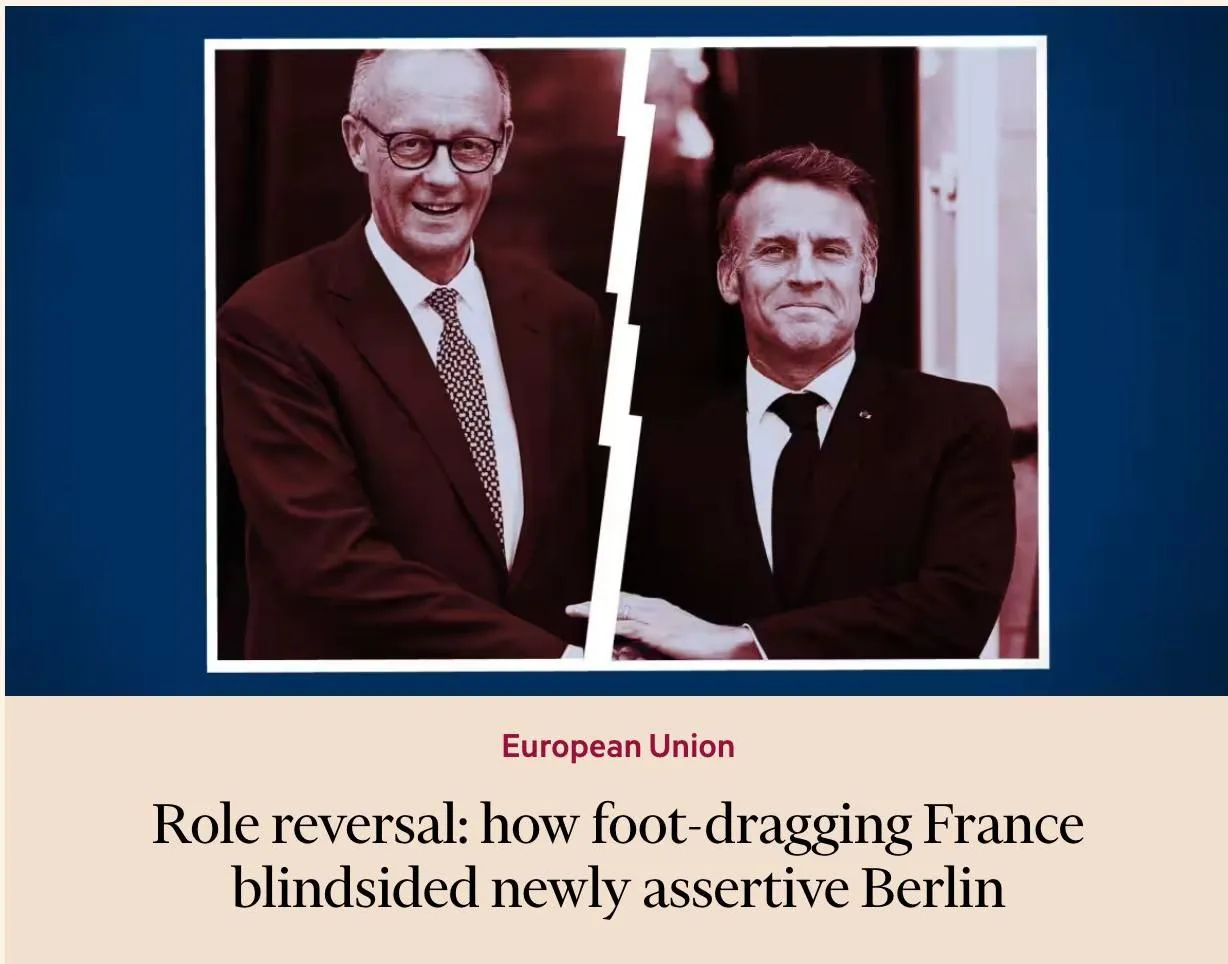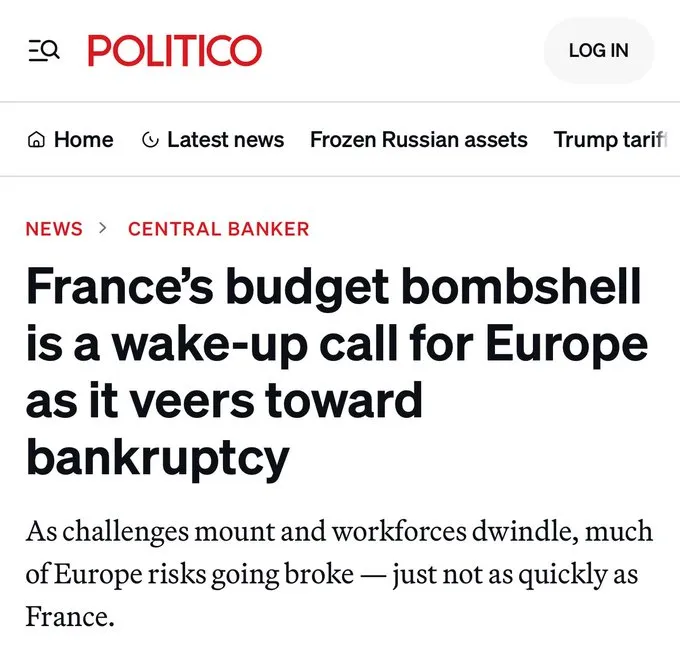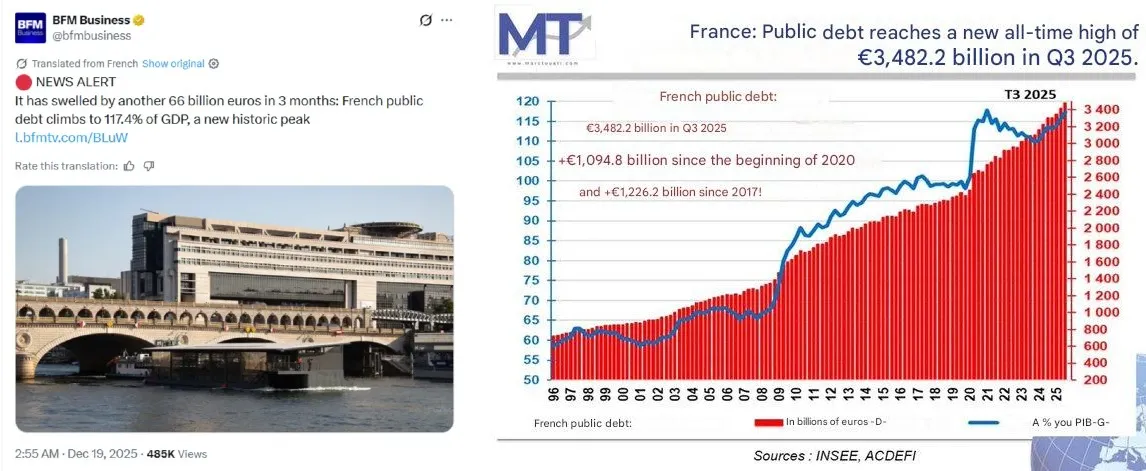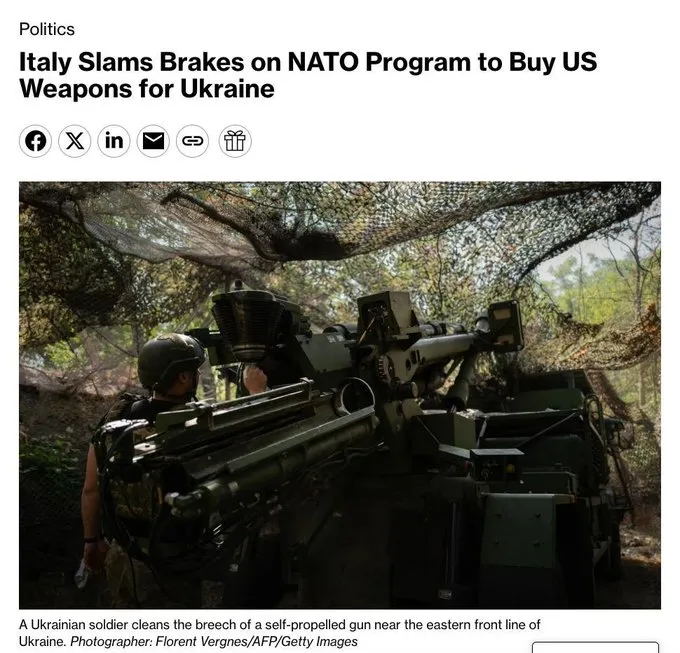
Footnotes from the Ukrainian "Crisis"; New High-Points in Cynicism Part V

User avatar
blindpig
Posts: 14863
Joined: Fri Jul 14, 2017 5:44 pm
Location: Turtle Island
Contact:

Re: Footnotes from the Ukrainian "Crisis"; New High-Points in Cynicism Part V

Post by blindpig » Mon Dec 15, 2025 1:10 pm

From Munich to Berlin
Published by @nsanzo ⋅ 15/12/2025

Image

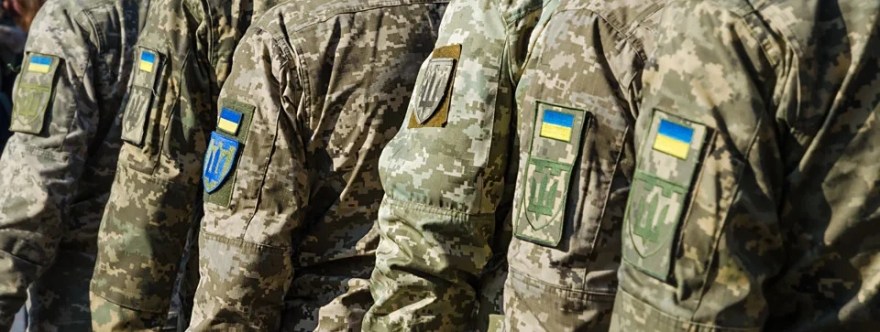
“An impressive stance from the leader of Europe’s undisputed economic power. Let’s hope action follows rhetoric,” wrote Meaghan Mobbs yesterday, a regular pro-Ukrainian propagandist and daughter of Keith Kellogg, referring to Germany’s pro-Ukraine leadership. Just days earlier, she had been lamenting how some members of the negotiating team had been excluded from the diplomatic process. While several names have disappeared from the headlines, including Dan Driscoll, apparently sidelined by Pete Hegseth for overshadowing him, being too visible, and pushing too hard for a quick agreement, the most relevant name is that of Keith Kellogg. Theoretically Trump’s envoy to Ukraine, the general remains active and recently posted pictures of an event with Ukrainian veterans. However, his absence from the negotiations signals a shift to a different phase in the strange and intermittent peace process orchestrated by Trumpism.

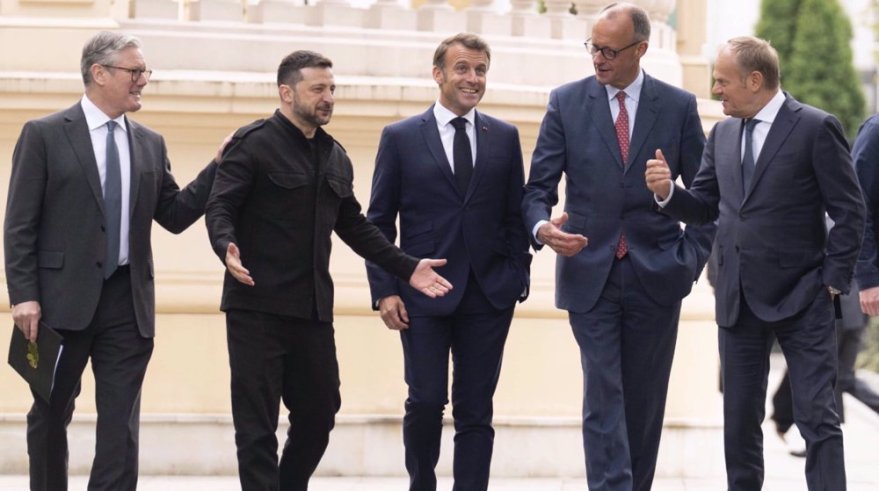
On Saturday, The Wall Street Journal broke the news, proclaiming that “Zelensky is trying to rewrite Trump’s plan instead of rejecting it,” something Ukraine has left open since Steve Witkoff’s 28-point plan was published. Rustem Umerov has been conducting lengthy negotiations in Florida to amend that plan, and for the past two weeks, the leaders of European capitals have been demanding to be included in the talks. They represent the hope of Zelensky, the European establishment , the Democrats, and the more interventionist wing of the Trump camp, including figures like Mobbs, whose comment referred to Friedrich Merz’s speech at a party event on Saturday.

“We’ve known this since 2022: it’s a war of aggression by Russia against Ukraine and against Europe. And if Ukraine falls, it won’t stop, just as the Sudetenland wasn’t enough in 1938. Putin doesn’t stop. And anyone who doesn’t believe it should carefully analyze his strategies, his documents, his speeches, his public appearances,” Merz stated, making a comparison that is becoming increasingly common, with growing intensity each time there is a new attempt to shift the Russian-Ukrainian conflict from the military to the diplomatic arena. Thus, the 28-point plan that European countries are trying to rewrite to make it more favorable to their interests, or to have it rejected by Russia—possibly the preferred option for those still fixated on defeating Russia—is the equivalent of Munich, as was the Alaska summit, which ultimately achieved absolutely nothing.

Despite the nervousness of European capitals, which feared an agreement between Russia and the United States, just a few weeks later, Donald Trump, alongside Zelensky, announced that a Ukrainian victory was possible. He demanded that his European allies cease purchases of Russian energy products, imposed exorbitant tariffs on India for its cooperation with Russia, and finally sanctioned the two largest Russian energy companies, Lukoil and Rosneft. The hawks were once again gaining ground, and everything seemed to be returning to normal. familiar routine that European capitals were comfortable with: the continuation of the conflict, pressure against Russia, meetings with Zelensky, and regular talks by the Coalition of the Willing that never progressed toward any resolution. The reason was not accidental: the flagship measure of that group, the deployment of a military deterrent mission after a ceasefire agreement, does not depend on the countries that negotiate it, but on a peace agreement with Russia and the participation of the United States to provide intelligence, air cover and security guarantees.

Merz's references didn't stop there, and in a world that has officially equated Nazism with Communism—that is, what, as Efraim Zuroff of the Wiesenthal Foundation stated, was tantamount to equating "the most genocidal regime in the history of humanity with the one that liberated Auschwitz and helped end the reign of terror of the Third Reich"—the Soviet reference was practically obligatory. "This is about a fundamental change of borders in Europe, the restoration of the former Soviet Union within the borders of the former Soviet Union, with a grave threat, including a military one, to the countries that were once part of that empire," Merz proclaimed. In the simplistic world of European authorities, the peace process is Munich, while war is the Soviet Union.

“Are we heading towards a Munich 2.0? In 1938, the United Kingdom and France forced Czechoslovakia to cede key territory to Hitler. The result? Within months, Czechoslovakia ceased to exist, and a few months later, Europe erupted in open war,” wrote Carl Bildt, the radical former prime minister of Sweden and a prominent hawk of the European vision of war to the bitter end. Like other defenders of the Iraq War, including Ana Palacio, David Miliband, and José Manuel Barroso, a veteran photographer of the Azores summit, and other figures such as Arseniy Yatsenyuk, the Ukrainian prime minister who decided to resolve the political problem in Donbas by military force, he will be part of the advisory council of the the EU's defense minister , Andrius Kubilius, on the militarization of the continent.

The view of hawks like Bildt aligns with that of their counterparts across the Atlantic. “It’s almost as if the Trump administration doesn’t want to admit or can’t understand that the war will only end when pressure is put on Russia,” stated Anne Applebaum, a journalist, with the seriousness of someone who believes their own propaganda. neoconservative journalist whose husband, Radek Sikorski, is Poland’s current Foreign Minister and the man who thanked the United States the day a terrorist attack destroyed three of the four Nord Stream pipelines, with the seriousness of someone who believes her own propaganda.

“It’s the most obvious solution to the problem, and it’s the one they simply refuse to adopt,” Applebaum insisted. Three and a half years after an unprecedented flow of financial, economic, military, and diplomatic assistance began, the hawks—both those who warn of the possibility of a European war and those who ignore the danger of continuing to pressure the continent’s strongest military power—insist that nothing has yet been done. In this world where the only possible peace is one imposed through military victory, pressure is the only option; there is no room for any attempt to ease tensions or maintain open lines of communication, and any deviation from the established path is seen as treason. “Viktor has earned his Order of Lenin,” Sikorski wrote yesterday, referring to a comment by Viktor Orbán, who complained that “bypassing Hungary and violating European law in broad daylight, those in Brussels are trying to confiscate frozen Russian assets. Meanwhile, they are demanding €135 billion from member states to fuel the conflict.”

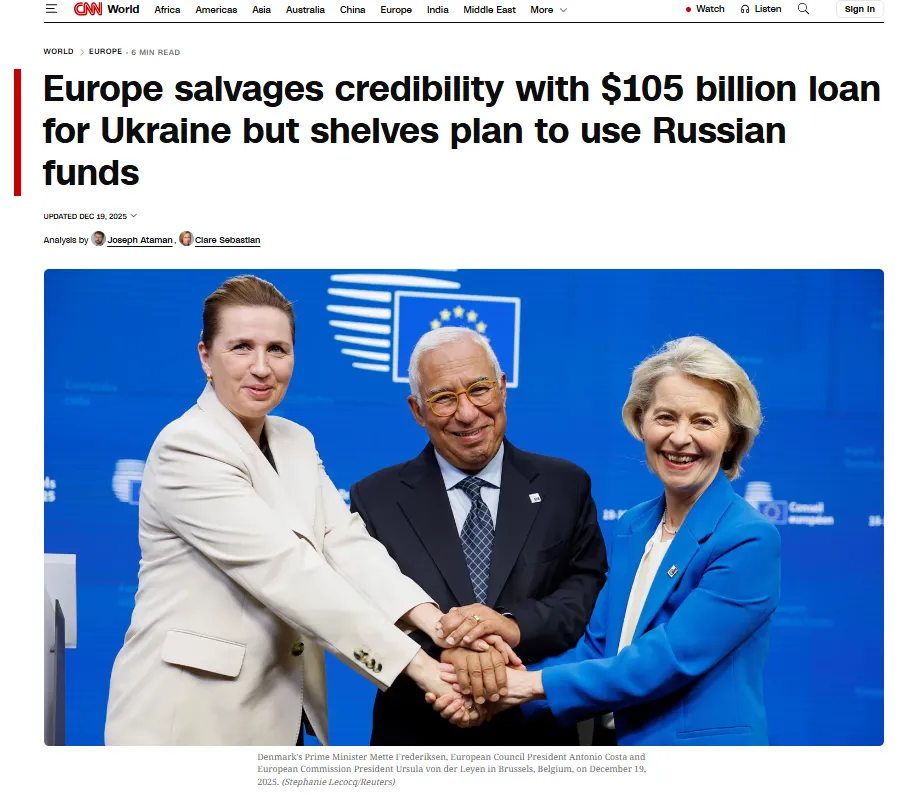
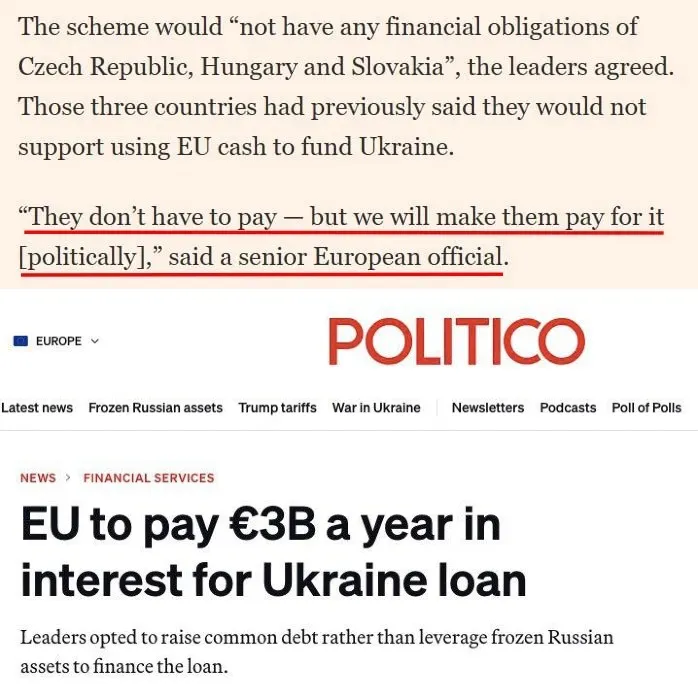
The fight over Russian assets continues, and a country far more important than Hungary—Italy, under the Atlanticist Meloni—appears, according to Politico , to be moving closer to Belgium's position regarding the controversial reparations loan . This loan , through which the EU intends to transfer frozen Russian assets to Ukraine, assets that, since Friday, have been permanently held within the European Union and which, as Germany demands, must be used for military spending. The German argument is the same as Kaja Kallas's. In addition to Merz's comments, other politicians from his party are receiving considerable media attention. Among them is Norbert Röttgen, who, during his tour to promote Merz's message in European and North American media, has insisted that "Ukraine is the first line of our defense." “For the first time since the end of World War II, the United States is not on our side on a matter of war and peace in Europe,” said Norbert Röttgen, a senior lawmaker from Chancellor Friedrich Merz’s conservative party in Germany. “It has sided with the aggressor against the interests of the attacked country, Ukraine, and against European security interests in general. It wants to mediate between NATO and Russia, which means the United States no longer defines itself as the leading member of NATO and defines Europe as a strategic target,” The New York Times quoted him as saying last week. quoted last week , reflecting European anger following the publication of the National Security Strategy and the negotiation of a plan for Ukraine without considering the opinions and interests of European countries.

The European reaction shifted from initial surprise, with Kakha Kallas mocking her two-point plan , to clinging to the economic tool to reinsert themselves into the negotiations, summarily eliminating one of the three key aspects of a potential agreement: reconstruction funding. By attempting to use Russian funds to finance two more years of war, European countries are seeking to place Ukraine in a stronger negotiating position. This has been the narrative for months. But what these words conceal is that the real aim is not to improve Ukraine's negotiating position vis-à-vis Russia, but rather vis-à-vis the United States and its peace plan. “Russia could exploit any withdrawal of Ukrainian troops from areas controlled by Kyiv, according to sources familiar with the matter who spoke on condition of anonymity, as the talks are being held behind closed doors. This makes Europe’s main objective in the coming days and weeks to ensure that any peace agreement does not contain a Russian Trojan horse,” Bloomberg explains. explains .

The article reflects the position European countries are taking to the negotiations with Steve Witkoff, which will continue today but began yesterday with the presence of Volodymyr Zelensky. The Ukrainian president arrived in Berlin with a concession that is only superficial. Ukraine, he stated, is willing to relinquish its demand for NATO membership in order to focus on security guarantees similar to Article V, but bilateral. The formula Zelensky has chosen to present himself to Trump as a man willing to compromise is striking, since the demand for membership was not directed at Russia, but at its allies. The inevitability of Ukraine's Euro-Atlantic path would continue to be reflected in the Ukrainian Constitution, hence the compromise would simply be a way of not giving up anything and merely waiting for the right moment.

Zelensky's ploy of renouncing the demand but not the aspiration reinforces the objective of Ukraine and its European allies for this series of meetings with Steve Witkoff: to rewrite the United States' plan to reject concessions on security and territories by using the economic veto that European capitals have, allowing them to threaten to expropriate Russian funds to finance, against Washington's opinion, two more years of war in the hope that more money will solve all of Ukraine's problems or, at least, postpone them to the medium-term future.

In this mission, the risks are irrelevant. Among them is, of course, the Russian military response against Ukraine in the event of increased European funding or the delivery of weapons capable of striking its territory in depth, such as the Taurus missiles that people like Mobbs continue to demand from Germany. Outside the day-to-day dynamics of the war, the Russian response to the ban on repatriating Russian assets held until the EU deems it appropriate has already received its first reply. “Russia’s central bank has filed a lawsuit in Moscow seeking damages from the Brussels-based depository Euroclear for freezing its sovereign assets and has vowed to challenge European plans to freeze the reserves. This opens the door for Russia to seize Euroclear’s €17 billion in assets in the country, seek further damages from the company in other jurisdictions, and file additional lawsuits if the EU proceeds with its plans,” wrote the Financial Times . The stage is set for the chronic nature of the European Union-Russia conflict, which the EU authorities and most member states seem to so desire.

https://slavyangrad.es/2025/12/15/de-munich-a-berlin/

Google Translator

*****

From Cassad's telegram account:

Colonelcassad
Kyiv will be without power for 20-22 hours a day, with temperatures reaching -5°C. Oleg Popenko, head of the Ukrainian Union of Utility Consumers, complained
about this . He said the power shortage in the Ukrainian capital is currently 70%.

***

Colonelcassad
RDIF CEO Dmitriev stated,

" Panic-stricken EU bureaucrats continue to make mistakes."
They know that using Russian reserves without the Bank of Russia's consent is illegal—it undermines the reserve system created by the US and increases costs for everyone. Russia will win in court and get them back... The EU, the euro, and Euroclear will suffer."

***

Colonelcassad
Today is the day of remembrance of fallen journalists. I have compiled a list of my colleagues and friends who have died in Donbass since 2014 and in the North Military District since 2022. ( Journalist Stanislav Obishchenko )

May 24, 2014 — Andrea Rocchelli, Italian photojournalist

June 17, 2014 — Igor Kornelyuk, VGTRK correspondent

June 17, 2014 — Anton Voloshin, VGTRK sound engineer

June 29, 2014 — Anatoly Klyan, Channel One cameraman

July 13, 2014 — Sergey Dolgov, editor-in-chief of the Mariupol newspaper "I Want to Be in the USSR."

August 6, 2014 - Andrey Stenin, photojournalist for MIA Rossiya Segodnya,

August 6, 2014 - Sergey Korenchenkov, journalist for the DPR information unit IKORPUS,

August 6, 2014 - Andrey Vyachalo, journalist for the DPR information unit IKORPUS,

November 18, 2014 - Afanasy Kosse, journalist for the Novorossiya information agency

November 18, 2014 - Vagid Efendiev, journalist for the Novorossiya information agency

February 8, 2015 - Vsevolod Petrovsky, journalist for the DPR Ministry of Information

April 1, 2022 - Anatoly Zharov, journalist for the DPR Ministry of Information.

June 2, 2022 - Sergey Tverdokhleb, journalist for the DPR Ministry of Information.

November 22, 2023 - Boris Maksudov, war correspondent for Rossiya-24

June 14, 2022 - Sergey Postnov, employee of the press service of the Russian Guard, war correspondent

October 20, 2022 - Oleg Klokov, journalist for the Kherson TV channel Tavria

April 2, 2023 - Vladlen Tatarsky. War correspondent, blogger, writer

October 1, 2022 - Aleksey Ilyashevich, journalist, analyst, columnist for the RuBaltic portal.

July 22, 2023 - Rostislav Zhuravlev. War correspondent for RIA Novosti.

August 20, 2022 - Daria Dugina. Journalist and political scientist.

April 19, 2024 - Semyon Eremin, Izvestia journalist;

June 13, 2024 - Valery Kozhin, NTV cameraman;

June 16, 2024 - Nikita Tsitsagi, NewsRu photojournalist;

November 17, 2024 - Yulia Kuznetsova, editor-in-chief of Narodnaya Gazeta;

April 8, 2024 - Russell Bentley, journalist, blogger.

January 4, 2025 - Izvestia freelance correspondent Alexander Martemyanov

March 24, 2025 - Izvestia journalist Alexander Fedorchak

March 24, 2025 - Zvezda TV cameraman Andrei Panov and film crew driver Alexander Sirkeli,

April 22, 2025 - Zvezda TV correspondent Nikita Goldin

March 26, 2025 - Channel One war correspondent Anna Prokofieva

October 16, 2025 - RIA Novosti war correspondent Ivan Zuev

I would like to add here our journalists who died in Africa

July 30, 2018 - Orkhan Dzhemal, journalist,

July 30, 2018 - Alexander Rastorguev, documentary filmmaker,

July 30, 2018 - Kirill Radchenko, operator,

July 28, 2024 - Nikita Fedyanin, administrator of the Telegram channel GRAY ZONE

https://t.me/s/boris_rozhin

Google Translator

******

Brief Frontline Report – December 14th, 2025

Summary by Marat Khairullin and Mikhail Popov.
Zinderneuf
Dec 14, 2025

Image
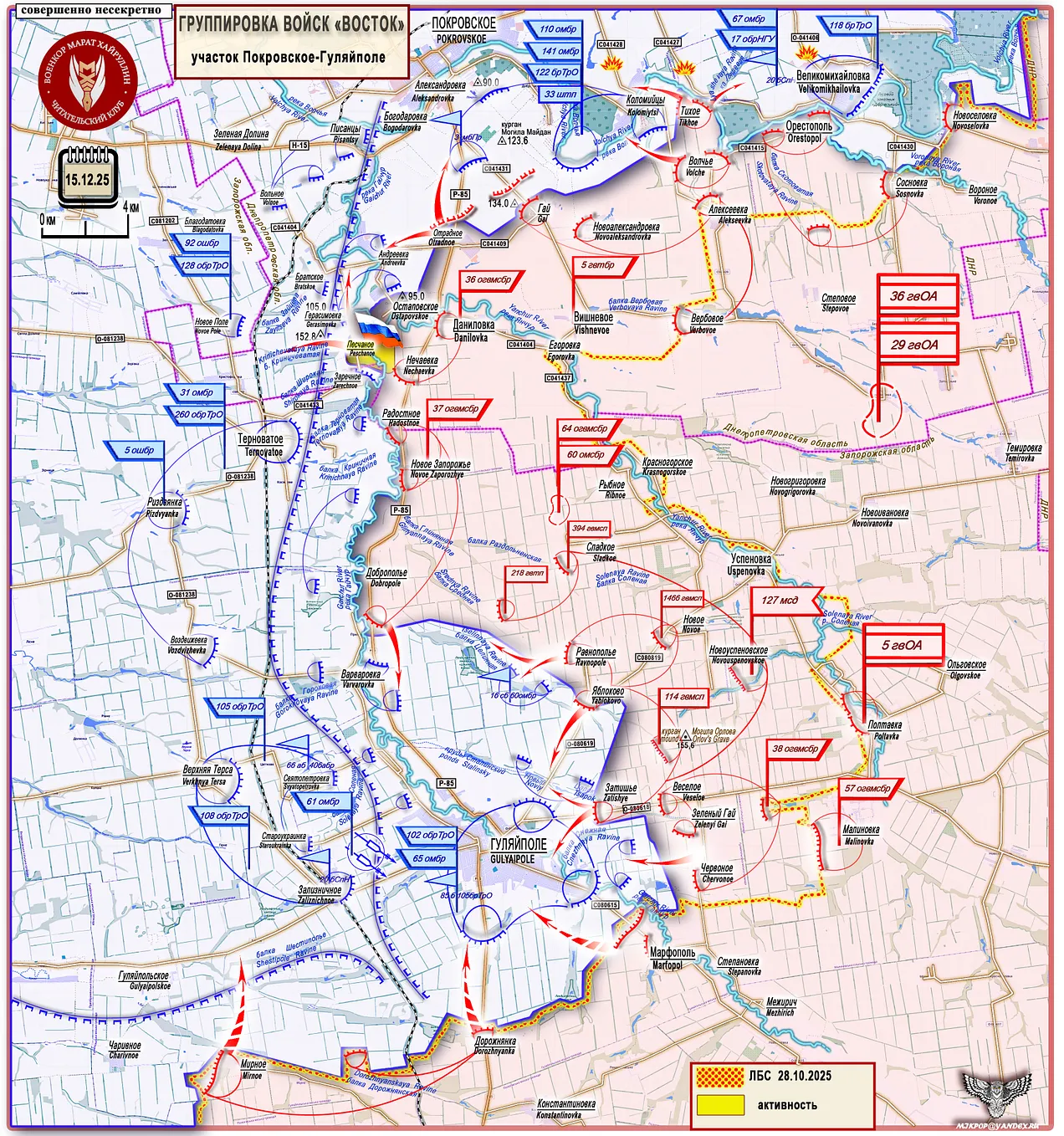
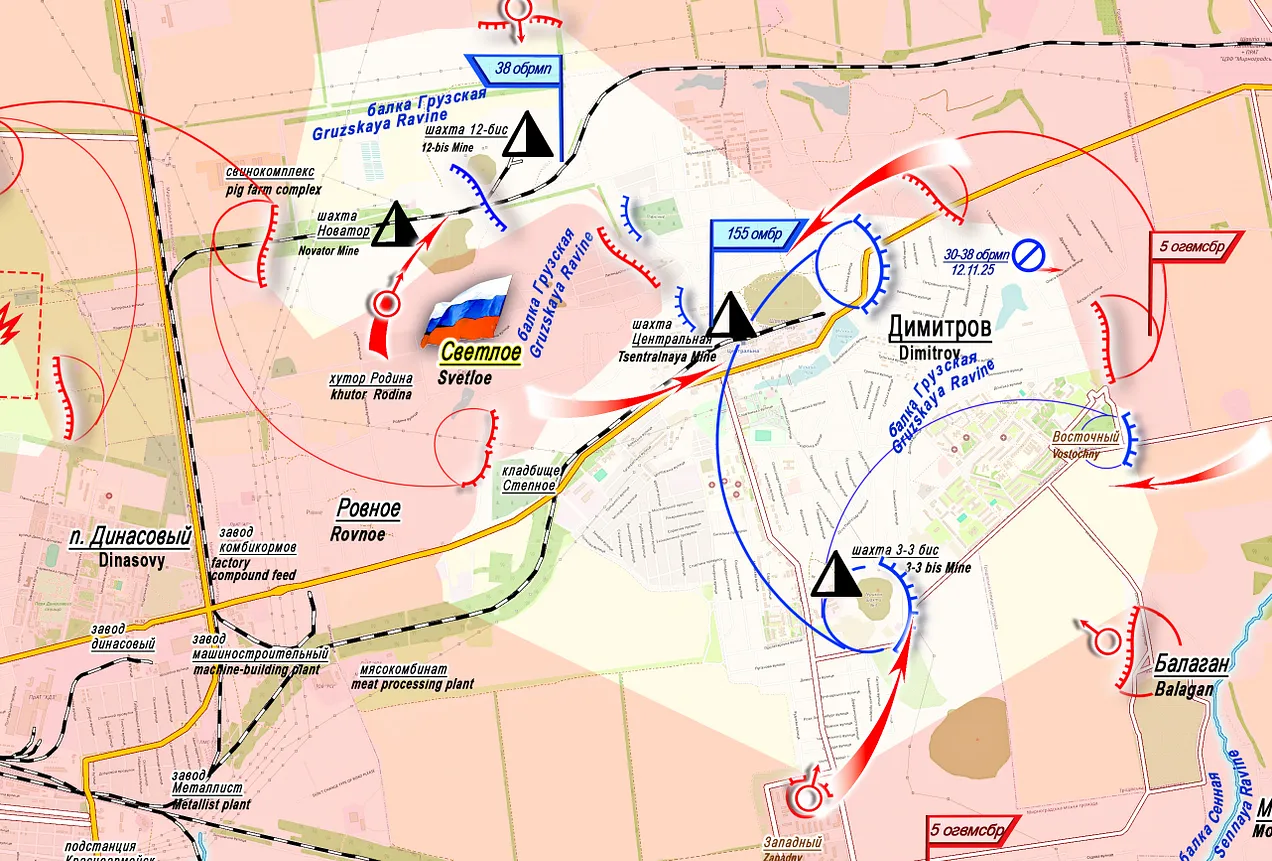
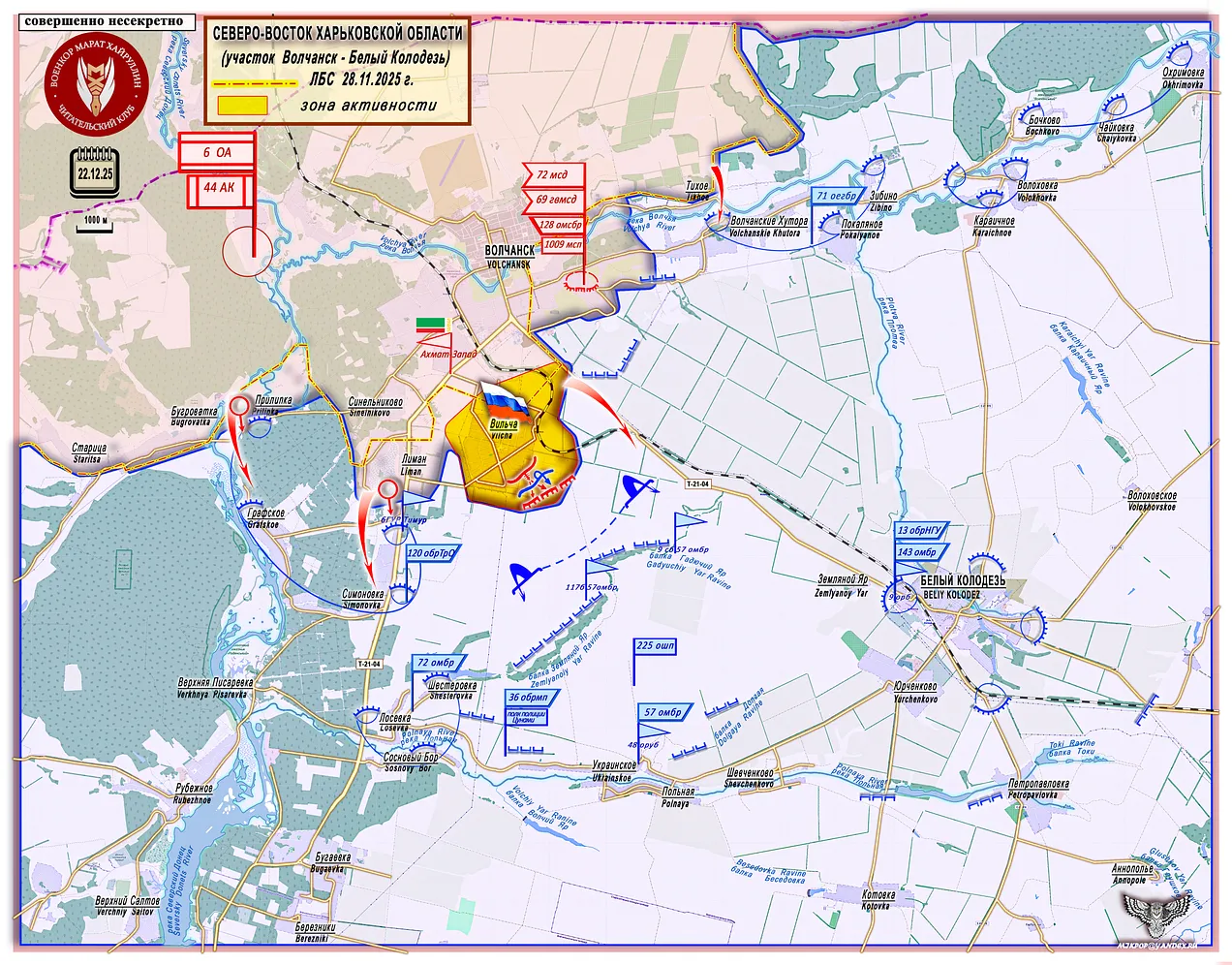
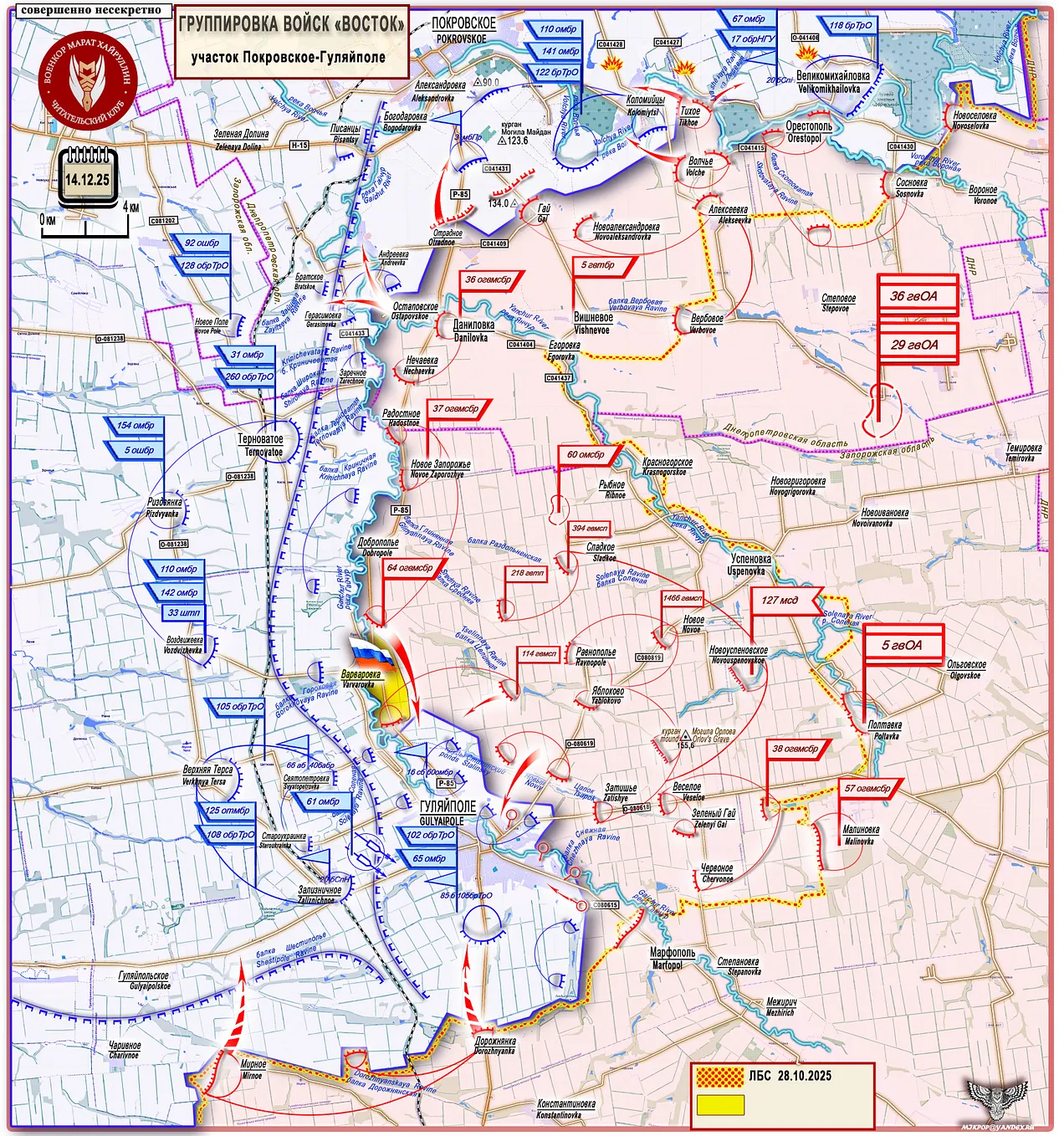
Map legend: The yellow line with the red dots represents the line of combat contact on October 28th, 2025.

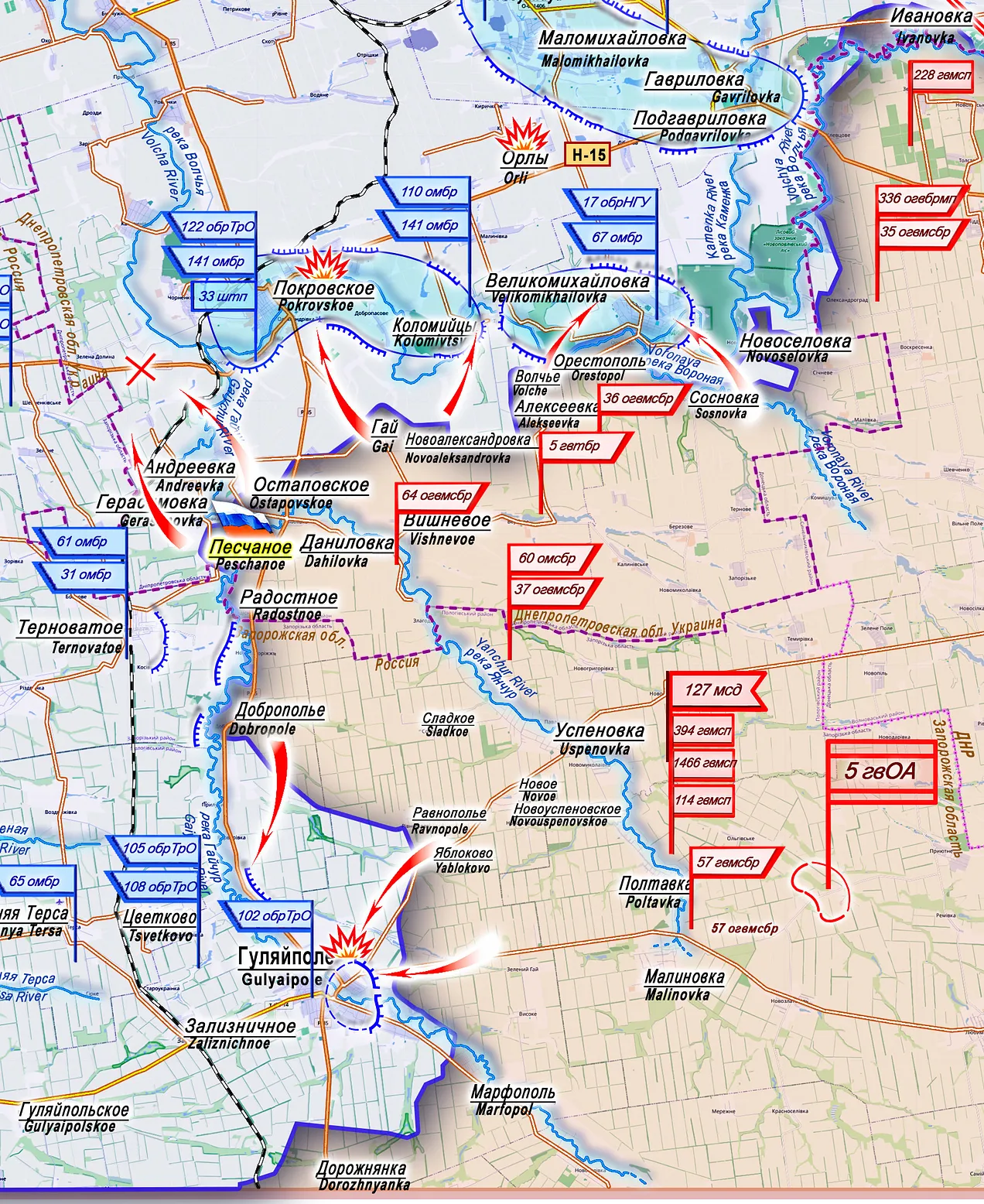
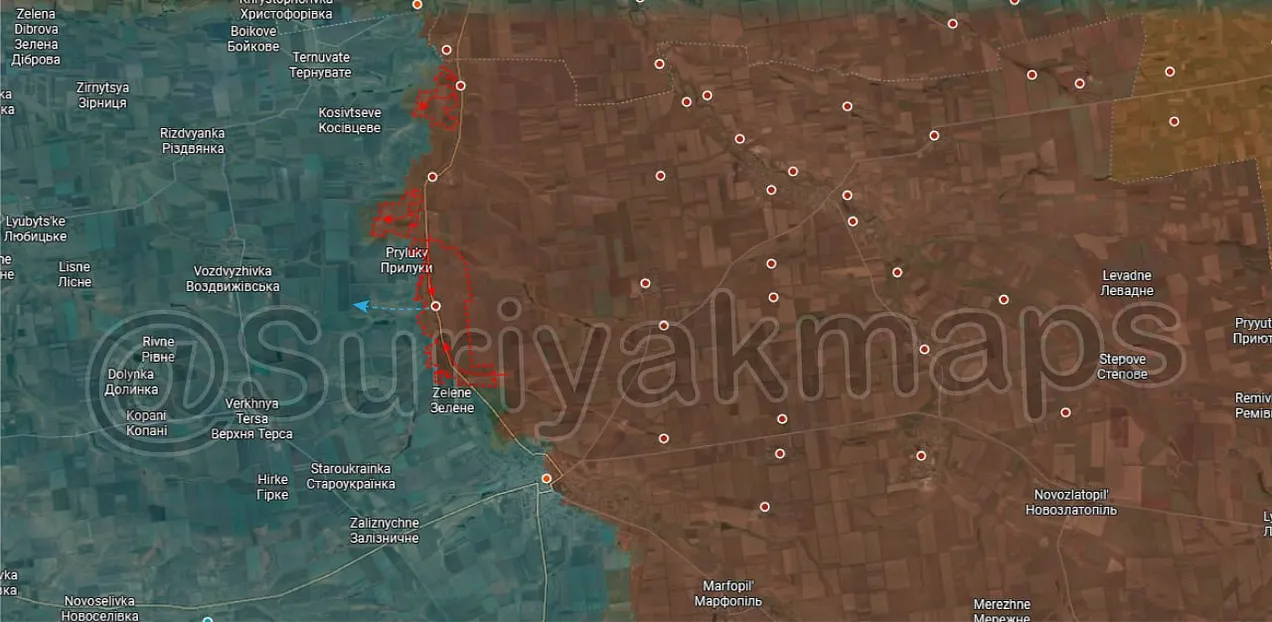
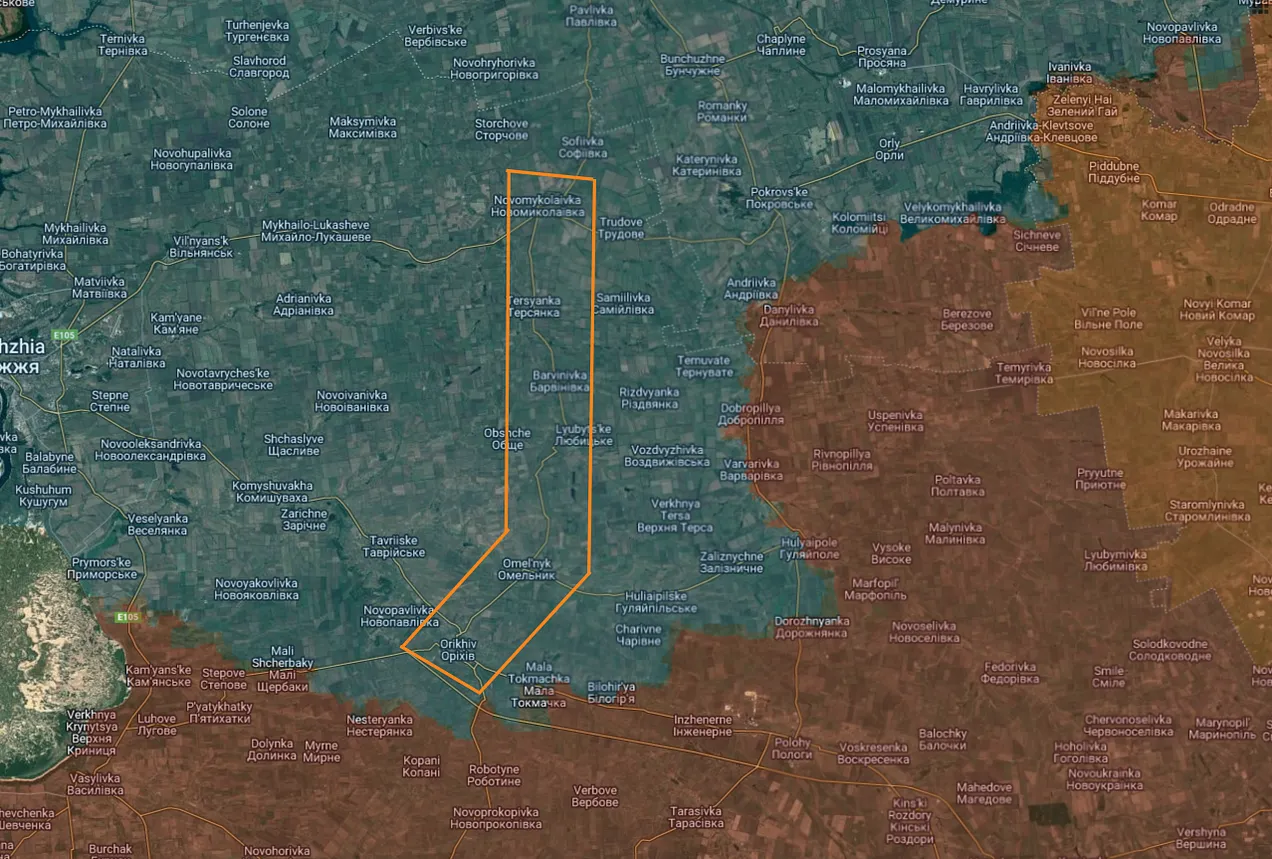
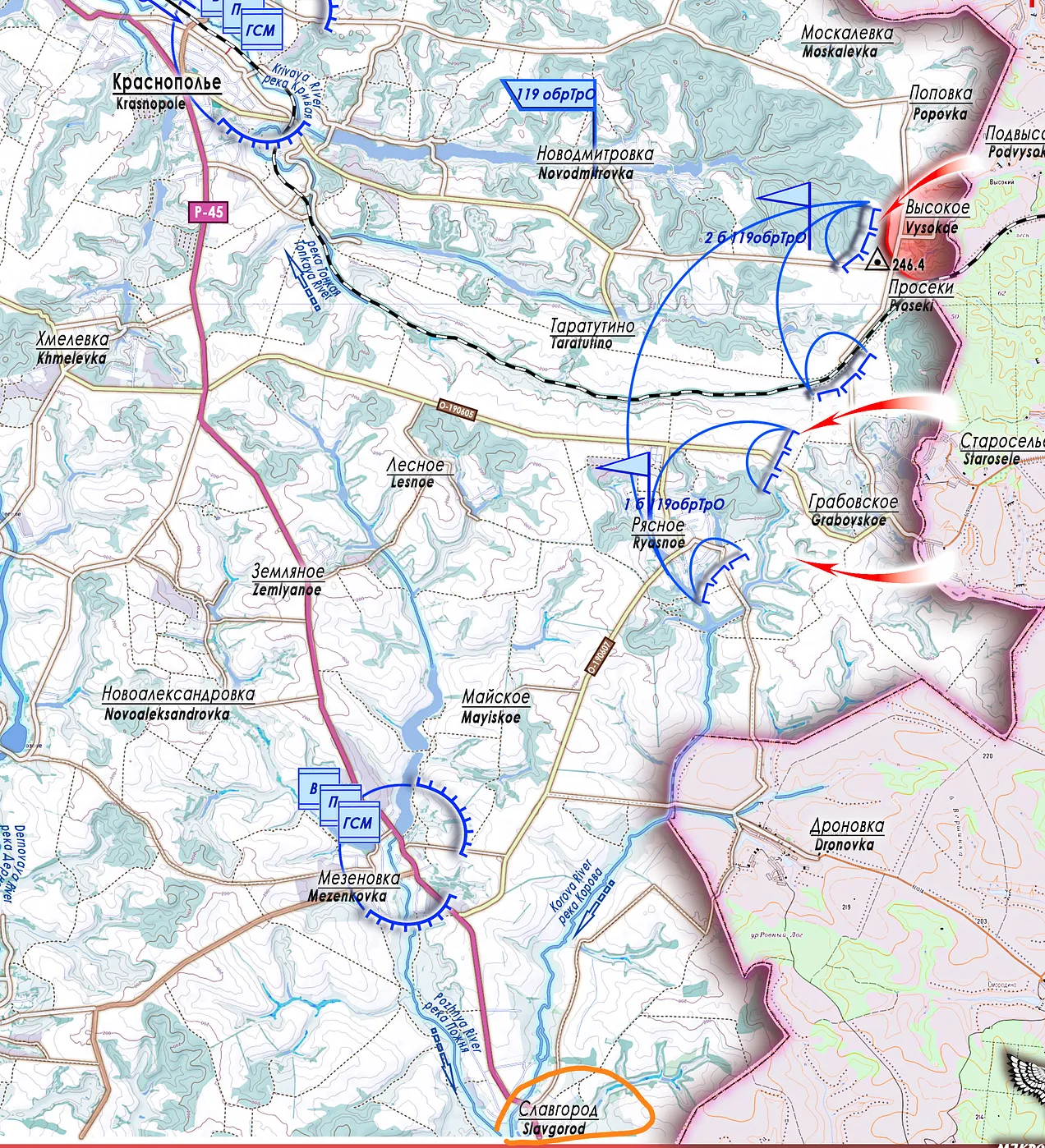
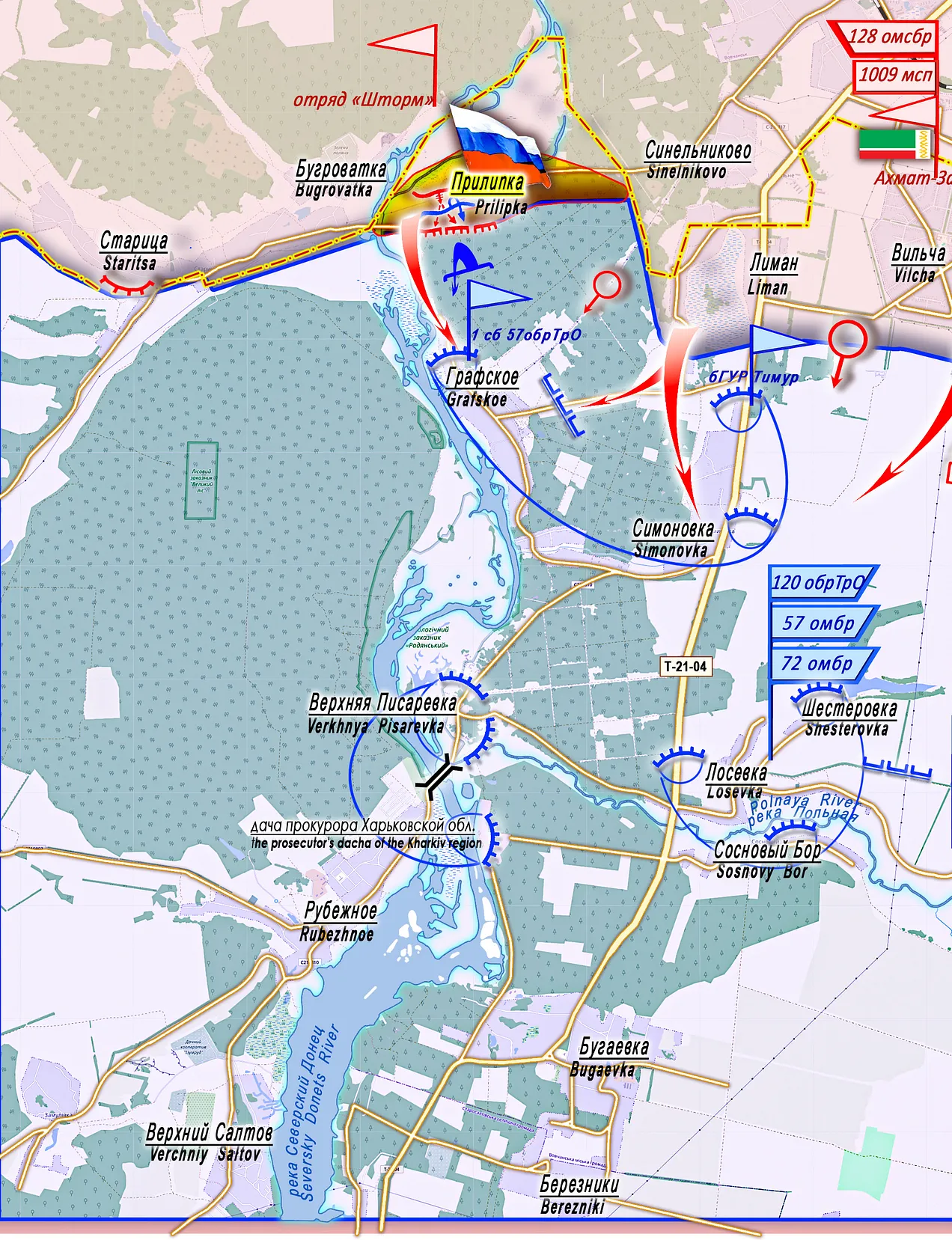
Message from the Russian Ministry of Defense: "Guards reconnaissance units of the 'East' Group, through active combat operations, broke through the enemy's defenses east of the Gaichur River and liberated the settlement of Varvarovka in the Zaporozhye Oblast.

As a result of the battles, a major defense point was taken under control. The enemy's manpower, more than 12 units of equipment, and over 70 heavy hexacopters of the 'Baba Yaga' type were destroyed.

The liberation of Varvarovka is one of the stages in completing the clearance of the eastern bank of the Gaichur River." (Video at link.)

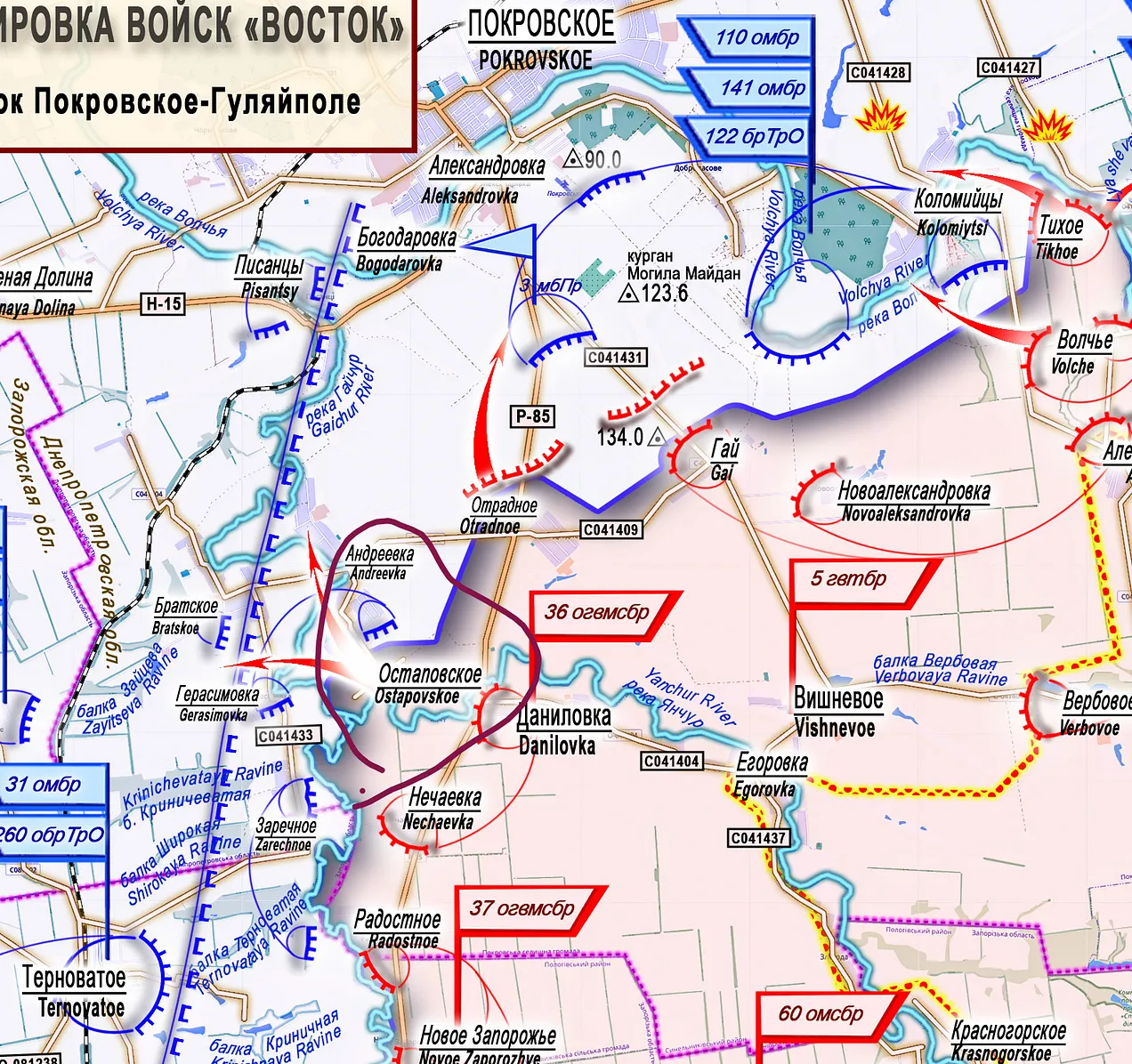
The Russian Armed Forces in the Gulyaipole sector continue to destroy the defenses of the Ukrainian Armed Forces on the eastern side of the Gaichur River. On December 9, the settlement of Ostapovskoe, located on the northern flank of the sector, was liberated. The breakthrough in this important sector forced the enemy to maneuver forces and resources to prevent Russian assault troops from crossing the Gaichur River via the settlement of Andreevka to the H-15 highway.
Image

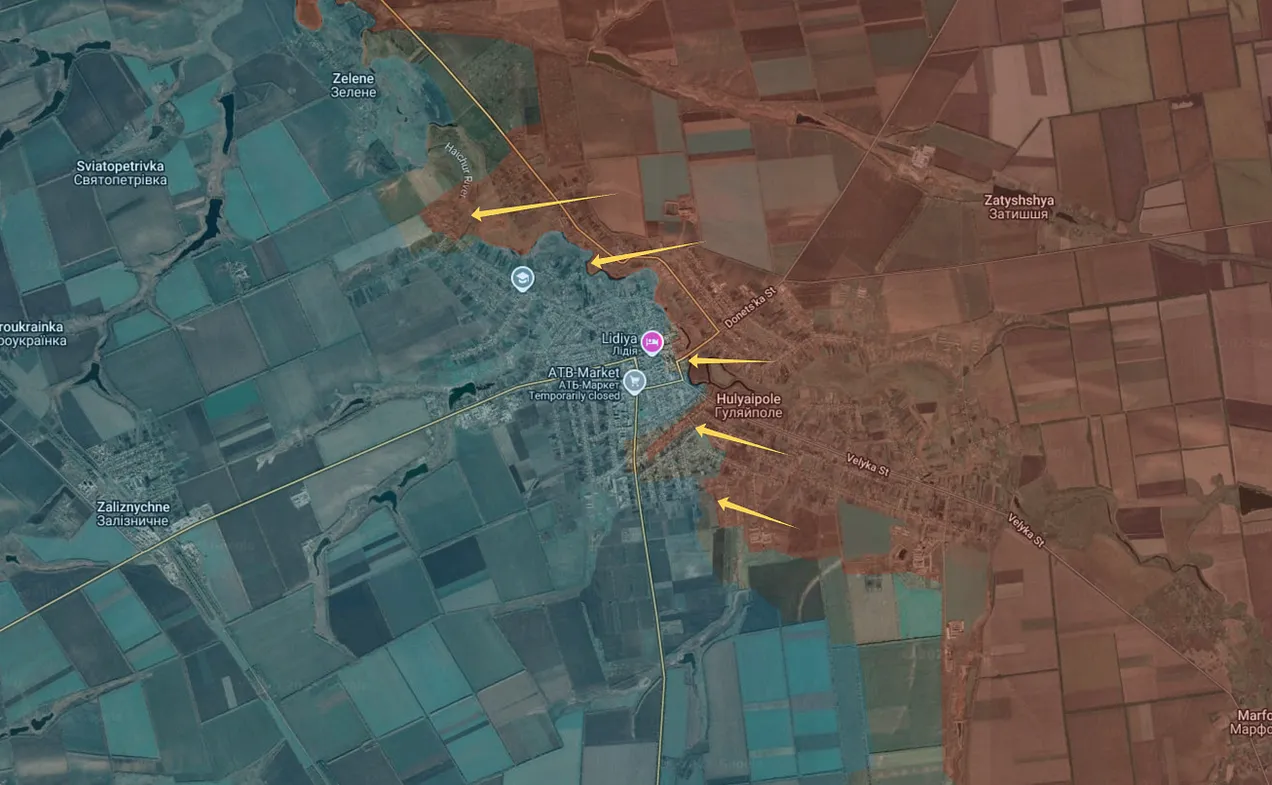
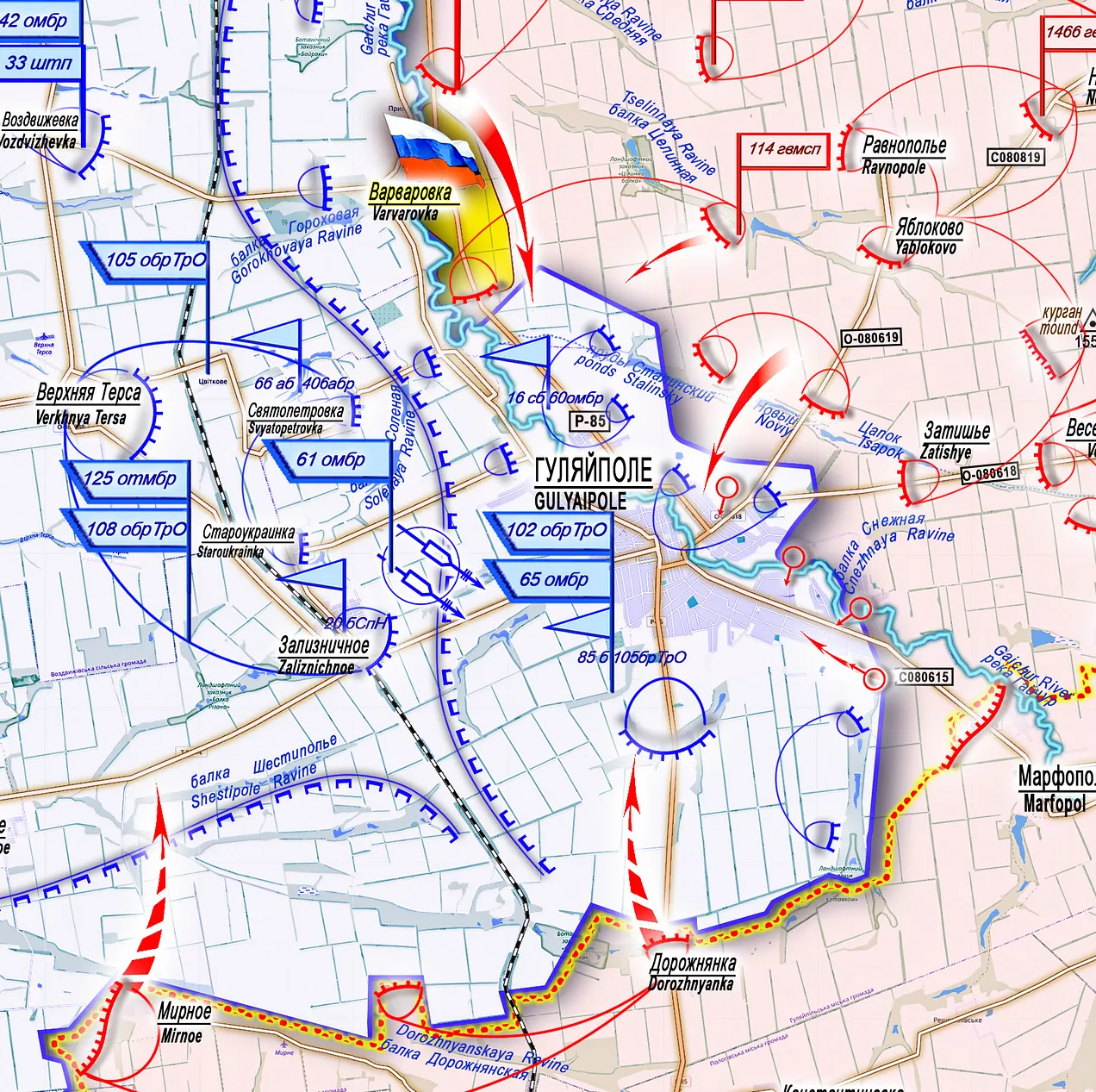
As soon as the maneuver was completed, the settlement of Varvarovka (47°43′50″ N, 36°11′49″ E, about 370 residents) was liberated upriver from Gulyaipole, in the northern foothills, which stretch along the P-85 highway for almost five kilometers. There are no settlements between Varvarovka and the city of Gulyaipole. Russian assault groups are advancing to the northern outskirts of the city.

From the East, the advance units of the Russian Armed Forces have reached the left bank of the river within the city limits, and from the South, from the settlement of Marfopol, they have entered the southern outskirts of the city.
Image

Thus, the assault on the city of Gulyaipole is being conducted from three directions.

The Dorozhnyanka - Gulyaipole sector has yet to be activated.

https://maratkhairullin.substack.com/p/ ... ember-14th

******

Behind Prigozhin

More 'Lemner'. Patriots vs frauds. Surkov vs Malofeev. Dugin's disguise.
Events in Ukraine
Dec 13, 2025

Some would have it that the world is divided into western democracies and eastern dictatorships. In the west, there are a range of political parties, all dutifully taking turns to wield power. In the east, entire countries are commanded by one man and his friends indefinitely.

But it is often hard sometimes to notice the real difference between the parties succeeding each other in the west. The recent elections in, say, Romania, also put in question the extent to which alternatives to the current state of affairs are actually allowed.

Ukraine, that great bastion of western democratic values, has also seen a number of seemingly varied presidents come and go. Yet the same foreign and domestic policies of ‘euro-atlantic integration’ and intensified nationalist fervor remain. Despite the fact that the majority of the population is indifferent or opposed to such a prioritization. Despite the fact that Volodymyr Zelensky, say, won the 2019 elections on the promise to modify these vectors. Instead, he accelerated them.

Russia is often held up as the paradigmatic example of a country ruled by a small group of undemocratic elites. Their aims never change, and they are threatened by no one. Politics doesn’t exist in Russia.

In fact, politics does exist in Russia. Quite turbulent politics indeed. That isn’t a good or a bad thing. It just looks a little different. Or perhaps, outsiders just don’t want to pay attention to it.

Today we’ll be returning to this year’s politico-literary sensation in Russia, Aleksandr Prokhanov’s Lemner. It is a novelistic depiction of Evgeny Prigozhin’s 2023 Wagner mutiny.
Image
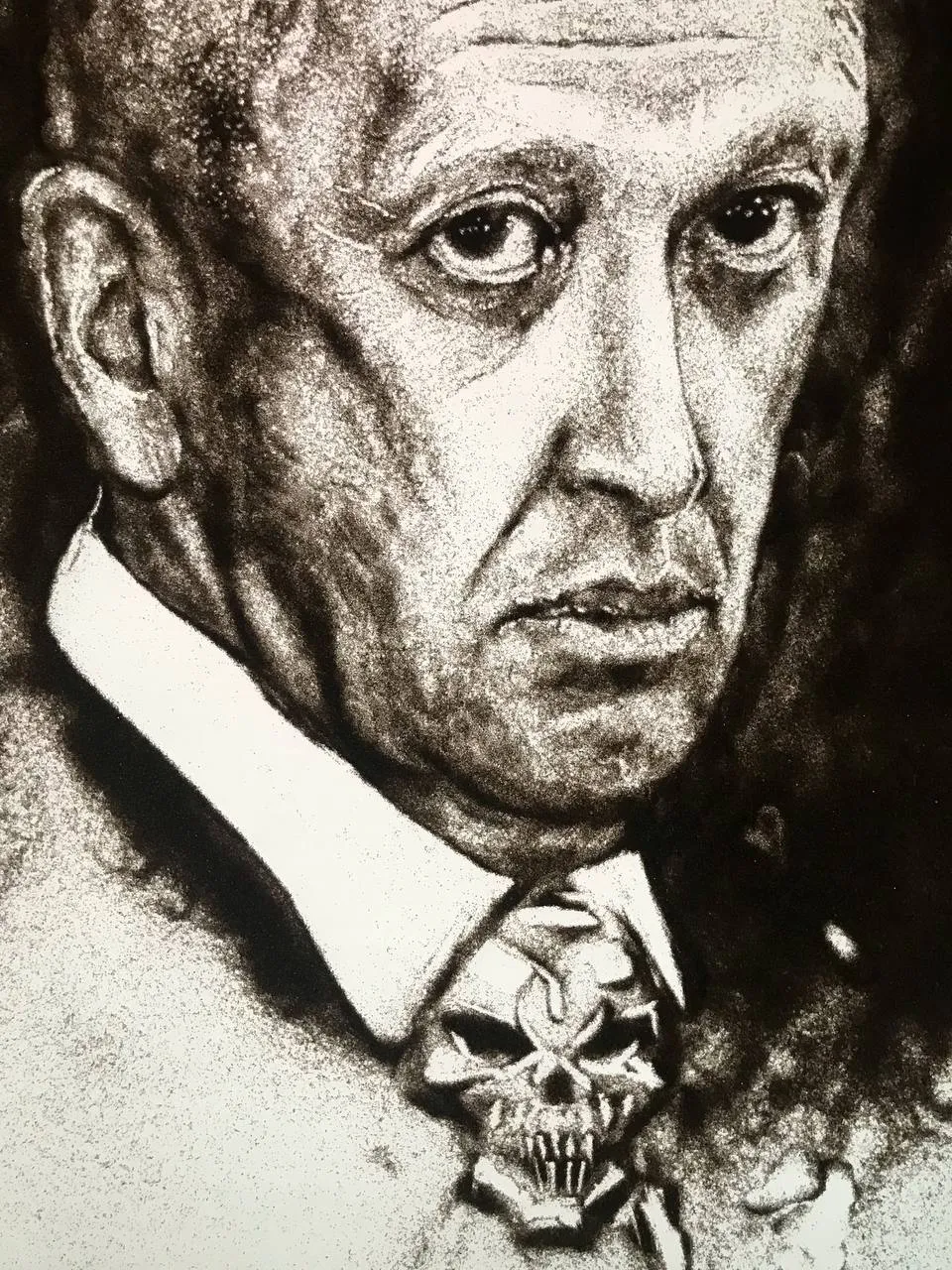
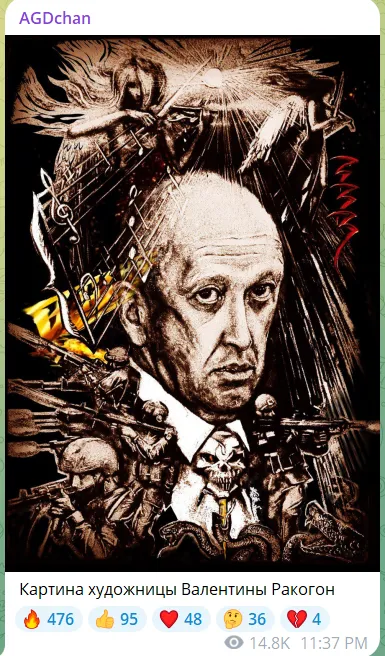
A painting of Prigozhin by the patriotic artist Valentina Rakogon

In yesterday’s article, I described the initial hubbub around its publication, with the September 29 presentation of the novel cancelled for its supposed anti-Presidential message. The highly patriotic Prokhanov, some claimed, had strayed too close to the sun by glorifying the traitor Prigozhin.

However, it has since come to my attention that Lemner is once again available for purchase in Russian bookstores. This is itself surely a testament to the fact that Russian political life does include a range of viewpoints, as long as they stay within a certain framework.

For comparison, I do wonder whether it would have been possible for, say, Ezra Pound, hypothetically still living in the US, to publish a long poem in 1943 depicting president Roosevelt as a dead crocodile who has long ago been mummified by his closest advisors, who all accuse each other of actually working for the Germans. I expect that Pound would have had a difficult time.

It’s somewhat of a strained analogy, but my point is that countries at war tend to be rather sensitive on these matters. By comparison, there is absolutely no way that a Lemner-style caricature of Zelensky and Azovite nationalists could be published today in Ukraine.

Anyway, onto Lemner. Yesterday, we took a look at its general plot. The liberal, anti-Putin press in exile has joyously claimed that Lemner glorifies Prigozhin and denigrates Putin. They pointed to passages where characters claim that Putin has long ago been killed and replaced by doubles, with state power having been usurped by shadowy advisors.
Image
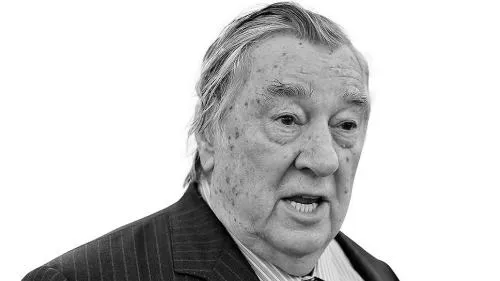
Prokhanov has been publishing novels since 1971
In fact, the book ends with the death of all the supposedly all-powerful advisors, and the discovery that the President has been in charge of the situation all along. Prigozhin’s attempt at mutiny is quashed by his commander, and Prigozhin is ultimately poisoned by his sorceress lover, revealed to be the President’s agent.

In short, at a banal level, Prokhanov’s novel is not actually confirming the popular anti-Putin narrative of ‘Putin’s doubles’. Instead, Putin turns out to be quite omnipotent indeed. Nevertheless, there are also some interesting elements to Prokhanov’s portrayal of Putin that we’ll focus on today.

But the Putin question is not why I found Lemner interesting. Defending himself from the liberals, Prokhanov pointed out that the passages about Putin’s doubles were actually spoken by ‘one of the most negative characters in the book’.

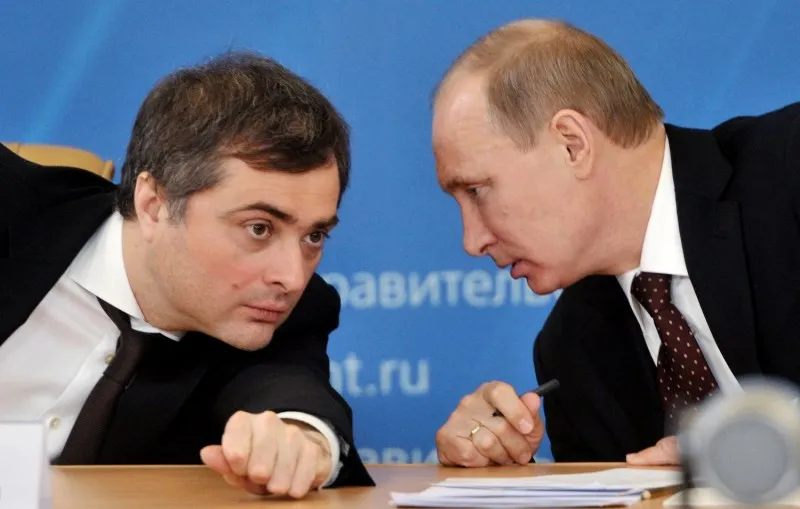
This figure is none other than Ivan Surlyonis, an obvious representation of the real Vladislav Surkov, one of the most important figures in Russia’s Presidential Administration from the early 2000s until 2020. Surkov, a self-consciously postmodern ad-man, was described for decades as Russia’s most powerful gray cardinal. Western writers delighted in analyzing the so-called ‘wizard of the Kremlin’.

But Prokhanov views the main curator of pro-government Russian nationalist politics as a degenerate, traitorous fraud.
Image
Surkov and Putin

Indeed, this is what I found most interesting about Lemner — its constant, biting satire of the Russian imperial-nationalist milieu that Prokhanov has himself embodied for decades.

Throughout the book, there are endless hints and accusations that these same turbo-patriots are themselves in fact disguised western agents, waiting for their chance to overthrow the government in a ‘patriotic uprising’ and henceforth steer Russia back towards the west.

As I wrote here, here and here, this conspiracy theory has long been advanced by certain figures in the Russian elite, and was used to explain the Prigozhin mutiny of 2023 (itself supported by a range of anti-Putin forces, including Ukrainian nationalists). I find this theory, true or not, extremely entertaining. Hence, I was delighted to find it pervading the pages of Lemner. One shouldn’t be surprised, however, since Prokhanov’s fiction has always been concerned with this topic, including his 2002 sensation Mr Semtex.

More specifically, Lemner features parodies of Russia’s chief patriotic philosopher Aleksandr Dugin, thunderous television presenter Vladimir Solovyev, and Prokhanov-inspired novelist Zakhar Prilepin. All are portrayed as opportunists who supported Prigozhin when it was necessary, and abandoned him correspondingly.
Image
Dugin telegram post glorifying Prigozhin from April 2023

But the real Dugin actually wrote an article defending Lemner from its critics in early October. Dugin and Prokhanov have long been political allies, though one sometimes wonders about the nature of this relationship. We’ll take a look at Dugin’s defense of Lemner, leading us onto some speculation on the real relationship between Dugin, ‘Orthodox Oligarch’ Konstantin Malofeev, Surkov, and Prigozhin.

(Paywall with free option.)

https://eventsinukraine.substack.com/p/behind-prigozhin

*******

Yasha Levine: The real reason Europe backs the war in Ukraine
December 14, 2025 natyliesb
By Yasha Levine, website, 12/6/25

A lot of people out there (myself included) have been scratching their heads wondering why European countries are so intent on waging war on Russia — not just through Ukraine on the battlefield but through sanctions and embargoes in the economic realm. Why would Germany point the gun at its own economy in this way, cutting itself off from the cheap Russian gas that underwrote its industrial base? Why would it turn a blind eye while the United States blew up its Nord Stream pipeline — an act of terrorism coming from its own ally — and pretend it didn’t happen? What’s the ideology driving it? What’s the game plan? What’s the thinking? Is there any? What do the technocrats running policy in Germany (the most powerful state in the EU) think they are doing? It seems so irrational and pointless.

Well, I think I have an easy explanation: These technocrats have no choice. They are not really in control. See, the collapse of the USSR didn’t just take out the Soviet block. It also sent Europe and the entire European project into a tailspin. The entire reason for a post-WWII unified, socialism-lite Europe to exist was to counter the Soviet Union — all under protective imperial wing of the United States. When the Soviet Union suddenly collapsed and broke apart and started reverting back to the 19th century, a unified Europe had no reason to exist. There was no external counter-ideology holding it together anymore. No external foe that you could lean your entire structure on. So the more that the unified European project wobbled, the shakier it got, the more cracks developed (I’m thinking here of the Greek austerity crisis of 2009, where a Europe unified to completely fuck the Greek people, their European brothers and sisters), the more that Europe had to turn to the only thing that had unified it in the past: militarism and the Cold War. It had to recreate the enemy and it tried and tried so hard that ultimately it succeeded in actually creating one.

That’s why the seemly baffling attachment to Ukraine. That’s why European technocrats have bet everything on that conflict…why it’s so important to them. They have no positive post-Cold War vision for their beloved European Union anymore beyond a washed [out] neoliberalism that their own people hate. They have nothing. Ukraine is their answer. Their prayer. Their hope. It’s the only that’s keeping them together. But it’s not enough. It can’t stop the collapse. In fact, it’s speeding up the collapse.

PS: This process is similar to something that Evgenia and I talk about all the time with respect to America. The collapse of the Soviet Union also caused a crisis in the United States. As I wrote before, “Americans think they won the Cold War, and that they defeated communism. That’s true. But it’s not clear that Americans have come out as on top of that conflict as they were led to believe. See the truth is that the USA and the USSR were connected — and the USSR and its people propped up America in ways that Americans did not understand. Now that the USSR has been replaced by a pre-revolutionary Russian society, both the former USSR and the USA are going through similar reversions to the 19th century. The processes are linked…they’re mutually reinforcing.”

https://natyliesbaldwin.com/2025/12/yas ... n-ukraine/

******


Where do all these people get the idea that Odessa is on the verge of falling to Russia?

******

Fighting for the Spirit of Anchorage
December 14, 7:00 PM

Image

In the fight for the spirit of Anchorage.

Late autumn and December 2025 were marked by persistent US attempts to fulfill some of the agreements with Russia reached during closed meetings between Putin and Trump and the Anchorage talks. Both sides acknowledged back in the fall that there were outlines of a shared vision for ending the war in Ukraine, which would require Ukraine to fulfill a number of demands voiced by Putin in 2024-2025.

Over the past months, the US has consistently broken through a number of "red lines" between Ukraine and Europe.

1. Instead of "no negotiations on Ukraine without Ukraine," there are now direct negotiations between Russia and the US without Ukraine and Europe.
2. Instead of "war to the 1991 borders," there is bargaining over how Ukraine should surrender Donbas to save face for Zelenskyy.
3. Instead of an "official ban on negotiations with Russia," negotiations between Russia and Ukraine, which are already underway in violation of Ukrainian law, are underway.
4. Instead of "abandoning any restrictions on the size of the Ukrainian Armed Forces," there is bargaining over the thresholds for establishing restrictions.
5. Instead of "the unconditional transfer of the Zaporizhzhya NPP" to Ukraine, there is bargaining over the format of US and Ukrainian participation in the management of the Zaporizhzhya NPP.
6. Instead of "unconditional and mandatory accession of Ukraine to NATO," there is bargaining over the timing of EU accession and complaints that the US is not accepting Ukraine into NATO.
7. Instead of "an unconditional refusal to hold elections in Ukraine under war conditions," there is now bargaining over the format of these elections.

And so on.
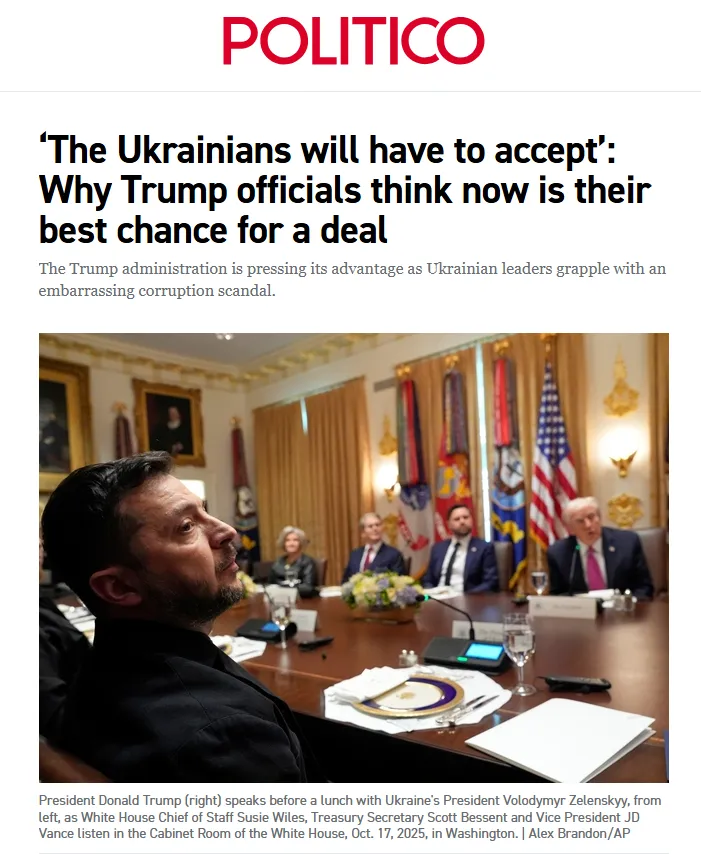
The US is consistently pressuring Ukraine to change its position on many issues, despite obvious resistance and sabotage of American plans from Kyiv and the EU. In addition to Ukraine's dependence on economic and military support from the US, the NABU, which is under the control of the FBI, has also been brought into play. This led to a serious weakening of the key British protégé in Ukraine, Yermak (although he has not yet been completely destroyed) and the hanging of Zelensky, Umerov and a number of other individuals on the hook of corruption revelations, who, under the threat of the publication of incriminating evidence, were forced to make a number of concessions, trying to buy time with their help in order to avoid making key concessions.

The war in Ukraine will not end until Ukraine at least surrenders all of Donbas. This will happen either diplomatically or militarily. Russia is prepared to achieve this goal by either means. The United States understands this, especially since it is aware of the real state of affairs on the front and considers Ukraine's loss of Donbas inevitable. The US logic is that it is easier to record a limited defeat for Ukraine (and Europe) in order to trade this war for new agreements with Russia, given the systemic weakening of Europe's dependence on the United States. In this scenario, the United States and Russia would be the winners, while Ukraine and Europe would be the obvious losers. This explains the current behavior of Ukraine and Europe, which do not want to see their defeat confirmed. But this is precisely Trump's goal under the agreements with Russia: to secure the outcome of the war in this configuration. And Russia is now watching to see how he succeeds. Russia is prepared to fulfill its part of the deal, as this will enable it to achieve some of the overall goals of the Central Military District (the complete liberation of Donbas, the resolution to reject Ukraine's NATO membership, etc.) through diplomatic means.

The game between Ukraine and the EU is generally clear to Russia and the United States. Therefore, in response to any "counterplans," Moscow rightly asserts that these options are unacceptable to Russia, and if Ukraine doesn't want peace, the war will continue. The United States is now also openly stating that abandoning the current terms will ultimately lead to even worse consequences for Ukraine. Each subsequent iteration of Russia's terms will be worse for Ukraine. Washington now understands this logic.

https://colonelcassad.livejournal.com/10245769.html

Google Translator

******

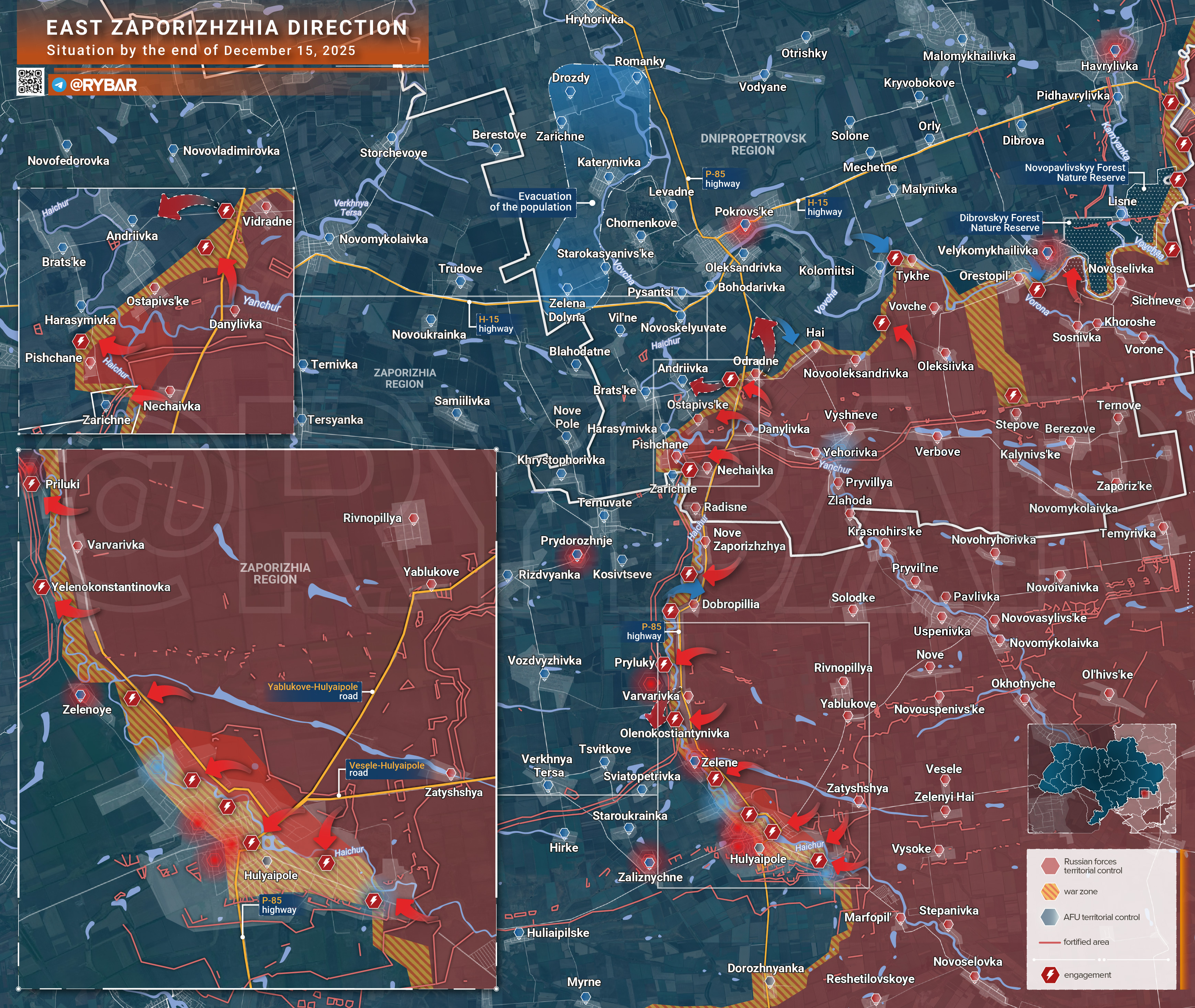
Clearing Varvarovka
December 14, 2025
Rybar
Image

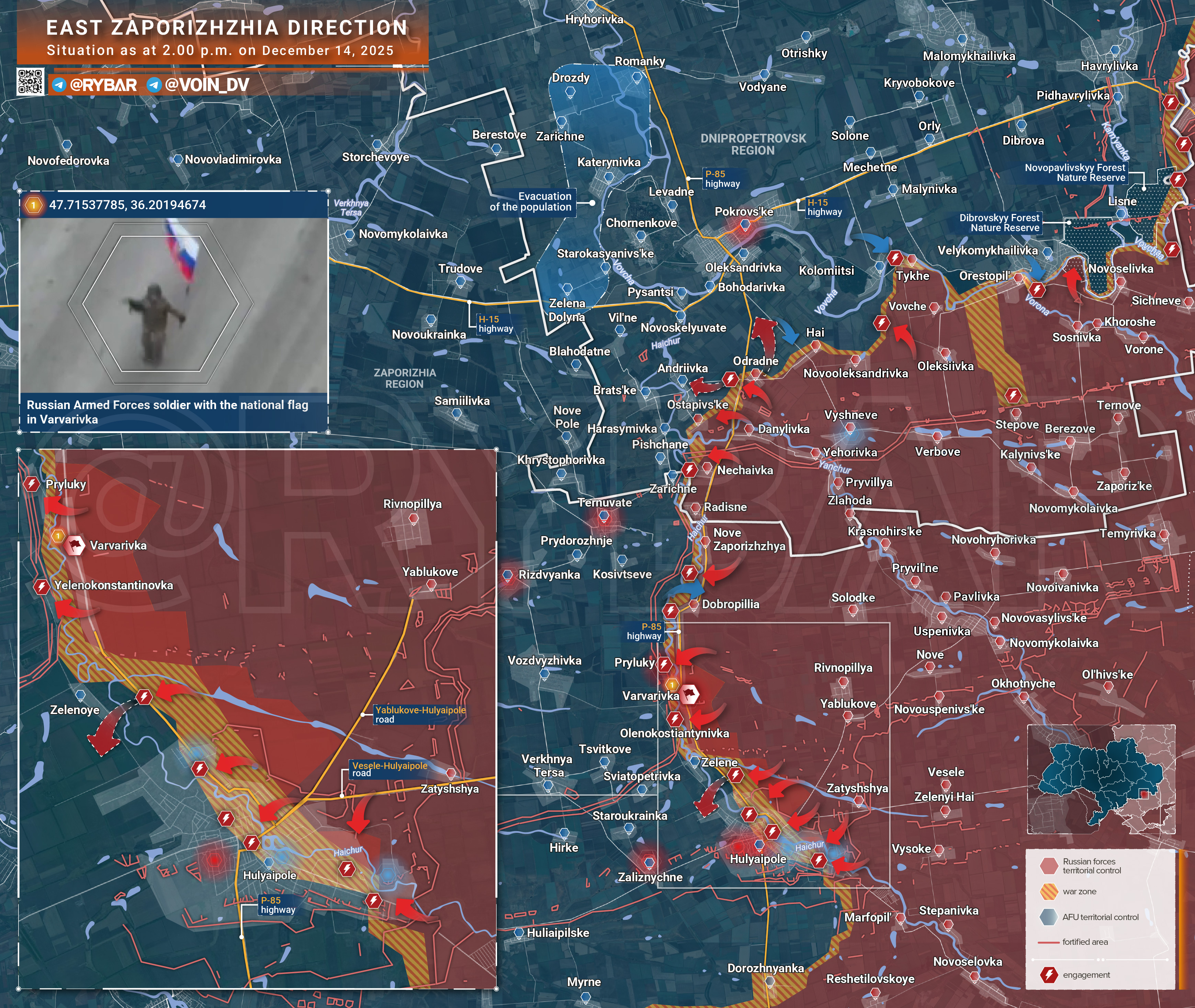
"The situation in the East Zaporizhzhia direction"

After a short break, the Far Eastern Express continues its advance westward. Some time ago, the assault aircraft repelled the enemy from Varvarovka on the left bank of the Gaichur River .

Ukrainian forces have long tried to prevent the loss of control over the village and have deployed units of the 225th Assault Regiment, which has been acting as the Ukrainian Armed Forces' "fire brigade" in recent months, to the area.

However, they failed to stabilize the situation: Russian drone operators isolated the enemy infantry from supplies, after which the remnants were finished off by the Vostok Group's assault aircraft. Several strongholds further south also came under Russian control.

Currently, fighters are attacking toward neighboring Yelenokonstantinivka to establish a bridgehead on the right bank of the Gaichur River . This will allow them to penetrate the Ukrainian Armed Forces' defensive line along the river and continue their offensive further west, bypassing the Hulyai-Pole fortified area .

In Hulyaipole itself , the enemy has already managed to deploy reinforcements and form a new defensive line along the river, slowing the advance of the Russian Armed Forces. A breakthrough north of the city will again force the Ukrainian Armed Forces to disperse their few combat-ready reserves along the front line.

https://rybar.ru/zachistka-varvarovki/

It all went downhill
December 14, 2025
Rybar

Friday's attack on the bulk carrier in Ilyichevsk was not the final blow to Ukrainian shipping: yesterday, the tanker VIVA, also owned by a Turkish company, was hit by drones off the coast of the Odessa region.

Although the footage captured by the crew is unclear, the distinctive contours of the Geranium engines can be seen. If these are indeed the engines, then it's highly likely that the drones were once again used, complete with a camera and control link.

However, the reaction to the incident was far more noteworthy. The Ukrainian Navy suddenly and abruptly recalled the norms of international law and the San Remo Guidelines for Armed Conflicts at Sea.

Turkish President Recep Tayyip Erdogan said it was unacceptable to view the Black Sea as an "arena for confrontation," calling for an end to all attacks on shipping and for its safety to be ensured.

As we've already mentioned, since the Black Sea Fleet lacks the capacity to conduct convoys, only attacks on Ukrainian shipping can discourage the Ukrainian Armed Forces from targeting Russian tankers. They have ample resources for this.

The changed tone of statements from Turkey and so-called Ukraine shows that the measure is entirely effective, and that continuing the attacks is entirely feasible to achieve the desired effect.

https://rybar.ru/kuchno-poshlo/

Google Translator
"There is great chaos under heaven; the situation is excellent."

User avatar
blindpig
Posts: 14863
Joined: Fri Jul 14, 2017 5:44 pm
Location: Turtle Island
Contact:

Re: Footnotes from the Ukrainian "Crisis"; New High-Points in Cynicism Part V

Post by blindpig » Tue Dec 16, 2025 12:49 pm

The "last ten meters"
Published by @nsanzo ⋅ 16/12/2025

Image

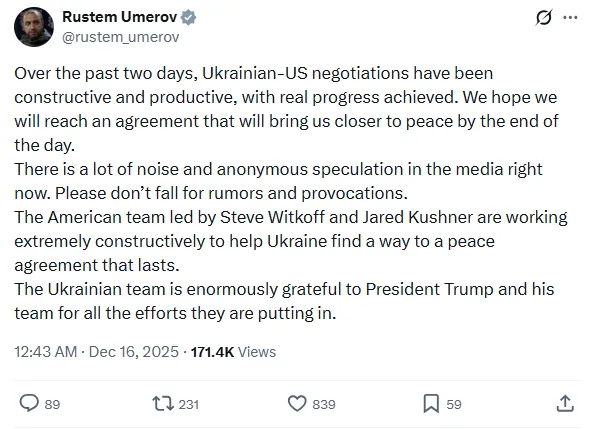
“Over the past two days, negotiations between Ukraine and the United States have been constructive and productive, with significant progress. We hope to reach an agreement that brings us closer to peace. There is a lot of noise and anonymous speculation in the media right now. Please do not be misled by rumors or provocations. The US team led by Steve Witkoff and Jared Kushner is working extremely constructively to help Ukraine find a path to a lasting peace agreement. The Ukrainian team is enormously grateful to President Trump and his team for all the efforts they are making,” wrote Rustem Umerov yesterday, leader of the Ukrainian delegation that has been negotiating for two days with the United States under German protection. Umerov’s message, from the current Chairman of the National Security and Defense Council of Ukraine, whose involvement in the recent corruption scandal has not harmed him, perfectly summarizes the ideas that Ukrainian diplomacy has been repeating ad nauseam since the first day of negotiations concluded.

Currently, every statement regarding negotiations must include a favorable comment about Donald Trump, so the praise for the US negotiating team is hardly surprising, especially considering that the president's son-in-law, Jared Kushner, is among the key figures who arrived in Berlin on Sunday to continue negotiations that, according to several European media outlets, have been "tough." Regarding Kushner, Zelensky highlighted on Sunday the positive surprise of his presence, since, as the person in charge of economic issues, it would open the door to negotiating these crucial aspects. In his praise, the Ukrainian president did not elaborate on his team's long-standing opinion of the two negotiators and their positions in these negotiations, even though Kyiv's intention to veto Witkoff, just as Moscow vetoed Kellogg, has been a persistent rumor for months. Boris Pistorius's remarks to a German media outlet serve as a reminder that European capitals are also unhappy about having to sit down, as Merz did on Sunday, across from Steve Witkoff at a negotiating table. "It's clear that this is far from the ideal lineup for this type of negotiation. But, as they say, you can only dance with whoever is on the dance floor," Pistorius stated, making the European countries' opinion clear, but also their resignation to the inevitability of the situation. It is neither Ukraine nor the European countries that select the negotiating team, but the United States, an unmistakable sign of who holds the power.

Germany's complaint is not limited to the composition of the US negotiating team. It is clear that European capitals felt more comfortable talking with Joe Biden, Marco Rubio, or Keith Kellogg, who tended to side with Kyiv and block any proposal deemed excessively pro-Russian. However, that stage of the negotiations, in which the two countries received visits on their territory from the representative most aligned with their position—Kellogg in Kyiv and Witkoff in Moscow—has ended, and the final part of the diplomatic process, which must culminate in a single document that both parties must accept, cannot be carried out with two negotiating teams. To Ukraine's dismay, the person tasked with drafting this proposal is not Kellogg, who has been sidelined, nor Rubio, who is focused on pressuring Venezuela in the hopes of further influencing Cuba, but rather the pro-Russian Witkoff. The discontent is reflected in comments from the German Foreign Ministry, which criticized what they perceived as "obvious" coordination prior to Sunday's meeting between the US delegation and the Kremlin.

Pistorius's words and the German leaks are two of the few controversial comments made in recent hours, which makes Ukraine's insistence on dismissing the noise and anonymous speculation all the more striking . In reality, European and North American media have strictly adhered to the Ukrainian mandate to reveal as little as possible and stick to the empty official statements that speak of intense, productive talks and significant progress. One of these outlets was the BBC , which claimed that, according to its US sources, 90% of the issues have been resolved. The British broadcaster doesn't specify whether this 90% is quantitative or qualitative—that is, the number of issues or whether there is genuine agreement on 90% of the most relevant aspects. Experience shows that the US team has always been guilty of overconfidence and optimism. More than a week ago, Keith Kellogg stated that only "the final ten meters" remained. As now, those final meters involve resolving the two key issues: territory and security.

The second controversial comment published in the press by anonymous sources concerns the territorial issue. Despite the progress Umerov celebrates and the US team claims to have made through anonymous leaks, all indications are that positions haven't changed significantly regarding the fate of Donbas, the main obstacle Washington is trying to overcome in order to present the finalized document to the Russian Federation. "US negotiators still want Ukraine to cede control of the eastern regions of Donetsk and Luhansk, collectively known as Donbas, as a condition for peace talks with Russia," AFP reported yesterday , implying that there is no change in the US position on this matter. Nor is there any change in Ukraine's argument, which yesterday relied on a recent poll published by the International Institute of Sociology in Kyiv, stating that 75% of the population opposes ceding more territory to Russia. Less attention has been paid to the fact that 72% of that same population has expressed support for a compromise peace under the current state of the war, meaning losing approximately 20% of the national territory according to its 1991 borders. The final decision on the territory will rest with Ukraine, a US official insisted yesterday in anonymous statements to Reuters . Clearly, it will be Kyiv that has to decide whether to accept or reject the document offered by the United States, which it is still trying to modify to its advantage by insisting on the red line of territorial concessions. However, it is evident that it will do so under pressure from its ally in Washington, which has not been convinced by Kyiv's argument that Russia is lying and exaggerating its military strength. This Ukrainian argument, practically a desperate one, ignores the fact that its own media outlets are reporting daily Russian advances in heavily fortified areas where Moscow's troops have not yet succeeded.

Undoubtedly, the most controversial statement, and possibly the one that has provoked Ukraine's anger, is a report published by Reuters . “President Volodymyr Zelensky offered to abandon Ukraine's aspirations to join the NATO military alliance during five hours of talks he held on Sunday in Berlin with US envoys to end the war with Russia. Negotiations will continue on Monday,” the news agency reported yesterday, adding that Kyiv was opening the door to more than simply “giving up the demand for NATO membership” as a condition for accepting a peace agreement. Carefully choosing his words precisely to make the renunciation of the demand appear as a concession, the Ukrainian president has never given any reason to believe that he will accept Russia's main demand: the explicit withdrawal of Ukraine from NATO and NATO's withdrawal from Ukraine.

In this regard, The Kyiv Post showed yesterday that Ukraine's consistently held position persists. "From the beginning, Ukraine's desire was to join NATO, as this provides real security guarantees," Zelensky stated, adding, "Some partners in the United States and Europe did not support this direction." However, Ukrainian officials emphasize that this does not constitute a formal renunciation of NATO membership. Rather, NATO would not serve as a security guarantee within this specific peace plan—a distinction Zelensky described as a "connection," not a concession," the newspaper wrote, revealing a position much more consistent with Zelensky's public demands.

Quick to adapt to the new circumstances, Kakha Kallas addressed this issue yesterday. After praising NATO membership as the main guarantee of security, the EU's foreign policy chief stated that "if this is not in question, or if this is beyond discussion, then we have to see what the tangible security guarantees are. They cannot be mere documents or promises." Kallas went on to specify what these guarantees would consist of. "They have to be real troops, real capabilities, so that Ukraine can defend itself. We have to understand that Donbas is not Putin's ultimate goal. If he gets Donbas, then the stronghold will fall, and they will undoubtedly continue with the conquest of all of Ukraine. And if Ukraine falls, other regions will also be in danger. We know this from history, and we must learn from it," she insisted, once again offering an idea that inevitably provokes Russian rejection.

The game of diplomacy continues, encompassing both constructive proposals and those aimed at obstructing the process or stalling, with the naive hope that circumstances will improve or, in this case, that Donald Trump's opinion will shift again, causing the pressured diplomacy process to break down once more, as it did in the spring after the Alaska summit. Meanwhile, the pressure must be shifted to the opponent. Ukraine and the United States may be close, but they still lack an agreement, yet Zelensky is already threatening Russia. Ukraine, Zelensky stated in one of his press conferences, will demand "security guarantees" from the United States—that is, long-range missiles and other weapons it demands for "peace"—and massive sanctions against Russia if Moscow rejects this agreement, which doesn't even exist yet.

Now, progress hinges on the United States' ability to find a formula for territorial concessions acceptable to Ukraine, and a formulation of what it leaked yesterday afternoon regarding its willingness to offer Ukraine security guarantees similar to those of Article V—guarantees perceived as sufficient in Kyiv but not excessive in Moscow. Those final ten meters Keith Kellogg referred to depend on this.

https://slavyangrad.es/2025/12/16/los-u ... ez-metros/

Google Translator
'Jaw-jaw-jaw', on to Odessa.

*****

From Cassad's telegram account:

Colonelcassad
There will be no Christmas truce.

The issue now is whether we will, as President Trump says, reach a deal or not. Our position is well known, consistent, transparent, and understood by the Americans. And, by and large, by the Ukrainians, it is also clear. If the desire to replace reaching a deal with short-term, unviable solutions becomes dominant among Ukrainians, we are unlikely to be ready to participate. Therefore, we want peace. We don't want a truce to give Ukraine, so to speak, a breathing space and prepare for the continuation of the war. (c) Peskov

. That's good. There will be no freebies a la the "Minsk truce."

***

Colonelcassad
"Now we need to remove these root causes, and it's good that the Americans have understood this. They've clearly stated that there can be no NATO. And they've clearly stated that the lands where Russians have lived for centuries must once again become Russian, Russian." (c) Russian Foreign Minister Sergey Lavrov.

True, Russians have lived for centuries in Kyiv, Odesa, and many other cities.
But it's clear that Lavrov is talking about Donbas, about which Putin and Trump have an agreement.

***

Colonelcassad
The EU's cunning six-point plan:

— permanent military support for Ukraine and maintaining the Ukrainian Armed Forces' strength at up to 800,000 troops during peacetime;

— the formation of a European-led multinational force within the "coalition of the willing," with possible action on Ukrainian territory;

— the creation of a ceasefire mechanism to be monitored under US leadership with the participation of international representatives;

— investments in the reconstruction of Ukraine. Russian assets in the EU will remain frozen;

— a commitment to respond militarily, intelligence-gathering, economic, and diplomatic means in the event of an escalation;

— support for Ukraine's accession to the EU.

https://t.me/s/boris_rozhin

Google Translator
******

Brief Frontline Report – December 15th, 2025

Summary by Marat Khairullin and Mikhail Popov.
Dec 15, 2025

Image
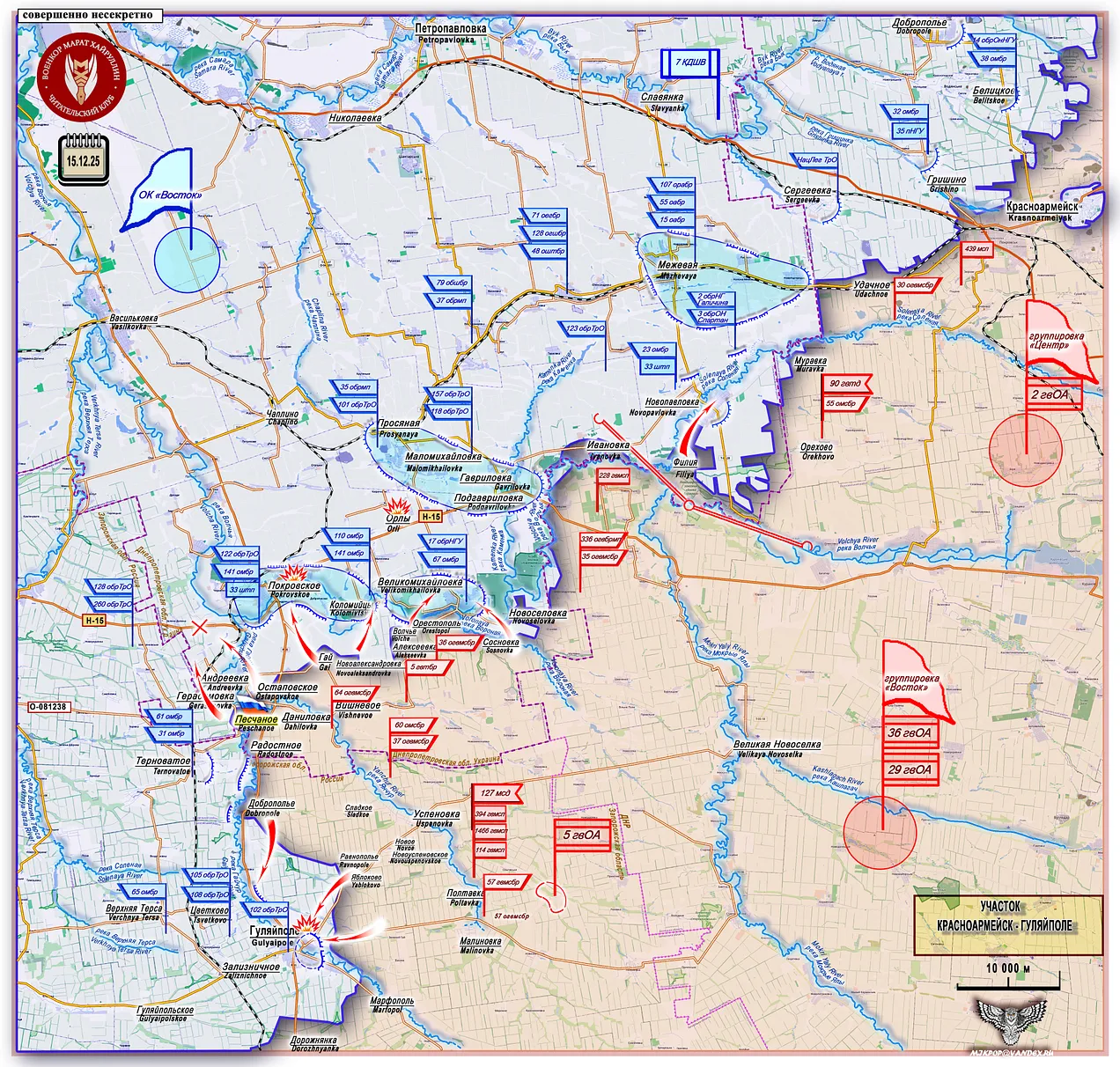
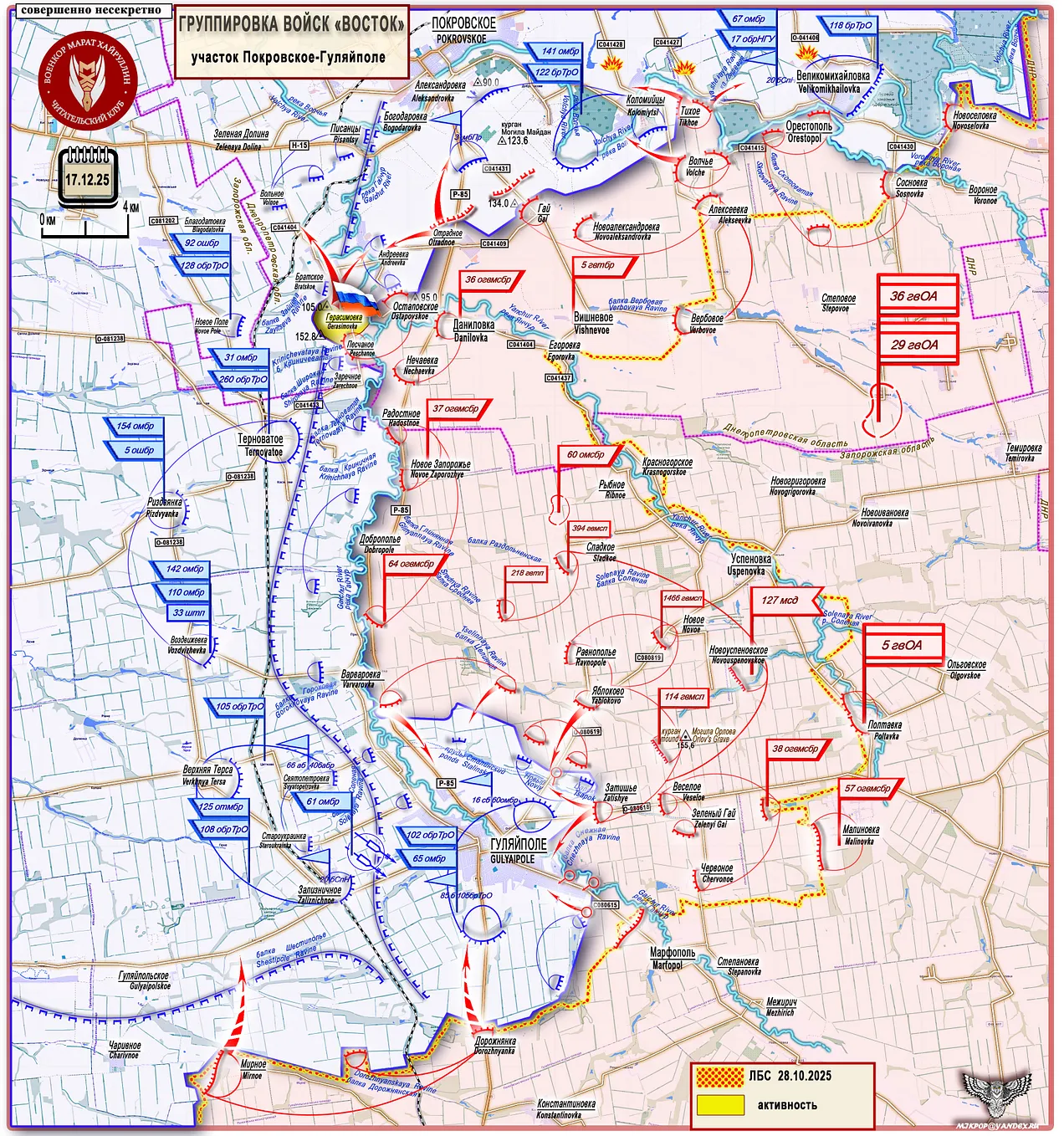
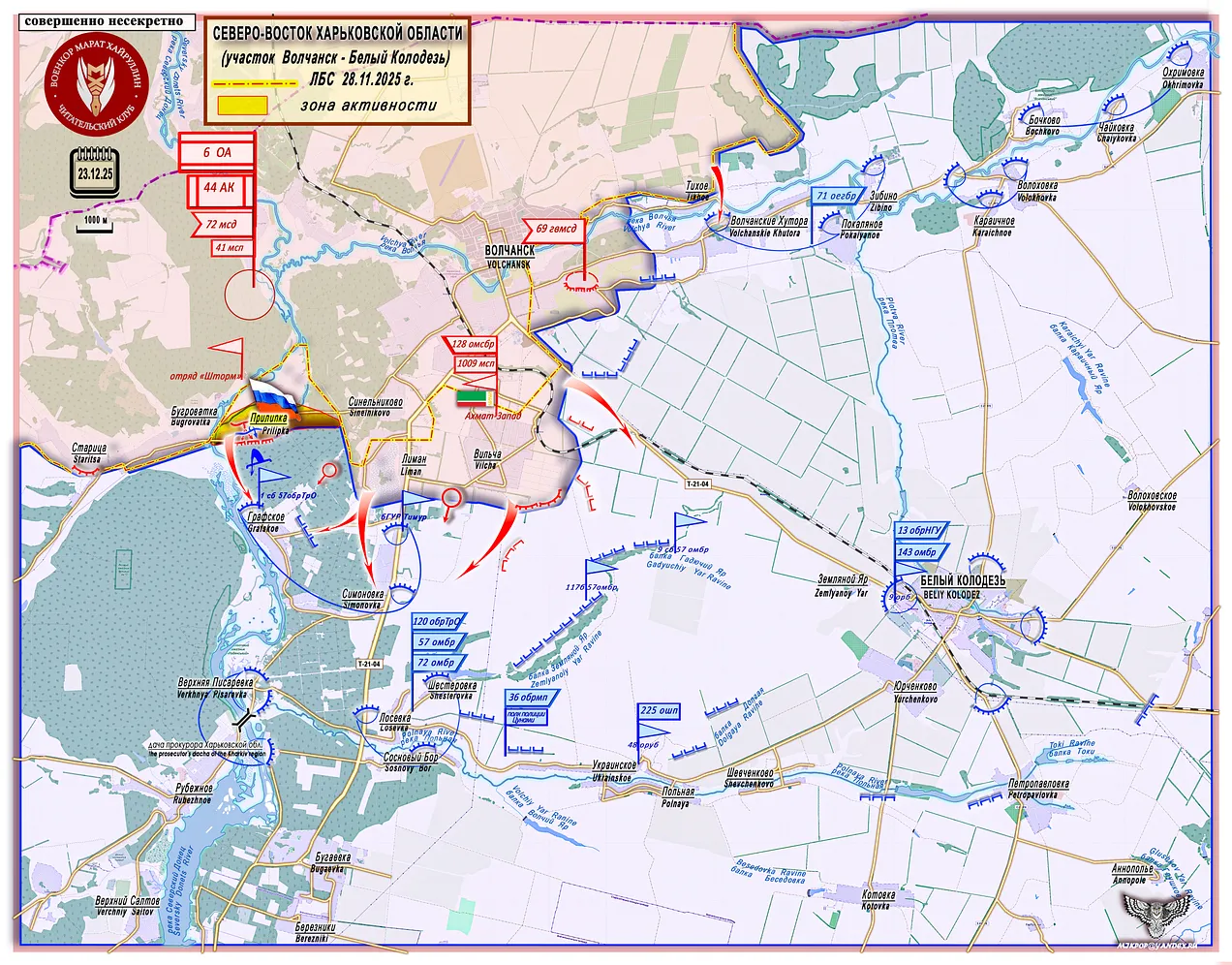
Map legend: the yellow line with red dots, ЛБС 28.10.2025=Line of Combat Contact October 28th, 2025. Yellow=Activity.

Image
Krasnoarmeysk (Pokrovsk) to Gulyaipole

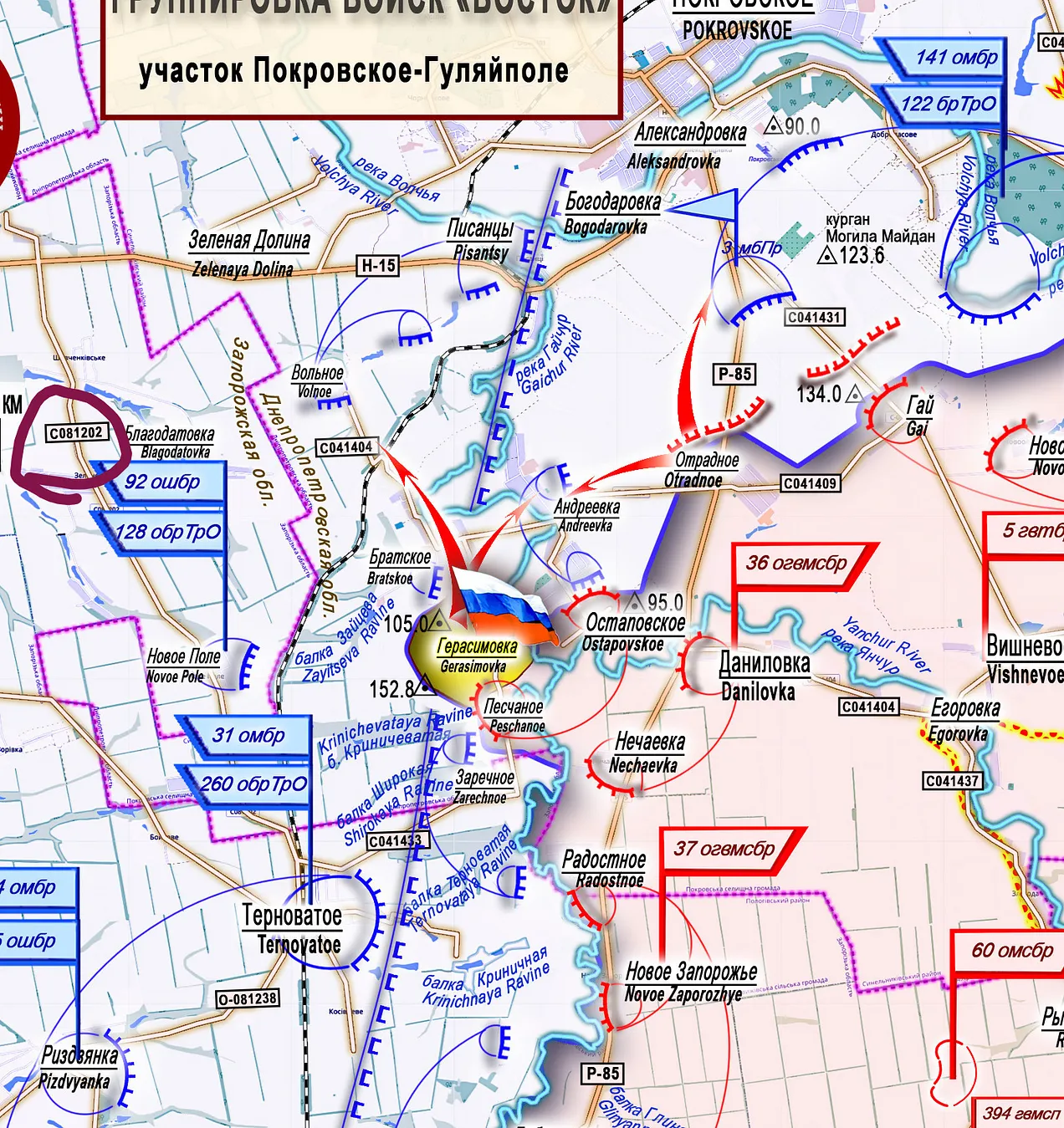
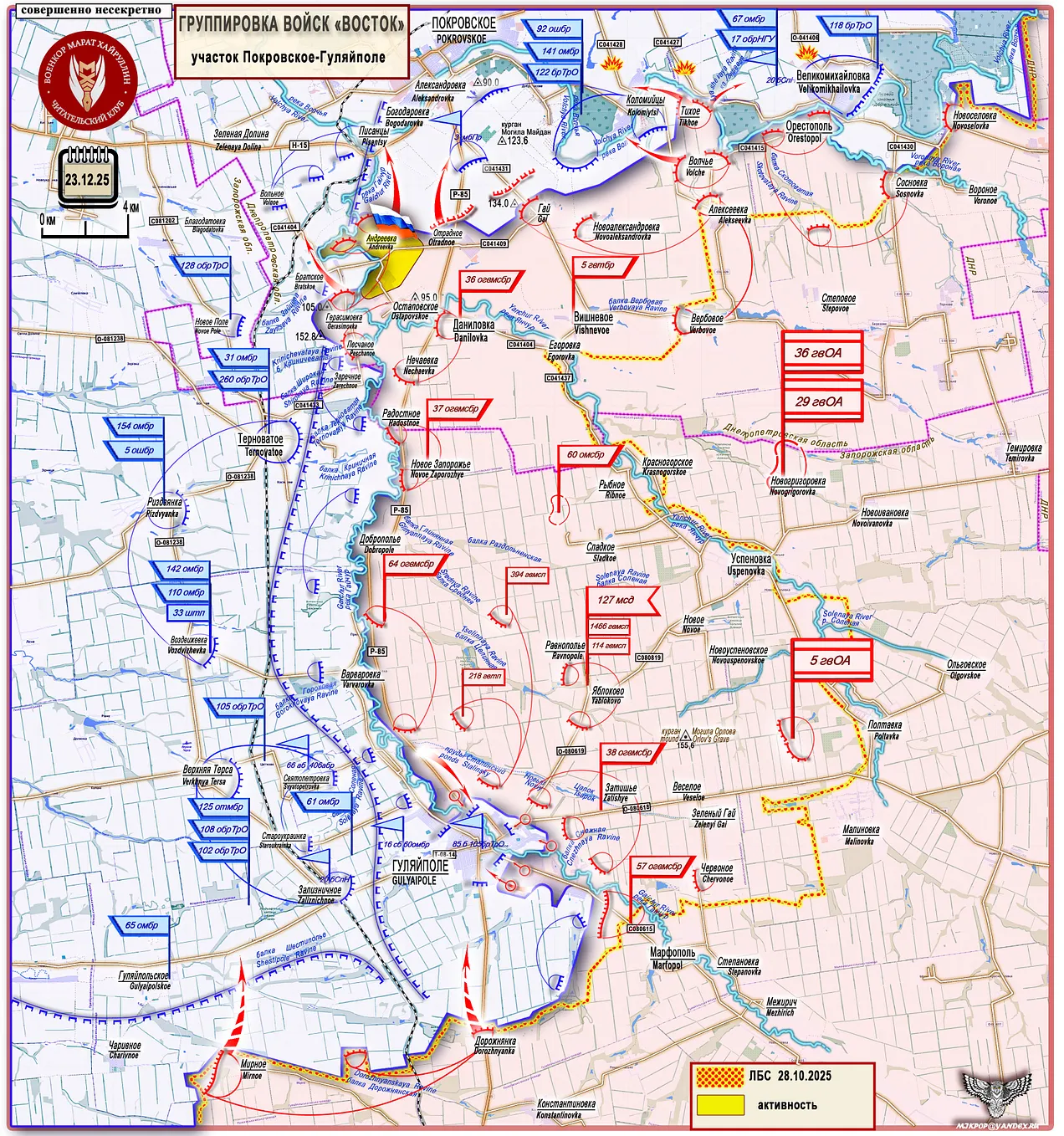
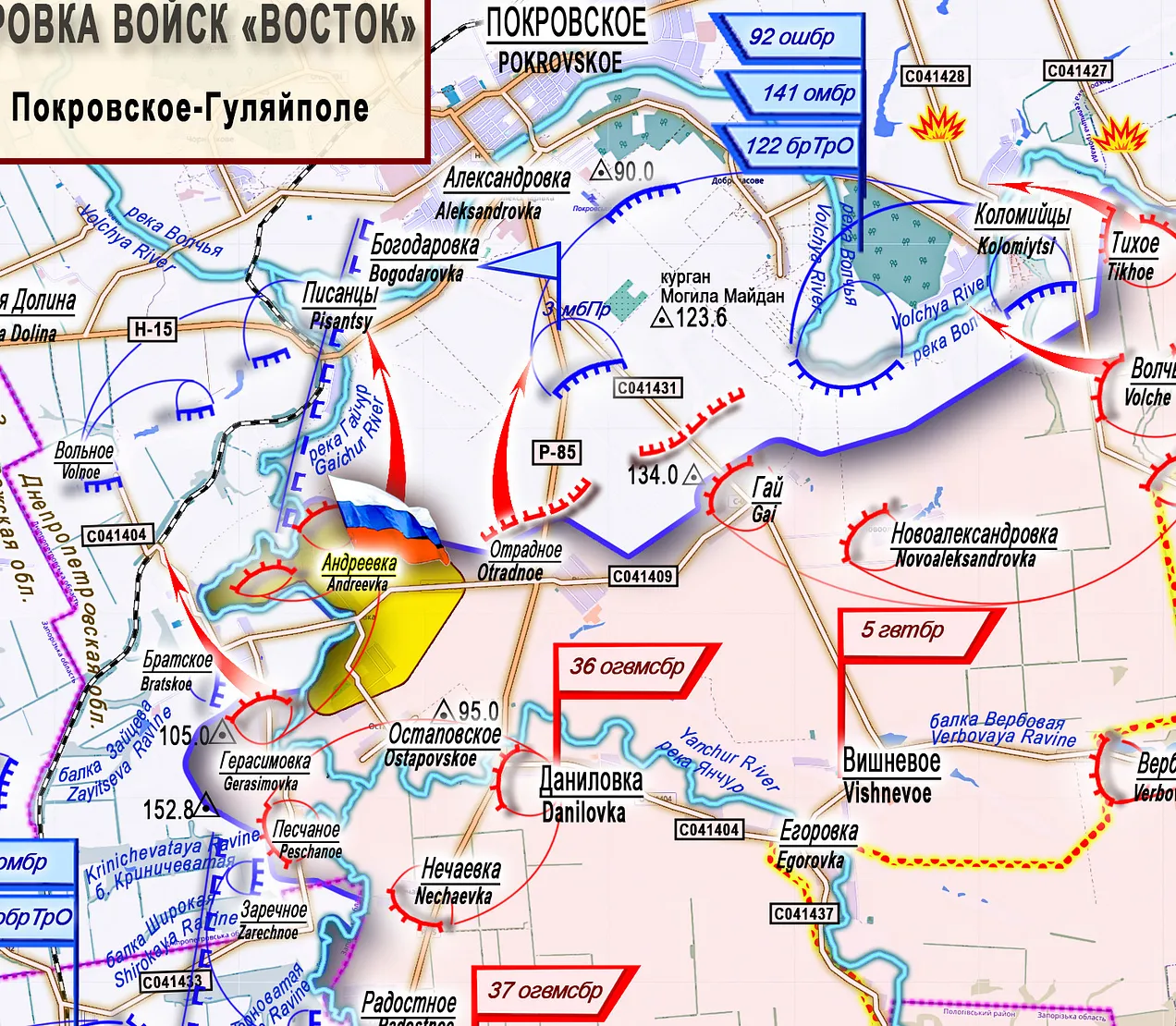
Message from the Russian Ministry of Defense: "Assault units of the 36th Guards Motor Rifle Brigade of the 29th Army of the 'East' Group crossed the Gaichur River and established control over a Ukrainian Armed Forces stronghold in the Peschanoe settlement in the Dnepropetrovsk Oblast.

As a result of the battles, seven pieces of military equipment and more than twenty heavy hexacopters of the 'Baba Yaga' type were destroyed.

The capture of this area expanded the zone of control on the western bank of the Gaichur River and created conditions for further assault operations in this direction."

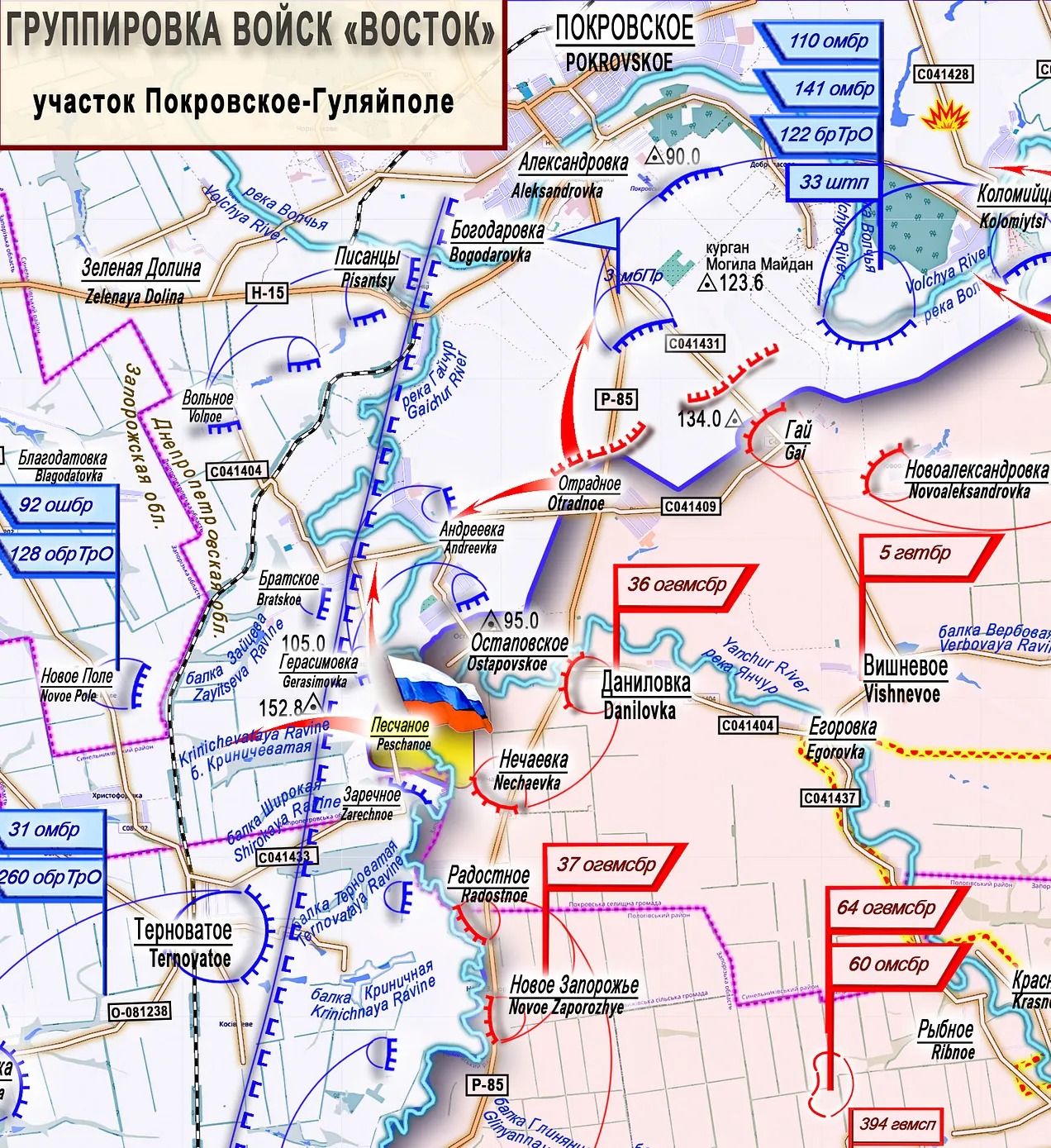
On December 9, the Russian Armed Forces liberated the settlement of Ostapovskoe. This advance down the Gaichur River, flanking the settlement of Andreevka, where the enemy had set up a well-fortified defense area, clearly aimed to reach the strategic route, highway H-15 (Zaporozhye - Pokrovsk).

Image

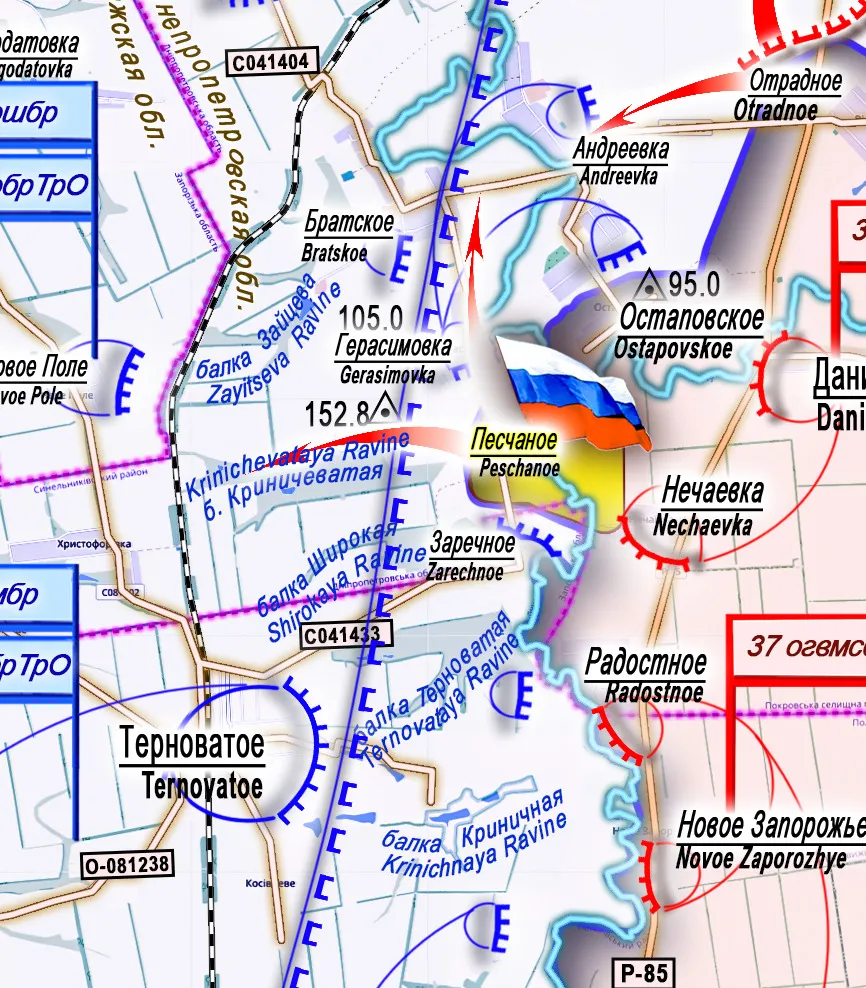
The enemy's positions in the defense area of Bratskoe - Gerasimovka - Peschanoe, located on the opposite (higher) left bank of the river, complicate the task of the Russian units advancing on this route. Covered by the riverbed, the enemy has the opportunity to fire directly at the advancing Russian units from all artillery systems and tanks.

On December 15, assault groups of the Russian Armed Forces crossed the Gaichur River and liberated the settlement of Peschanoe (47°51′51″ N, 36°10′44″ E, about 15 residents), one of the strongholds of the defense area. The C041433 road Ternovatoe - Peschanoe - Andreevka runs through this settlement. By capturing this stronghold, the assault troops of the 36th Separate Guards Motor Rifle Brigade cut off the Andreevka stronghold from supplies and deprived the enemy group located there of the possibility of deep maneuver. Under the control of Russian soldiers, the Krinichevataya ravine, which begins from the railway embankment, west about 4 kilometers, encloses the base rear area of Ternovatoe from the north.

Image

What could follow from this? Expansion of the bridgehead to the south (settlement of Zarechnoe) and advance along the C041404 road to the north towards the area of Gerasimovka - Bratskoe and encirclement of the settlement of Andreevka along with supporting actions from the settlement of Ostapovskoe to Andreevka are possible. The exit to the line of Ostapovskoe - Andreevka will ensure the Russian grouping fire control over a section of the H-15 route.

Image

The activities of the Russian Armed Forces units in this area are pinning down the Ukrainian Armed Forces north of the settlement of Gulyaipole, preventing the enemy from maneuvering to support the group in the city, which has already been practically driven out of it.

https://maratkhairullin.substack.com/p/ ... ember-15th

******

Mafiosi commanders, expendable troops

Intl volunteers and deserters transferred to the assault forces. Siversk, Myrnograd, Kupiansk.
Events in Ukraine
Dec 15, 2025

Today we’re taking a trip to the trenches.

Desperate to convince Washington and the Europeans that not all is lost, no cost is too high if it can lead to globally broadcast ‘victories’. Troops die in the name of a village or part of a town, only for it to be lost the next week.

Though many officers are unhappy, not to speak of the groaning masses of mobilized infantry, Zelensky can count on the small-time goons from organized crime he has put in charge of the army. Such individuals don’t question orders, and they don’t cringe at sending subordinates to their death.

That’s classified
Judging from the numbers, or rather their lack, morale isn’t great.

Statistics on the number of desertions and AWOL are meant to appear at the start of this month. But this December, no figures came out for November. Perhaps unsurprising, given the dramatic record hit by October — over 20,000 in one month.

That’s why on December 10, Ukraine’s General Prosecutor officially confirmed that the statistics for this embarrassing phenomenon have been marked classified for ‘national security’ reasons.

Image

Troops probably have good reason to abandon the frontlines. Western media likes talking about the Russian army’s indifference to wasting human lives, but Ukrainian troops are abandoning their army at a much faster rate.

Some say this is because Russia punishes deserters more harshly. Indeed, given the scale of the phenomenon (more than 200,000 cases of recorded desertion and AWOL in 2025 alone), Ukrainian high command has been unable to use repressive measures. Instead, they have tried to coax them back into the army, constantly extending deadlines for absent troops to return without punishment, or at least the threat of punishment.

One of the main methods for ensuring the return of deserters was by promising that they could choose which unit to return to. This was demanded by many in the army, who pointed out that desertion was often caused by the brutal practices of certain commanders. One officer I translated in a 2024 article told Ukrainian media that 90% of commanders ‘treat their subordinates like animals’, beating them constantly. I’ve covered just how systematic torture and extortion in the army is here.

Image
A famous photograph from a torture-extortion scandal in the Ukrainian army I covered here

The hungry dancer
However, the option of choosing a better unit seemed to remain a purely rhetorical show of democratism - as usual in Ukraine. I’ve seen plenty of complaints by soldiers that it was in fact not possible to choose a different unit after returning from desertion/AWOL.

And faced with a collapsing army and imaginary carrots, Ukrainian high command has been experimenting with more use of the stick.

In September, parliament returned the criminalization of desertion. However, it seems that the scale of desertion have made it impossible to implement in practice.

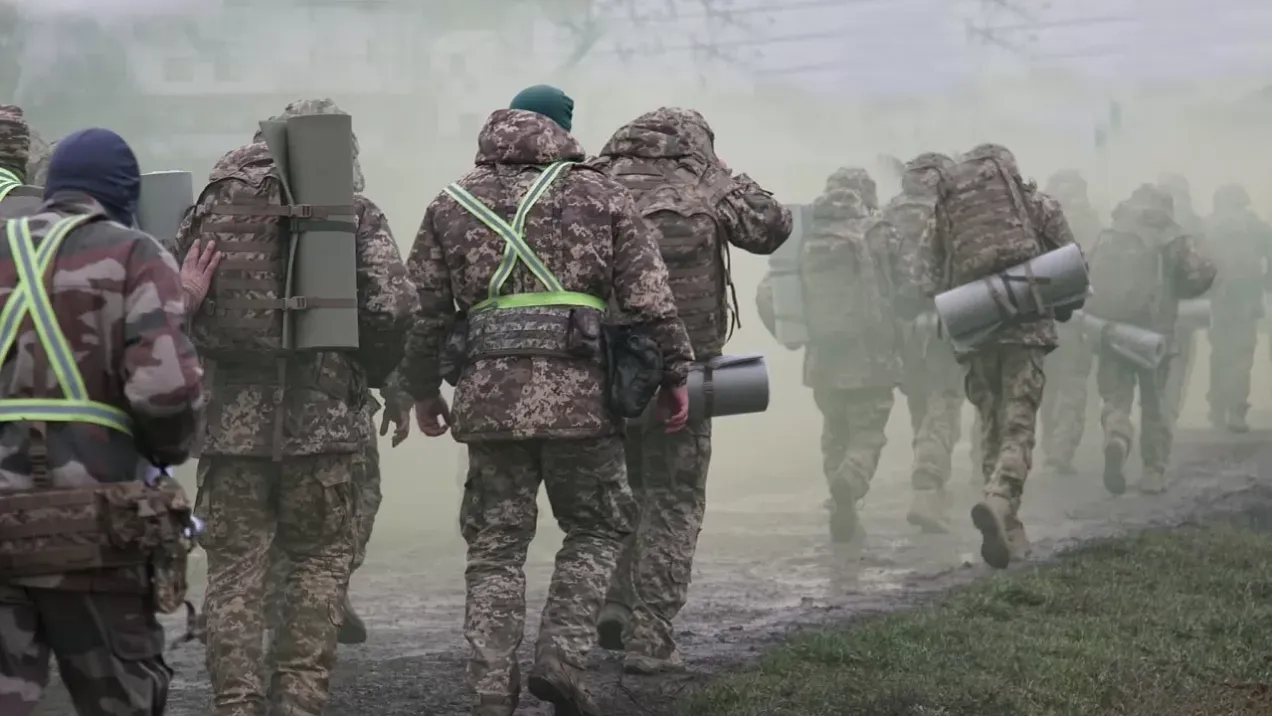
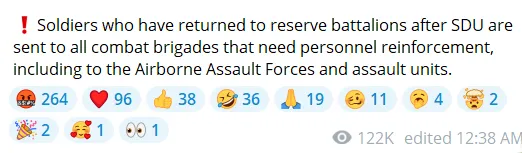
And on December 12th, the army finally put things plainly — those returning from desertion no longer have the choice of which unit to join. “These changes make it inappropriate for soldiers to commit desertion in the hopes of transferring to a chosen military unit.”

Instead, they are to be sent where they are needed most…

Image

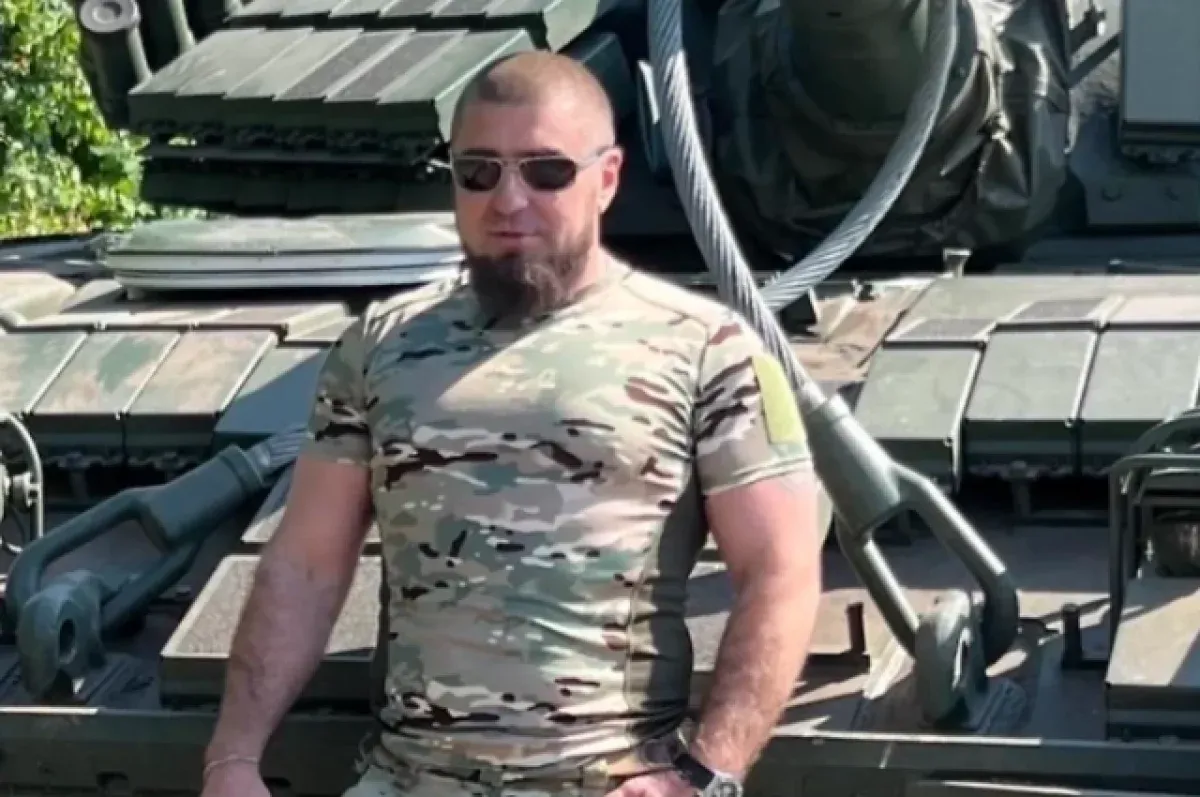
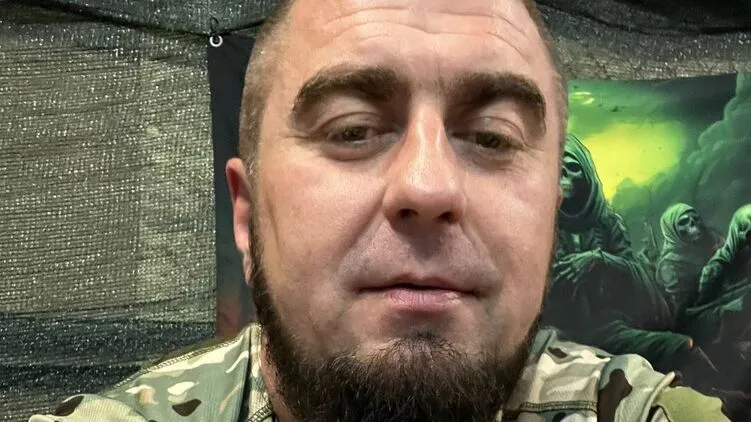
That’s right, returnees are to be sent to the assault troops, those very same forces under the commander of Valentin Manko, a man who just a few years ago was being searched for by INTERPOL due to his violent racketeering against frontline civilians.

Image
Manko, a man you can trust

A man constantly causing scandals in the Ukrainian for his absurd online behavior.

Image
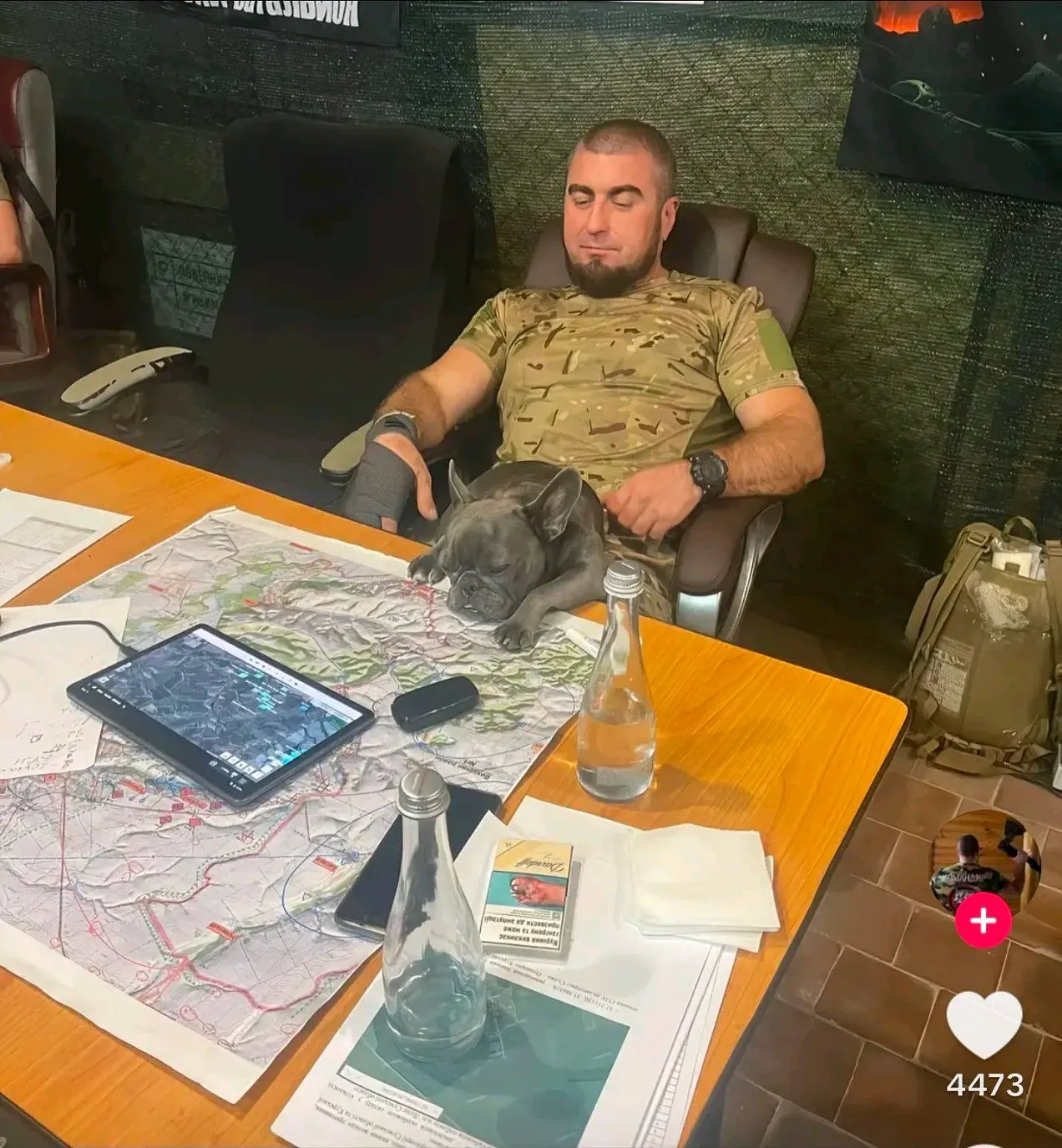
In late October, Manko posted maps marked ‘classified’ to tiktok. The ladies love French bulldogs probably dominated his mind at the time

The assault forces constantly criticized for their indifference to human losses, who apparently even shoot soldiers from other units that dare to retreat. The assault forces, whose only task is to retake land to make a good picture for the western press.

Luckily, commander of the assault forces Manko is also quite a good dancer. His tiktok is well worth a follow, though many patriotic Ukrainian were unhappy that the following video was recorded with a vulgar Russian song playing. (Video at link.)

Anyway, Manko’s stellar frontline performance (ie, his exceptional willingness to send his troops to their death) means that the assault forces have prioritization for freshly mobilized troops and those returning from desertion. Other commanders are naturally jealous.

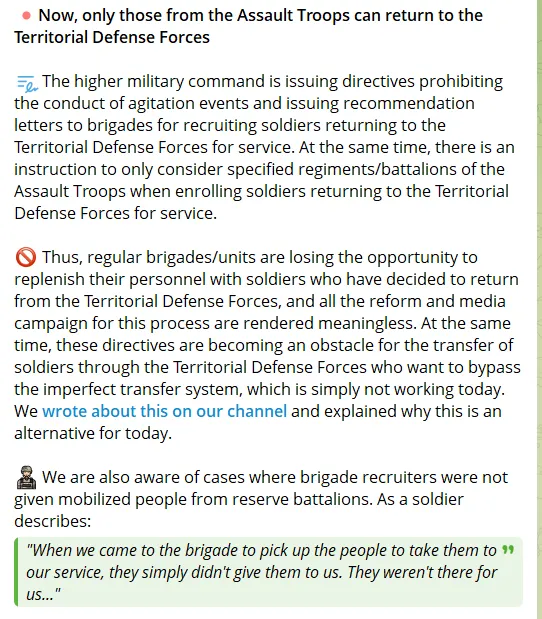
In fact, the assault forces are so desperate for troops that Manko has convinced Syrsky to ban ordinary, non-assault brigades from advertising their units to AWOL soldiers returning to service. DeepState, Ukraine’s largest military analysis platform, wrote this on December 11:

Image

On December 12, Deepstate wrote the following complaint to its 800,000 followers:

The instruction to give priority to certain “assault troop” units has nothing to do with fair distribution at a time when brigades are crying out about manpower shortages and losing positions because of it. In practice, a large number of cases have been confirmed where frontline brigades are not being given personnel, even though for many brigades reinforcements from AWOL returnees were precisely the last breath of air in their need for fighters.

Image

The ravenous dancer
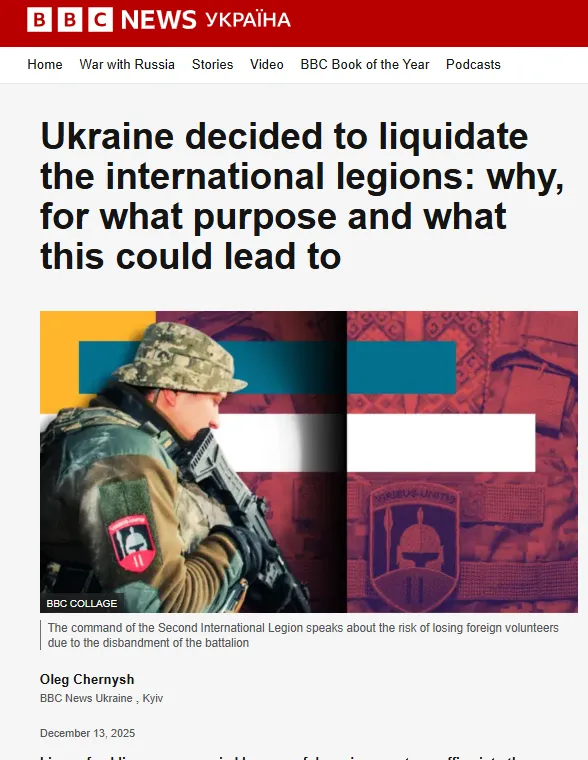
Manko’s forces are certainly hungry. Over the past few weeks and especially the past few days, media sources including DeepState, BBC Ukraine and Ukrainska Pravda have reported that the much-feted International Legion was being dissolved by the General Staff.

Image

And where are the hapless foreign fighters to go? You guessed it. The Ukrainian army’s greatest dancer. (Video at link.)

Ukrainska Pravda wrote a few days ago that ‘military analysts, volunteers, and the soldiers themselves have told us that units that are fighting and recruiting foreigners are suddenly being liquidated, and the soldiers are being transferred to assault units’. Manko is thought to be the initiator of this reform.

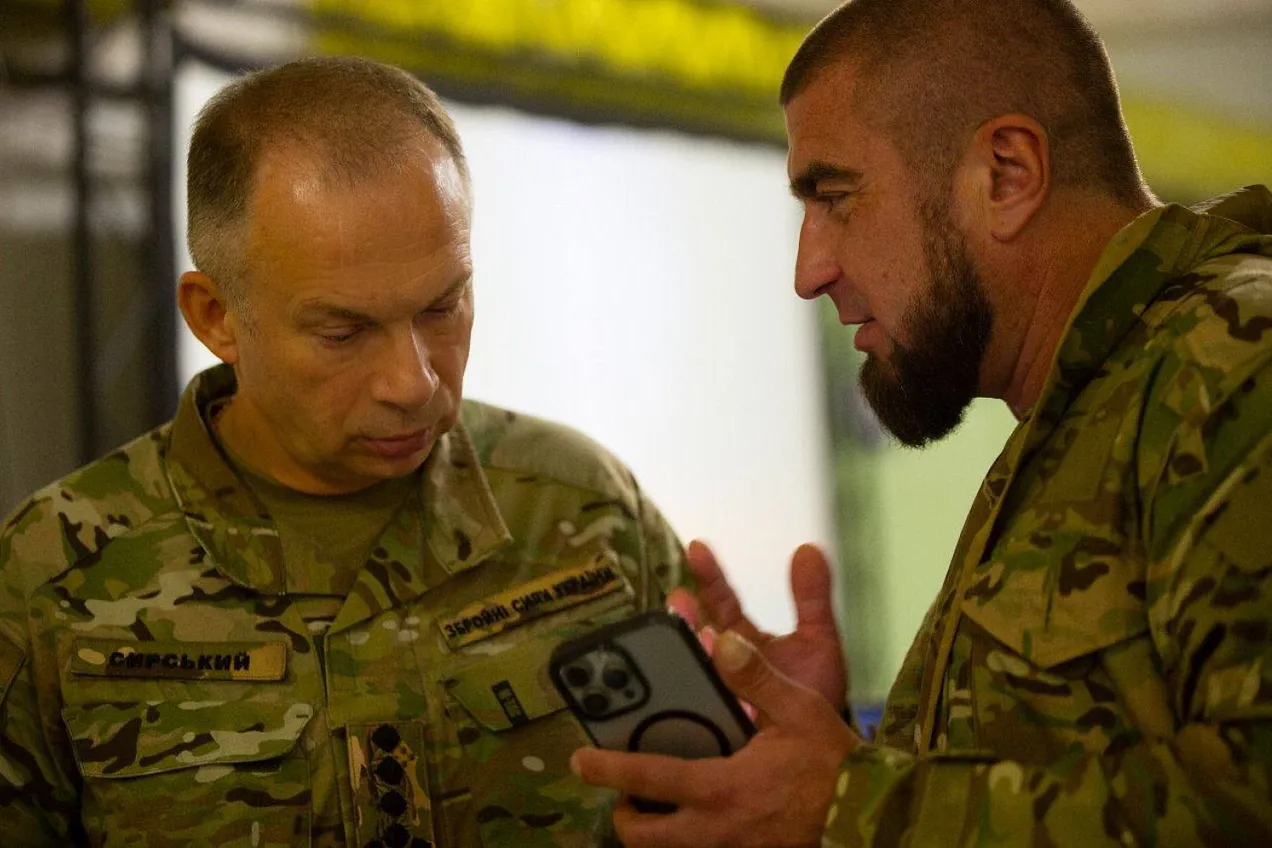
Head of the army Oleksandr Syrsky, thought to be quite fond of Manko, apparently sent a directive to the foreign legions on October 30 about their liquidation by the end of 2025. Journalist Yuliya Kiriyenko wrote today that the controversial assault forces are to be expanded with another unit, hence the need for fresh meat.

Image

Syrsky and Manko share a tender moment
The aforementioned BBC article is quite clear why being sent to the assault forces isn’t seen as a reward:

One of the soldiers of the Second International Legion (Ukrainian by nationality) was more frank about the reasons why the unit’s fighters are not eager to join the assault troops.

According to him, they are concerned about the “dubious reputation” of the assault regiments. They are talking about supposedly high losses, the cruel attitude of the command, and the high percentage of the so-called “special contingent” among the assault troops, that is, people who went to the front from places of imprisonment.

“It’s no secret that the assault troops are largely recruited from criminals, people with criminal records... That is, on the one hand, we will have a de facto “penalty battalion”, and on the other - foreigners who came at the call of their own conscience, who understand how unjust this war is and are ready to risk their lives for the sake of Ukraine. These are different people and there should be radically different approaches to them,” he says.

In his opinion, the “tough approach” to personnel, which is practiced in assault units, will absolutely not work with foreigners.

“People will simply be offended, turn around and leave. How is it morally acceptable to put volunteers and criminals on the same level?” - the legion representative is indignant.

The commander of the 475th assault regiment, where a number of international legionnaires have already been sent, responded indignantly to claims of high losses:

“For example, in the last direction where we work, we have a ratio of losses to the enemy of 1 to 38. Other units are shocked by such figures,” Mishchenko noted.


No doubt.

Image

Redditors to the trenches
I was curious what the international legionnaires themselves think about this.

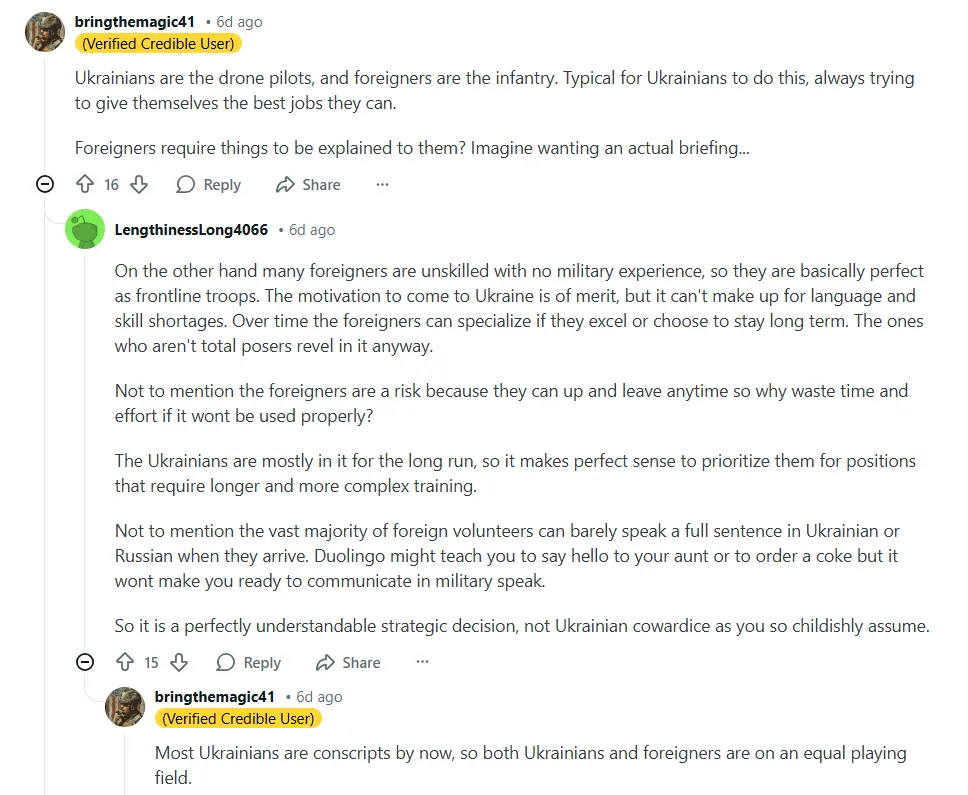
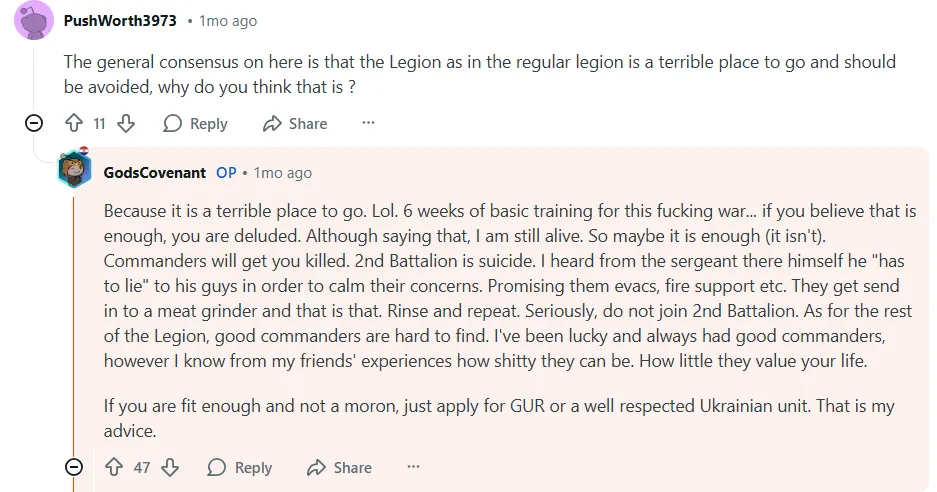
The International Legion has long been somewhat synonymous with reddit.com. On /r/foreignlegion, users have been complaining that the latest move is just another case of the Ukrainians throwing foreign war tourists into the trenches. Of course, one must wonder what exactly they expected:

Image

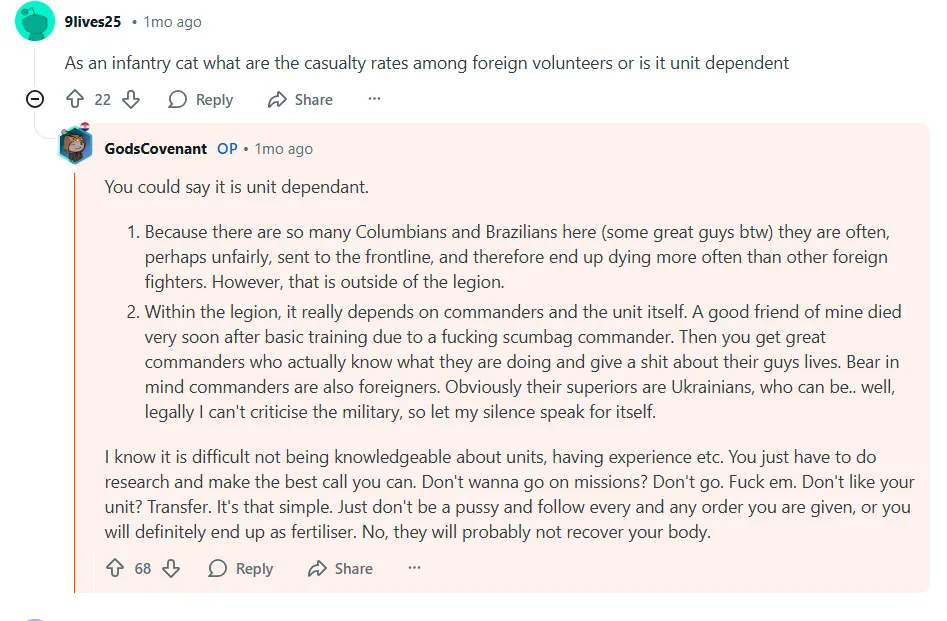
Another recent question and answer thread from a noted veteran of the foreign legion also displayed some of the usual complaints about murderous incompetence:

Image

It should be noted that the Foreign Legion which has been dissolved is that under the aegis of the Land Forces. There is still a Foreign Legion part of the Main Intelligence Directorate (GUR). As you can see, the above user recommends joining it instead (dear readers, I do not back him up).

Naturally, it is the Latin Americans who suffer most:

Image

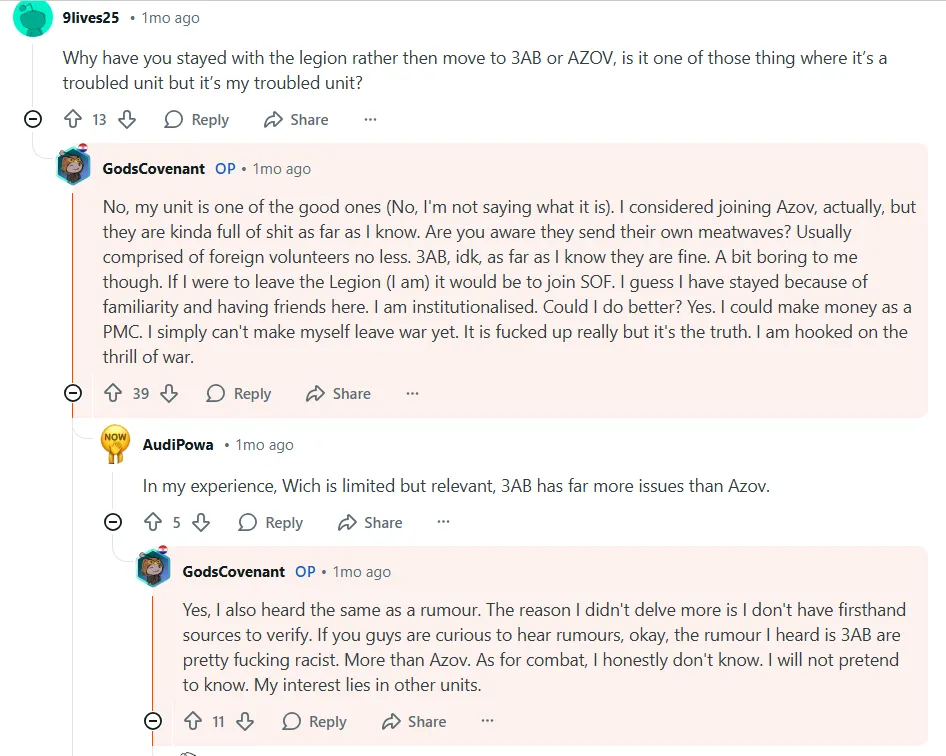
Interestingly, that same poster claims that Azov, particularly ‘the White Fuhrer’ Biletsky’s Third Army Brigade (3AB), is filled with violent racists who send their troops on suicide missions:

Image

Quite the contrast from the usual narrative that the Azov supersoldiers suffer barely any losses, unlike the Russian ‘Soviet-style’ army and other Ukrainian ‘Soviet’ units. But I think it is quite likely. After all, Azov (the 1st National Guard Corps) and Biletsky’s Third Army Corps pride themselves on assault operations and gloriously retaking land. You can’t do that without plenty of death. And anyway, what is the Azov family if not a death cult?

Image
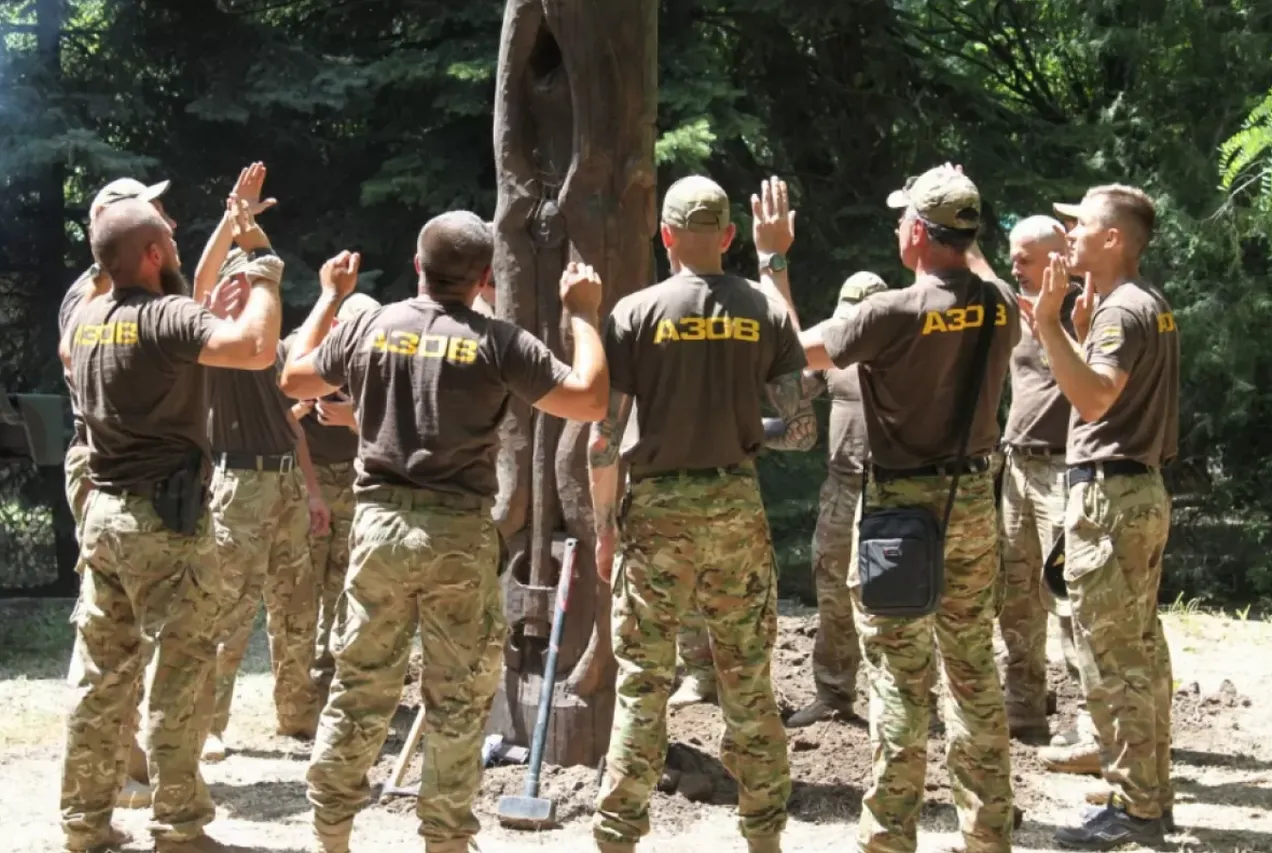
Azov ceremony erecting a monument to Perun, the Slavic pre-Christian god of war

Frontline events
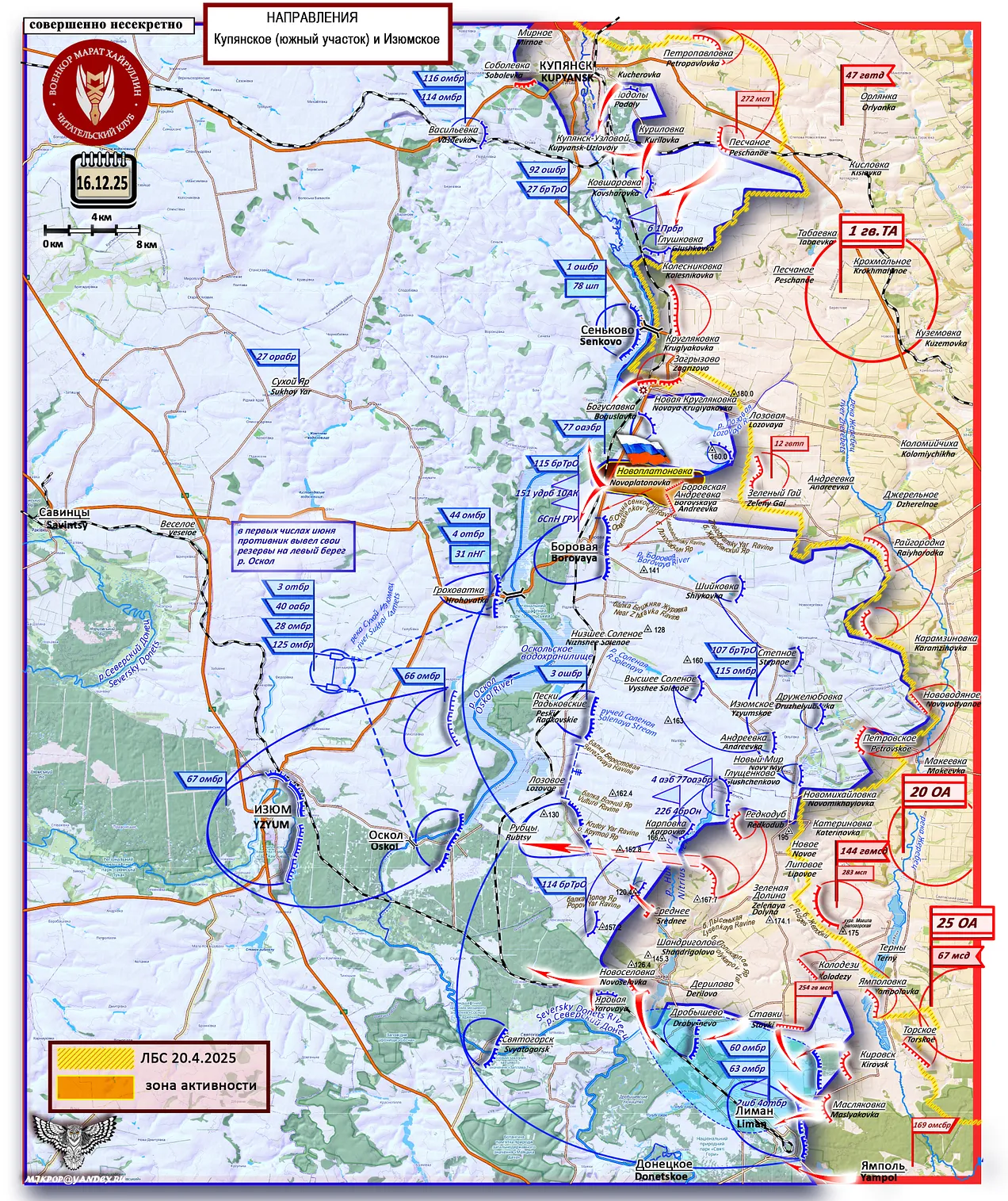
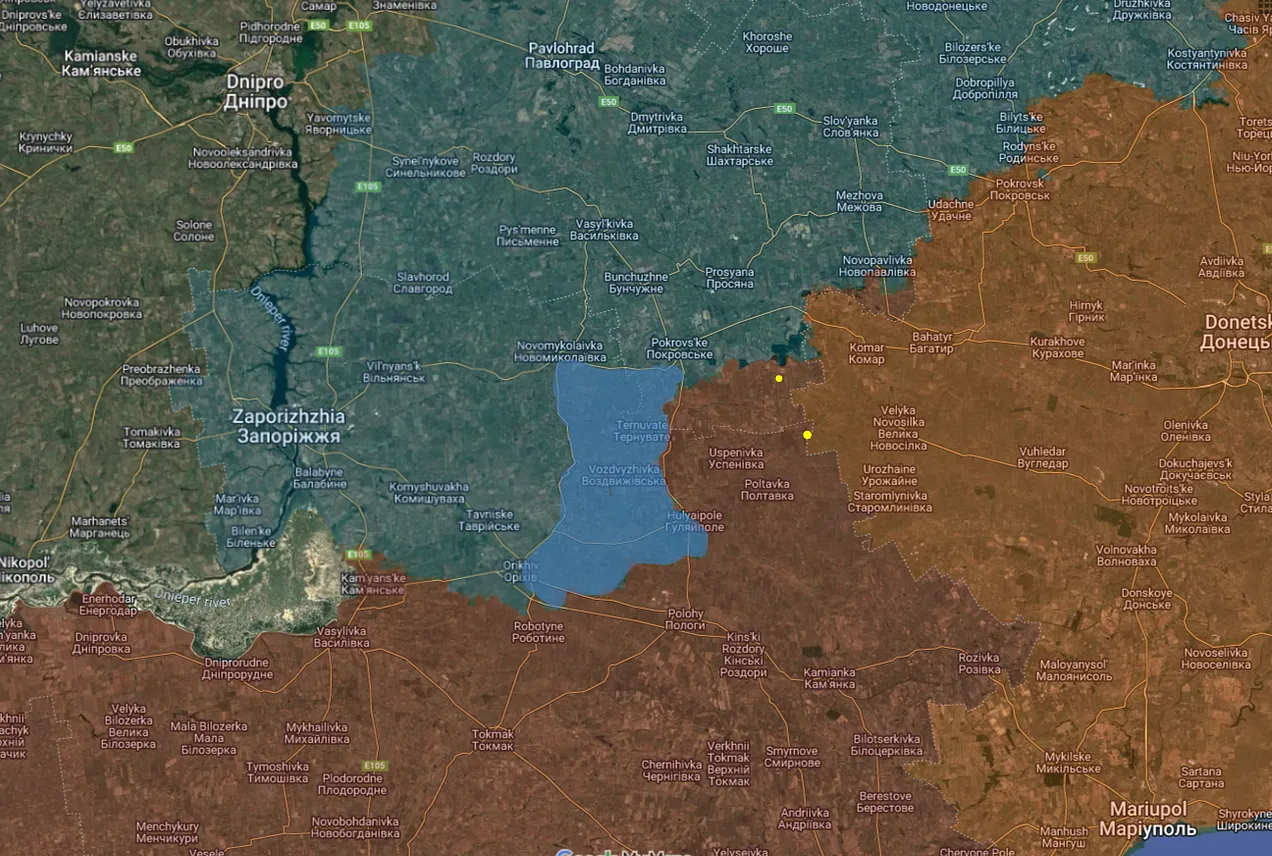
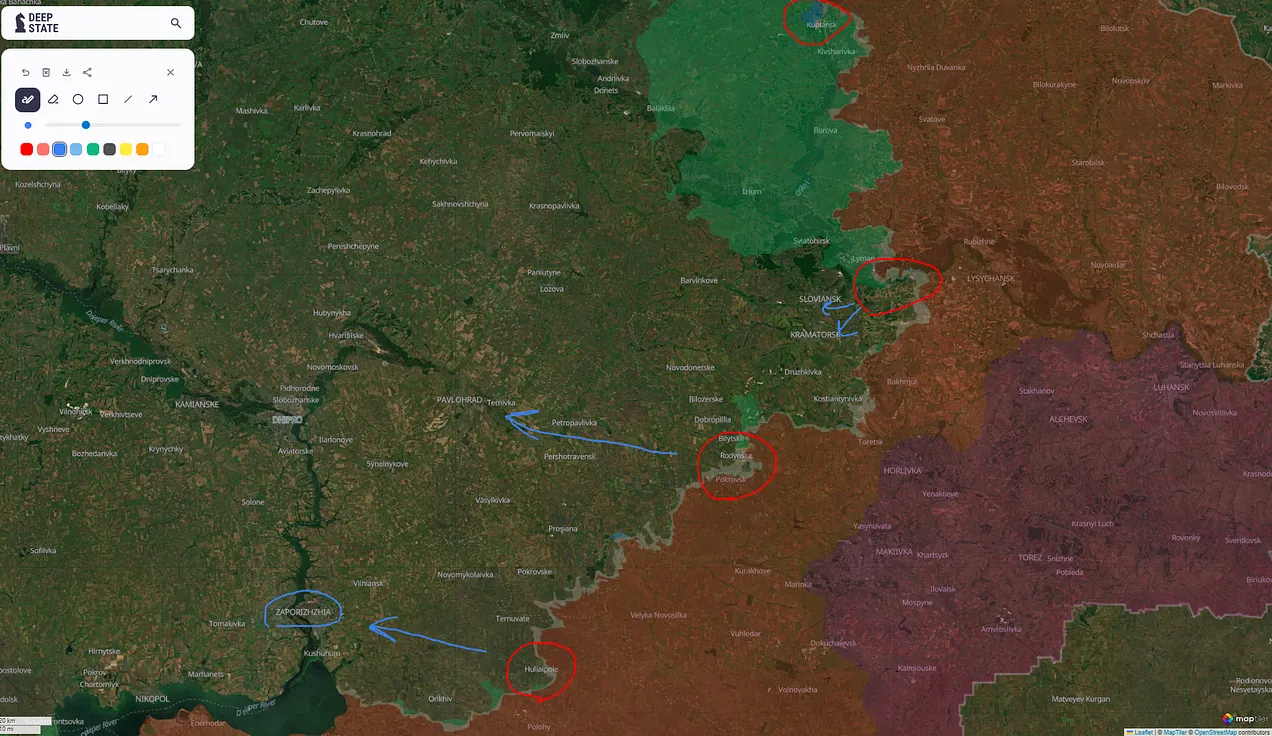
Over the past few weeks, the situation has worsened for Ukrainian troops in the southern Zaporizhzhie oblast (Huliaipole), the southern Donetsk oblast (Pokrovsk), and the northern Donetsk oblast (Lyman). A few days ago, Ukrainian forces claimed to have retaken part of the Kharkiv oblast city of Kupyansk, in the north, which is probably at least partly true.

Image

Russian troops made incremental progress across the frontline. You can see a slideshow comparing December 1, 4, 8, 11, and 14 below: (Video at link.)

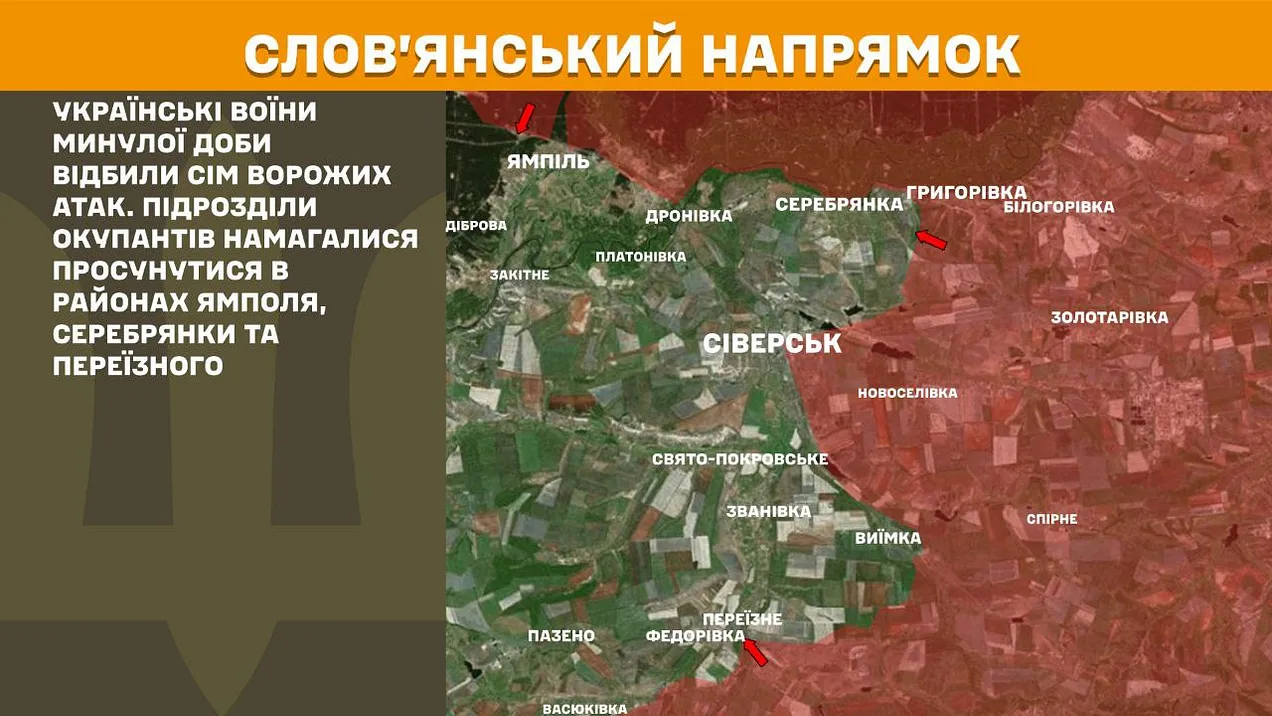
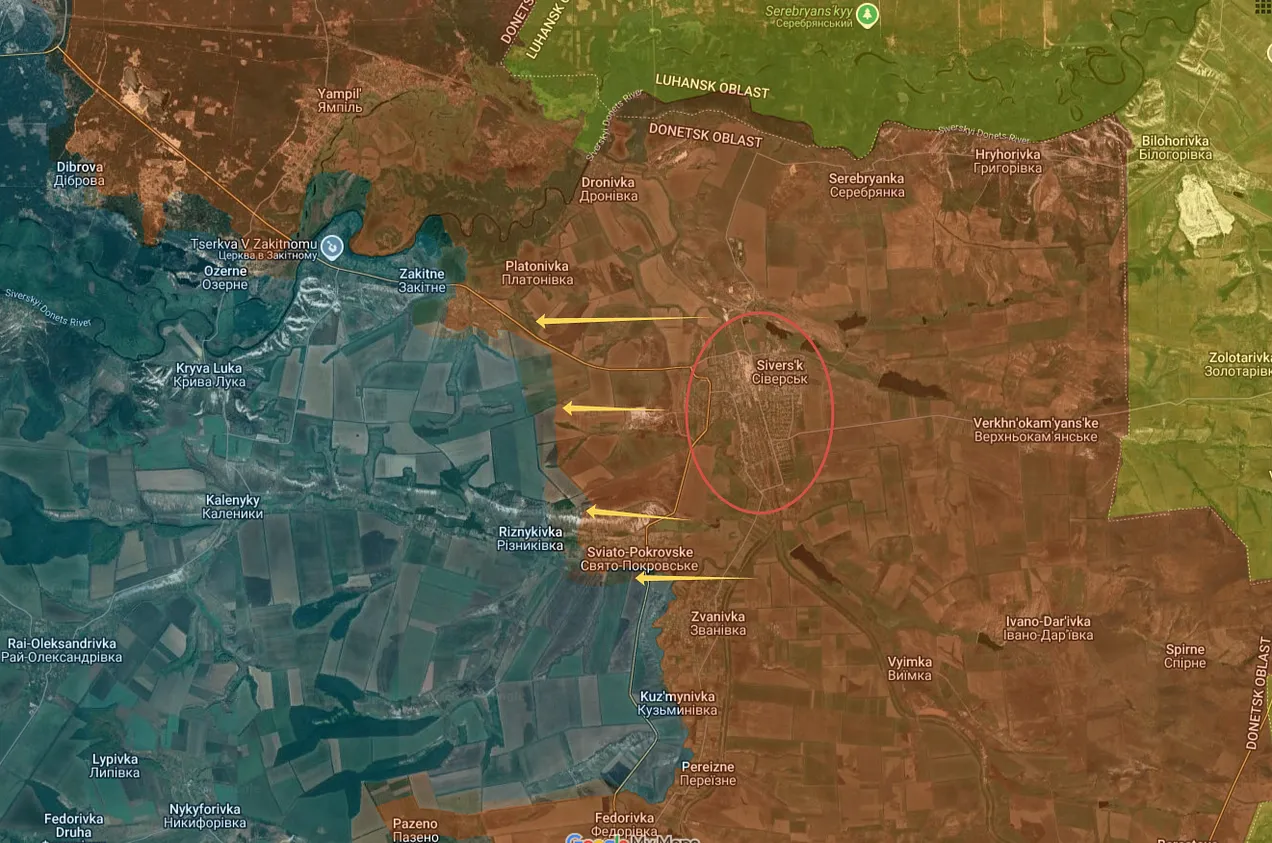
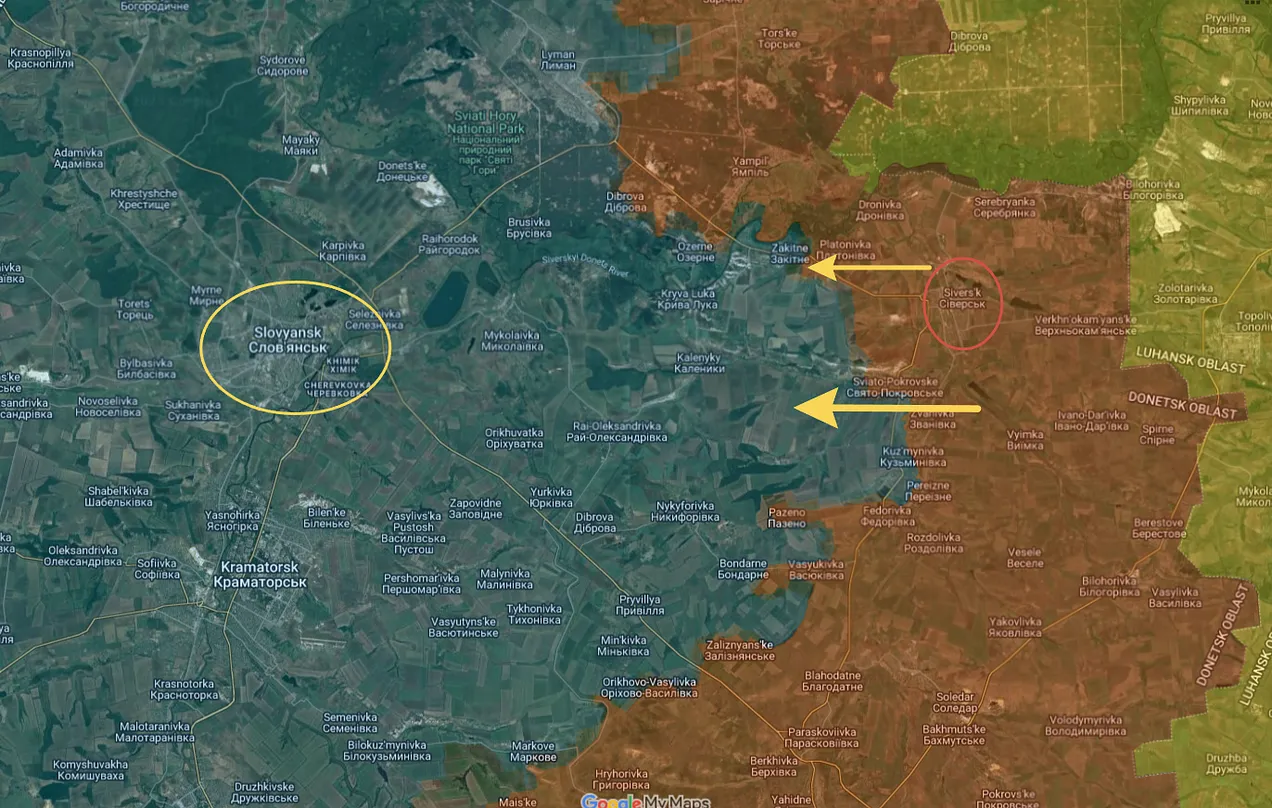
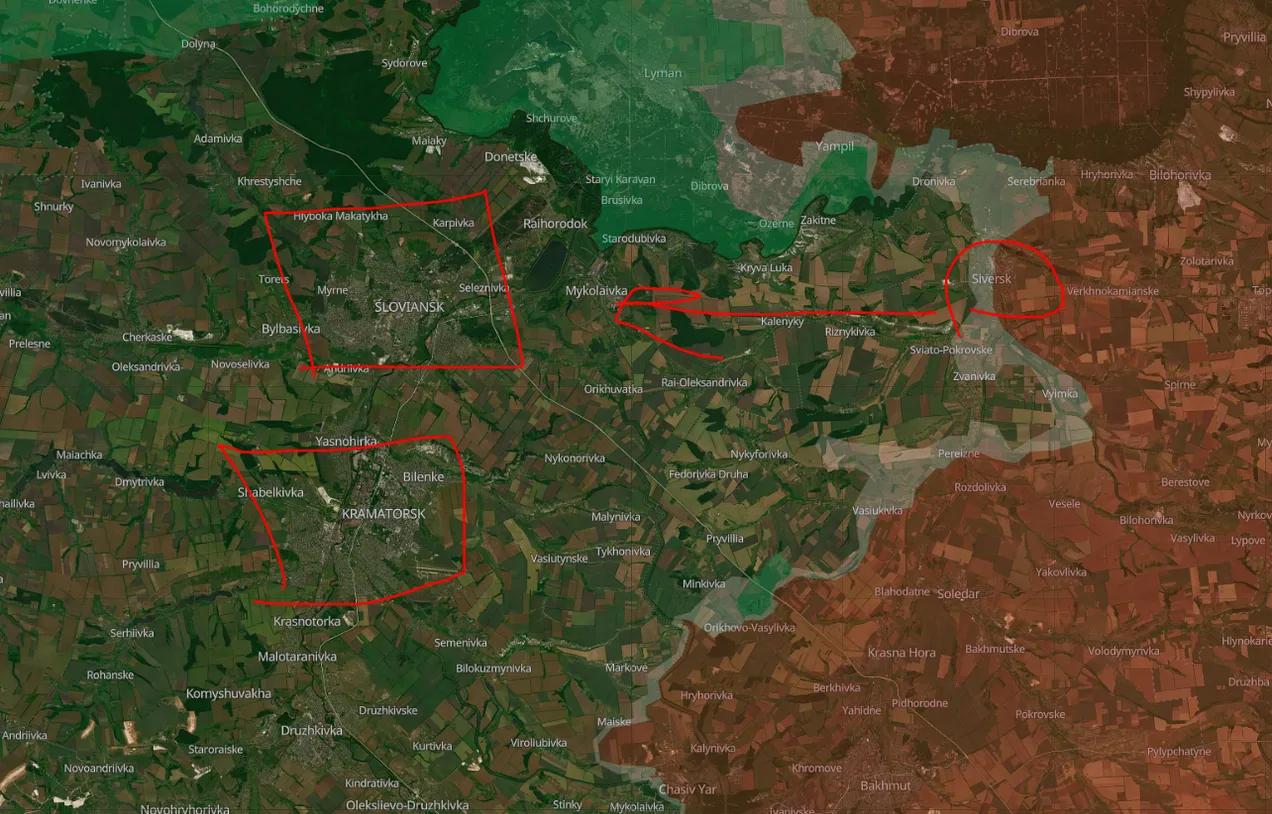
Over the past two weeks, particular progress has been made around the town of Siversk, towards the cities of Kramatorsk and Slaviansk. These last two are the last major cities of the Donbass not under Russian control.

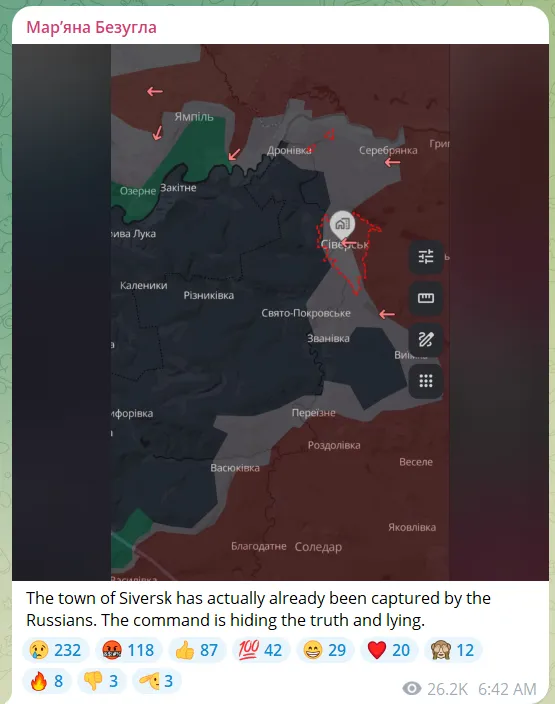
MP Mariana Bezuhla wrote on December 10 that the town of Siversk had been taken by the Russians, despite Ukrainian official claims to the contrary:

Image

This is a look at the strategic importance of Siversk — beyond it are the last large cities of the Donbass: Slovyansk and Kramatorsk.

Image

The General Staff, in contrast, claimed on December 10 that Russian troops were still distant from even the outskirts of Siversk. These are the sorts of highly accurate maps that Manko parades on tiktok — the result is that troops are sent on suicide missions to ‘hold’ positions that were long ago taken by the enemy.

Image

Meanwhile, respected frontline telegrammer ‘Eastern Forepost’ wrote on December 11 that the truth was closer to what Bezuhla said than the General Staff:

Image

And on the 12th, Eastern Forepost wrote that the city was totally lost:

Image

On December 14, frontline soldier Muchnoy Jugend erupted in rage at the whole situation - Siversk, other areas like Myrnohrad, troops returning from AWOL only to be sent to the bloody assault forces:

Image

By December 15, General Staff became at least slightly more realistic about Russian advances, though the center of Siversk apparently ‘still holds’:

Image

Logistics
Russia’s advances have largely been thanks to its progression in drone warfare, allowing it to destroy Ukrainian troops and supply lines tens of kilometers away.

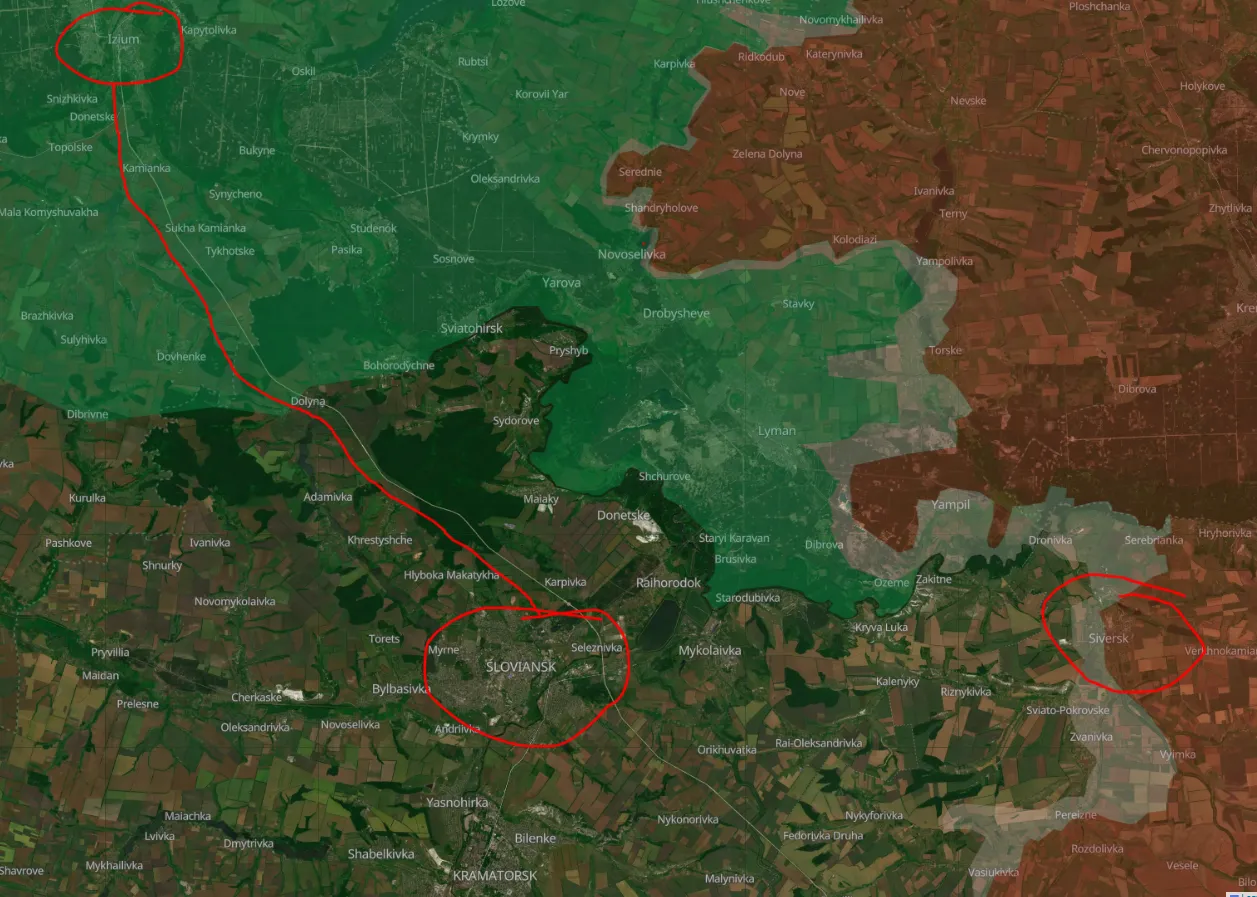
One of the most important routes is that linking Izyum in the Kharkov oblast to Slovyansk in the northern Donetsk oblast. Cut off, Ukraine’s last major stronghold in the Donbass is doomed. The highway is currently less than 20 kilometers from Russian positions around Novoselyvka, well within the range of drones.

Image

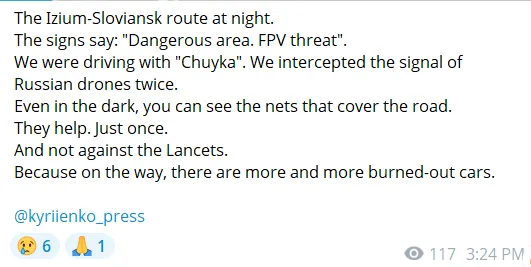
On the 15th, journalist Yuliya Kiriyenko wrote of the awful logistical situation on the crucial Izyum-Sloviansk highway: (Video at link.)

Image

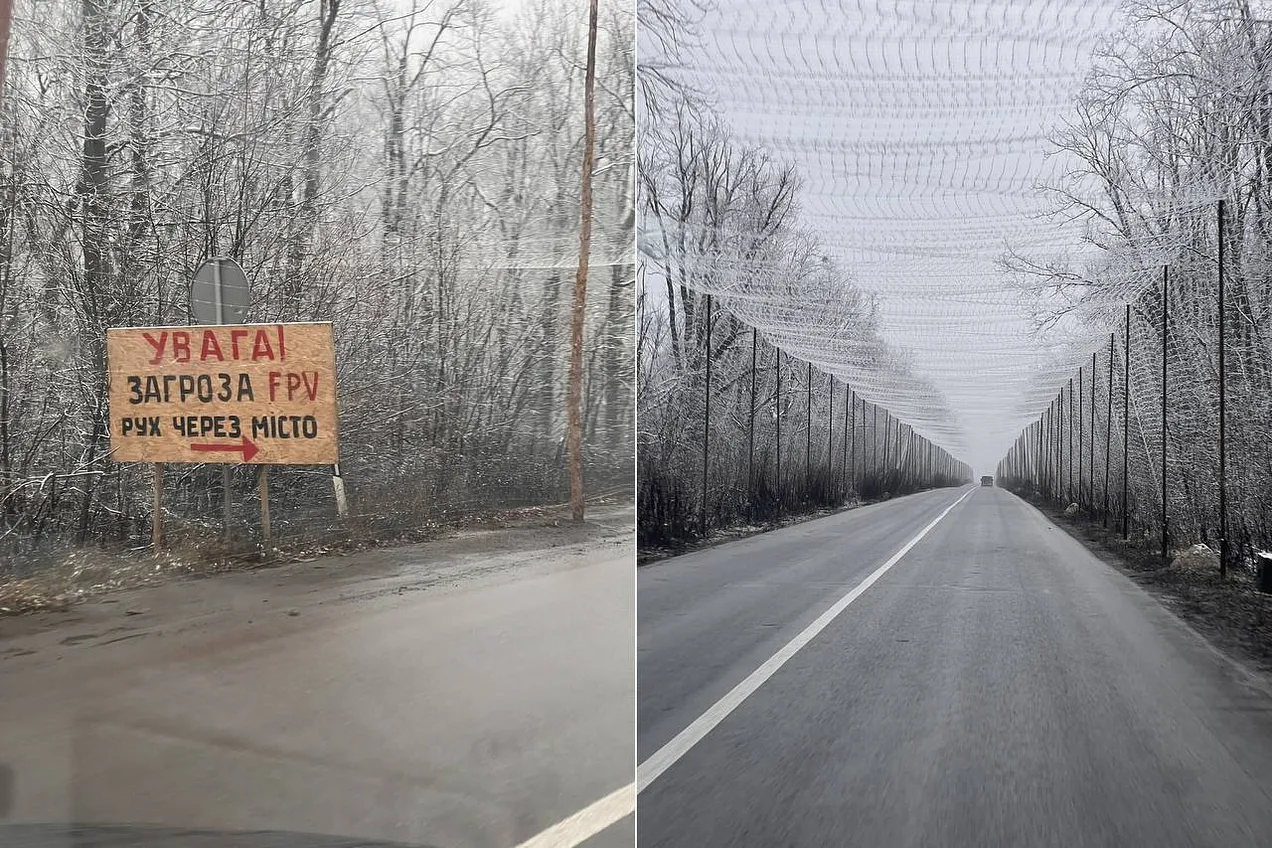
This is notable, given that on the 14th, military telegrams triumphantly announced that anti-drone nets had finally been erected on the highway. But as Kiriyenko points out today, they aren’t very effective, particularly against Lancet drones, one of the favored weapons in the Russian armory.

Image


Here’s a recent daytime video of the nets covering the Slovyansk-Izyum highway. These nettings, though relatively effective, generally have gaps at certain intersections and other spots allowing drones to enter: (Video at link.)

Victory at Kupyansk?
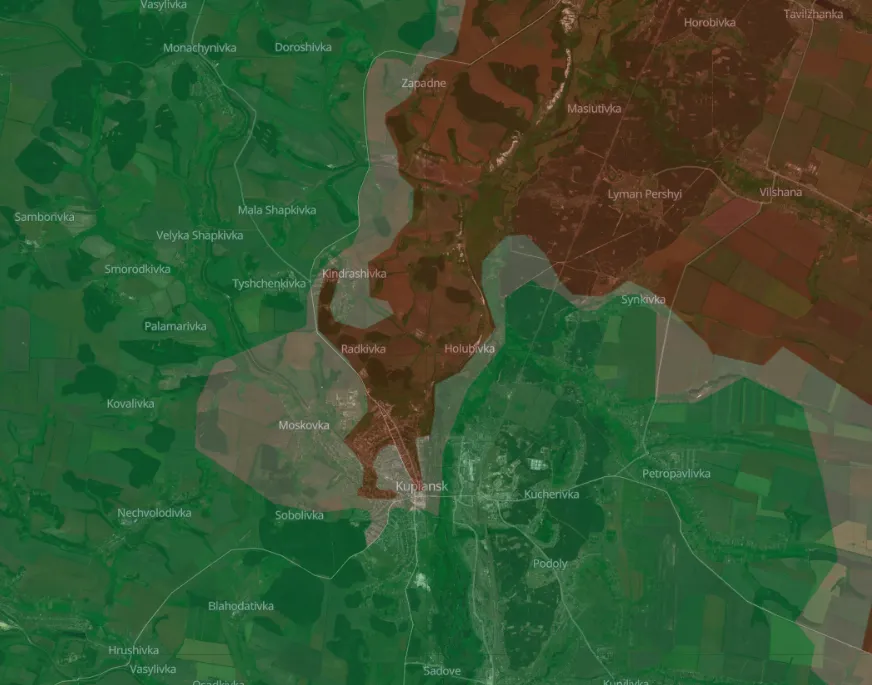
Fighting over the city of Kupyansk has been continuing for much of 2025. Russian troops had taken over most of the city, as shown by this December 11 map from DeepState.

Image

But over the course of the past few weeks, Zelensky kept on repeating that good news was incoming from Kupyansk. And on December 12, DeepState showed that much of the city had been ‘retaken’ from the Russians. It should be noted that much of what was retaken was in fact ‘gray zone’, that is, territory under control of the drones of ‘both sides’.

Image

Let me first note the irony — according to General Staff on December 10, Russian forces weren’t even close to the centre of Pokrovsk! This would mean that Zelensky has been thumping himself on the chest for retaking territory that his own army claims was not lost to begin with!

Image

But that hasn’t stopped the press from having a field day.

Image

Image

So, what has actually been going on in Kupyansk? Did Zelensky really visit the city?

Not only is the battle for the city very far from over, but a fierce struggle has already erupted between different Ukrainian generals and politicians over who is the true father of this ‘victory’. And don’t worry, Manko is involved, along with members of Kharkiv’s world of organized crime, now re-christened by Zelensky as brigadier generals.

(Paywall with free option.)

https://eventsinukraine.substack.com/p/ ... ble-troops

******

Negotiations in Berlin
December 15, 4:59 PM

Image

In negotiations with Ukraine and the EU, the United States is demanding the complete withdrawal of the Ukrainian Armed Forces from the remaining occupied territory of Donbas.

The cocaine-fueled Führer, backed by European globalists, has already made concessions on most issues, including refusing to join NATO, but he continues to dig in his heels on the issue of territorial surrender.

If the US forces him to forcibly surrender Donbas, the war could end quite quickly, as this scenario was discussed with Trump in Anchorage. If he refuses, Russia will simply record that the US was unable/unwilling to bend Ukraine and the EU and will simply continue to achieve its goals through military means alone. The publication of new Mindich tapes featuring the cocaine-fueled Führer and his gang is one way to accelerate the process of turning Ukraine's red lines into brown ones.

Naturally, the EU is doing everything it can to sabotage negotiations on the surrender of Donbas, to prolong the war indefinitely, with the option of plundering Russian assets and increasing the risk of a nuclear war, as any direct war between Russia and NATO would be nuclear.

There will obviously be no freeze on the LBS.

https://colonelcassad.livejournal.com/10247375.html

Attacks on the bridge in Zatoka. December 14, 2025.
December 15, 6:53 PM

Image

Vivid footage of concentrated strikes on the bridge in Zatoka. Arguably the most powerful of the entire war. The bridge was seriously damaged, but not yet completely destroyed. The enemy will certainly make efforts to restore it. So we might see more. (Video at link.)

https://colonelcassad.livejournal.com/10247632.html

Naval drone attack on Novorossiysk. December 15, 2025.
December 15, 9:00 PM

Image

We were a bit lucky in Novorossiysk today with the enemy's naval drone attack on Novorossiysk, as was the case with the attempt to blow up the Crimean Bridge support. The explosion occurred near the pier (and was damaged) between two submarines. The damage to one of them was minor.

The attack itself has been confirmed, so questions remain about the harbor defense organization. Next time, we might not be so lucky. As a reminder, during the attack on the Crimean Bridge, the enemy also hacked surveillance cameras on the bridge itself.

https://colonelcassad.livejournal.com/10247873.html

Russia will not make concessions on Donbass.
December 16, 3:02 PM

Image

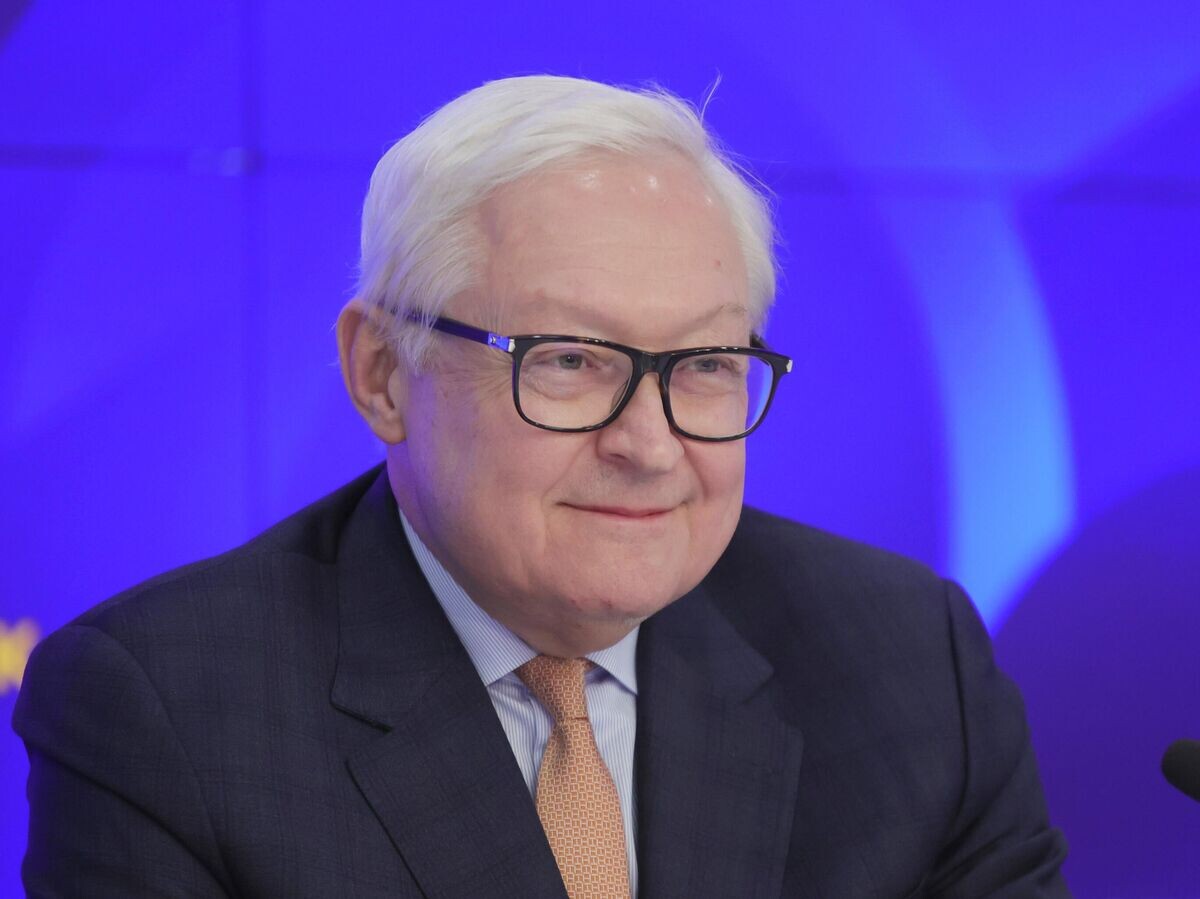
The Russian side has no intention of making any concessions on Donbas, Novorossiya, or Crimea; these are non-negotiable. We now have five constituent entities, and we absolutely cannot compromise on them, as this would be a revision of a fundamental element of our statehood, enshrined in our constitution. (c) Ryabkov

Yes, there is no reason to compromise on these issues. This was made quite clear to the Americans during the negotiations between Putin and Trump. Essentially, the American demand that Kyiv withdraw its troops from Donbas reflects Russia's position on unconditional control over the entire territory of Donbas, whether through military or diplomatic means. Attempts to retroactively revise these agreements could call into question any agreement with the US at all. Therefore, Russia once again reminds that the "spirit of Anchorage" requires compliance with the limits of Russia's demands. Whether the US can/willingly or unwillingly truly push for the withdrawal of the Ukrainian Armed Forces from Donbas will not change the final outcome. Donbas will remain part of Russia within its 2014 borders.

https://colonelcassad.livejournal.com/10248642.html

Google Translator
******

Bridgehead behind Gaichur
December 15, 2025
Rybar

Image

"The situation in the East Zaporizhzhia direction"

Units of the "East" group of forces are building on their success on the western bank of the Gaichur River . Guardsmen from the 36th Motorized Rifle Brigade of the 29th Army crossed the river and took control of the village of Peschane in Dnipropetrovsk Oblast , a major defensive stronghold of the Ukrainian Armed Forces in this area.

The fighting resulted in the establishment of a stable bridgehead, but the enemy suffered significant losses: units of the 92nd Separate Airborne Brigade, numbering up to two platoons, along with equipment and more than two dozen Baba Yaga heavy hexacopters, were destroyed. The capture of Peschanoye opens the door for further advancement into the region.

Meanwhile, the offensive on the Hulyai-Polye fortified region continues . Ukrainian Armed Forces attempts to maneuver reserves are thwarted by UAV strikes: operators of the 57th Guards Motorized Rifle Brigade destroyed an M113 armored personnel carrier, while drone operators of the 14th Guards Special Forces Brigade disrupted the breakthrough, destroying two enemy pickup trucks.

Aviation from the 11th Guards Air Force and Air Defense Army is systematically targeting Ukrainian Armed Forces positions in Hulyaipole , depriving the enemy of cover and the ability to stabilize their defenses. The formation of a bridgehead beyond Gaichur and the pressure on the city are forcing the Ukrainian Armed Forces to disperse their already limited reserves, weakening the entire frontline.

And as evidenced by the enemy's loss of control over the northern part of Hulyaipole , the situation for the Ukrainian Armed Forces is deteriorating daily. Meanwhile, Russian Armed Forces assault groups are already operating in the south of the city.

At the same time, ending the battle for the Gaichur - Yanchur interfluve will free up reserves to both escalate efforts to storm Hulyaipole and to push north into Dnipropetrovsk Oblast . Meanwhile, the Ukrainian Armed Forces risk losing, if not the south of Dnipropetrovsk Oblast , then the occupied portion of Zaporizhia Oblast .

https://rybar.ru/placzdarm-za-gajchurom/

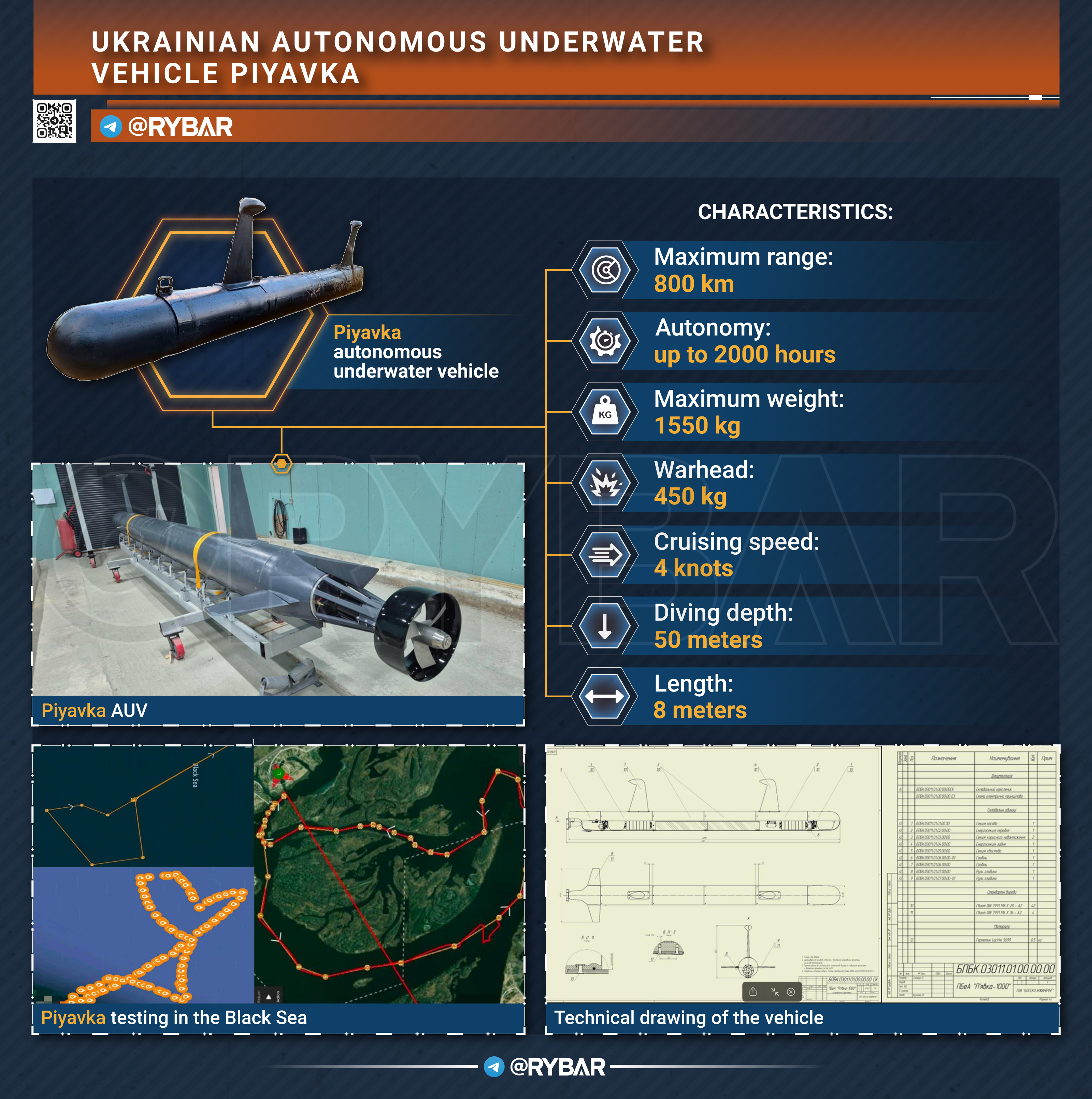
What could have attacked the submarine in Novorossiysk?
December 15, 2025
Rybar

Image

"About the Ukrainian underwater vehicle"

Given the declining effectiveness of unmanned boats, which, due to a lack of results, have been switched to civilian tankers, it was expected that new weapons would be used at some point.

Not much is known about Ukrainian UAVs. Yes, there was some publicity around drones like the "Marichka," but it never got beyond the bombastic videos.

However, our team managed to obtain classified documentation for one of the UAVs , which was not only in the planning stages but had also undergone all necessary testing. This was the Leech UAV, which could very well have been used today.

What is "Leech"?
This is a drone that Ukrainian manufacturers are now actively promoting to Western countries under the name Leech .

The drone is being offered for export and is already actively demonstrating its performance, showing potential buyers footage of its sea trials.

Interestingly, the tests were conducted in the Black Sea and the Danube River basin, likely in the Danube Biosphere Reserve, a standard testing area for drones.

It's slow, but a drone like this doesn't need to be. Much more important are its high autonomy and range, as well as its warhead, which can weigh up to 450 kg.

Of course, the exact drone used remains unknown. The nature of the attack itself appears to be a trial run, as the explosion occurred earlier and the damage to the submarine itself was minor.

However, this attack will clearly not be the only one. And in this situation, the most important thing is to realize that the enemy has such capabilities, but unfortunately, our fleet has no defense against them.

https://rybar.ru/chem-mogli-atakovat-po ... rossijske/

Google Translator
"There is great chaos under heaven; the situation is excellent."

User avatar
blindpig
Posts: 14863
Joined: Fri Jul 14, 2017 5:44 pm
Location: Turtle Island
Contact:

Re: Footnotes from the Ukrainian "Crisis"; New High-Points in Cynicism Part V

Post by blindpig » Wed Dec 17, 2025 2:17 pm

European guarantees: peace or war?
Published by @nsanzo ⋅ 17/12/2025

Image

“I think we’re closer than we’ve ever been,” Donald Trump declared on Monday night. Nothing that is happening now should be surprising, nor should the fact that this is the moment when progress is beginning to be made. For the first time since the start of this unorthodox process of bilateral talks, which has taken months to produce a document on which to base negotiations, it is logical that the only real progress is only now becoming apparent, with the US mediation team in contact with both countries. This team has stopped telling Kyiv and Moscow what they want to hear and is now seeking to arrive at clear proposals that both countries can evaluate, renegotiate, and accept or reject, thus exposing themselves to negative consequences. The US position is that, in the event of a Russian rejection, sanctions would remain in place and the flow of weapons to Ukraine would likely increase, since no one expects Washington to completely disengage from the war in Ukraine, at least in its role as an arms supplier to European countries. In the Ukrainian case, rejecting an agreement would jeopardize the relationship with the United States, but above all, it would mean continuing a war in which the increase in military assistance has not translated into a less precarious situation for the battered Ukrainian troops, who are now suffering in areas of the front where until a few weeks ago they withstood Russian attacks without great difficulty.

“Today or tomorrow we will finalize the documents, our documents. Then, I believe the United States will hold consultations with the Russians in the coming days, and then consultations with the President of the United States, and then our teams will meet,” Zelensky stated yesterday, taking for granted that there will be a Washington-Kyiv agreement and trying to shift all the pressure onto Moscow. In the full implementation of what could be called the Serrano Suñer doctrine , anything that goes wrong from now on will be Russia's fault. Although few details have emerged about the negotiations between the European countries and Ukraine with Steve Witkoff, a businessman with no diplomatic experience and minimal—if any—knowledge of Russia and Ukraine, Zelensky seems satisfied with the outcome in the area of ​​security, believes he has the issue of reconstruction completely under control, and refuses to accept reality regarding the territorial aspect.

With the economic aspect in the hands of European countries, Ukraine is now focusing on using its media power to reject territorial concessions. And although even its closest allies, the European countries, have stopped including territorial integrity as a demand—a label they have repeatedly added to their statements despite its complete lack of realism—Zelensky remains unmoved in his position, possibly as a message to his population, which perceives any cession of territory as an unacceptable capitulation. “Neither de jure nor de facto will we recognize Donbas as Russian, the part that is temporarily occupied,” he stated yesterday, even though de facto recognition does not exist . The time that elapses between a ceasefire and the fact that a territory that de jure belongs to one state but remains under the control of another is the extent of de facto recognition possible, the implicit admission that a part of the country has been lost, either temporarily or permanently. This happened in Crimea in 2014, and the United States hopes it will happen with the parts of Kherson and Zaporizhzhia under Russian control, in addition to Luhansk and Donetsk. Zelensky's diplomatic belligerence in this regard aims to present the heavy territorial losses that halting the war on the current front line would entail as the lesser evil, while also continuing to exert pressure to improve the Ukrainian position in the same way as has happened with security guarantees, an area in which Ukraine implies that it has obtained what it sought.

“The ‘very strong’ guarantees would be based on NATO’s Article V mutual protection clause, according to senior US officials, who added that they expected Russia to accept them,” wrote the BBC yesterday . Like many other media outlets, the BBC was referring to the platinum guarantees that the United States is offering to Ukraine for the first time. Ukraine had demanded a resolution to this bilateral issue—Ukraine will not accept security guarantees from any other country as part of a peace agreement—as a prerequisite for addressing other fundamental issues in resolving the war. According to Politico , Washington is offering Kyiv these unspecified but highly significant security guarantees, but is demanding something in return. “These guarantees won’t be on the table forever. These guarantees are on the table right now if a satisfactory conclusion is reached,” the outlet quotes an anonymous US official as saying. Several media outlets claim that the security guarantees are directly linked to the second most controversial aspect of this negotiation: Ukraine's relinquishment of the Donbas region, which it still controls and which the United States does not believe it can maintain militarily, or which it intends to offer to Russia as a carrot to compensate for the stick of what would undoubtedly be seen by the Kremlin as a de facto accession of Ukraine to NATO.

“We believe that, in a final agreement, the Russians will accept all these conditions that allow for a strong and free Ukraine. Russia, in a final agreement, has indicated that it is open to Ukraine’s accession to the EU,” a US official was quoted as saying by Politico . The fact that Russia has no objection to Ukraine’s accession to the European Union is not news, as it was part of the Russian offer that Ukraine was negotiating in 2022 when it decided that the military route was the most direct way to achieve all its territorial, political, and security objectives. At that time, Moscow was not demanding territory, but rather offering to relinquish everything captured since February 24th beyond Donbas. The red line was NATO membership, a rejection that has been maintained and that high-ranking Russian government officials have periodically reaffirmed, reiterating that they will also not accept the presence of the Alliance disguised on the flags of member countries as part of a peace agreement.

Yesterday, Dmitry Peskov stated that Russia has not yet seen the documents under negotiation, and therefore offered no assessment of the platinum security guarantees or the European reaction. He appears to be clinging to his relationship with the United States, which will be responsible for transmitting the documents agreed upon by Ukraine. However, hours earlier, Sergey Lavrov reaffirmed Russia's position of not accepting the presence of NATO troops as part of a peace agreement. This presence is a fundamental basis of the security guarantees announced Monday night in Berlin by several European leaders, who are also demanding a Christmas ceasefire—a throwback to the Minsk years. Russia has been quick to reject this, insisting on a resolution, not a pause, to allow Ukraine to rearm.

On Monday night, after months of meetings of the Coalition of the Willing and coinciding—which cannot be a coincidence—with the US offer of security guarantees for Ukraine, European capitals unveiled their plan for Ukraine. “All the elements for the Kremlin to reject this plan are there: troops on the ground, guarantees similar to Article V, and a limit of 800,000 personnel for Ukrainian forces. Well, that's probably the whole plan,” commented Leonid Ragozin, offering, in a few words, a good summary of the plan's contents. The Russian opposition journalist's position does not differ significantly from that of Sergey Lavrov, who, referring to the negotiations of recent days, stated yesterday in an interview with the Iranian press that “Europe is again trying to impose its conditions and desires on everyone, which seem to be related to the crisis in Ukraine. Europe is using this crisis to impose its will, throw a wrench in the works, and conspire against the United States and all those seeking a just solution.”

In their brand-new plan, European countries commit to “providing sustained and significant support to Ukraine to strengthen its armed forces, which must remain at a level of 800,000 personnel in peacetime to deter conflict and defend Ukraine’s territory.” This means funding an army similar in size to the one currently fighting in the war, which would be entirely illogical in the event of a genuine peace agreement and which the sponsors will ultimately have to finance. The plan also envisions a “multinational Ukraine force” led by Europe, comprised of contributions from nations willing to participate in the Coalition of the Willing and supported by the United States. In other words, it amounts to forcing the entry of troops from NATO countries under their national flags, something that has been a true red line for Russia all these years and which is unlikely to convince Moscow, even if offered control over Donbas. Aware of their military weakness and lack of strategic autonomy, European countries are seeking to directly involve the United States, something for which they will require the support of Donald Trump, who throughout this year has shown himself to be both opposed and supportive depending on the circumstances. The United States is being entrusted with leading a “US-led ceasefire monitoring and verification mechanism with international participation to provide early warning of future attacks and to attribute and respond to any violations, along with a de- escalation mechanism to work on mutual actions to de-escalate (to) benefit all parties.”

Perhaps the most important part of the document is the section that refers to “a legally binding commitment, subject to national procedures, to take measures to restore peace and security in the event of a future armed attack. These measures may include the use of armed force, intelligence and logistical assistance, and economic and diplomatic actions.” This formulation is intended to be binding and resemble Article V of collective security, but, as Euronews journalist Jorge Liboreiro pointed out, it is more similar to Article 42 of the EU treaty, since it does not specify a joint military response from the bloc.

If the content of the security guarantees was not enough to convince Russia of the Atlanticist spirit of the document and of those countries' willingness to continue demanding Ukraine's accession to the Alliance, the European statement adds that “the leaders agreed that guaranteeing the security, sovereignty, and prosperity of Ukraine was fundamental to Euro-Atlantic security in general. They made it clear that Ukraine and its people deserved a prosperous, independent, and sovereign future, free from the fear of future Russian aggression.”

“Investing in Ukraine’s future prosperity, including the availability of significant resources for recovery and reconstruction, mutually beneficial trade agreements, and taking into account the need for Russia to compensate Ukraine for the damage caused,” is how European countries are insisting that Russian assets held in the West must be used under their direction and not as part of the Witkoff Agreement, which stipulated that half of them be allocated to Ukraine’s reconstruction. Added gratuitously, this point seems specifically designed to provoke Russian opposition.

“First, we are working on using Russian assets frozen in Europe to arm Ukraine. This would be a truly significant step in terms of security. The first step has already been taken. These assets will be frozen for an extended period based on a new legal framework. On Thursday, at the European Council meeting, we will reach a political agreement. I submitted a proposal to the European Commission, and we will discuss it. We are taking into account the well-founded comments from Belgium and other countries. Of course,” stated Chancellor Merz. European capitals are not content with presenting a military plan designed to be rejected by Russia, thus justifying militarization and the continuation of the war until final victory. Instead, they are attempting to punish Moscow by imposing the economic costs of using its assets to massively rearm Ukraine and by creating an ad hoc tribunal to ensure that there can be no peace on the continent understood as the absence of conflict. “Russia will not escape paying the price for the homes, schools, and hospitals it has destroyed. Today in The Hague, we are taking an important step toward accountability by establishing a commission to address claims for war damages caused by Russia,” wrote Kaja Kallas about the creation of the “International Claims Commission,” yet another institution created to condemn Russia. The same countries that presented the initiative this week are also working on a “special tribunal for the crime of aggression against Ukraine.”

Of course, no measure will be radical enough for those who always expect more. “The statement by the leaders of the European Union and the United Kingdom, presumably coordinated in this respect with the United States, regarding security guarantees for Ukraine is not particularly impressive, as it calls for measures in the event of an attack that ‘may include armed force, intelligence and logistical assistance, economic and diplomatic action,’” wrote former Swedish Prime Minister Carl Bildt yesterday, who since last week has been a member of the advisory council to Andrius Kubilius, the European Union's defense minister .

https://slavyangrad.es/2025/12/17/33639/

Google Translator
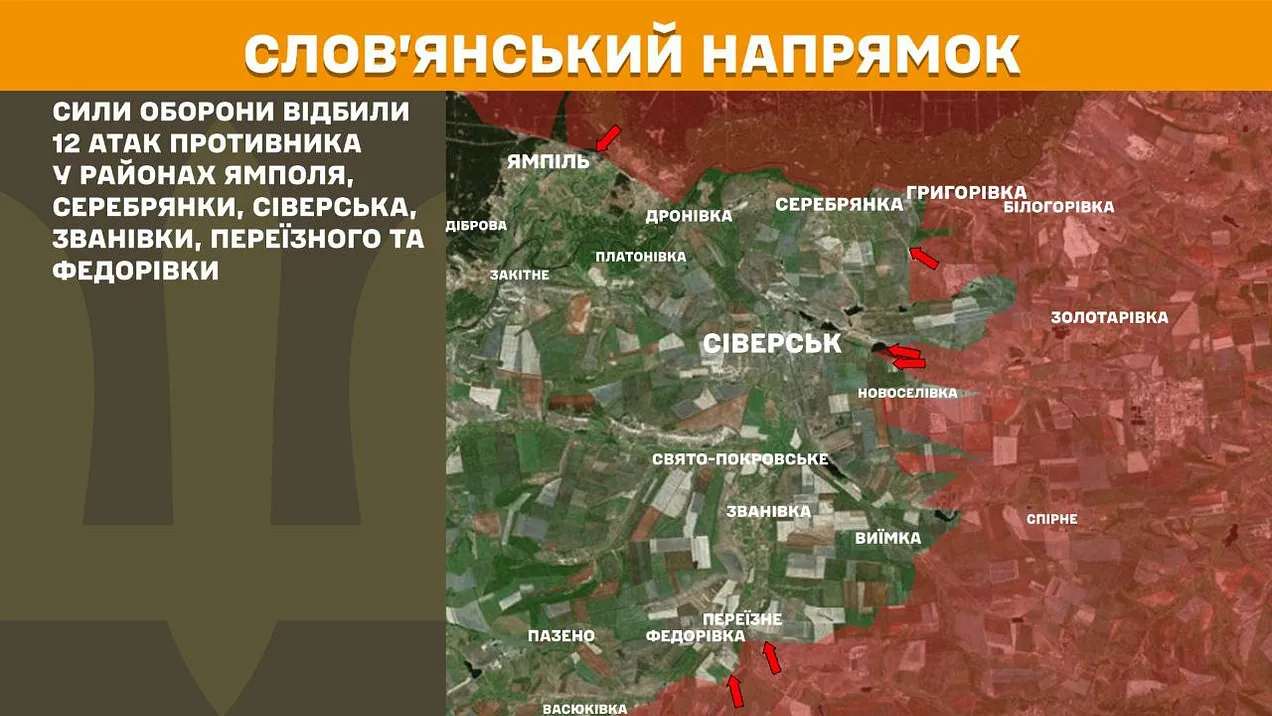
******

From Cassad's telegram account:

Colonelcassad
Key points from Belousov's report at the expanded Defense Ministry board meeting:

"The Russian Army is maintaining the strategic initiative and is conducting an offensive in virtually all directions," Belousov stated.

"The pace of advance of the East, Center, and West force groups has increased by 1.5-2 times compared to 2024.

" "More than 150,000 hectares have been cleared of mines in the Belgorod, Kursk, and Bryansk regions.

" "The transfer of Krasny Liman under the control of the Russian Armed Forces paves the way for the blockade of Slavyansk, a vital logistics hub for the Ukrainian Armed Forces.

" "The capture of Kupyansk will expand the "security zone" in the Kharkiv region and reduce the threat of shelling by the LPR.

" "The Russian Armed Forces have liberated Krasnoarmeysk, a symbol of resistance to both the Ukrainian army and its Western curators.

" "Since November, the Russian Armed Forces have liberated 24 settlements and 400 square kilometers in the Zaporizhzhia and Dnipropetrovsk regions."

The liberation of Huliaipole continues; its capture will create the conditions for the liberation of all of Zaporizhia.

The liberation of Dimitrov and Krasnoarmeysk will be the largest defeat in Donbas for the Ukrainian Armed Forces in recent memory.

The Ukrainian security forces have lost nearly 500,000 troops. In 2025, the Ukrainian Armed Forces lost more than 103,000 weapons, including 5,500 Western-made ones, which is twice the 2024 figure.

Ukraine's energy capacity has been reduced by more than half: more than 70% of thermal power plants and more than 37% of hydroelectric power plants are out of action. The "SVOD" system is being implemented in the troops ; officials from platoon to formation will be located in a single secure information space. The implementation of the "SVOD" system in all troop groupings must be ensured by September 2026, the Minister of Defense said. - Particular attention is being paid to the development of strategic nuclear forces - this is a key element in deterring aggression against the Russian Federation, Beloussov said. - The nuclear-powered submarine "Knyaz Pozharsky", armed with Bulava missiles, was accepted into the naval nuclear component this year. - The first regiment equipped with the S-500 anti-aircraft missile system, capable of hitting targets in near space, has entered combat duty, Beloussov said. Beloussov on NATO's ongoing preparations for a clash with Russia : - NATO is intensively preparing for a confrontation with Russia at the turn of the 2030s. - NATO continues to build up coalition forces, the nomenclature of nuclear weapons has been updated. - The speed of NATO troop transfer to the eastern flank is increasing, for these purposes it is planned to introduce a "military Schengen". - NATO military spending is increasing, the alliance's budget will grow more than 1.5 times.

***

Colonelcassad
0:30
The goals of the SVO will be achieved – Putin

“We would prefer to eliminate the root causes of the conflict through diplomacy, but if they refuse to talk to us, Russia will achieve the liberation of historical lands by military means ,” the Russian president stated.

***

Colonelcassad
Key points from Vladimir Putin's statements at the expanded meeting of the Ministry of Defense:

- 2025 has become an important stage in solving the tasks of the Central Military District;

- The Russian Army has won and firmly holds the strategic initiative along the entire front line;

- The Russian Armed Forces have liberated more than 300 populated areas this year;

- The Russian Armed Forces are grinding down the enemy, including its elite units that have undergone training in Western military centers;

- The Russian Federation has the ability to increase the pace of its offensive in strategically important areas of the Central Military District;

- The Russian Navy has received new submarines and 19 surface ships and vessels this year;

- Putin noted the successful tests of the Burevestnik and Poseidon, stating that these systems "already exist" and will continue to be improved;

- Oreshnik will be put on combat alert by the end of the year;

- The task of expanding the buffer security zone will be resolved, the goals of the Strategic Military District will be achieved;

- The Russian Strategic Nuclear Forces will retain their primary role in deterring an aggressor and maintaining the balance of power in the world;

- Putin ordered the accelerated introduction of robotics and artificial intelligence technologies into the Russian troops;

- Putin ordered the continuation of work on indexing military pay and providing them with housing.

***

Colonelcassad
The Kremlin briefly commented on the new wave of rumors about the deployment of Western troops in Ukraine after the war. The Kremlin believes its position on this issue has long been well-articulated publicly (no Western troops in Ukraine). Consequently, if the West continues to insist on the deployment of Western troops in Ukraine after the war, the war will simply not end. In fact, this very idea of ​​Western troops in Ukraine is being pushed to prolong the war, as Russia would obviously reject such proposals.

https://t.me/s/boris_rozhin

Google Translator
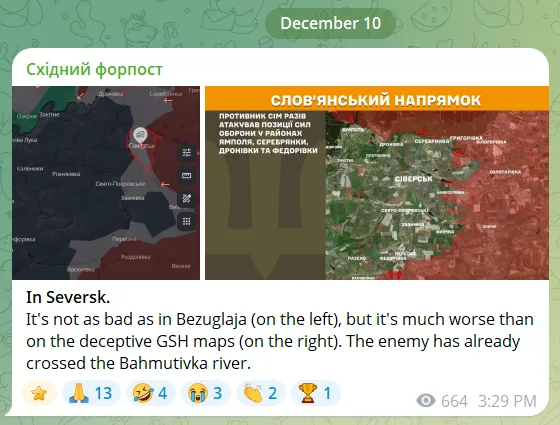
******

Brief Frontline Report – December 16th, 2025

Summary by Marat Khairullin and Mikhail Popov.
Dec 16, 2025

Image
Map Legend: The Yellow line with diagonal marks represents the line of combat contact on April 20th, 2025. The orange is represents the discussed zone of activity.

Message from the Russian Ministry of Defense: "Russian Defense Minister Andrey Belousov congratulated the command and personnel of the 12th Guards Tank Shepetovka Red Banner Order of Suvorov and Kutuzov Regiment named after P.P. Poluboyarov on the liberation of the settlement of Novoplatonovka in the Kharkov Oblast.

'The courageous and selfless tank warriors have been fulfilling their military duty to protect our people and our land from the enemy since the first days of the special military operation,' said the congratulatory telegram from the Russian Defense Minister."


The Russian Armed Forces cut off the northern base of the Borovaya salient. They reached the left bank of the Oskol River and liberated the settlement of Novoplatonovka (49°25′39″ N, 37°38′35″ E, about 460 residents). The units of the 77th Separate Airborne Brigade of the Armed Forces of Ukraine were surrounded and pinned down to the left bank of the river. Advancement along the Kupyansk - Borovaya highway, with converging advances from Zagryzovo-Boguslavka and Novoplatonovka - Boguslavka, along with the clearing of the Boguslavka "pocket," will allow for the creation of a bridgehead north of the settlement of Borovaya.

Image

The next development will be gaining control over Ukrainian Armed Forces' crossings to the opposite bank and disrupting the supply of enemy units on the left bank of the river. This was hinted at back in June when the enemy moved its reserves across the Oskol River to the Borovaya sector – if the crossings are cut off, they and their armored vehicles will be stuck in a semi-encirclement. The Russian General Staff is methodically implementing its plan, imposing its own rules of the game on the enemy.

On practically all maps of directions, you can see the outlines of the line of combat contact at different times. Pay attention to the advance of the Russian Armed Forces. It is possible to understand the plan and the course of its implementation.

https://maratkhairullin.substack.com/p/ ... ember-16th

******

Ukraine's Energy Grid Reaching Final Tipping Point as Fears Rise Kiev May Face Total Blackout
Simplicius
Dec 15, 2025

Another day, another round of war-mongering, fear-mongering, and propaganda from the panic-stricken Eurocrats who are desperate to whitewash Ukraine’s collapse with the “Russia invades Europe” narrative:

The “sons and daughters” of Great Britain must be ready to fight against Russia, said the UK’s Air Chief Marshal and Chief of the Defence Staff, Richard Nayton, according to SkyNews.

According to him, there is a risk of a Russian attack on the UK, and it is necessary to inform the country’s civilian population, “families and households” about how to prepare for “a whole range of real physical threats”.

“The situation is more dangerous than I have ever known in my career,” Nayton stated.


Some of the brazen attempts are reaching such levels of absurdity as to be hardly believable. Check this latest and see if your head doesn’t swivel off its post:

Image
https://nypost.com/2025/12/10/world-new ... pe-report/

Russia has employed “gig worker” saboteurs to carry out attacks across Europe — including trying to bomb US-bound cargo planes, derail trains and even poison water supplied, according to a shocking new report.

An analysis of a series of deniable hybrid attacks and sabotages occurring across Europe in recent years have pointed to a web of freelancers employed by Russian agents to test the continent’s vulnerabilities for war, experts told the Financial Times.

Keir Giles, a Russia expert at the Chatham House think tank, warned that the attacks that have been made public are only the tip of the iceberg, warning European officials that the incidents cannot be simply brushed aside as sabotages by individual actors.


One hardly even needs to examine the nonexistent ‘evidence’ to infer how full of bunk this story is.

CBS’s 60 Minutes did a full story on the German army’s rearmament and training for the presumed coming war the elites are so desperate to hatch. Check the full video here. (Video at link.)

German TV has even taken to making fun of Russia’s so-called coming invasion of their country: (Video at link.)

Part of the segment on Rheinmetall, and how ‘great’ the company is now doing: (Video at link.)

Too bad the same doesn’t go for the remainder of the German industry:

Image
https://archive.ph/EwdWa

Volkswagen will stop manufacturing vehicles at its site in Dresden after Tuesday, marking the first time in the carmaker’s 88-year history that it will close production in Germany.

The closure of the plant’s production line comes as Europe’s largest auto manufacturer is under cash flow pressure as a result of weak China sales and demand in Europe as well as US tariffs weighing on sales in America.


The European cabal has even trotted out the new Ukrainian British MI6 head, Blaise Metreweli, whose direct Nazi lineage we covered here.
(Video at link.)


Image
https://www.thetimes.com/uk/defence/art ... -d9l9w5lb8

Seems the EU1 is turning into a kind of matriarchal suicide cult, like something out of the Dune universe. At least some of our more lucid and sane remnants are starting to have the right idea:

Image

The latest ‘negotiations’ circus has yielded a Ukrainian “concession” of no NATO membership, but still no withdrawal of troops from the Donbass.

‘Neither de jure or de facto will we recognize Donbass as Russian’ — Zelensky

Funnily enough, rumors that Russia is fine with Ukraine joining the EU have spurred some criticisms from the pro-Russian commentariat. But why would Russia have any issue with Ukraine joining the EU? It’s a solid win-win scenario given that Ukraine’s admission to the decrepit bloc would doom it once and for all and be a net negative for everyone involved, and a huge positive for Russia.

To end this section, we have a most fitting video from today wherein Zelensky’s translator apparently goofed in confusing the words ‘troops’ with the Ukrainian word for ‘corpses’, which sounds very similar, leaving Zelensky to ostensibly announce that NATO and EU corpses will be lining the demarcation line after the ‘ceasefire’—a kind of Freudian slip that’s far more accurate than its authors may ever have the clarity of realizing: (Video at link.)

Ironically, Germany’s Merz attempted to slimily guilt trip Russia into accepting a Christmas truce—desperate for any tiny breath of reprieve for the deteriorating AFU:

German Chancellor Merz proposed to Russia to declare a Christmas truce:

“Maybe the Russian government still has remnants of humanity left, and it will leave people alone for a few days. This could be the beginning of peace.”


The major story continues to be Russia’s crippling strikes on the Ukrainian energy grid which is beginning to get urgent attention at the major propaganda farms of the MSM. Today from WaPo:

Image
https://www.washingtonpost.com/world/20 ... e-attacks/
Summary:

Kyiv and eastern Ukraine are close to a complete power outage, The Washington Post reports, citing sources.

“We are now one step away from a complete power outage in Kyiv,” said a person familiar with the situation in the energy crisis.

The electricity transmission systems from the west, where generation is currently concentrated, to the east are at risk of failure, which threatens to divide the country into two parts.

“We are, if not on the brink of” a complete power outage in the east of the country, “then very close to it,” said a senior European diplomat.

The Kremlin is also “pursuing a different strategy of creating [energy] islands,” so that individual regions “are cut off from any electricity generation and electricity supplies, as well as from the existing transmission system.”

Experts were unable to predict how many attacks Russia would need to bring the situation to this point. Ukrainian air defense is also weakened, which could complicate the protection of the rest of the energy system.


The tone appears a bit more serious compared to the winter of 2024—read the underlined below from the article:

Image

WaPo goes on to admit that Zelensky’s energy ceasefire bid was a desperate last-ditch ploy to stave off total energy collapse:

One solution proposed by Kyiv could be an energy ceasefire, in which Russia would halt its attacks on energy infrastructure and Ukraine end its long-range attacks on Russia oil and gas infrastructure. On Thursday and Friday, Ukraine’s security services said Ukrainian drones attacked and shut down a Russian oil platform in the Caspian Sea.

Except that the attacks on Russia’s oil and gas have dwindled of late and do not seem to be causing any even remote consternation to Russia’s thriving energy sector—so, why would Russia even humor such a trifling request?

“We’re reacting as fast as we can but it’s getting more and more difficult,” said Maxim Timchenko, CEO of DTEK, Ukraine’s largest private energy company. “We’ve lost a significant proportion of our capacity. A key focus now is to find replacement equipment in different parts of Europe, which we can deliver to Ukraine quickly. The most important parts are transformers and gas compressors.”

The biggest question at this point for Ukraine in general is, how much of the current ‘status quo’ is a terminal end-game ‘normalcy bias’, wherein things appear functional until a sudden, total systemic collapse simply sends things spiraling out of control overnight?

Image

The only question is whether Russia wants to effect such a ‘total collapse’ of the Ukrainian grid, or simply take the grid to the very edge as we’ve mused previously, in order to have a kind of final hammer of judgment hanging over Ukraine to utilize swiftly at any given, needed moment.

Zelensky himself today admitted that not a single power plant in the country has remained untouched by Russian strikes, a kind of mind-blowing fact when you think about it: (Video at link.)

From ‘Chairman of Ukraine’s Union of Utility Service Consumers’:

⚡️Kiev is preparing for massive power outages of up to 20–22 hours a day during freezing temperatures

The head of the Union of Utility Service Consumers, Popenko, warned that within one to two weeks, with forecast temperatures around −5°C, residents of Kiev could be left without electricity for 20–22 hours per day.

Power outages in the capital already reach up to 16 hours even at above-freezing temperatures. Ukraine is close to a near-total power blackout in Kiev and the eastern part of the country, The Washington Post writes.


Listen carefully below: (Video at link.)

Odessa and other regions don’t seem far behind:

Image

And there are now reports that Russia is preparing a massive new energy strike for tomorrow night, as Tu-95 bombers carrying Kh-101 missiles are said to be in final preparation stages.

Moving on to some frontline updates.

The biggest news once more comes out of Gulyaipole where Russian troops broke past the center which they had reached last time, and now appear to be storming the final western portion of the city on the other side of the Haichur river:

Image

But in all honesty, the even bigger story is how Russian troops have already broken past the Gulyaipole MSR and defensive line, and are pushing west to the next line—from Suriyak maps:

Image

Report on the assault and capture of Varvarivka, seen in the map below just north of Gulyaipole: (Video at link.)

In the wider view, we can see Russian troops have already breached past the main Pokrovske-Gulyaipole logistics life line and are pushing toward the Orokhov-Novomykolaivka one:

Image

The space between the two is just another empty space full of fields that will likely be rolled up extremely quickly, just as the previous such space was between the Yanchur and Haichur rivers.

Don’t be surprised if another couple months or less, the entire area shaded in blue will be swept away by the Russian juggernaut:

Image


For reference, the two small yellow circles above (representing the villages of Sosnivka and Temyrivka) were captured in August and September of 2025. That means in about three-ish months, Russian forces traversed across that dead space toward the current Haichur river line, which is already being breached. In fact, Komar—which you can see just east of the yellow circles—was captured in June, so you can see every three months or so, Russian forces expand westward at a similar clip.

The pace is now much faster though, and seems to be accelerating, which means it’s not out of the realm of possibility that the blue-shaded area can be taken in one-and-a-half to two months or less.

At this pace, Zaporozhye city would be reached in nine months or less. And once that is reached, interesting possibilities open up. I had once written how Zaporozhye city may provide one of Russia’s only reliable gateways across the Dnieper, given that it has several strong bridges and a dam roadway to allow Russian troops to cross to the other side, which could facilitate occupation of the Dnieper’s western bank which could result in the eventual capture of Nikolayev and Odessa.

The last major update we’ll cover is to show how fast Russian troops have not only captured Seversk, but already bypassed far to its west:

Image

Seversk direction. The Russian army is advancing “on the shoulders” of the fleeing enemy, so the Armed Forces of Ukraine were quickly pushed back from the chalk quarry on the side of Svyato-Pokrovsky, and our troops entered Reznikovka from the start, where the fighting began. Here, along the Sukhaya River, you can walk through the villages of Reznikovka and Kaleniki to reach Rai-Aleksandrovka.

Recall that Seversk itself was taken in only a week, its final capture being just two days ago. Now look how far Russian troops are already advancing past the western edges of the city.

If this is a sign of the environment’s lack of defenses after the fall of the highly fortified Seversk, then it surely paints a dismal picture for Ukraine because between this area and Slavyansk lies nothing but empty farmland with hardly a couple small hamlets scattered around:

Image

Here’s what the highway and Ukraine’s supply line between Izyum-Slavyansk now looks like. (Video at link.)

That being said, the Russian command in this region has long been criticized for lacking, so we have to wait and see how successful they will be moving past the stronghold’s ruins into more favorable territory.


A final video to cap the report.

Russian ambassador to the UK Andrey Kelin candidly dismisses all the “plans” and “deals” charade and says outright that, at this point, Russia needs only Ukraine’s complete surrender: (Video at link.)

https://simplicius76.substack.com/p/ukr ... hing-final

******

Flim Flam Theater Of Peace Talks On Ukraine

The negotiations over the weekend between the U.S., Ukraine and Europe about the parameters of a ceasefire or peace agreement with Russia were surreal. The three sides are fighting each other over detailed points that Russia is sure to reject. They also left out important points which Russia had named as its priority items.

There is no way that any of this will lead to peace. Which may well be the point of the whole theater.

Zelenskyy and Trump hail peace talks progress as US offers security guarantees – Politico.eu

Western leaders welcomed major progress in talks on a potential peace deal on Monday after nearly four years of full-scale war in Ukraine, for the first time outlining how security guarantees could prevent Vladimir Putin from invading again.

Ukrainian President Volodymyr Zelenskyy gave an upbeat assessment of a dramatic new offer from American officials to provide a NATO-style assurance to protect Ukraine.

The proposals look “pretty good,” Zelenskyy said at the end of two days of talks with Donald Trump’s negotiators in Berlin. Trump himself said “we are closer now than we have been ever” to peace.

But the Ukrainian president cautioned that the plans were only a “first draft,” with significant questions remaining unresolved. For example, there was still no deal on what should happen to contested territory in the Donbas region of eastern Ukraine, much of which is occupied by Russian troops. And there’s no indication that Russian dictator Vladimir Putin will agree to any of it.

German Chancellor Friedrich Merz, who hosted the talks, welcomed what he called the “remarkable” legal and “material” security guarantees that American negotiators Steve Witkoff and Jared Kushner, Trump’s son-in-law, had proposed.

“For the first time since 2022, a ceasefire is conceivable,” Merz said at a press conference with Zelenskyy. “It is now entirely up to Russia whether a ceasefire can be achieved by Christmas.”


Where to start?

No, Mr. Merz, there is no conceivable ceasefire. Russia does not want one. A ceasefire would allow Ukraine to recover and get ready for the next round of war. Russia wants a peace agreement that not only covers Ukraine but defines a new security architecture for the whole of Europe. Russia also wants physical control over the four oblast, plus Crimea, that voted to become members of the Russian Federation. It wants a Ukraine that is disarmed and denazified.

Neither seems to be on offer.

Instead we get some spectacle over U.S. ‘security guarantees’ conditioned on Ukrainian concessions of land. Zelenski is trying to cash in the first while not conceding the second:

“The basis of that agreement is basically to have really, really strong guarantees, Article 5-like,” a senior U.S. official said. “Those guarantees will not be on the table forever. Those guarantees are on the table right now if there’s a conclusion that’s reached in a good way.”

[T]he American officials mostly avoided specifics on how they aimed to bridge other gaps on territorial disputes. They said they left Zelenskyy with “thought-provoking ideas” on how to do so.


Translation: “This is pure flim flam.”

The Europeans are likewise delusional:

Merz, along with his counterparts from Denmark, Finland, France, Italy, the Netherlands, Norway, Poland, U.K., Sweden and the EU put out a statement welcoming “significant progress” in the U.S. effort and committing to helping Ukraine to end the war and deter Russian aggression, including through a European-led multinational force for Ukraine supported by the U.S.

The joint statement by the Europeans makes several points which are completely unrealistic and which neither the U.S. nor Russia nor European voters will be willing to accept or support:

Both the US and European leaders committed to work together to provide robust security guarantees and economic recovery support measures for Ukraine in the context of an agreement on ending the war. This would include commitments to:

Provide sustained and significant support to Ukraine to build its armed forces, which should remain at a peacetime level of 800,000 to be able to deter conflict and defend Ukraine’s territory.
A European-led ‘multinational force Ukraine’ made up from contributions from willing nations within the framework of the Coalition of the Willing and supported by the US. It will assist in the regeneration of Ukraine’s forces, in securing Ukraine’s skies, and in supporting safer seas, including through operating inside Ukraine.
A US led ceasefire monitoring and verification mechanism with international participation to provide early warning of any future attack and attribute and respond to any breaches along with a deconfliction mechanism to work on mutual deescalatory actions that can be taken to benefit all parties.
A legally binding commitment, subject to national procedures, to take measures to restore peace and security in the case of a future armed attack. These measures may include armed force, intelligence and logistical assistance, economic and diplomatic actions.
Invest in the future prosperity of Ukraine, including making major resources available for recovery and reconstruction, mutually beneficial trade agreements, and taking into account the need for Russia to compensate Ukraine for the damage caused. In this vein, Russian sovereign assets in the European Union have been immobilised.
Strongly support Ukraine’s accession to the European Union.


Each of those points is hubris and wishful thinking.

There is no way Ukraine, with barely 25 million inhabitants left half of which are pensioners, can sustain a 800,000 strong peacetime army.
Russia has rejected any foreign forces in Ukraine and has announced that it will attack those that appear there.
The U.S. is party of the conflict. It has started the proxy war against Russia and continues to take part in it by supporting the Ukrainian military with intelligence and communication. A party of a war can not be the one to monitor a ‘ceasefire’.
One major reason for the conflict in Ukraine was the prospect of its membership in NATO. To reintroduce that under the guise of a multilateral ‘legally binding commitment’ will not be accepted by Russia.
Europe does not have the money to invest in Ukraine. Russia is winning the war. It will not ‘compensate Ukraine’ for
any damage but may well ask for reparations paid by Ukraine for damage it has caused on Russian land.
There will be no accession of Ukraine into the European Union in any foreseeable future. Some 65% of the EU budget are payments to more rural countries under the ‘Common Agricultural Policy’. Poland’s farmers are currently the biggest net-recipients. If Ukraine enters the EU nearly all of the CAP money would flow towards it. It is implausible that Poland and other rural EU members will vote for this.


The whole delusion plan the European leaders have put out in their joint statement is designed to prolong the conflict. As Elijah Magnier summarizes the joint statement:

Rather than integrating Ukraine into a post-war European security order, the EU plan institutionalises Ukraine as a frontline security asset, not a normalised state. The EU want Ukraine to become a permanently militarised society.

The current negotiated parameters can not lead to a peace agreement with Russia.

The Trump administration needs to take a step back. It can deliver the currently negotiated package to Russia which will study it and ask for negotiations of ‘details’ that will take several years to find some end point. Or it can put the whole issue aside for now and go for a retry in six to twelve months.

By then Ukraine will be much worse off than it is today: All of Ukraine will have been de-electrified, Zelenski may well be gone, Zaparozhia and Kerson may well have fallen to Russian forces, European willingness to support Ukraine will have dwindled further.

By then resistance to a peace agreement, be it by Ukraine or Europe, will have decreased. Only then will peace in Ukraine and Europe become a real possibility.

Posted by b on December 16, 2025 at 16:22 UTC | Permalink

https://www.moonofalabama.org/2025/12/f ... raine.html

******

The Novorossiysk base after an underwater drone attack
December 16, 7:02 PM

Image

Satellite images have emerged of the pier in Novorossiysk where an enemy underwater drone exploded yesterday. Traces of the explosion are visible on the pier near one of the Varshavyanka-class diesel submarines. No visible damage to the hull structure has been detected, despite the enemy's claim yesterday of "destroying the submarine.

Image

The Black Sea Fleet reported yesterday that the submarine sustained no damage.
Overall, we were lucky yesterday that this was all that was involved. But next time, if there's a similar lapse in security at one of the key Black Sea harbors, we might not be so lucky.

There will likely be a closed inspection of the base's security organization, as well as questions regarding the enemy's access to video footage of the harbor. Similar measures were also taken during the enemy's attempts to blow up the Crimean Bridge, where we also had some luck.

https://colonelcassad.livejournal.com/10248993.html

Google Translator
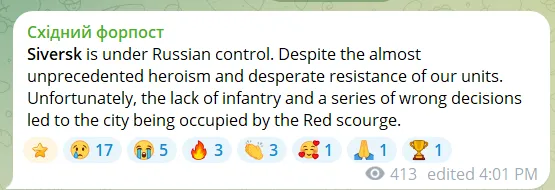
*****

Successes at Seversk
December 16, 2025
Rybar

Image

Following the conclusion of the battle for Seversk , Russian units concentrated their efforts on clearing the northern flank. Mine No. 6 , which had been under fire for the past several months, came under Russian control .

A Ukrainian infantry group holding one of the buildings was initially attacked by drones, and later, attack aircraft from the 70th Separate Motorized Rifle Brigade entered the facility. The wavering enemy was eliminated by drone operators.

Before the Russian Armed Forces launch a further offensive on Slavyansk , they still need to clear the outskirts of Seversk , organize logistics in the recently liberated city, and evacuate civilians.

In the future, the fighters will have to consolidate their positions on the heights near Svyato-Pokrovskoe , which will allow UAV operators to set up convenient positions for strikes against Ukrainian Armed Forces logistics in the Slavyansk-Kramatorsk agglomeration.

In addition, it will be necessary to advance in the neighboring Liman direction , successes in which in the past laid the “foundation” for the liberation of Seversk .

https://rybar.ru/uspehi-u-severska/

Help Zelensky
December 16, 2025
Rybar

"...hold elections."

The saga of holding elections for the so-called "expired president" of Ukraine, Zelensky, is gaining momentum. The Ukrainian regime publicly demonstrates its willingness to organize them, but is doing everything it can to prevent them from taking place.

Now, Ukrainian media reports that the Verkhovna Rada will create a working group to develop a bill on the possibility of holding elections under martial law, headed by Deputy Speaker of Parliament Kornienko.

Note the wording "bill on the possibility of holding elections ." This means it's not even about organizing the elections themselves, but rather about whether they can and should be held. Moreover, it's unknown when this working group will begin functioning and how long it will take to reach a decision.

This latest example demonstrates the work of the Ukrainian bureaucratic machine, which appears to agree with the American authorities on the need for elections, but at the same time does everything to slow down the process and buy time.

Zelensky is thus trying to negotiate a ceasefire for himself, justifying his refusal by citing Russian military strikes. However, our authorities demonstrated last year that shelling is no obstacle to such measures. Most of so-called Ukraine lives without war at all .

So, for Zelenskyy, the elections, which the White House no longer hints at but demands , have become a subject of yet another bargaining chip and nothing more. "If you want them to happen, they have to stop attacking our territories," he says .

https://rybar.ru/pomogite-zelenskomu/

Google Translator
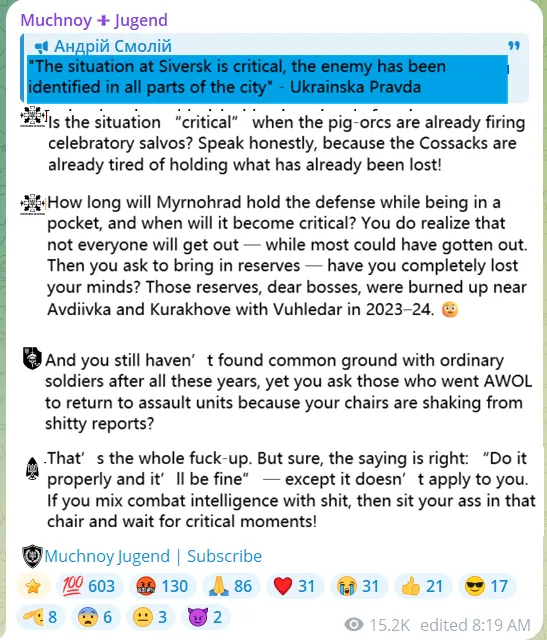
"There is great chaos under heaven; the situation is excellent."

Post Reply